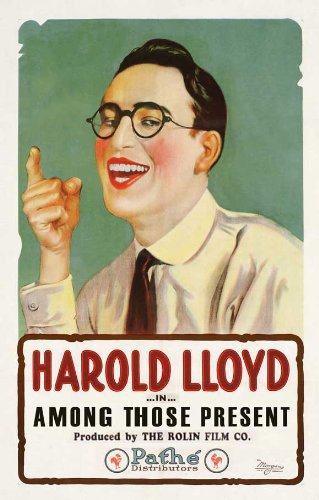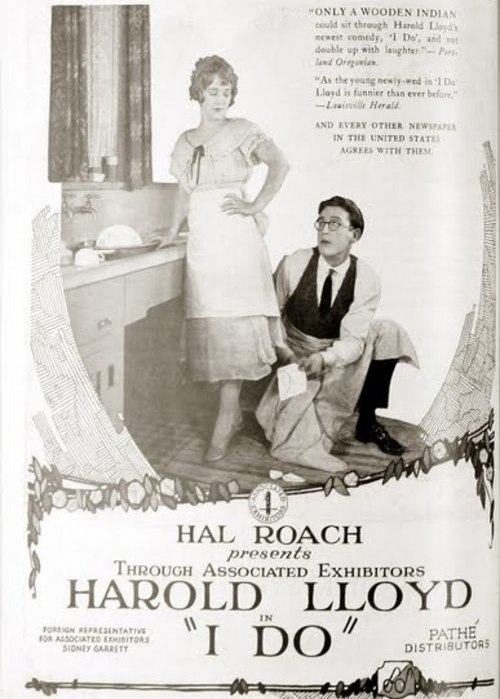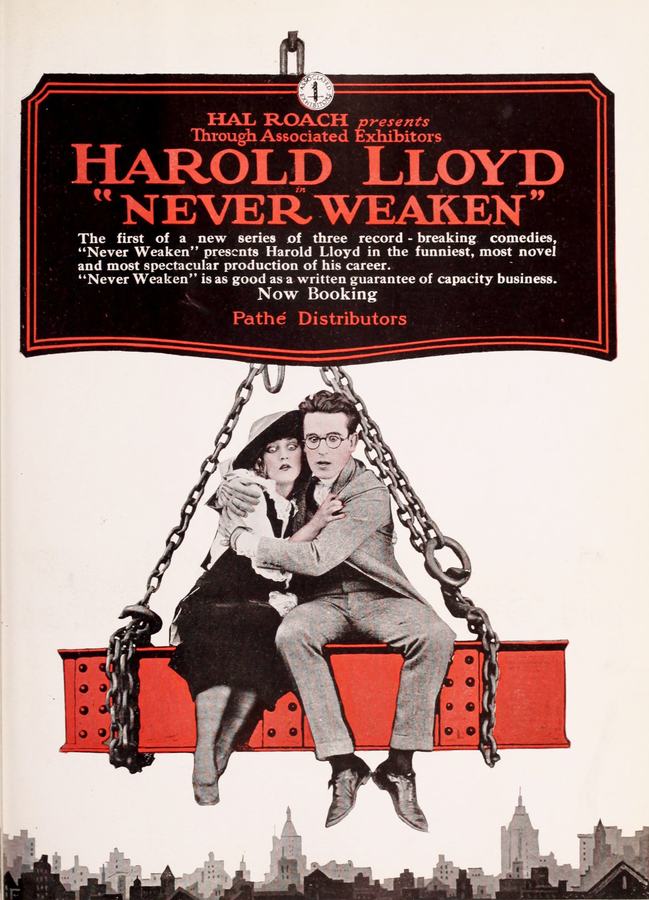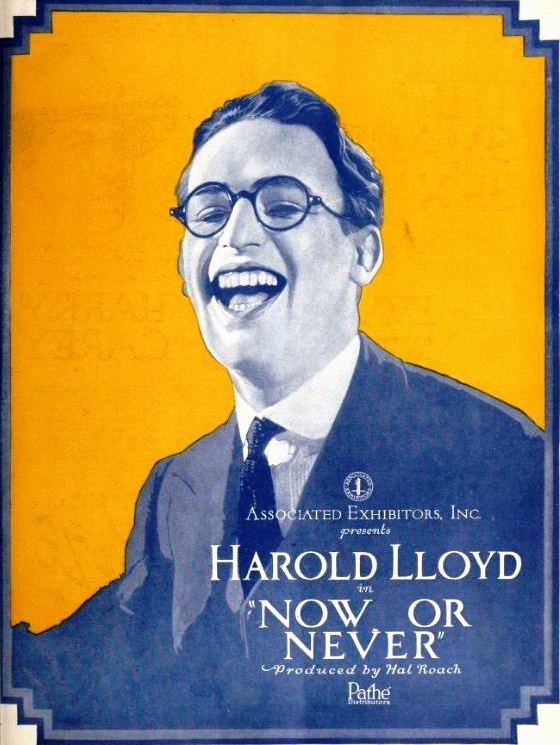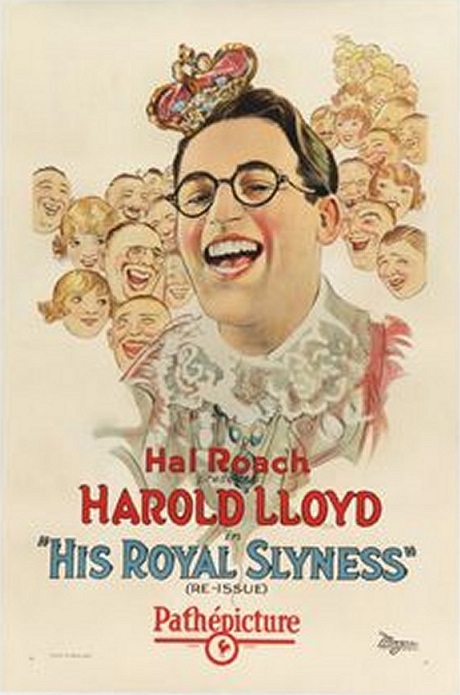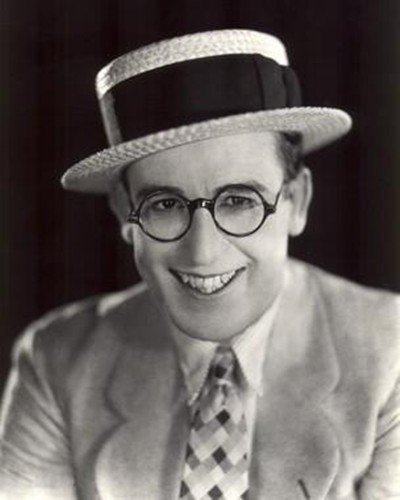
Harold Lloyd
actor, director, producer
- Birth name:
- Harold Clayton Lloyd
- Born:
- 1893-04-20, Burchard, Nebraska, USA
- Died:
- 1971-03-08, Beverly Hills, Los Angeles, California, USA
- Professions:
- actor, director, producer
Biography
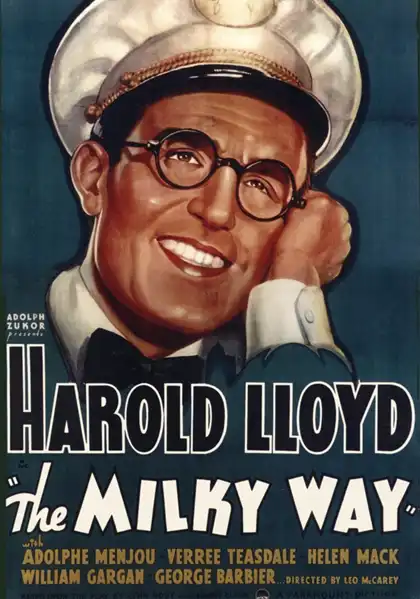
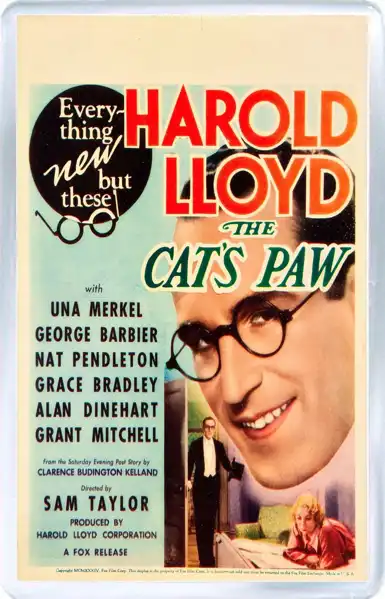
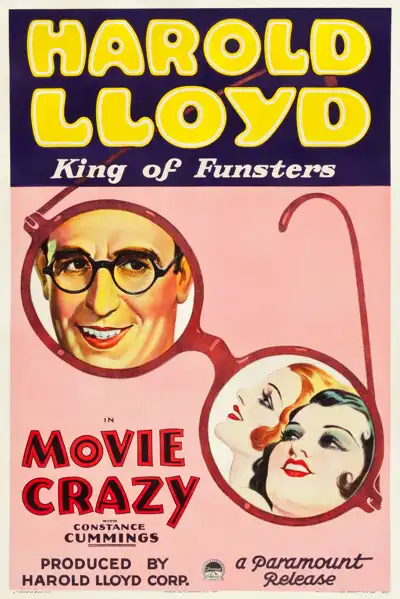
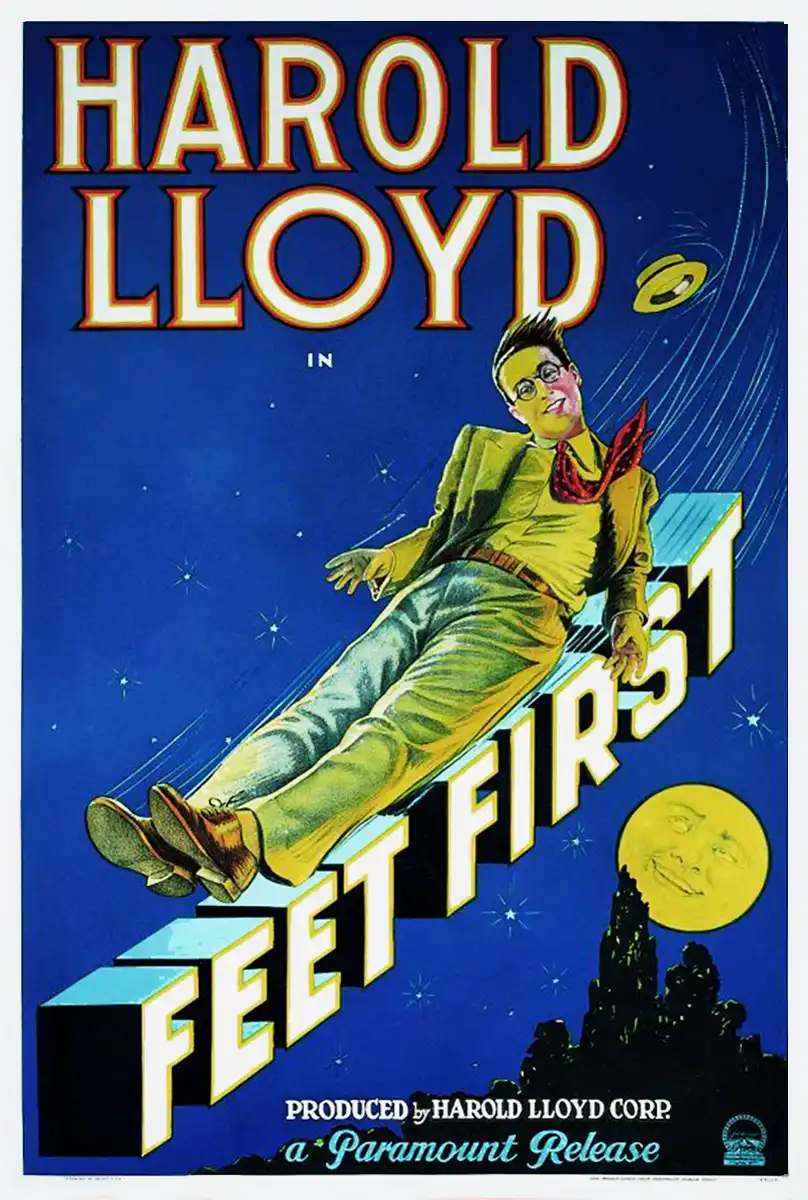
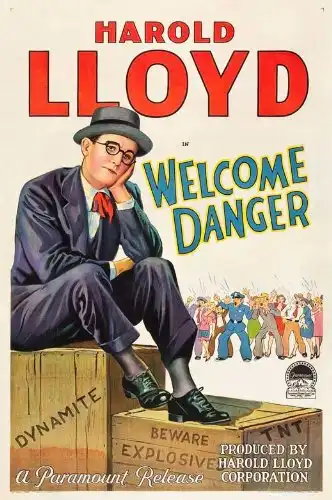
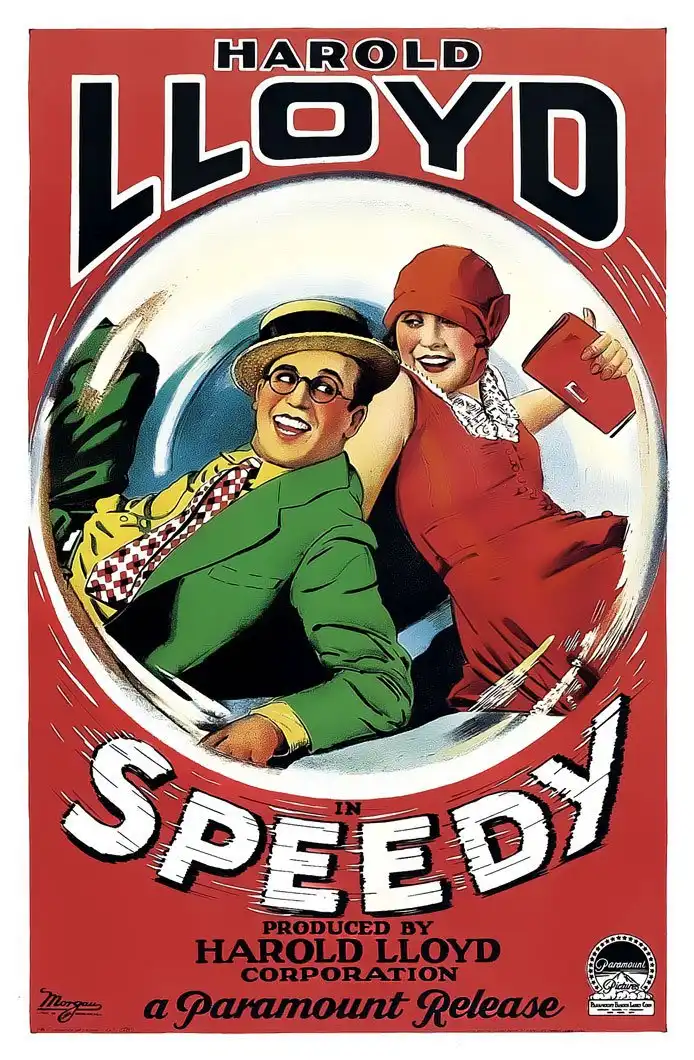
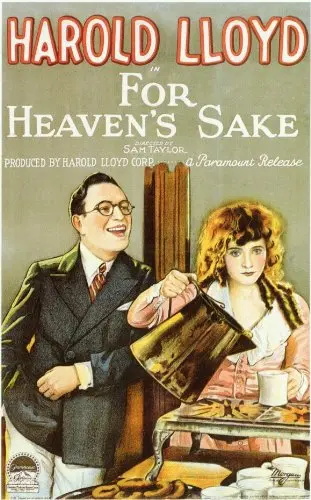
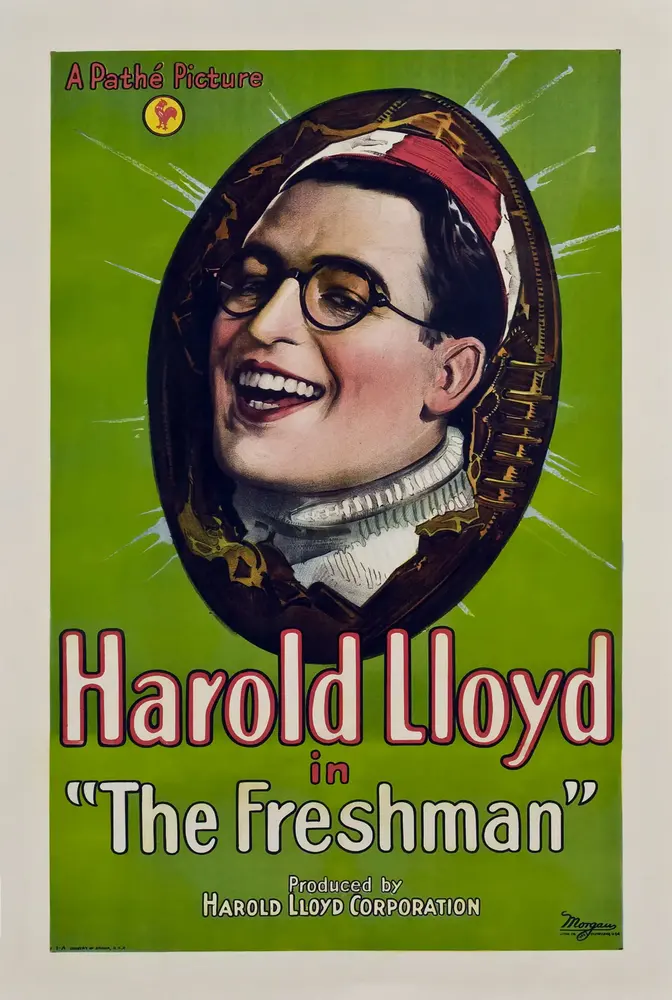
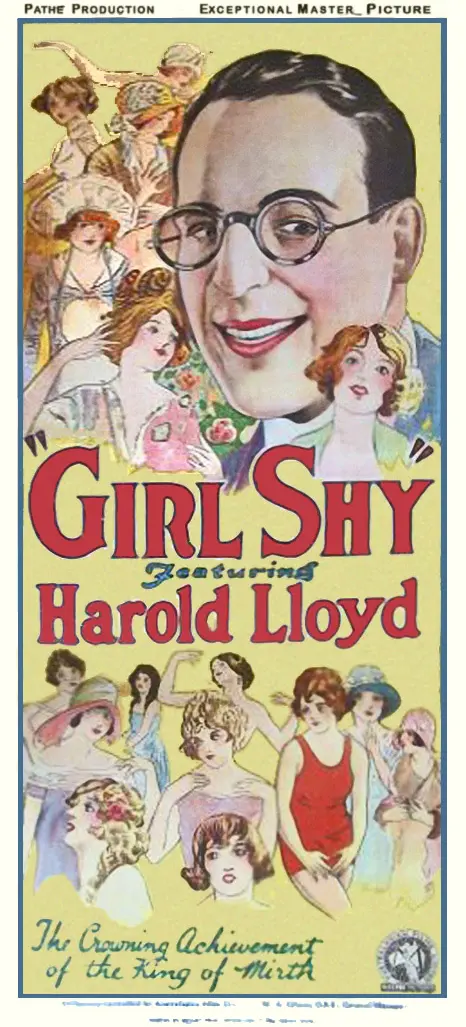
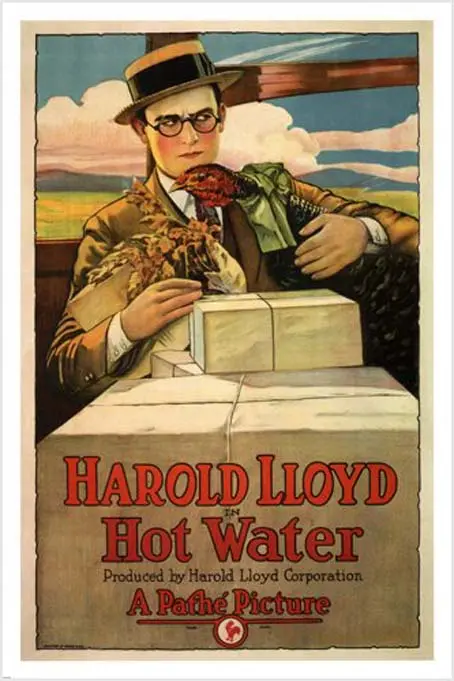
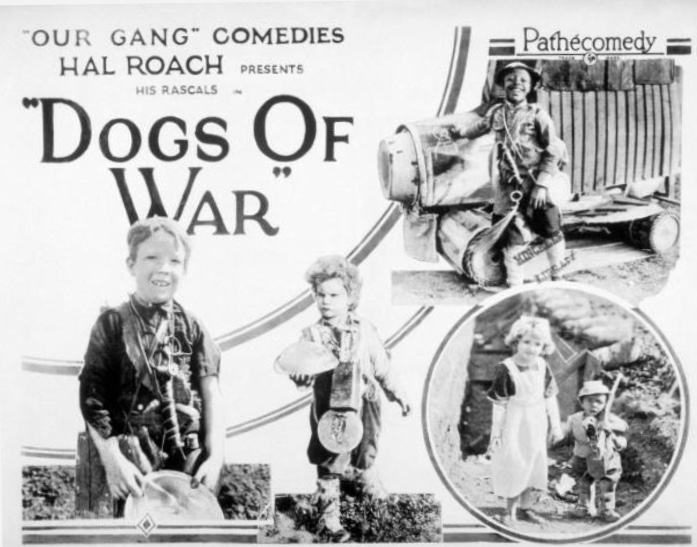
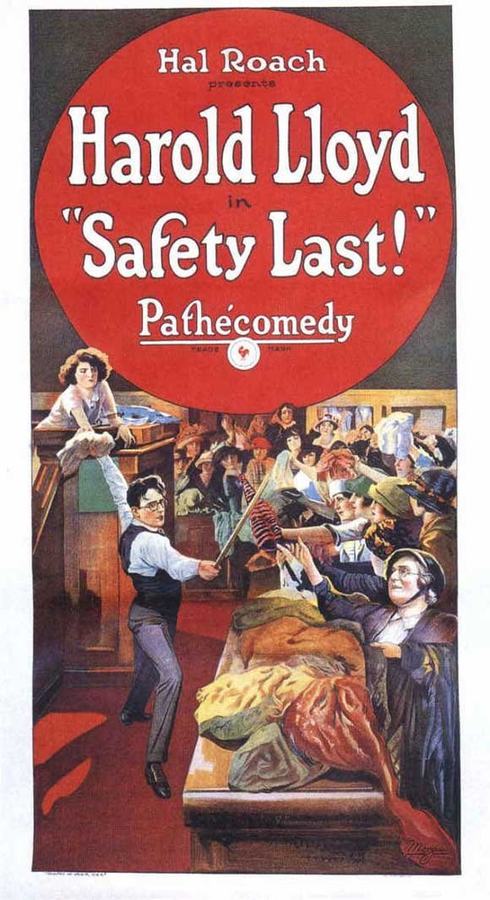
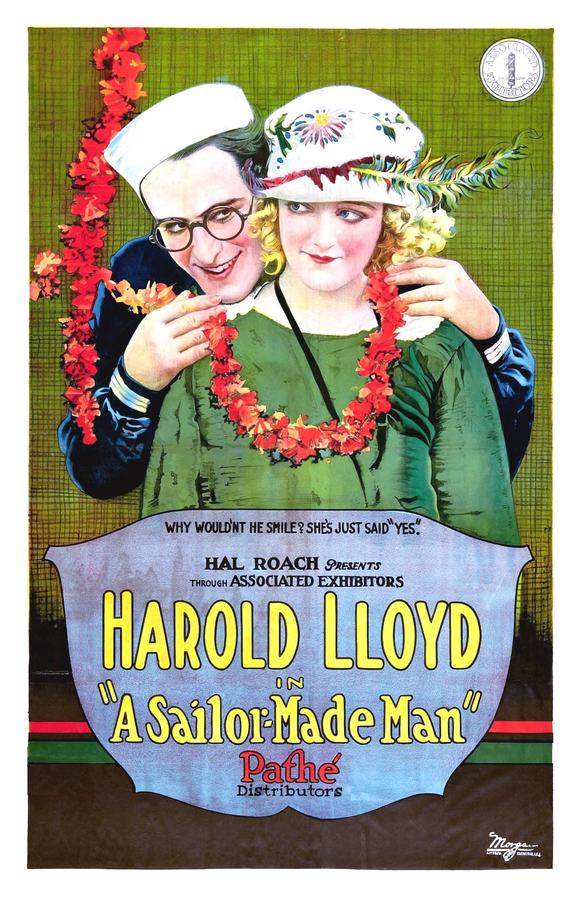
Harold Clayton Lloyd entered the world on April 20 1893 in the tiny Nebraska town of Burchard, the son of Elizabeth Fraser and the tempestuous J. Darcie “Foxy” Lloyd. Their marriage dissolved quickly—a rarity at the time—and young Harold grew up more attached to his itinerant, often‑unemployed father than to his domineering mother. After stints at Denver and San Diego high schools, he honed his craft at San Diego’s School of Dramatic Art. At twelve, he stepped onto the stage as “Little Abe” in *Tess of d’Urbervilles* with Omaha’s Burwood Stock company. A fortuitous accident settlement in 1913 sent the Lloyds westward to California. When Foxy’s ill‑fated pool hall collapsed, he urged his son to audition for a film being shot at the Pan‑American Exposition by the Edison Company. On that set Harold met Hal Roach, a modest actor with grand production ambitions. Roach recognized Lloyd’s potential, promised him stardom, and soon after founded a modest outfit—initially Phun Philms, later Rolin—where Lloyd began appearing in slap‑slap‑comedy shorts. Early on Lloyd played “Lonesome Luke,” a cheap imitation of Chaplin’s Tramp, but by late 1917 he abandoned the mimicry for his own “glasses” character: an ordinary, bespectacled everyman who could outwit any obstacle. The new persona debuted in *Over the Fence* (1917) and propelled a torrent of shorts that kept theaters supplied with three new reels a month through 1921. While his popularity surged, his relationship with Roach soured; Roach’s attention drifted to the *Our Gang* series and Snub Pollard shorts, and Lloyd’s independent streak grew restless. A brief romance with co‑star Bebe Daniels ended amicably, and in 1923 he married fellow actress Mildred Davis, who retired from the screen. The couple eventually settled in the sprawling 32‑room Greenacres estate, raised three children, and cultivated a life of eclectic hobbies—breeding Great Danes, amassing automobiles, bowling, photography, womanizing, and building a massive high‑fidelity stereo collection. Tragedy struck on August 14 1919 when a prop bomb exploded, severing Lloyd’s right thumb and forefinger. He concealed the loss with flesh‑colored prosthetic gloves and avoided showing his right hand on camera for decades. Undeterred, he completed *Haunted Spooks* (1920) and renegotiated a more lucrative deal with Pathe, setting the stage for a career that would rival Chaplin’s. His first feature, the four‑reel *A Sailor‑Made Man* (1921), expanded from a two‑reel short because “there was so much good stuff we didn’t want to cut.” The film was a smash, and a string of hits—including *The Freshman* (1925)—followed. After a split with Roach (who retained re‑issue rights to their early collaborations), Lloyd signed with Paramount, delivering *For Heaven’s Sake* (1926), which grossed an astonishing $2.591 million, nearly matching *The Freshman*. Throughout the 1920s Lloyd commanded roughly $1.5 million per picture, a near‑invincible figure in Hollywood. His final silent triumph, *Speedy* (1928), was filmed on location in New York and remains a favorite today. The arrival of sound, however, exposed a weakness: his gag‑driven scripts and a writing team unaccustomed to dialogue. *Welcome Danger* (1929), originally a silent, earned almost $3 million but is widely regarded as a poor effort and marked the beginning of his decline. Subsequent talkies—*Feet First* (1930), *Movie Crazy* (1932), and *The Cat’s‑Paw* (1934)—performed modestly, the latter barely turning a profit. A brief resurgence came with Paramount’s *The Milky Way* (1936), which grossed $1.179 million but cost over $1 million to make, leaving the studio with a $250,000 loss. Paramount demanded a personal guarantee for any future film exceeding $600,000. Lloyd obliged on *Professor Beware* (1938), investing his own money; the picture cost $820,275 and earned $796,385, costing him $119,400 on release (most of the loss was later recouped). At 45, his Hollywood star had dimmed, though his investments kept him comfortably wealthy. Lloyd produced two RKO pictures—*A Girl, a Guy, and a Gob* (1941) and *My Favorite Spy* (1942)—and signed a $25,000 Columbia comeback that never materialized. In 1947 he teamed with Preston Sturges on *The Sin of Harold Diddlebock* (later re‑released as *Mad Wednesday*), a costly venture financed by Howard Hughes that never turned a profit. A litigious defender of his material, Lloyd successfully sued MGM for appropriating his gags in *She Gets Her Man* (1945). In his later years Lloyd returned to his first love—photography—experimenting with early two‑color Technicolor at Greenacres in 1929 and later pioneering three‑dimensional stills. By the 1960s his private archive held roughly 250,000 3‑D images, mostly nudes, many of which his granddaughter Suzanne later curated into a published volume. He remained an active Shriner, helping run the Los Angeles crippled‑children’s hospital, and he guarded the rights to his own films, refusing television broadcasts for fear of improper projection speed and commercial interruptions. This self‑imposed blackout kept his work out of public view for a generation, diminishing his posthumous reputation. Mildred’s battle with alcoholism ended with her death in 1969. Lloyd spent his final years traveling, lecturing on silent cinema, and indulging in his many passions—collecting cars, bowling, feeding his Great Danes, and blasting his stereo system so loudly that gold leaf fell from Greenacres’ ceilings. He shunned modern renovations, believing any change would outlive him and waste money. Diagnosed with a recurrence of cancer by his brother‑in‑law Dr. John Davis, Harold Lloyd died on March 8 1971. He left an estate valued at $12 million (1971 dollars) but failed to provide for Greenacres’ upkeep, complicating the settlement. His son, Harold Lloyd Jr., died shortly thereafter. Suzanne Lloyd has since worked tirelessly to restore her grandfather’s legacy, overseeing film restorations, new musical scores, and limited releases on HBO, Thames, and Turner Classic Movies.
Filmography
In the vault (21)