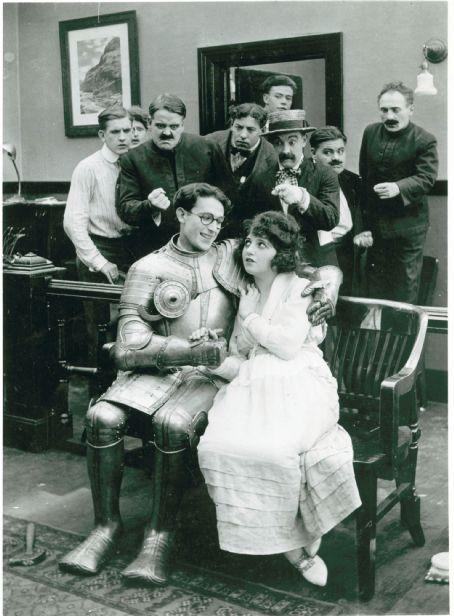
Comic adventures of newlyweds and children..
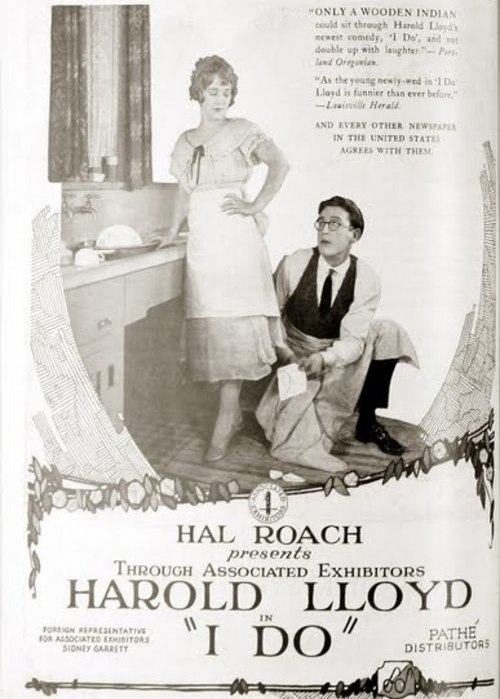
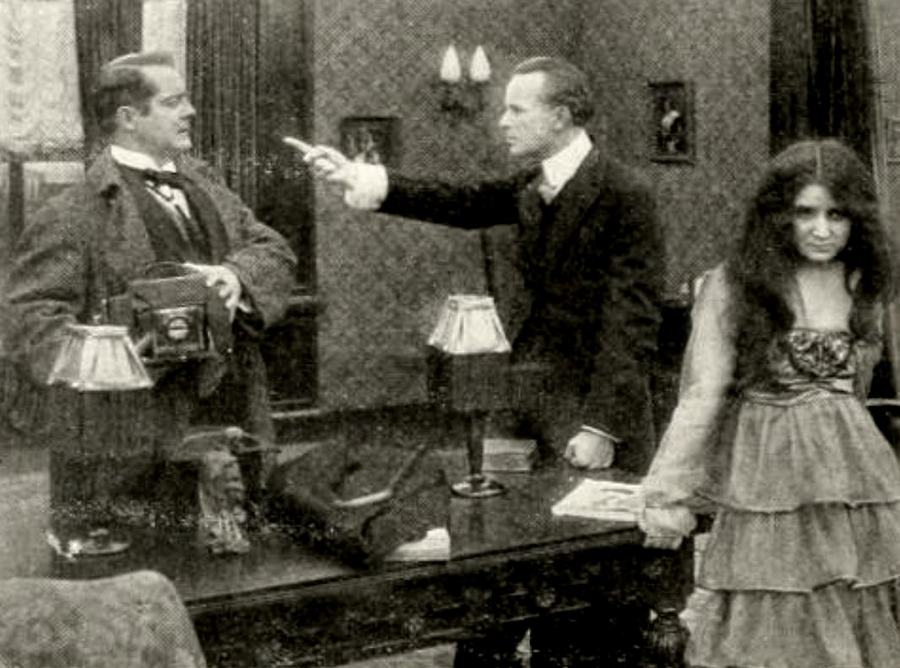
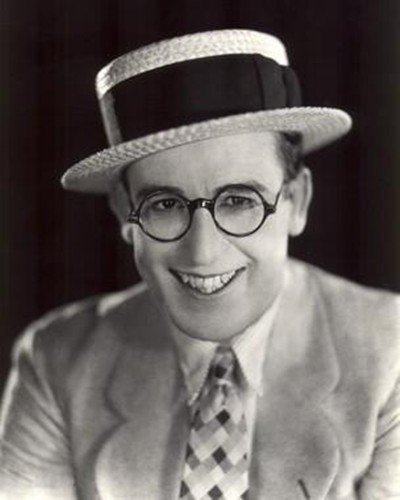
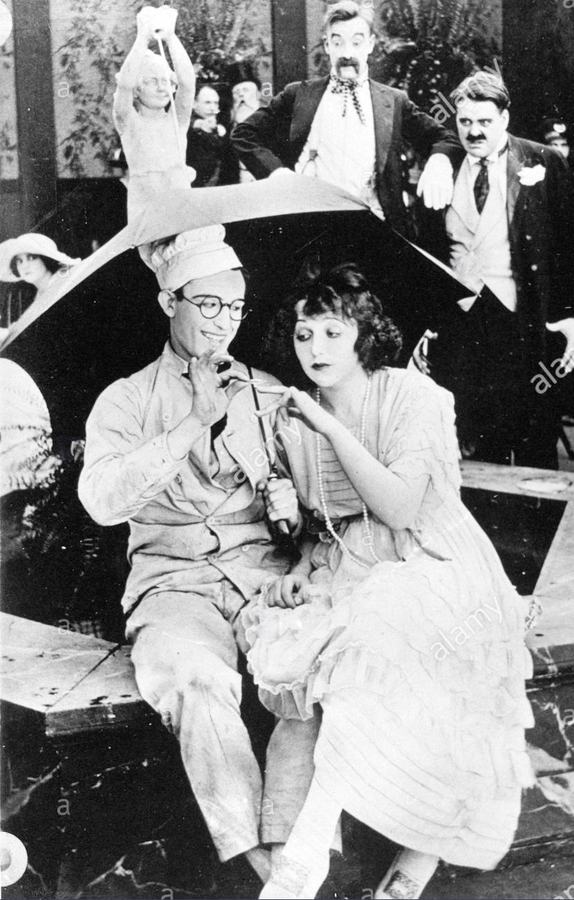
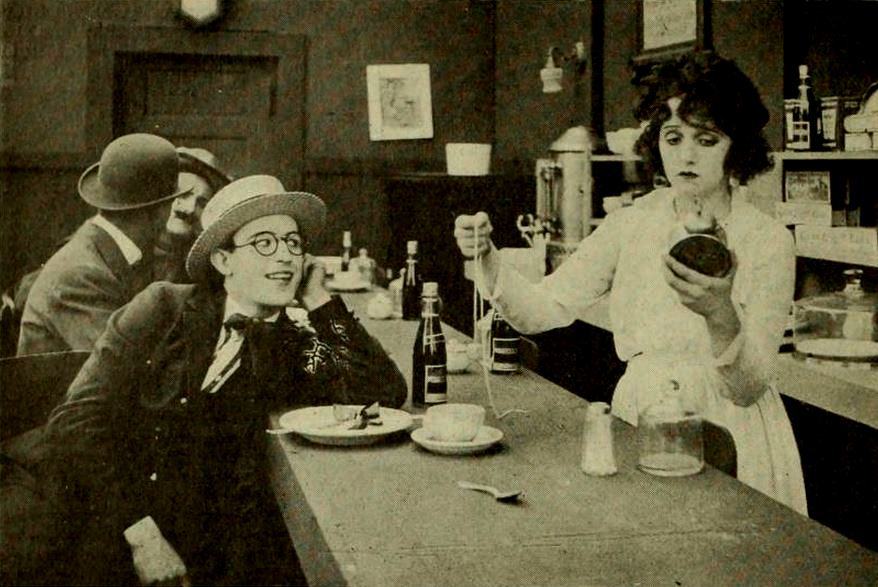
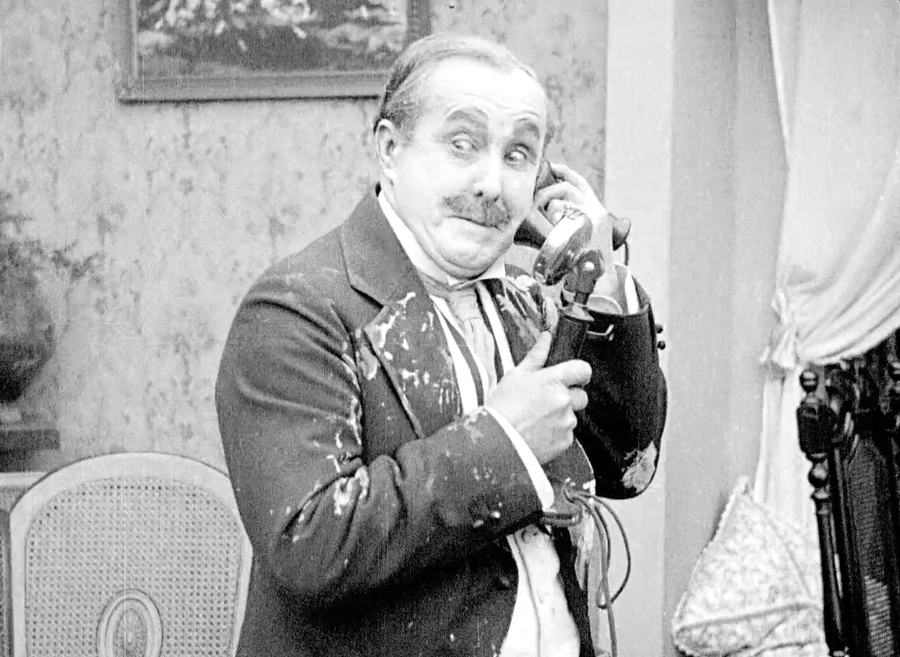
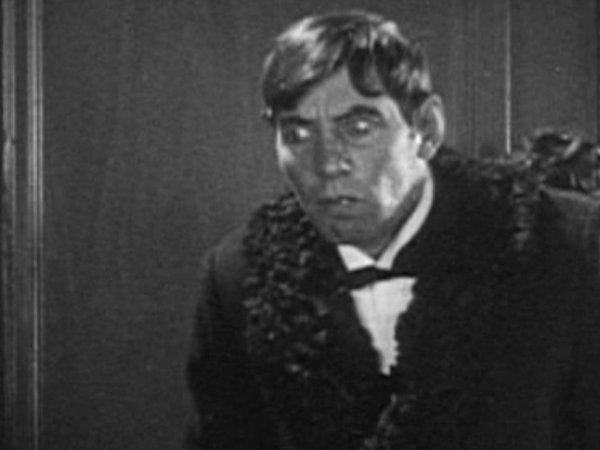
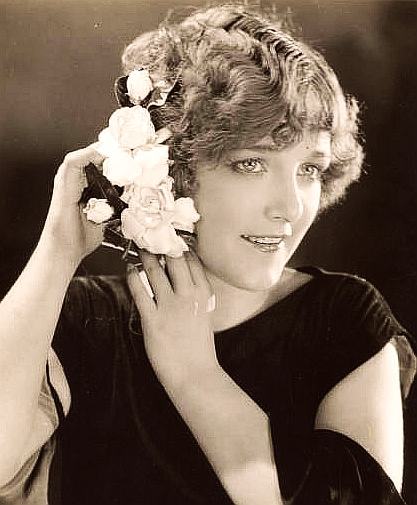
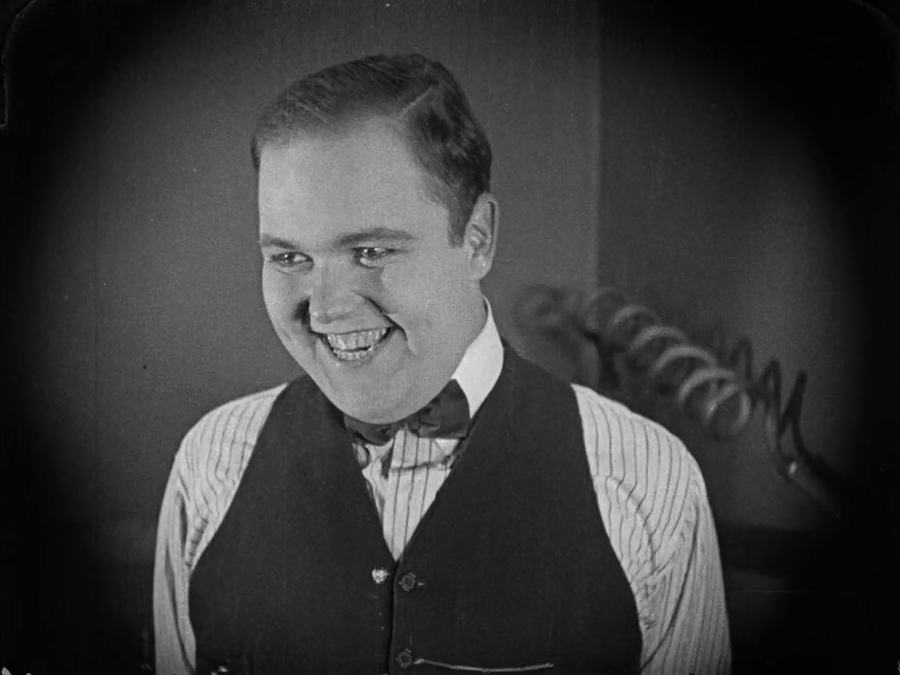
The Architecture of Domestic ChaosIn the pantheon of silent cinema, few figures command the same level of kinetic respect as Harold Lloyd. While his contemporaries often leaned into the ethereal or the grotesque, Lloyd found his muse in the mundane anxieties of the everyman. In the 1921 short I Do, we witness a profoun...
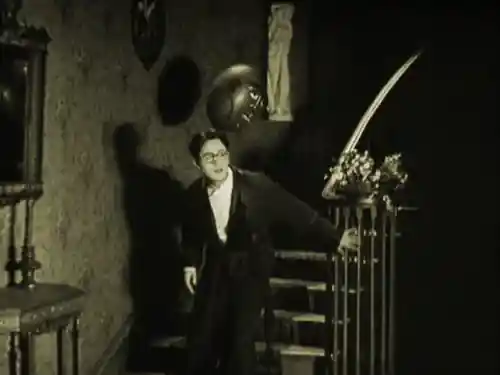
still_frame

still_frame
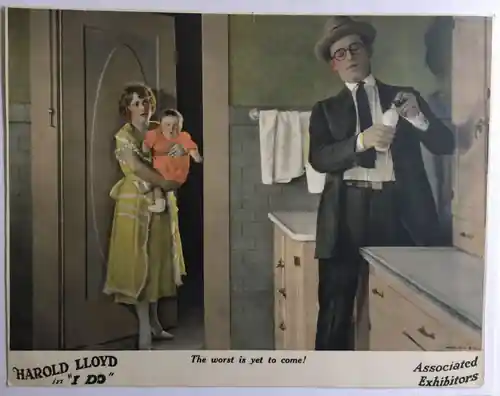
production_art
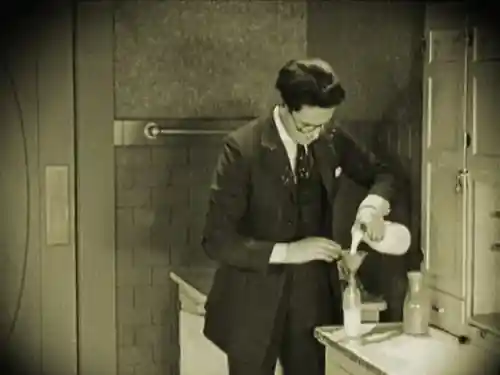
still_frame
still_frame
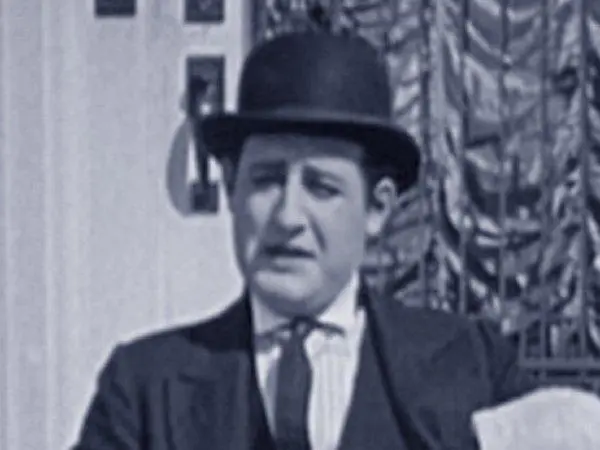
still_frame
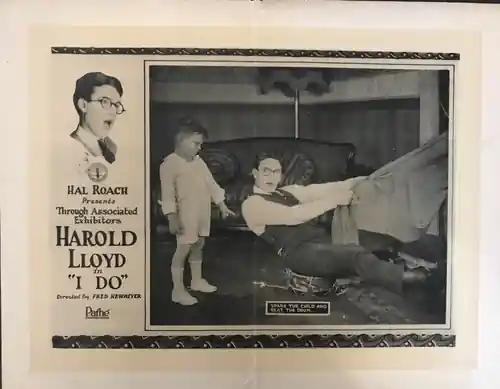
production_art
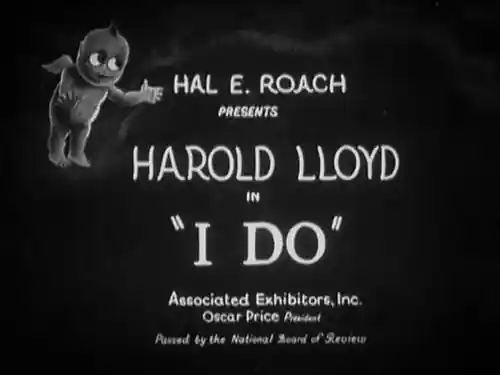
still_frame
Comparing the cinematic DNA and archive impact of two defining moments in cult history.
Hal Roach
Hal Roach
Community
Log in to comment.
"The Architecture of Domestic ChaosIn the pantheon of silent cinema, few figures command the same level of kinetic respect as Harold Lloyd. While his contemporaries often leaned into the ethereal or the grotesque, Lloyd found his muse in the mundane anxieties of the everyman. In the 1921 short I Do, we witness a profound distillation of this ethos. The film is not merely a collection of gags; it is a rhythmic, almost percussive examination of the transition from the romanticism of the 'I Do' to t..."

Dorothea Wolbert
Hal Roach, Sam Taylor
United States