Summary
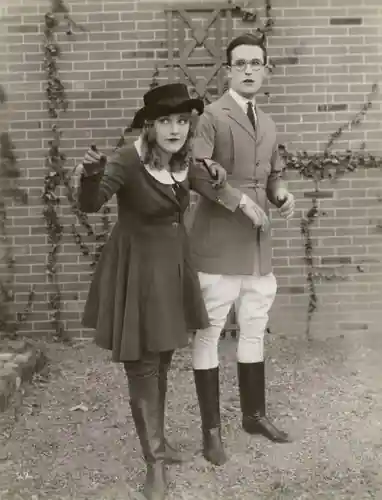
A nimble-fingered cloakroom attendant—his days spent amid the perfume of damp wool and the jangling of ticket stubs—glimpses, in the reflection of a brass coat-hook, a life he has never lived: crested silverware, manicured lawns, the hush of ancestral libraries. One rain-slick evening he pockets a discarded calling card bearing the baroque name “Lord Wimborne,” and the fantasy calcifies into resolve. Tailors are bribed, vowels elongated, a moth-eaten blazer recut into the regal silhouette of 1921’s idea of aristocracy. The impostor drifts through chandeliered parlors where debutantes bloom like pressed lilacs, their laughter brittle as crystal. He is fêted, courted, photographed; his counterfeit genealogy swells with every whispered rumor. Yet each flattered dowager, each fawning politician, tightens the noose of his invention. When the real Wimborne’s battle-scarred cousin returns from Mandatory Palestine, the masquerade’s lacquer cracks; servants smirk, footmen exchange weighted glances, and the mirrors—once obliging—now betray the sweat beading beneath the impostor’s stolen cravat. A fox-hunt becomes a danse macabre: hedgerows claw like bayonets, horns shriek, the hoofbeats echo a court-martial drum. In the marble foyer of a country manor—where ancestors glare from oil-dark canvases—identity itself is put on trial. The climactic unmasking is less revelation than exorcism: the checker stripped to shirt-sleeves, the coat of arms reduced again to a paper ticket, number 042, fluttering to the parquet like a dying moth. But the final sting is existential: the impostor discovers that the true Lord Wimborne, reported slain in Mesopotamia, had already abdicated title and fortune, choosing anonymity in a Tunisian souk—leaving both men exiles in opposite directions, mirror images of a self that never existed.
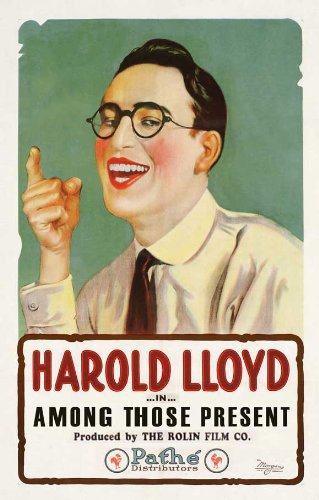
An ambitious coat-room checker impersonates an English nobleman.
Review Excerpt
"
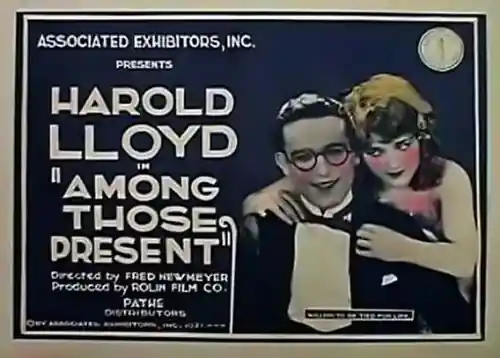
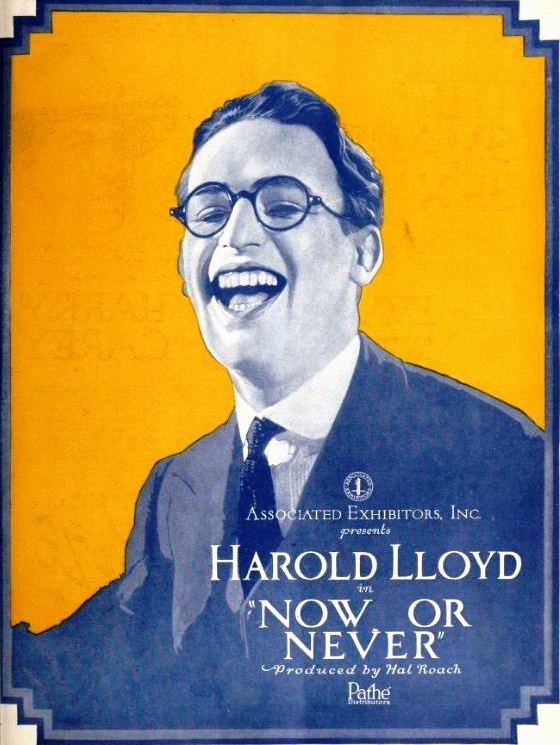
The first time you see Harold Lloyd’s eyes in Among Those Present, they are not yet the kinetic saucers of his later glasses persona; they are furtive, almost feline, calculating angles of escape in a world where birth is destiny. The film—often shelved as a footnote between Safety Last! and The Freshman—is in fact a sly socio-political shiv wrapped in a silk cravat, a Jazz-Age Tartuffe shot through with Roach’s anarchic humanism.
1921 audiences, giddy from victory parades and bathtub gin, wan..."