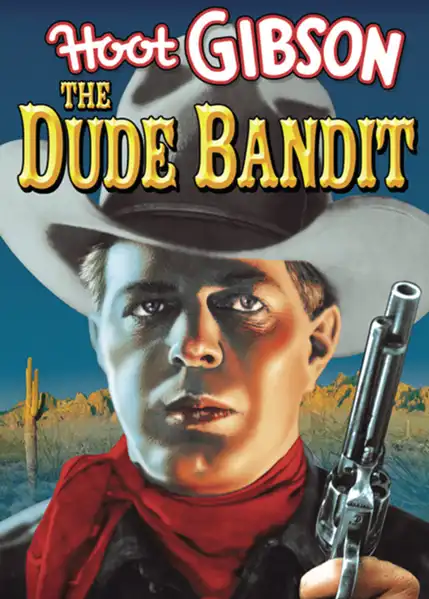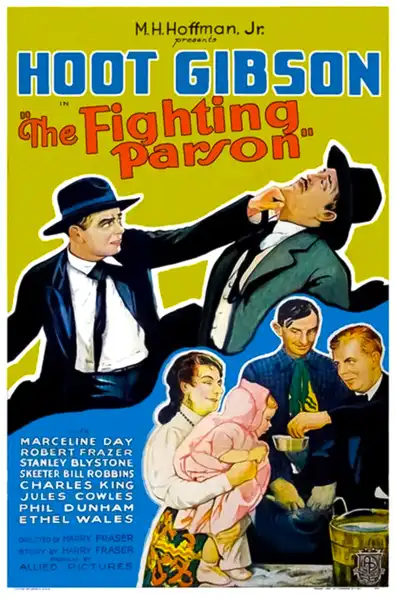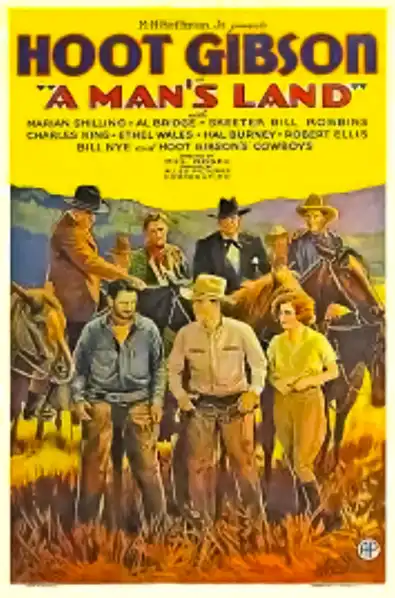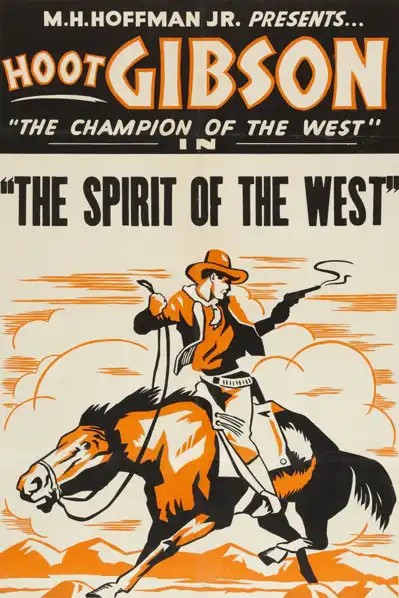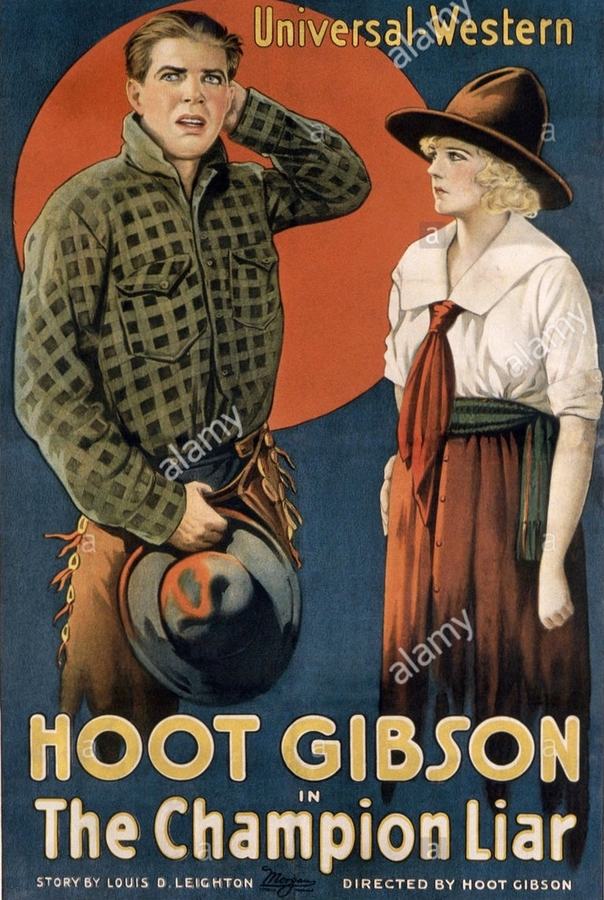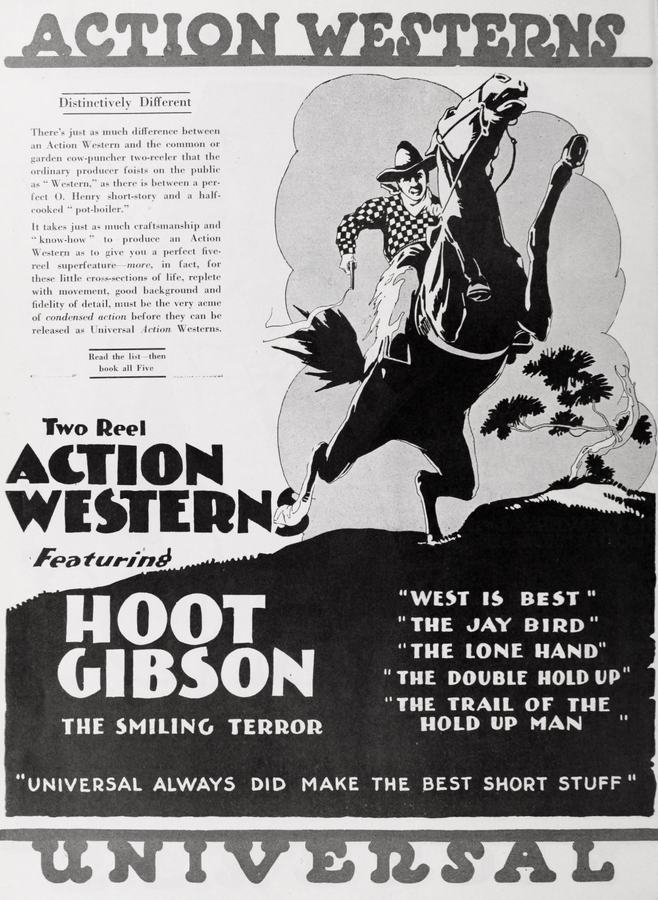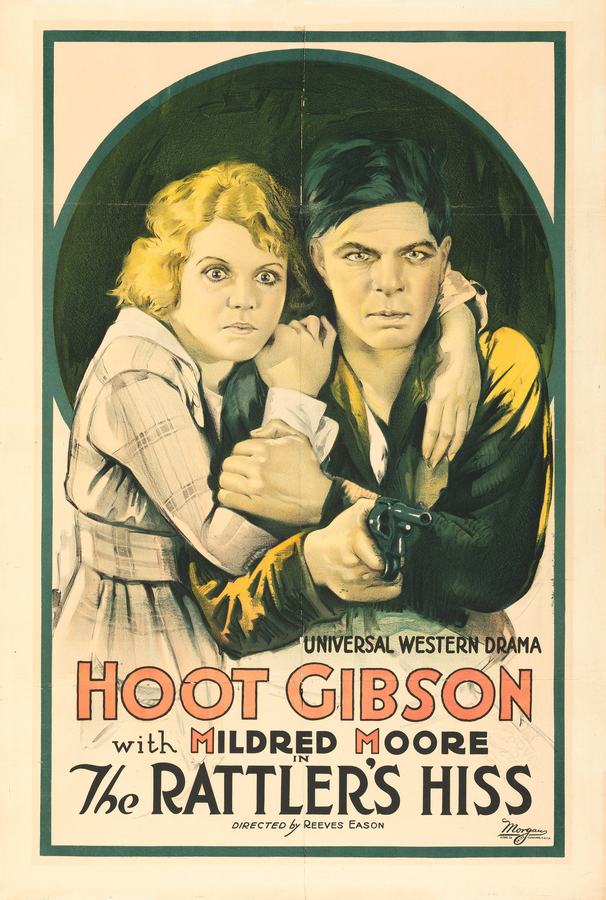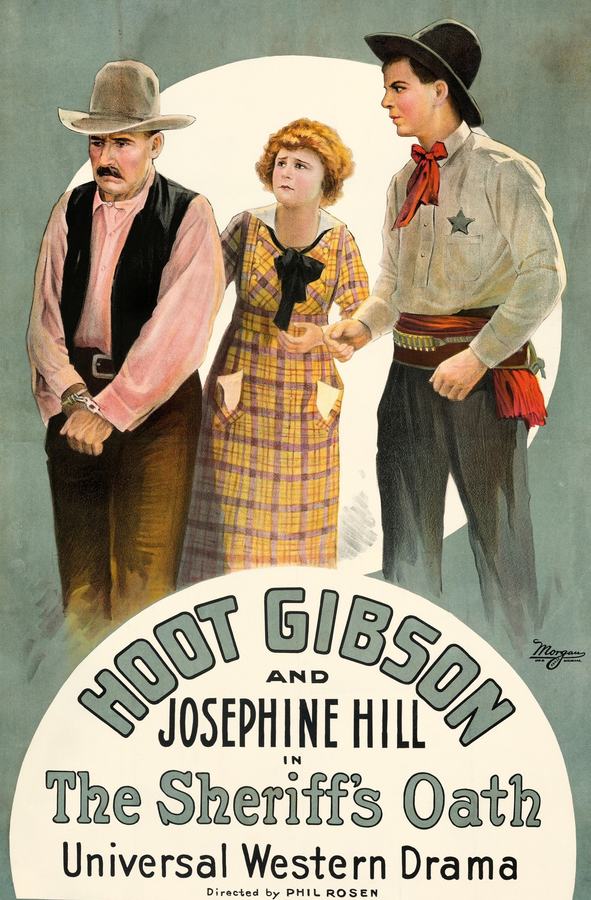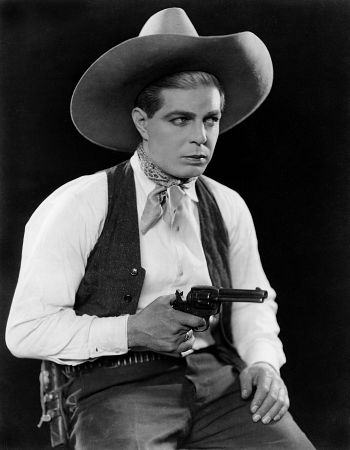
Hoot Gibson
actor, director, producer
- Birth name:
- Edmund Richard Gibson
- Born:
- 1892-08-06, Tekamah, Nebraska, USA
- Died:
- 1962-08-23, Woodland Hills, Los Angeles, California, USA
- Professions:
- actor, director, producer
Biography
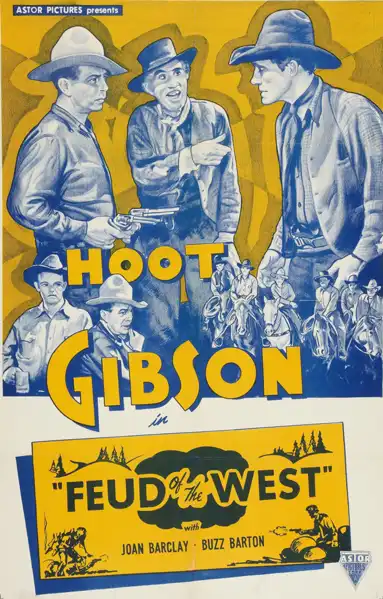
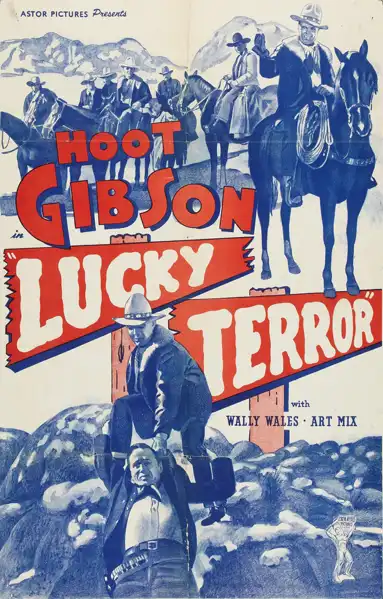
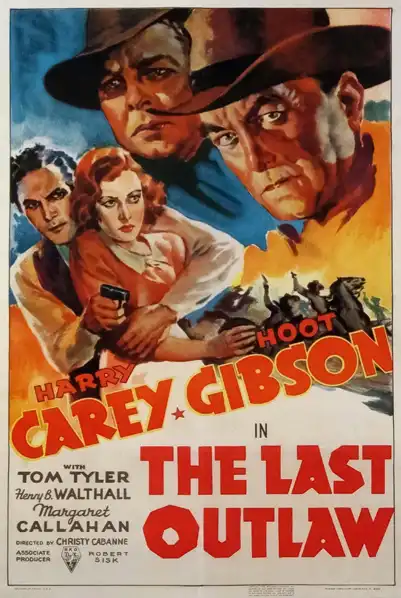
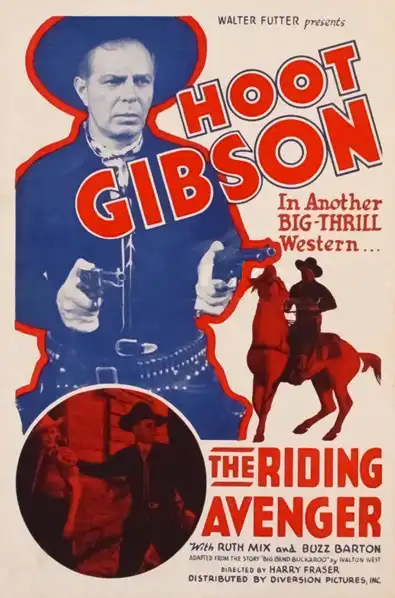
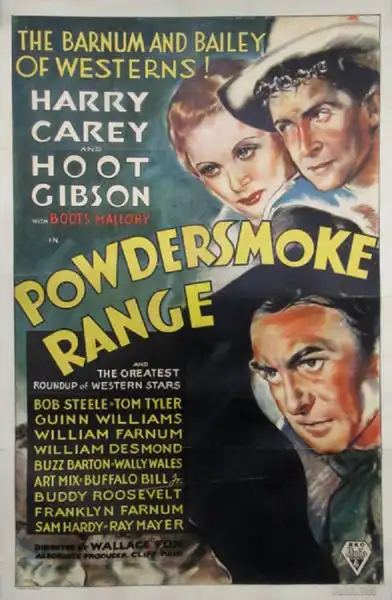
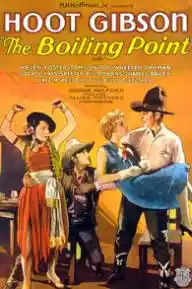
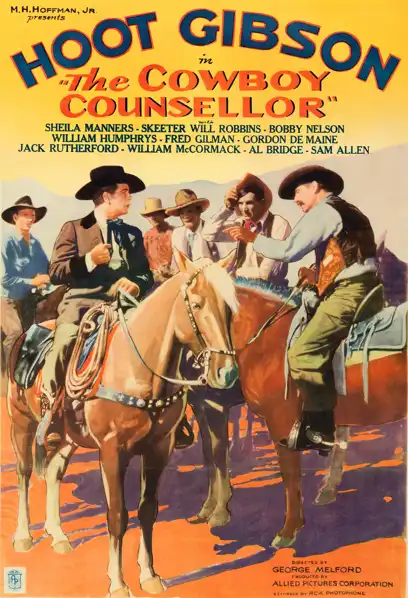
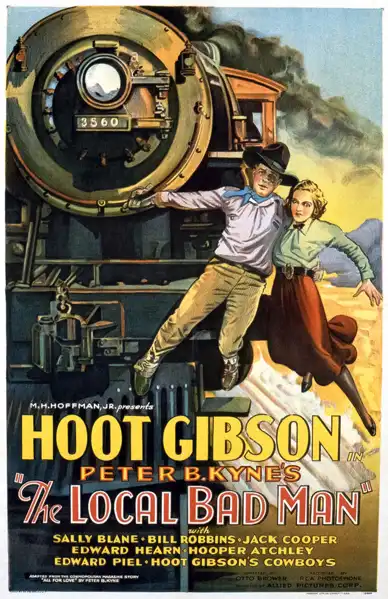
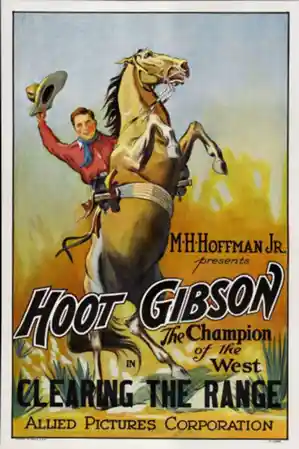
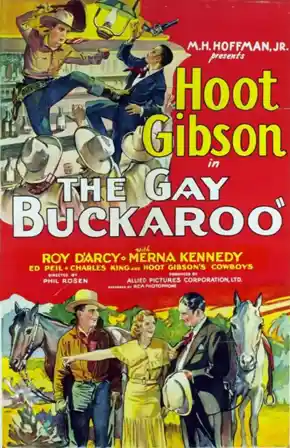
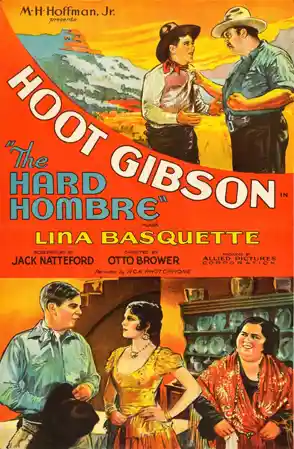
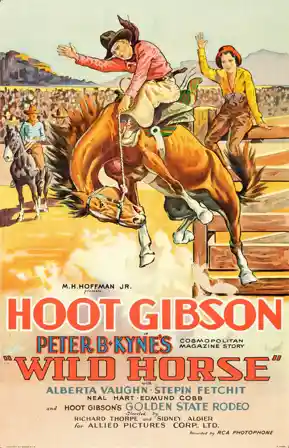
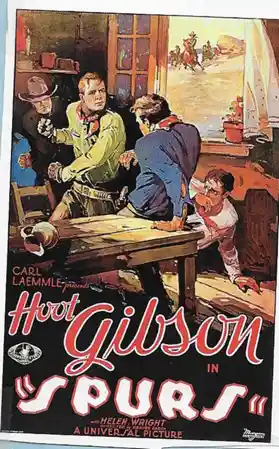
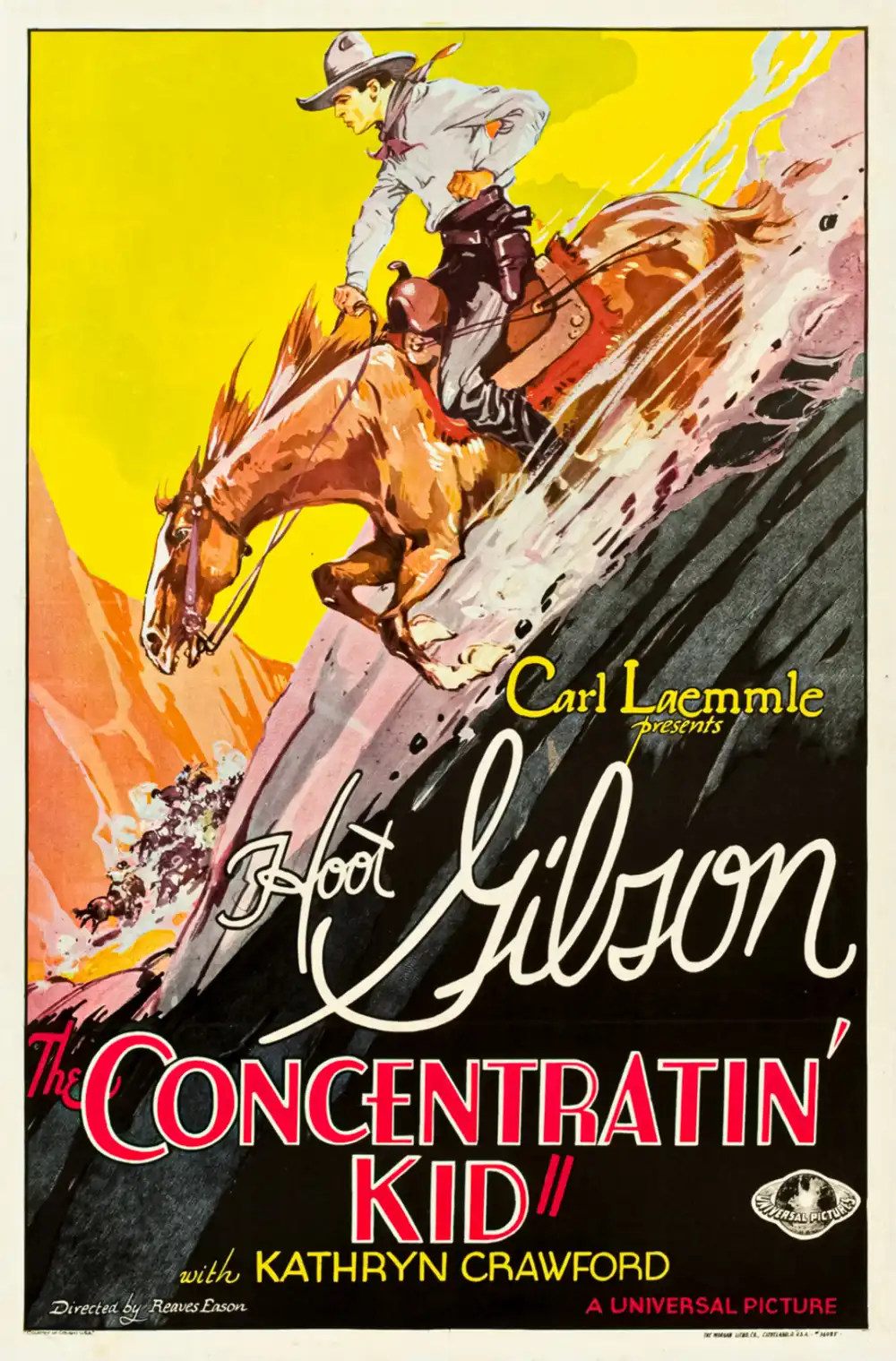
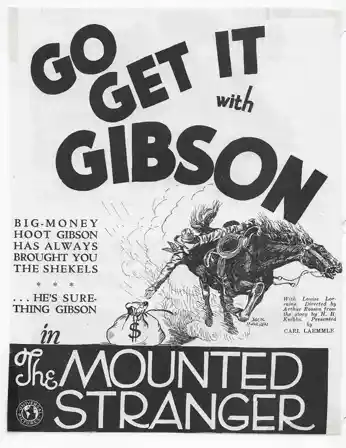
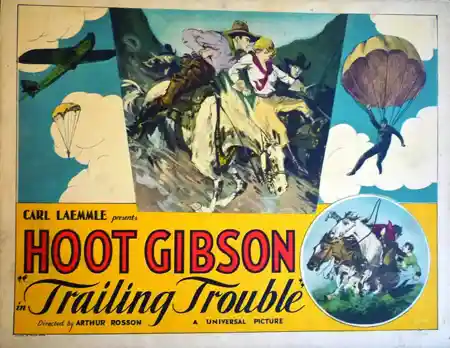
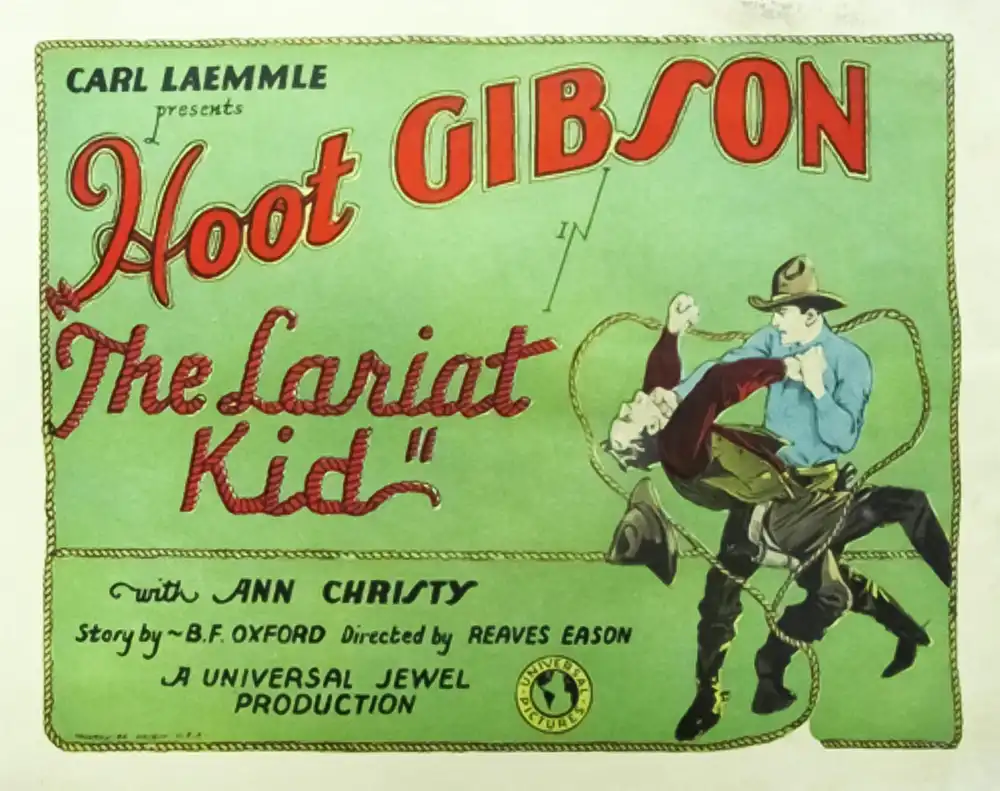
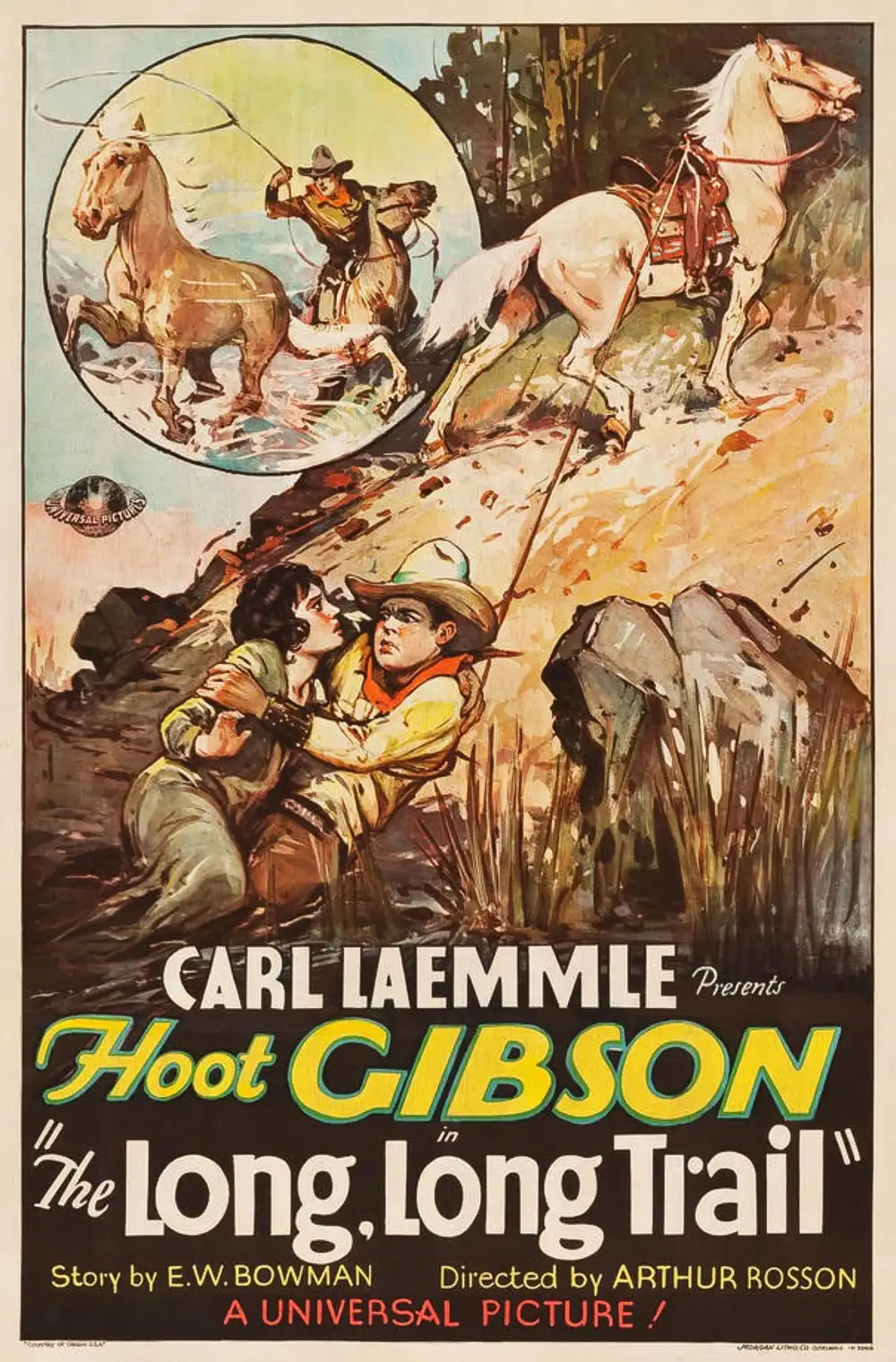
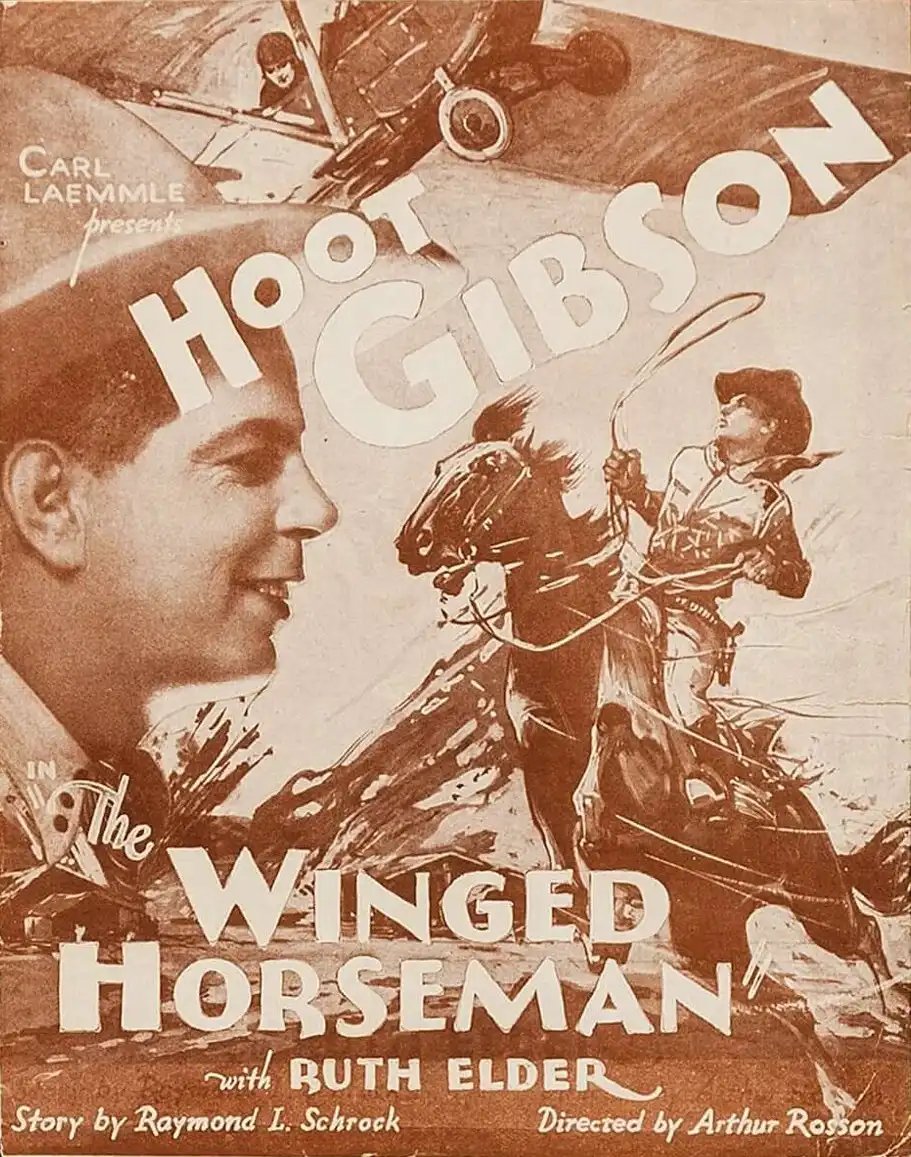
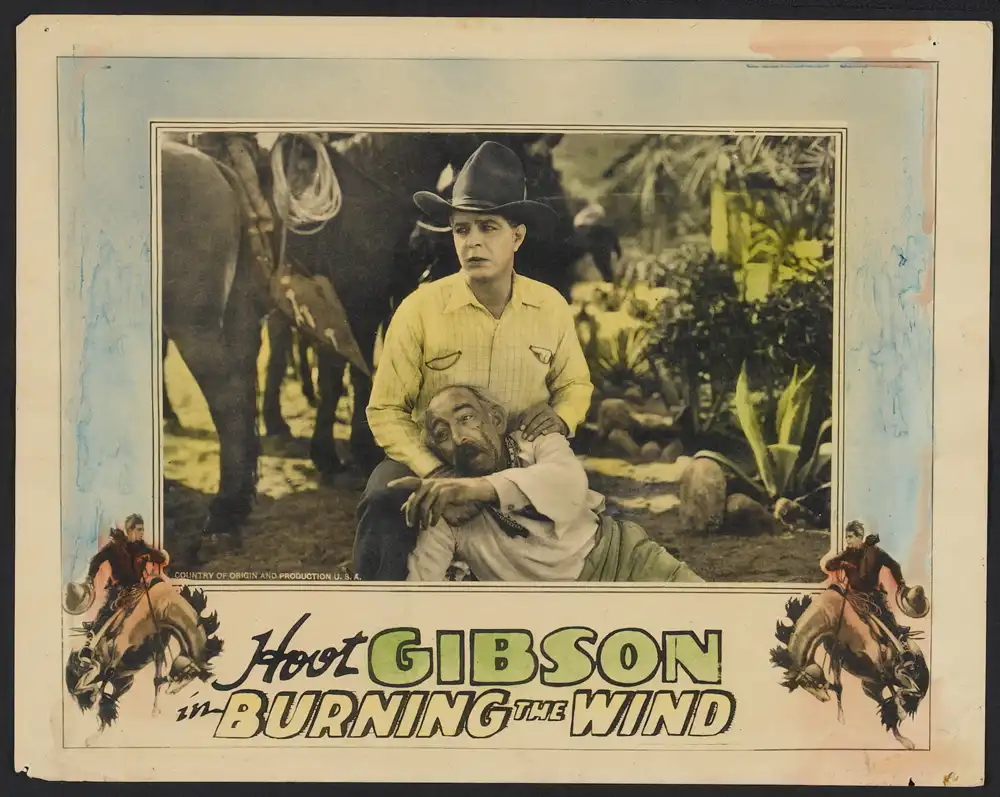
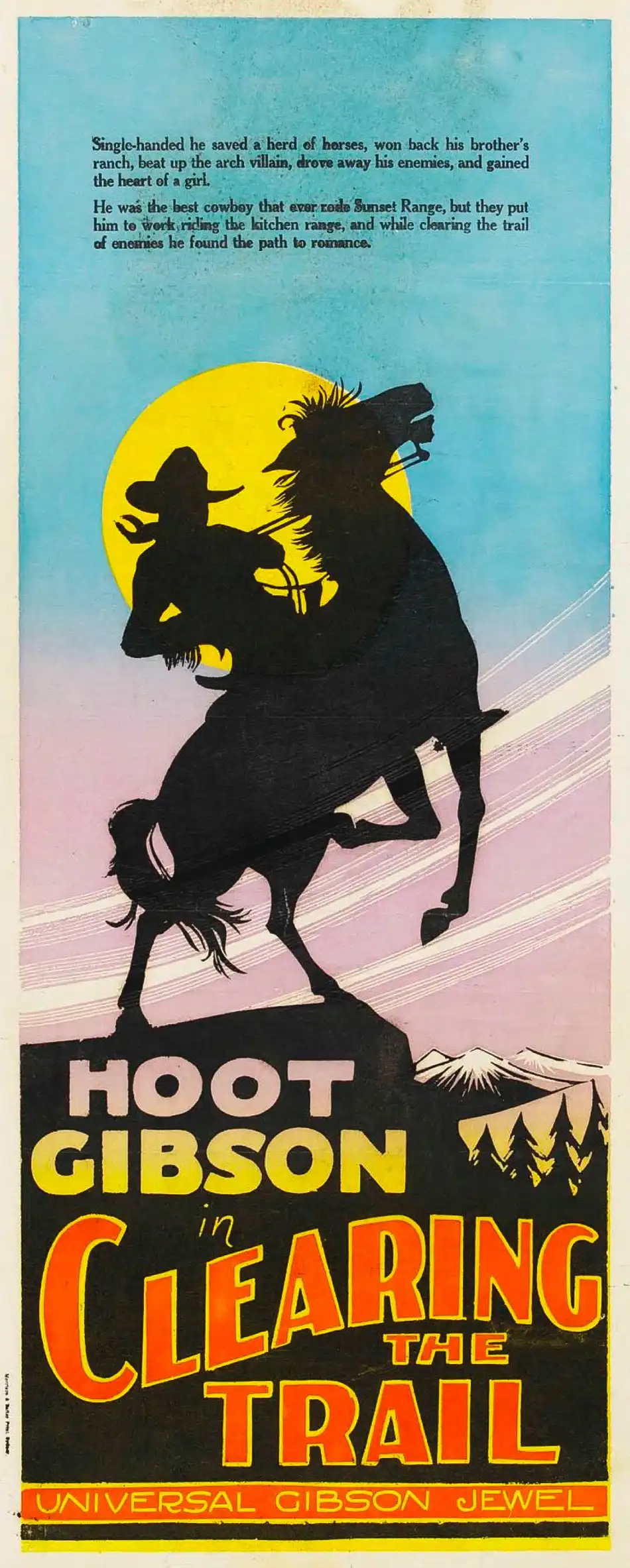
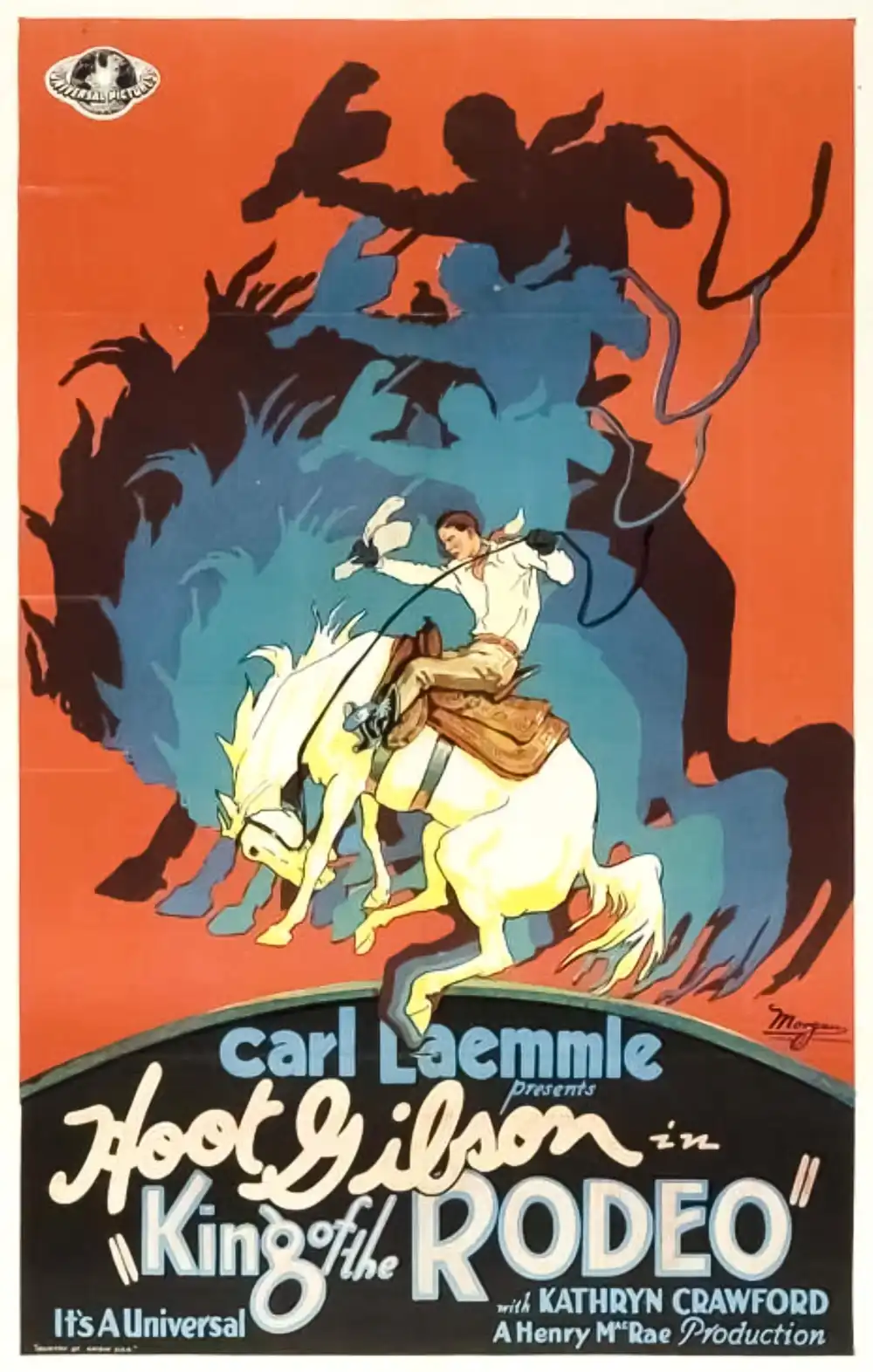
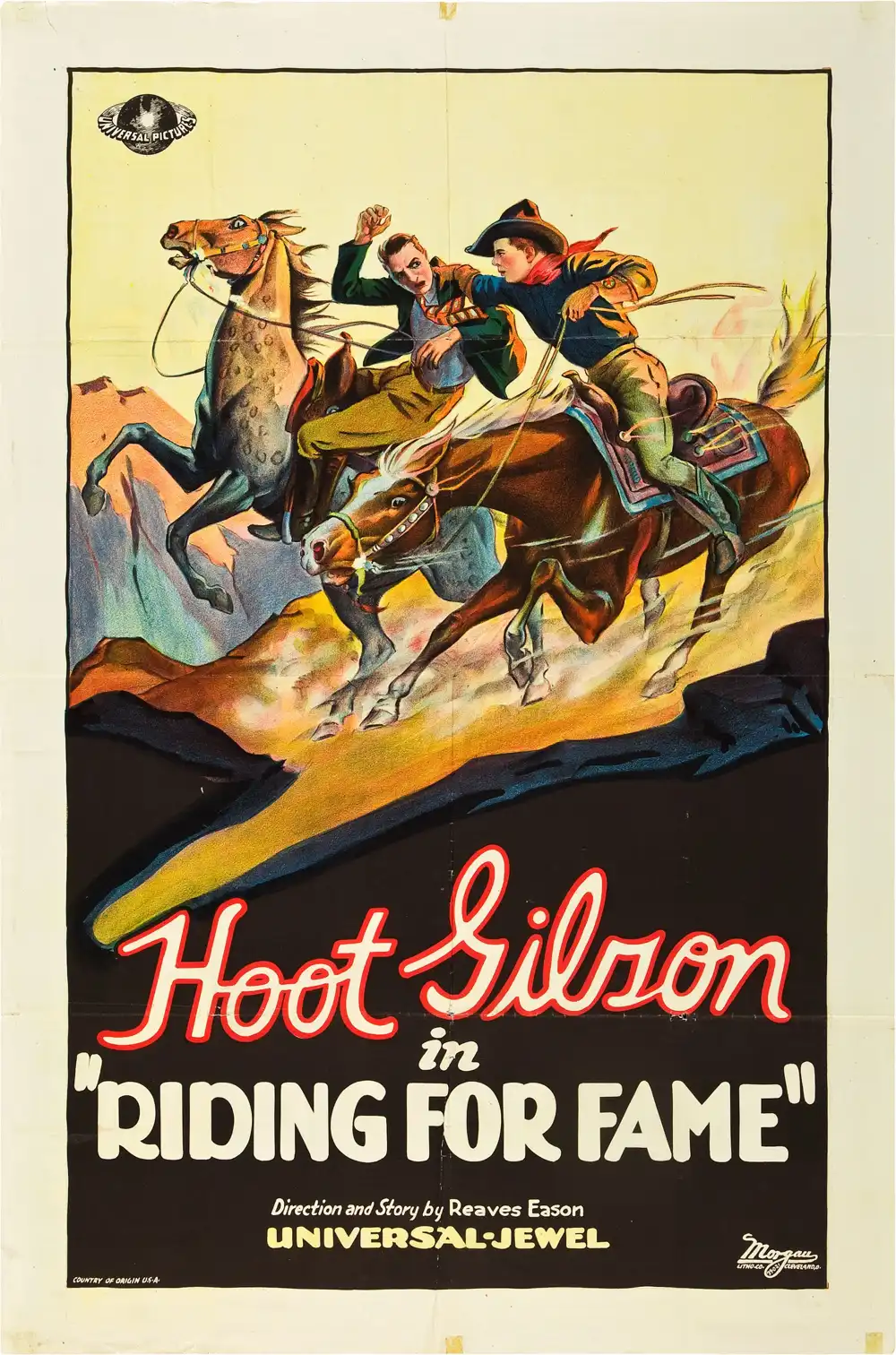
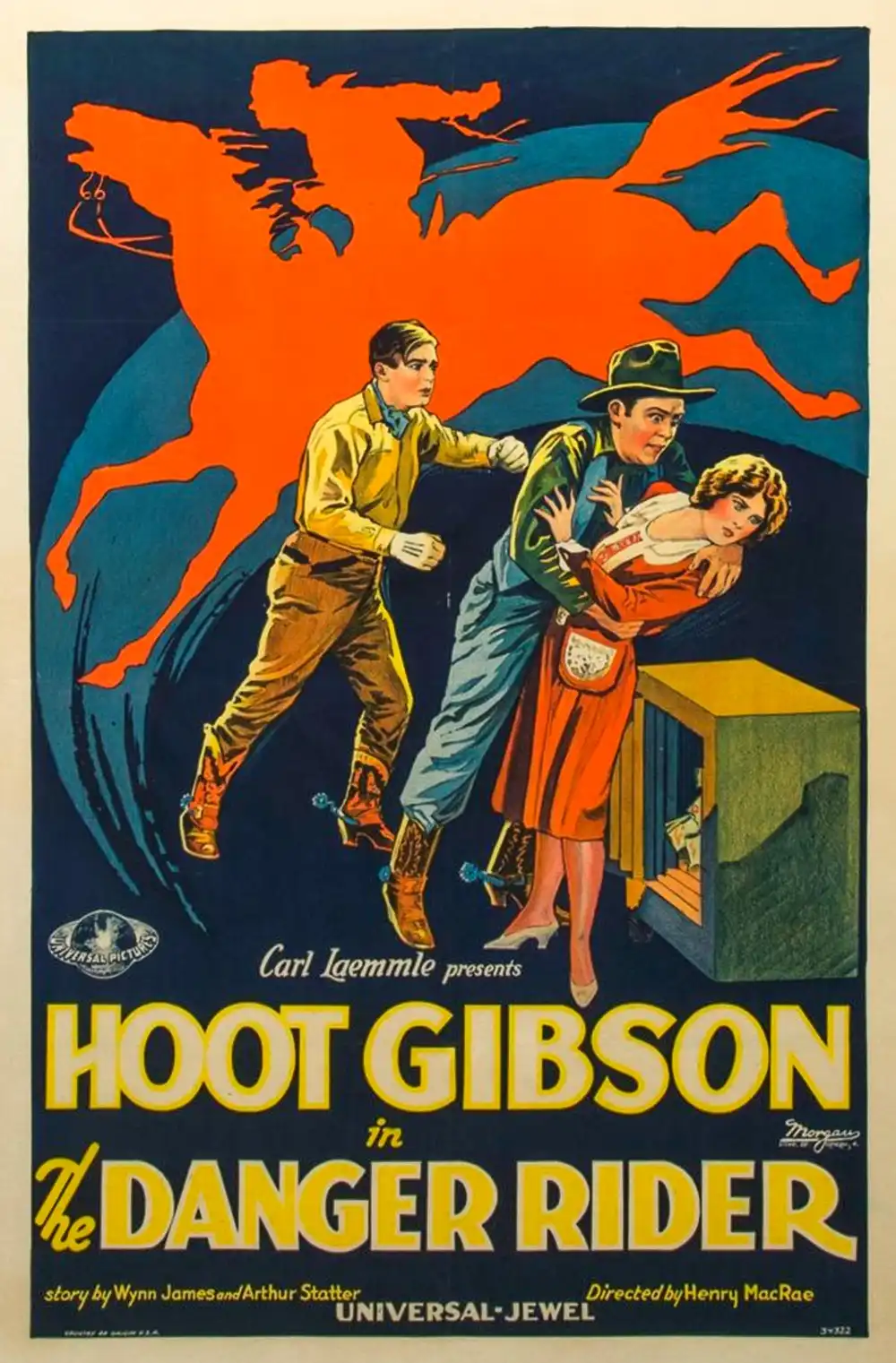
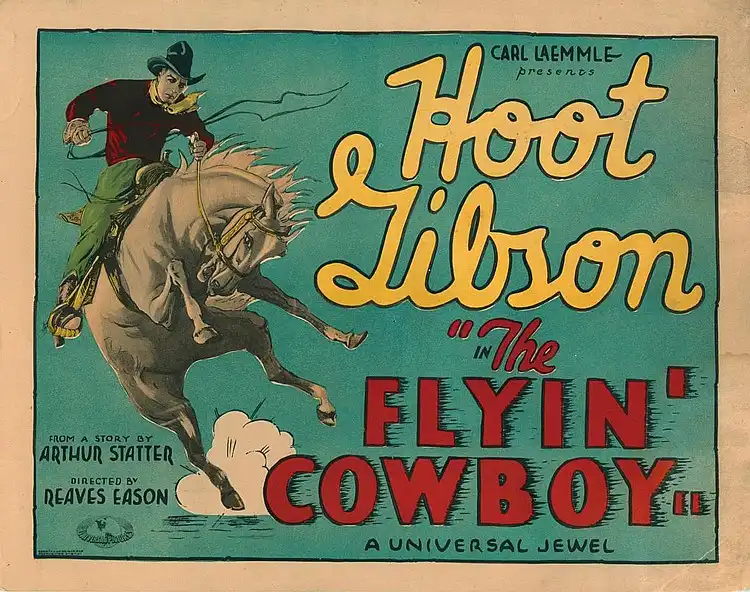
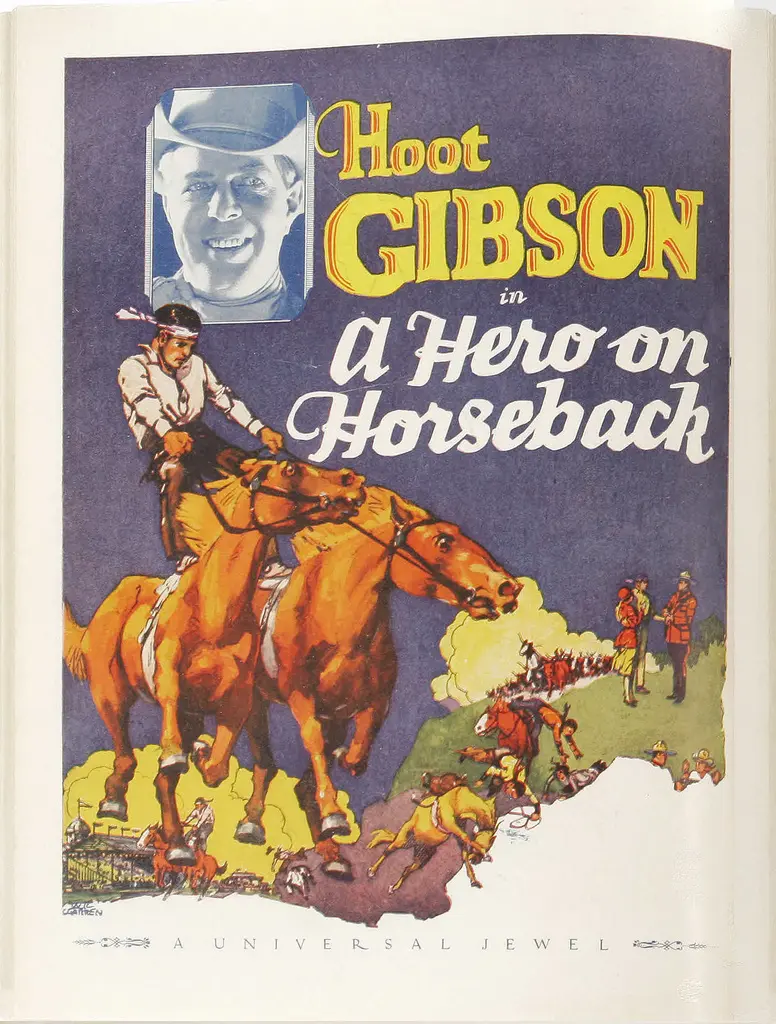
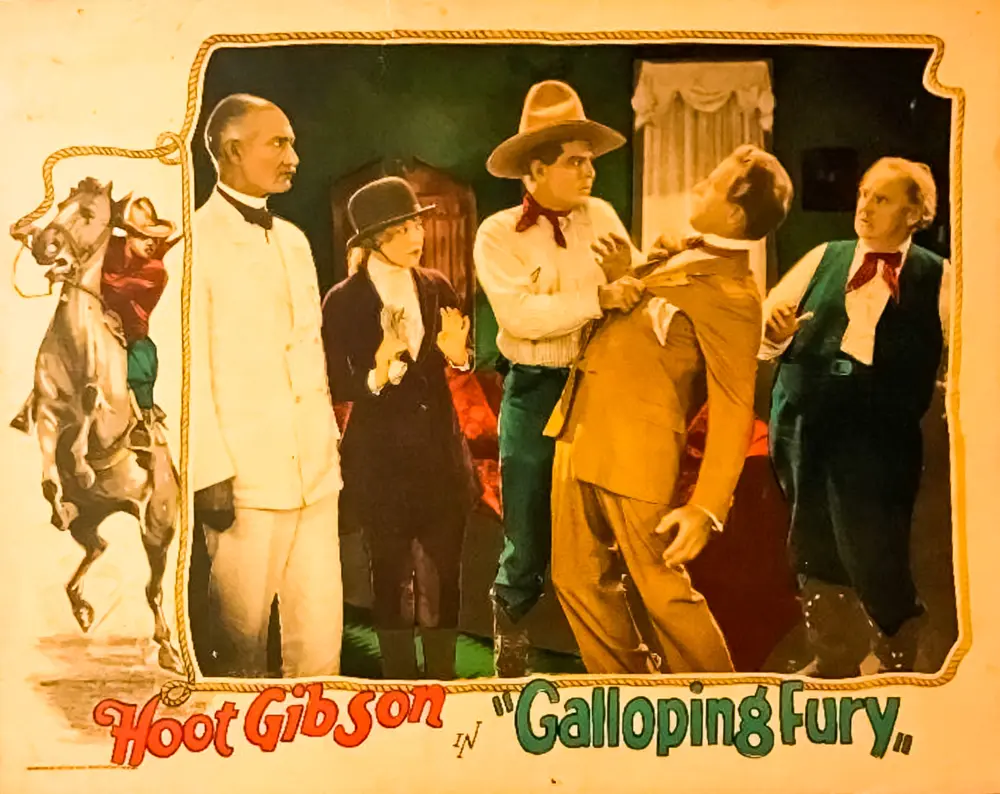
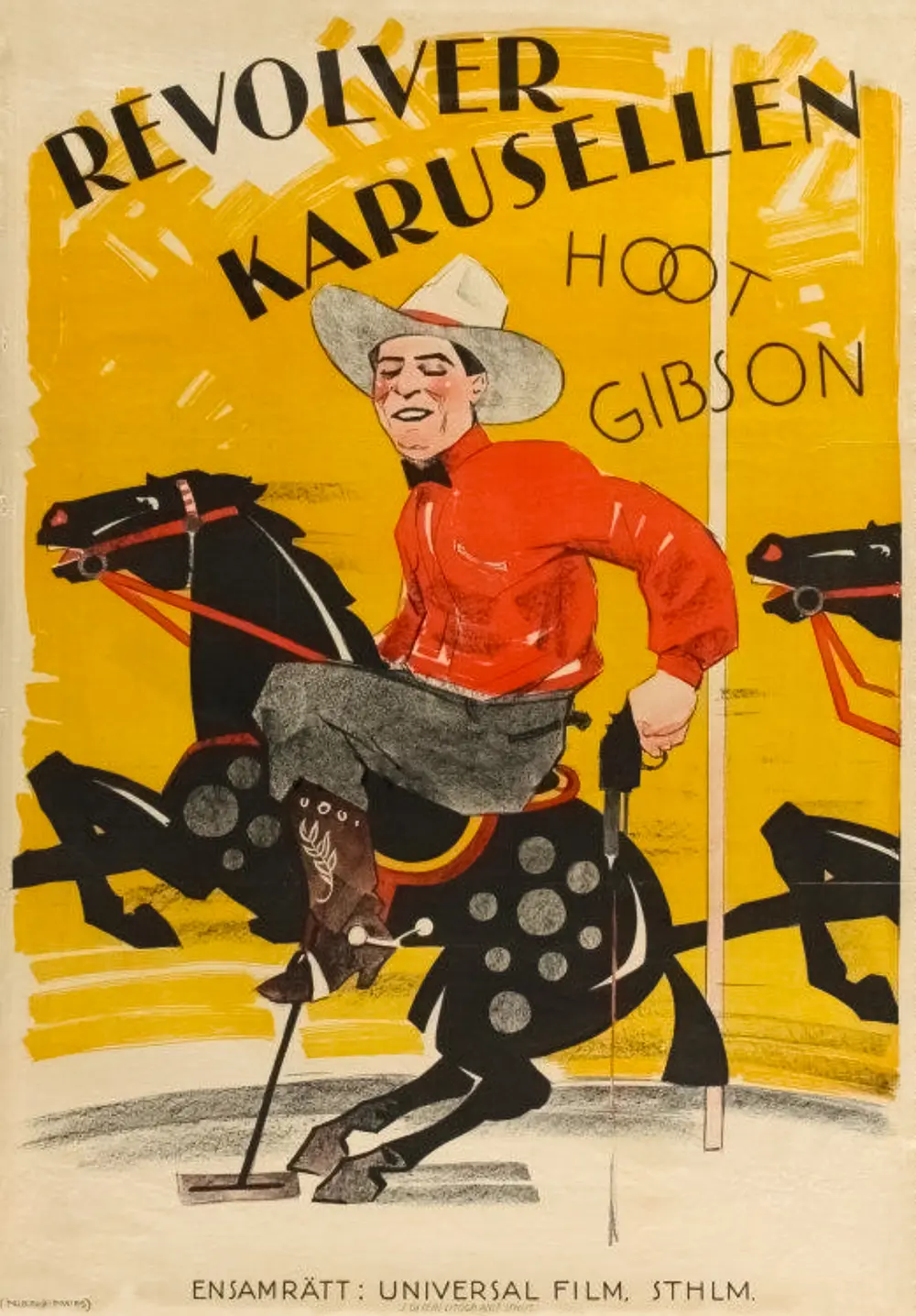
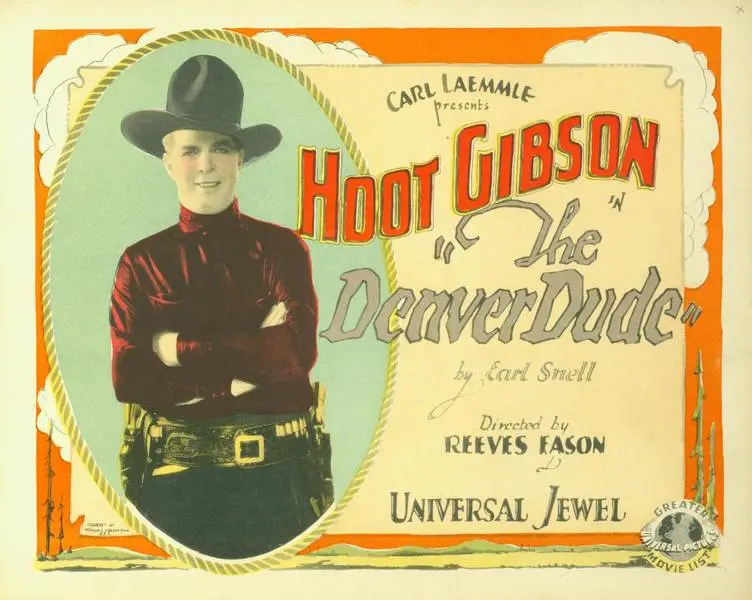
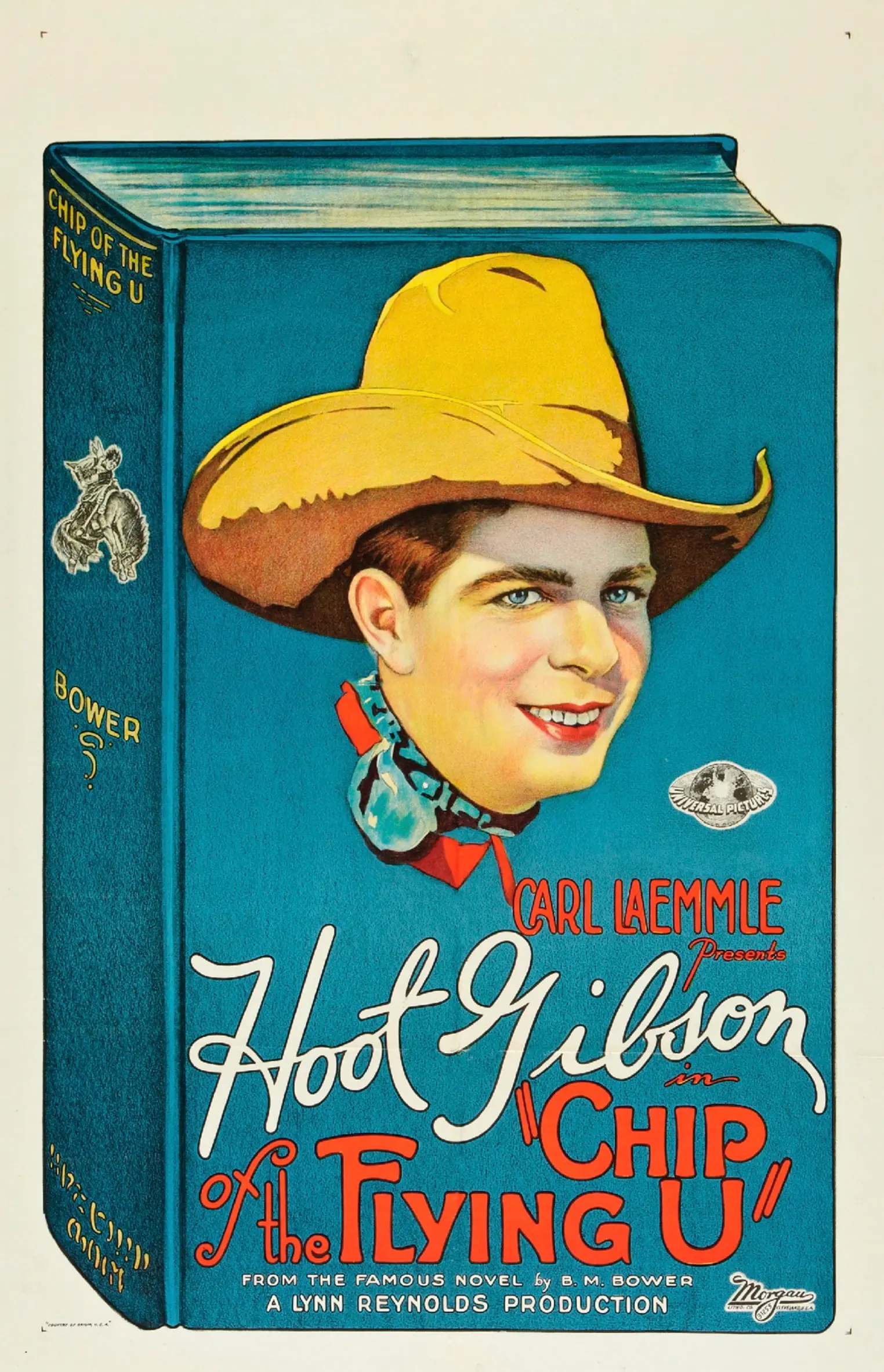
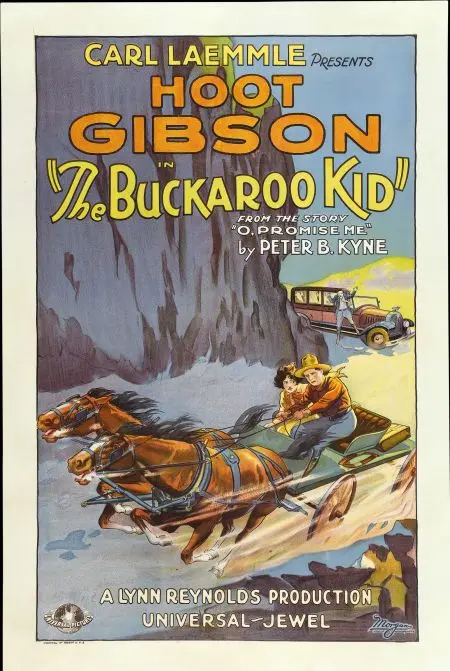
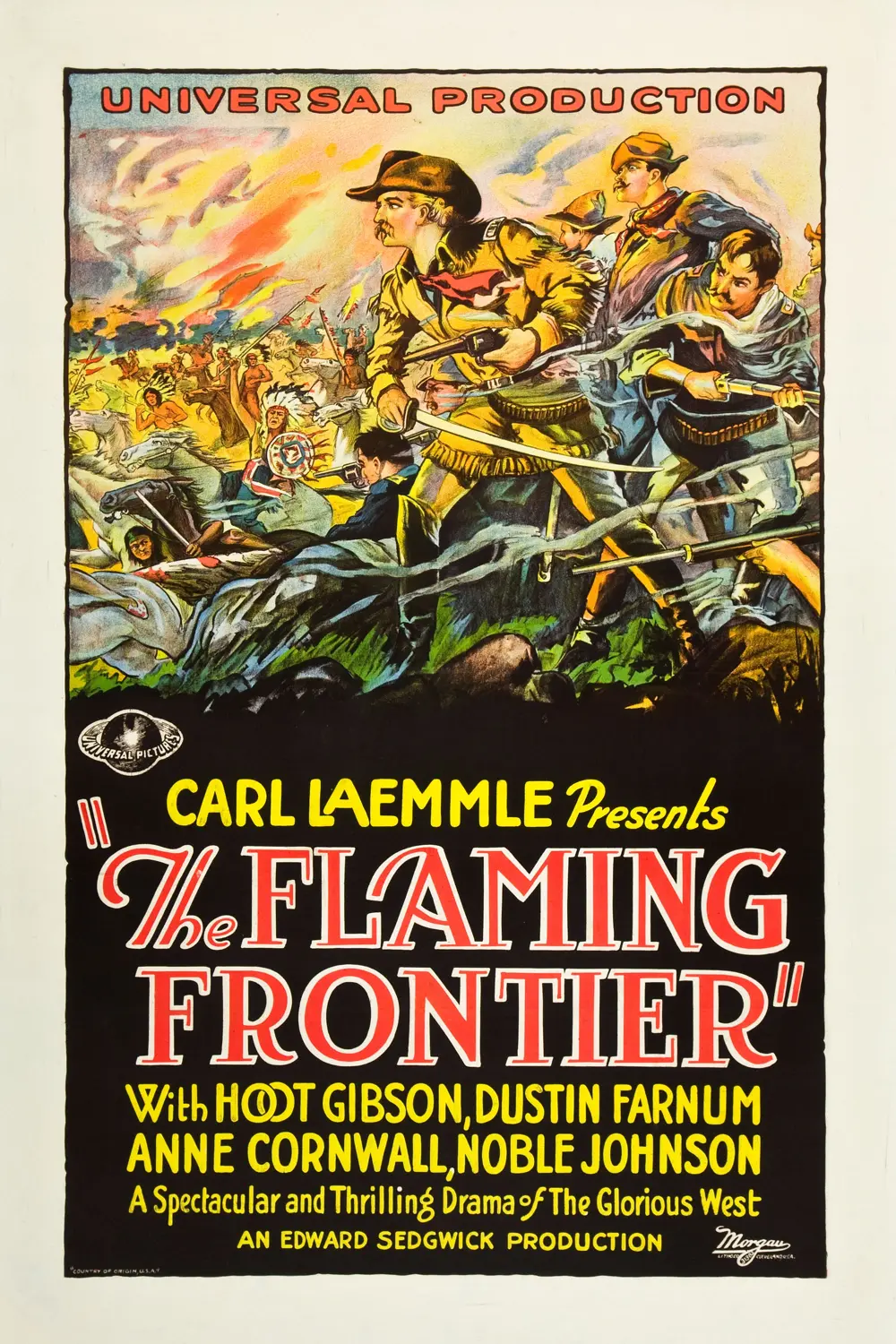
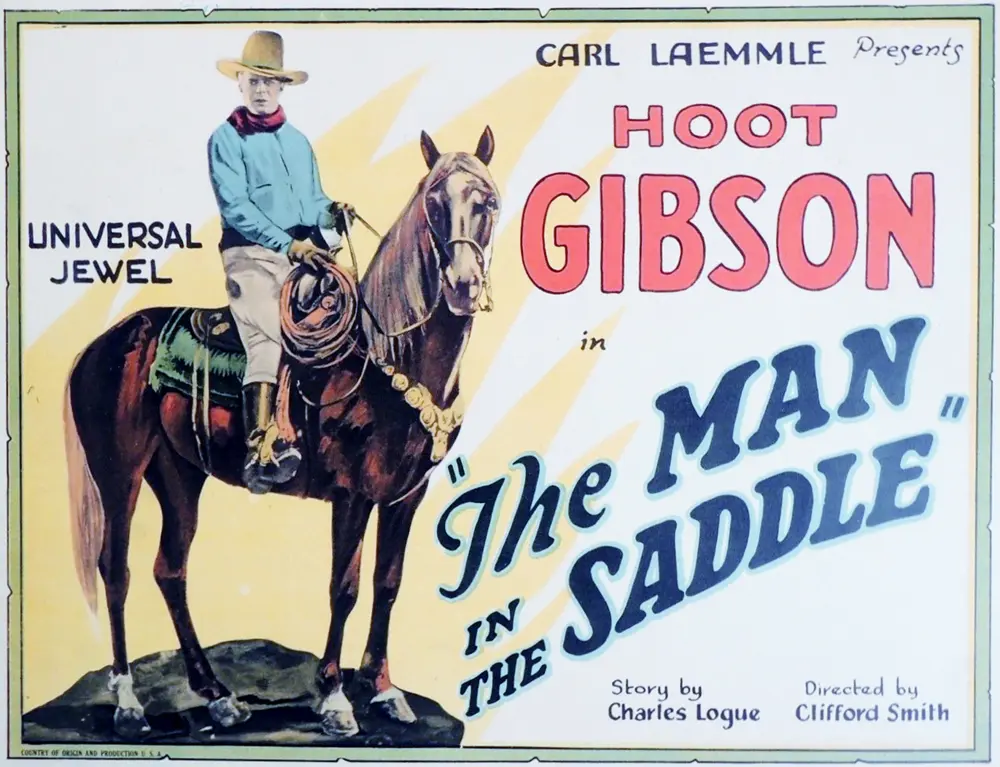
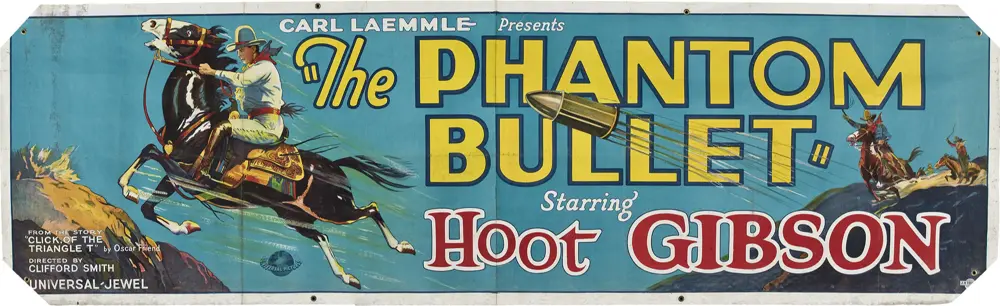
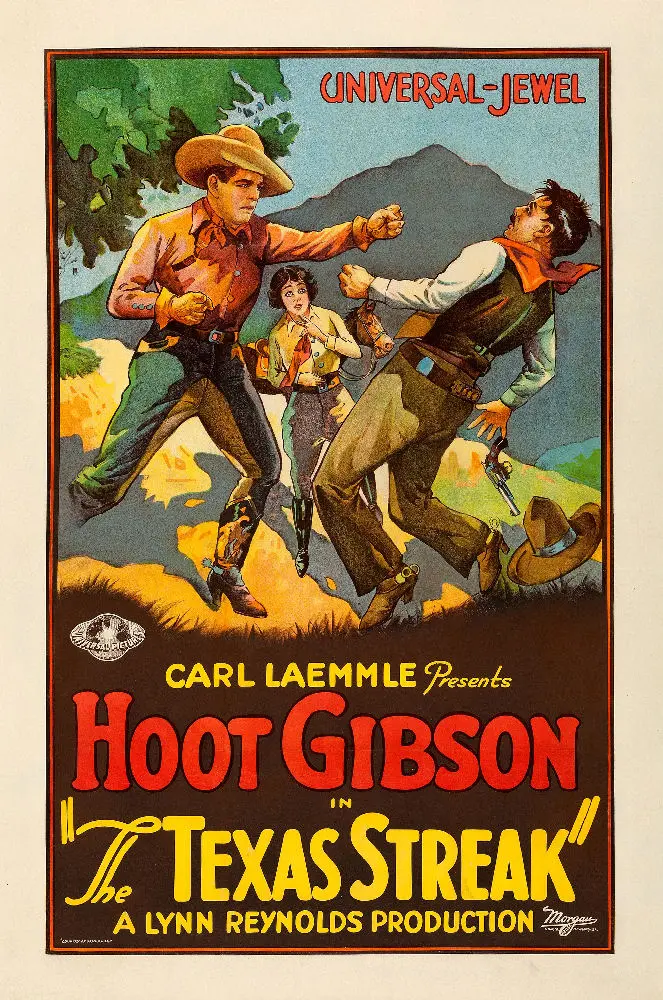
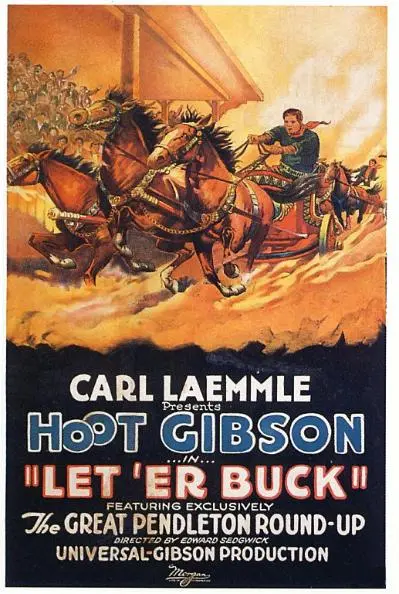
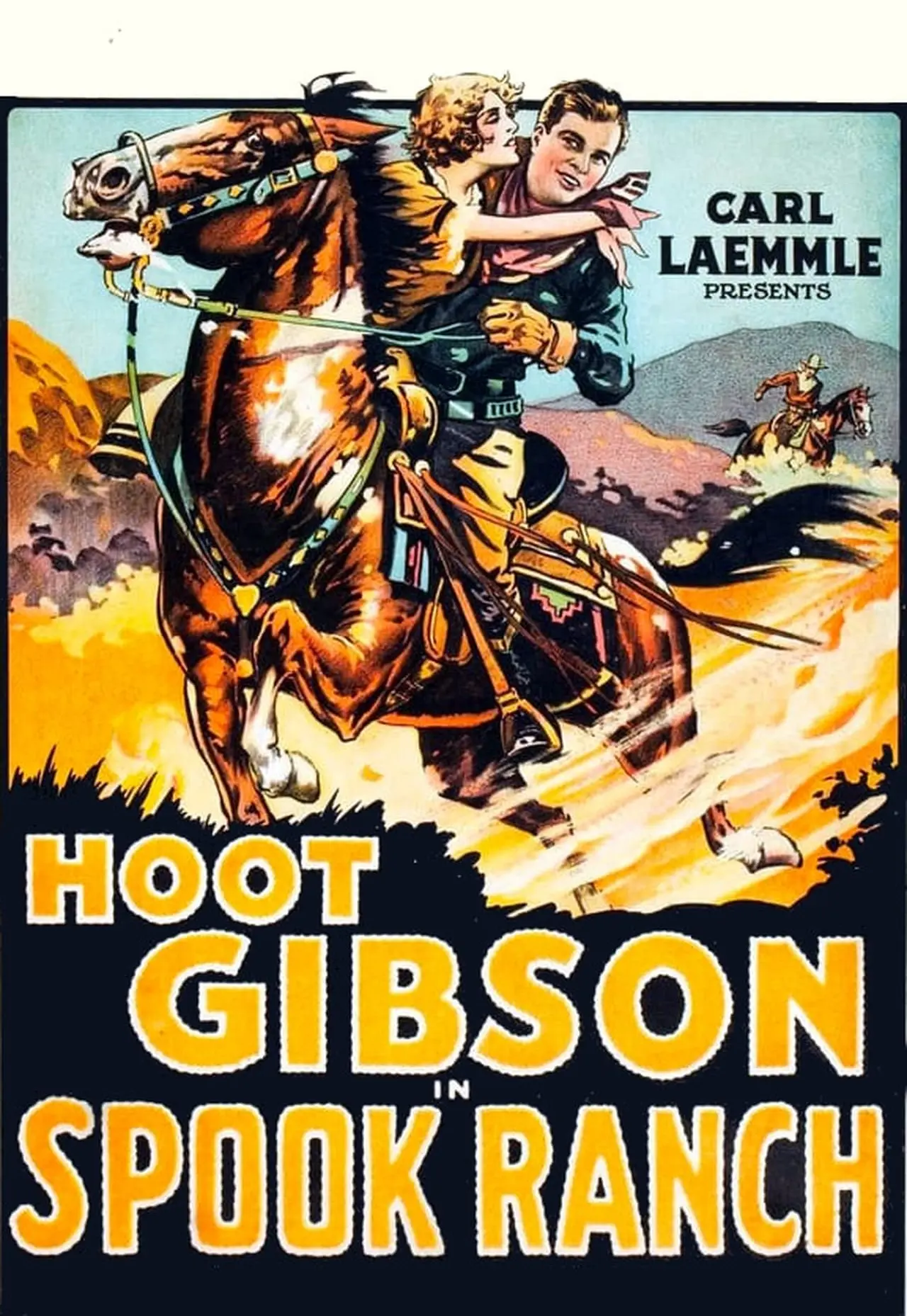
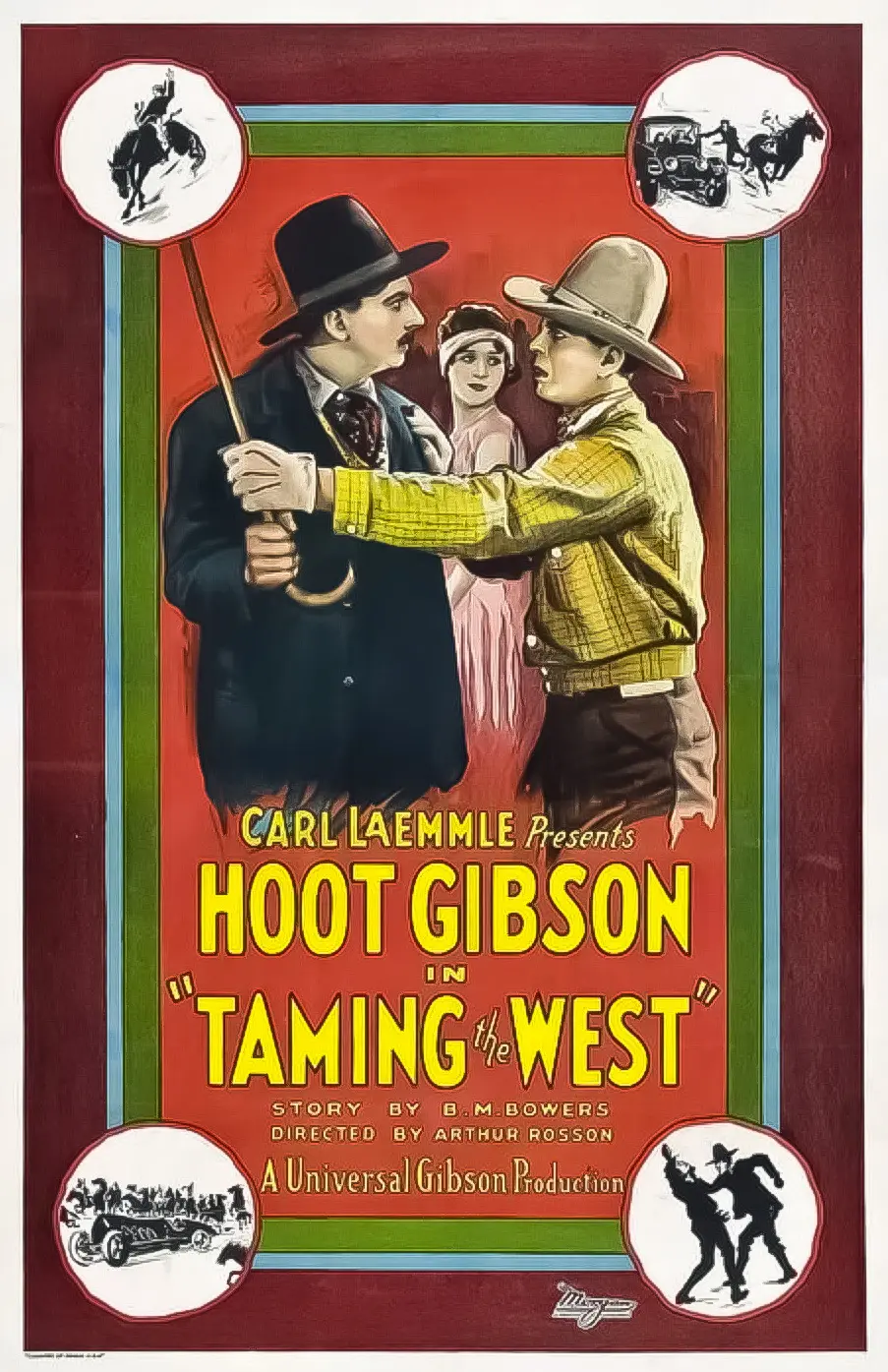
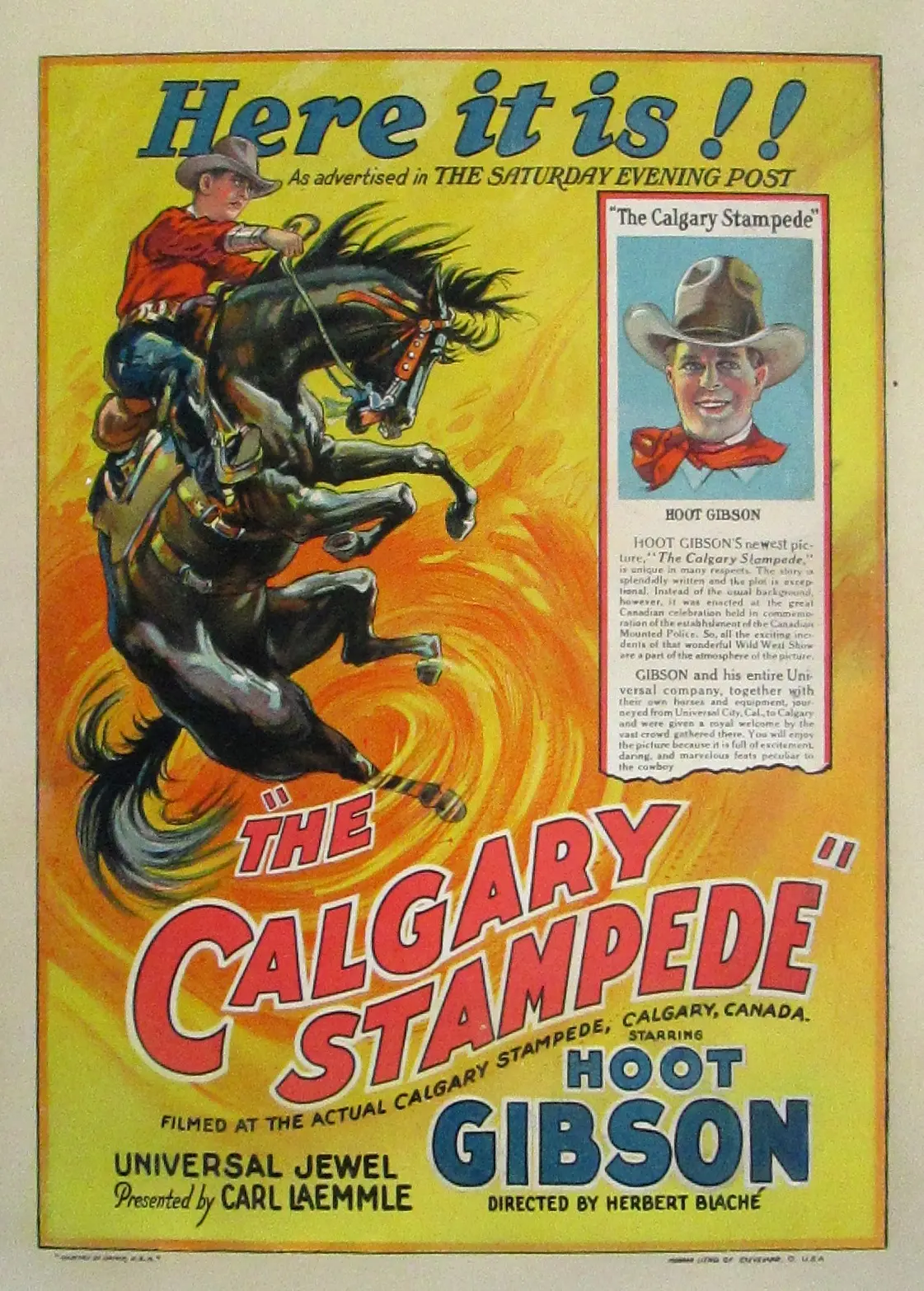
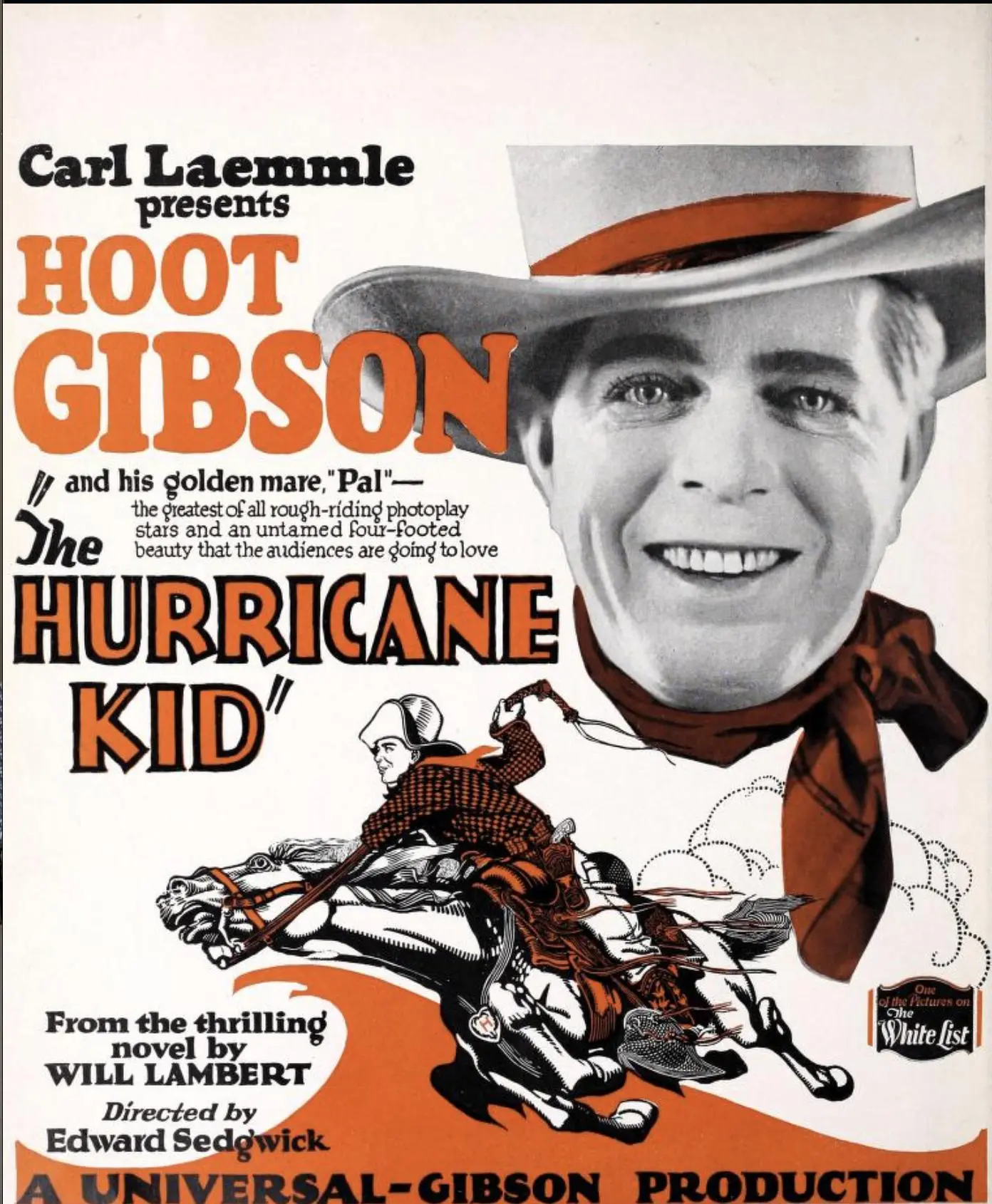
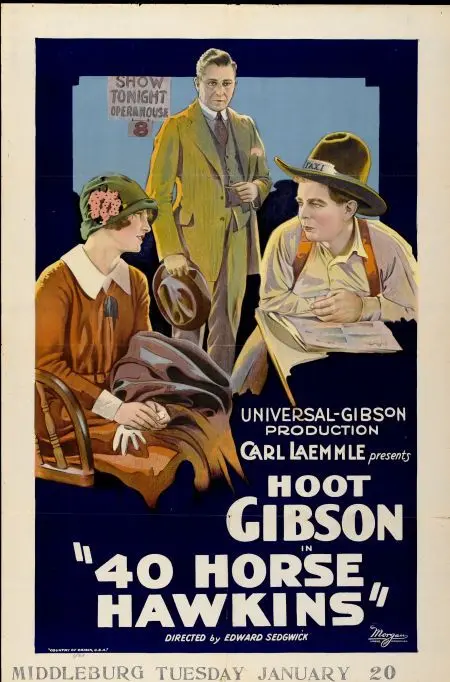
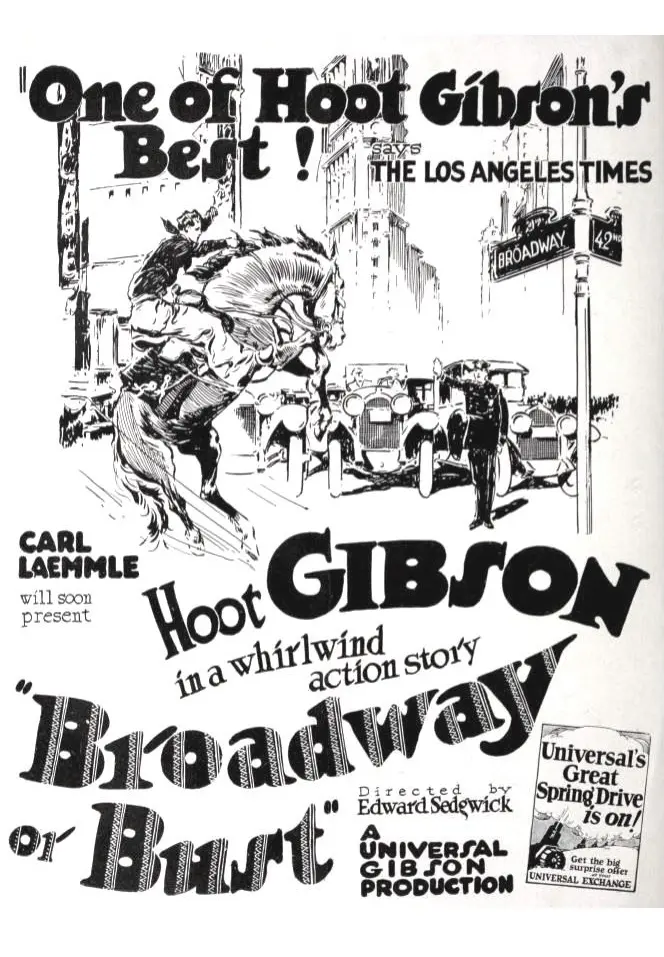
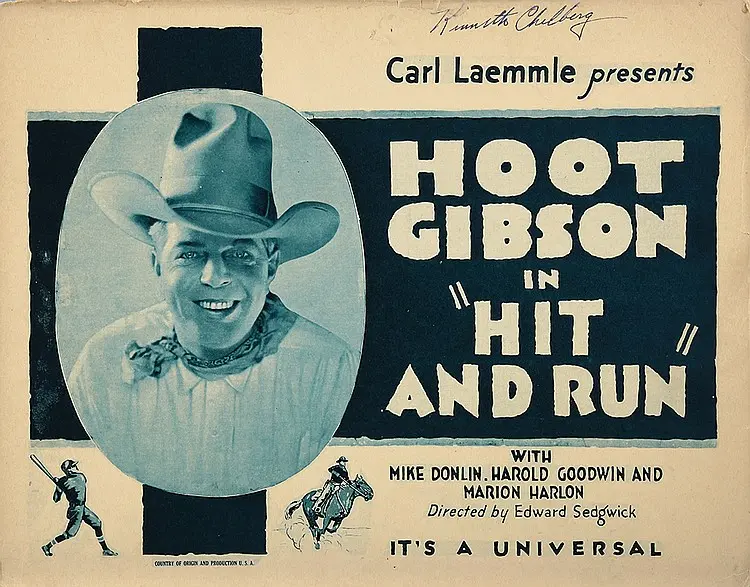
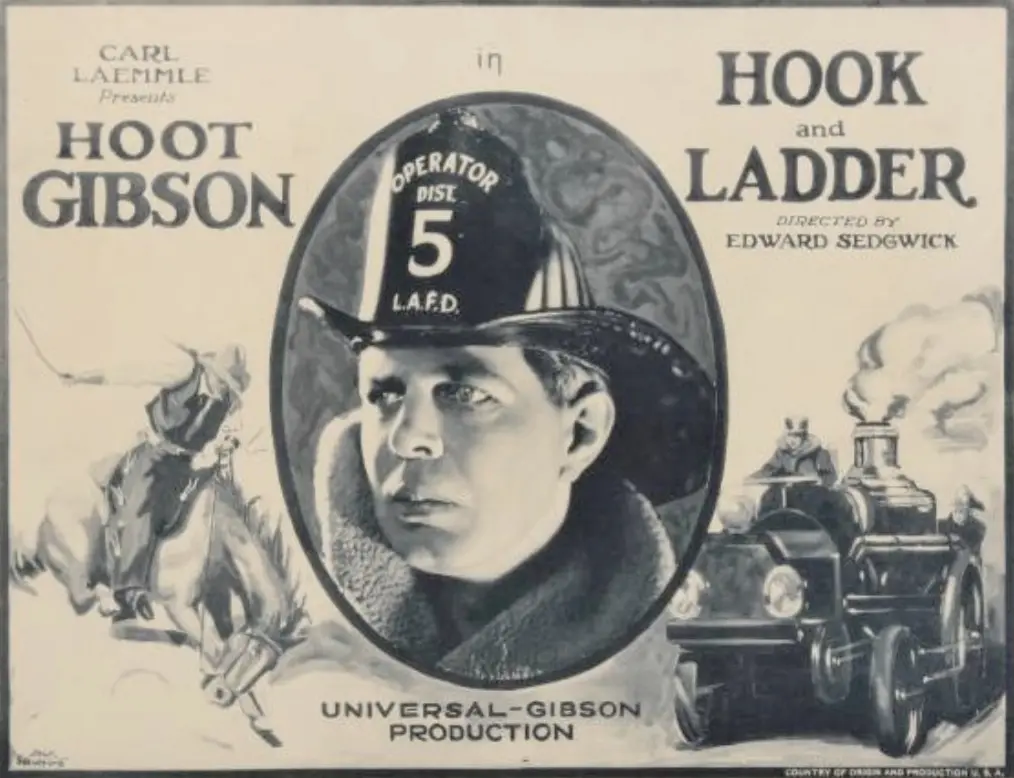
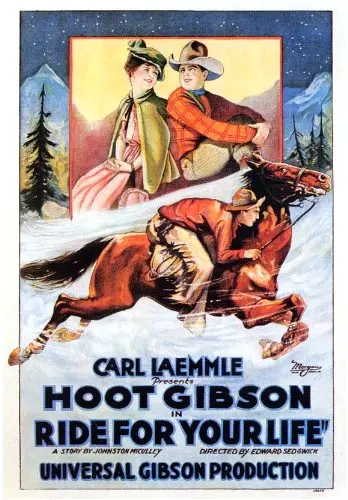
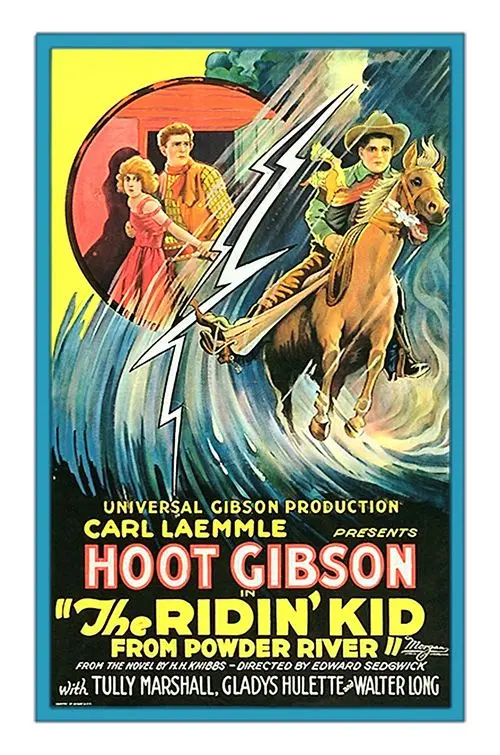
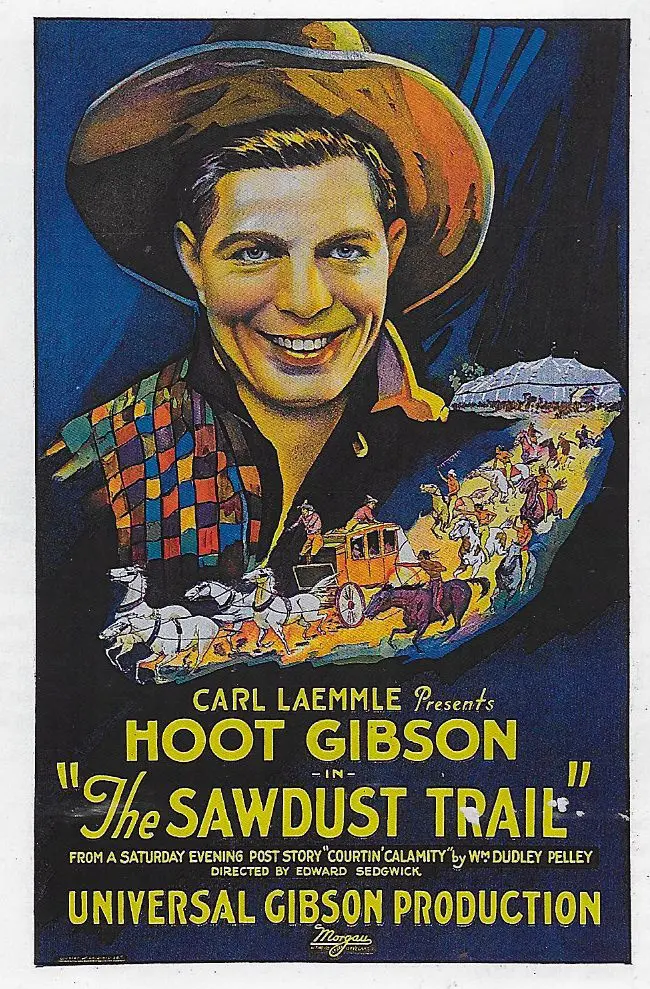
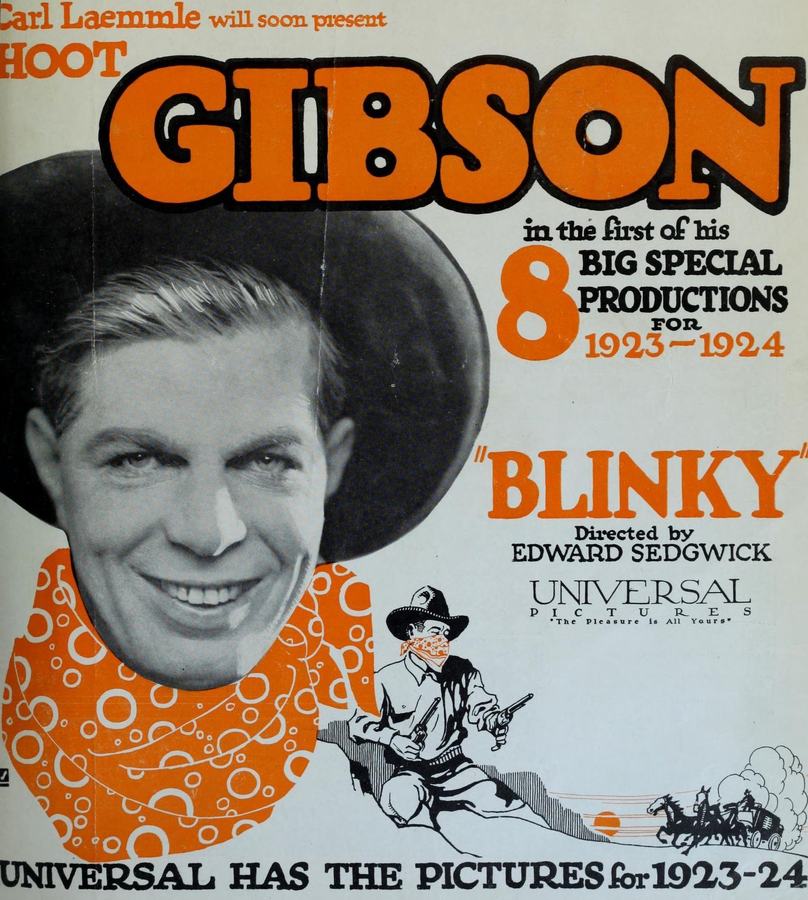
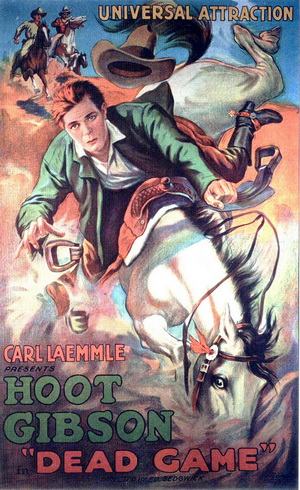
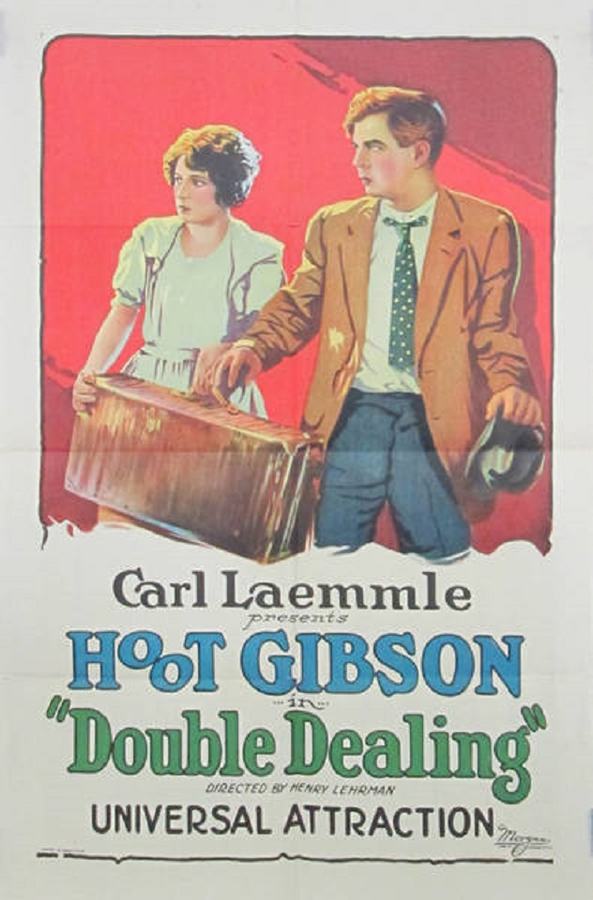
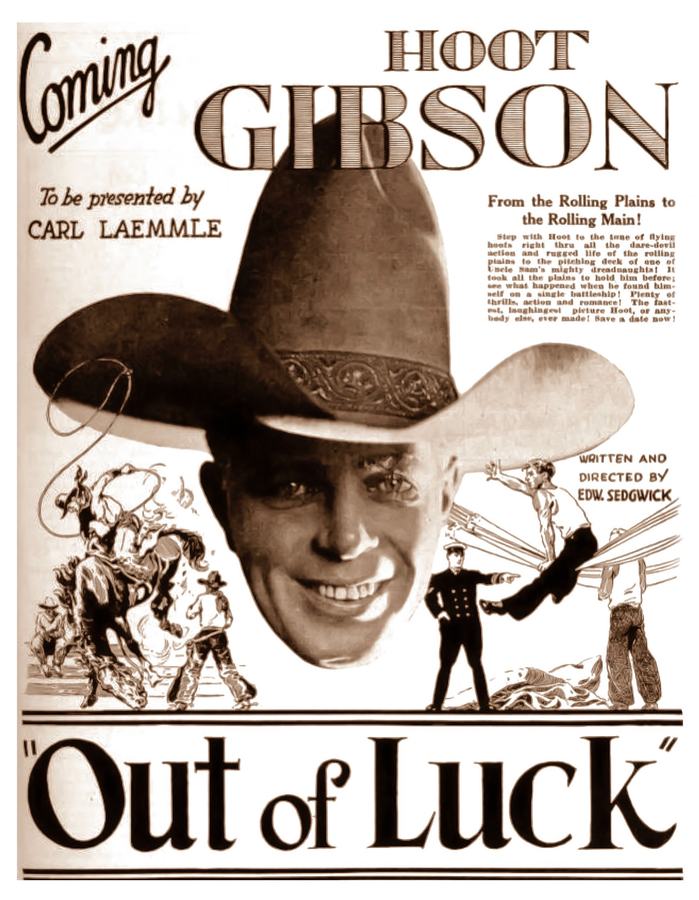
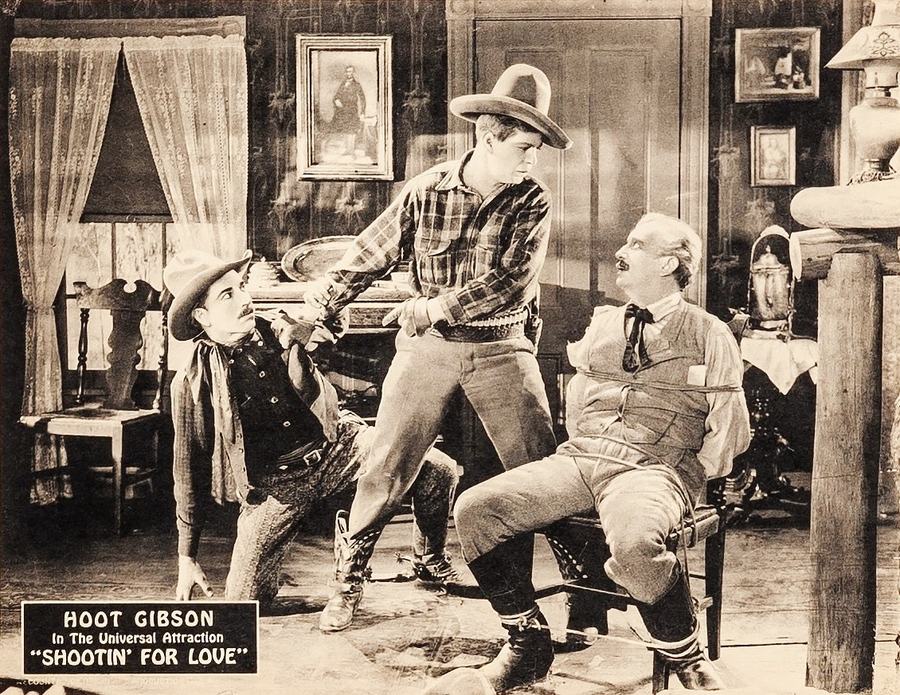
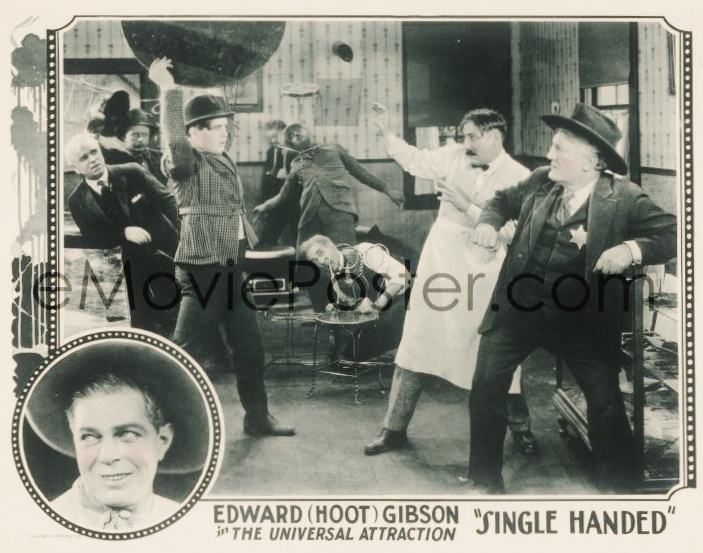
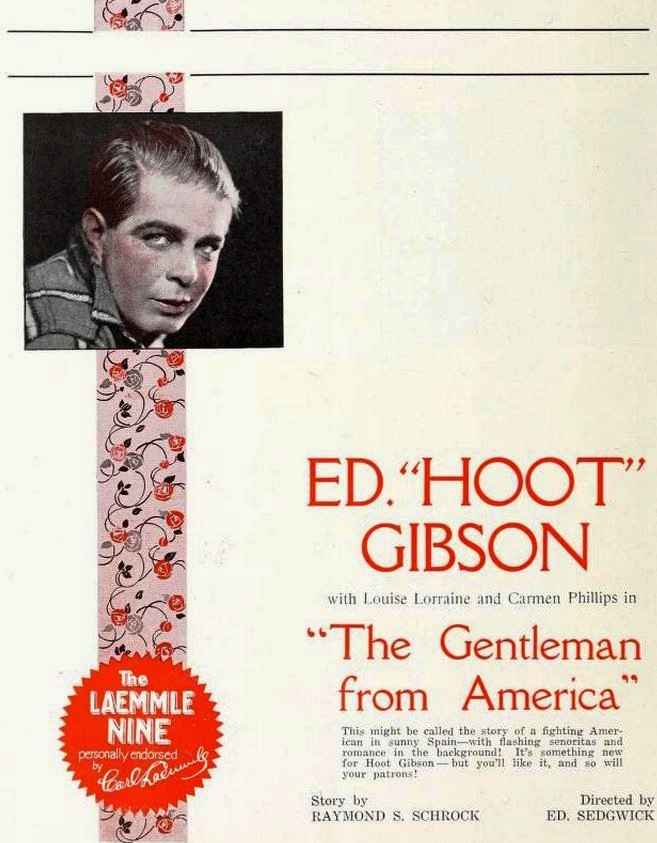
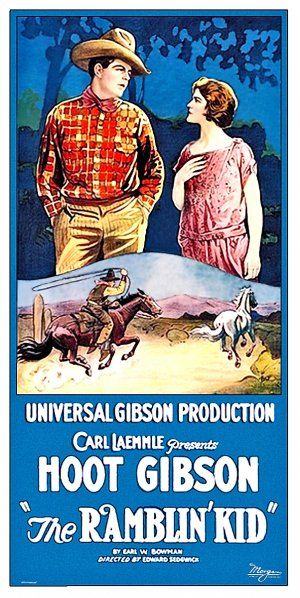
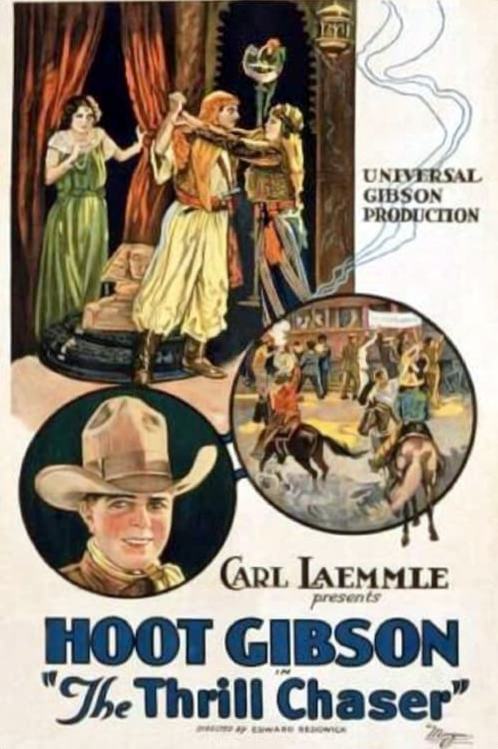
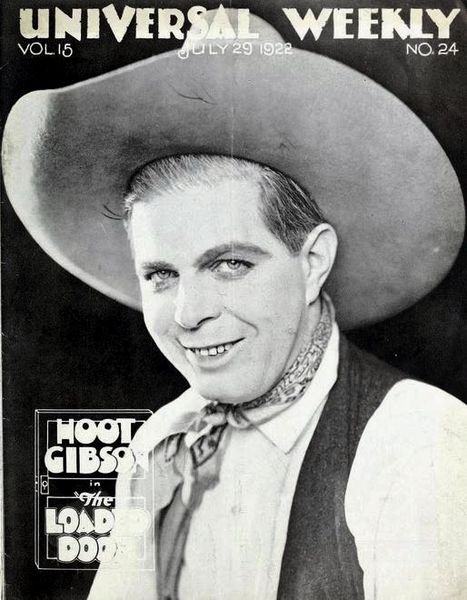
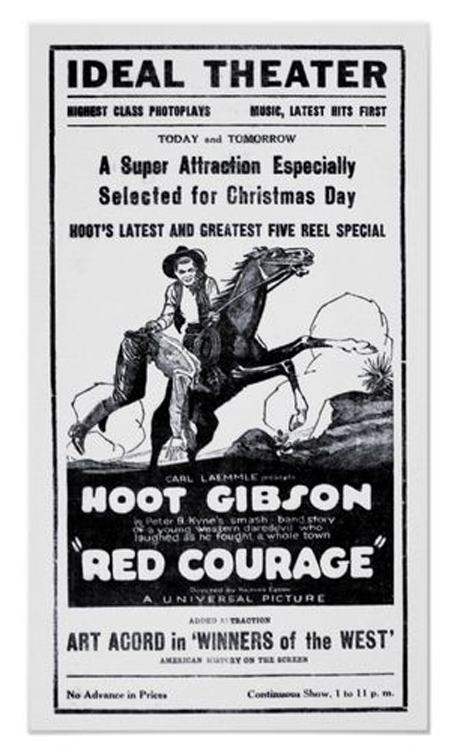
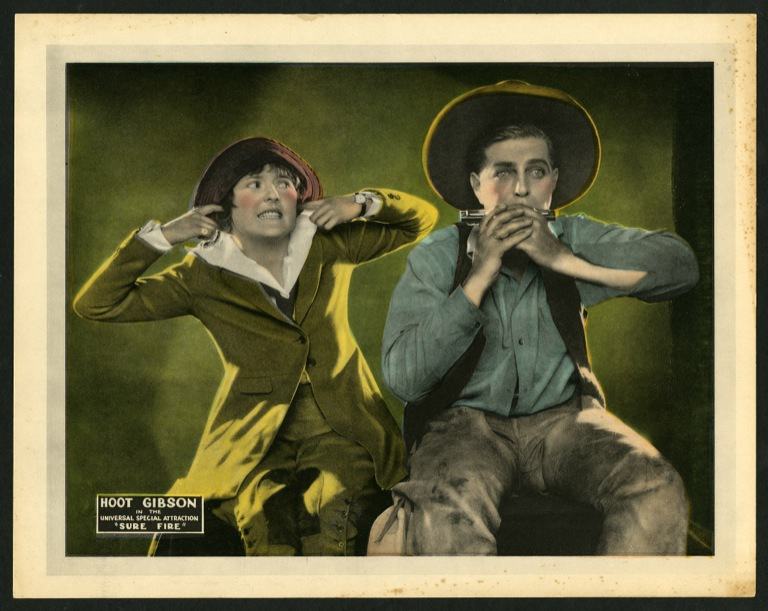
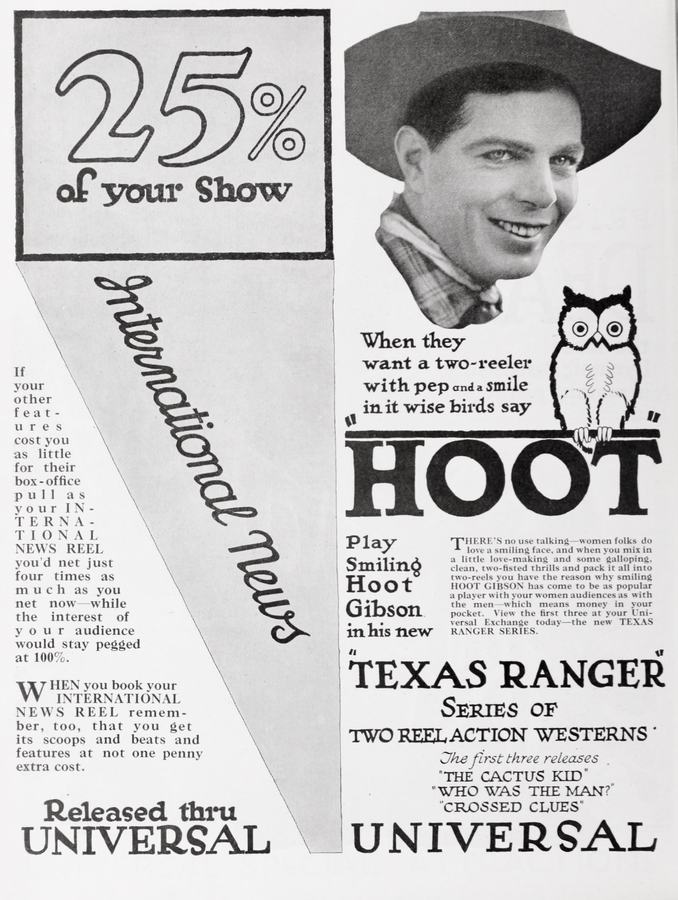
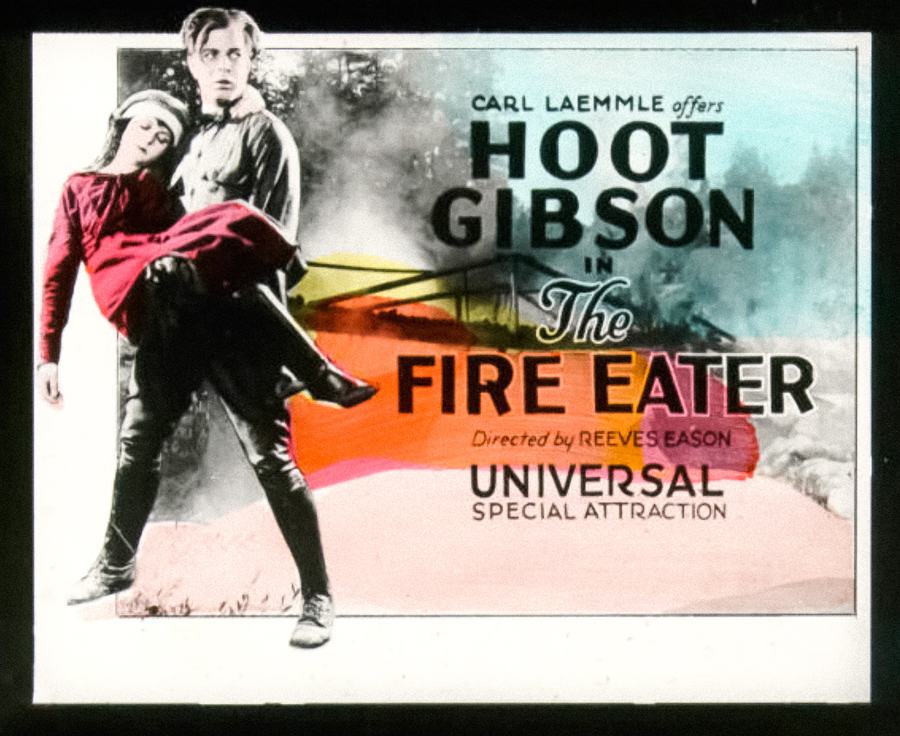
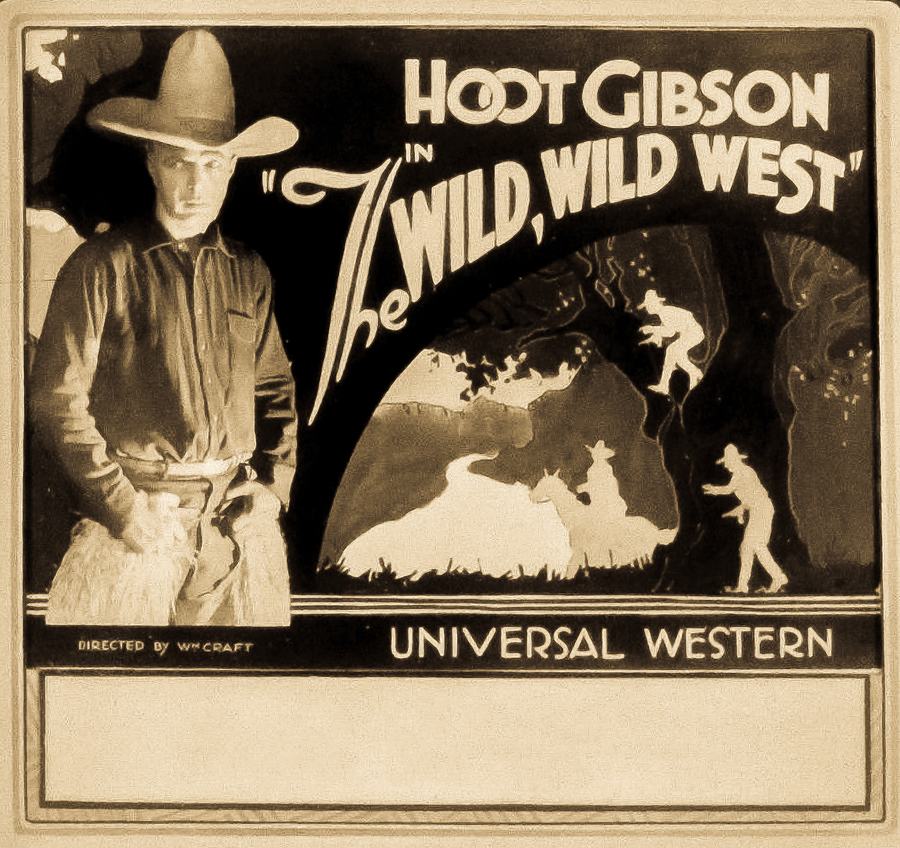
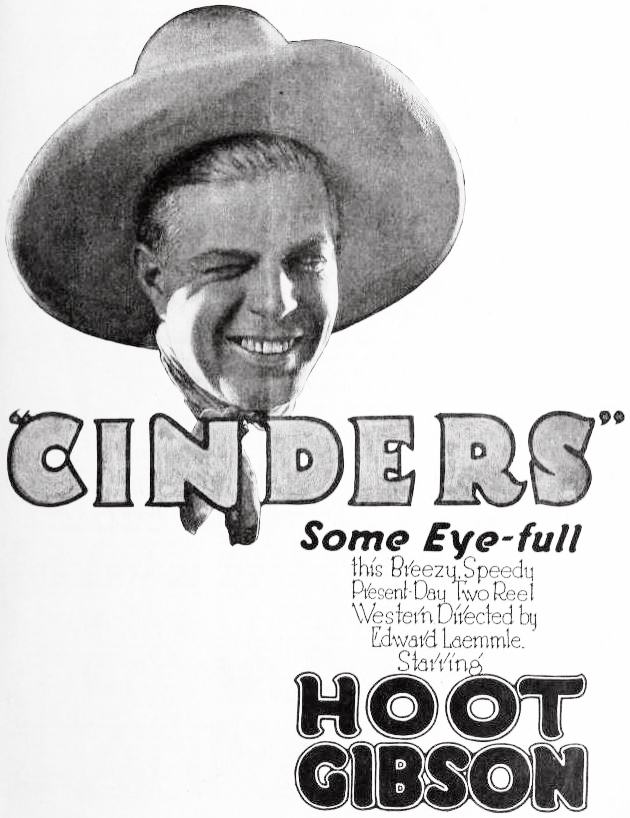
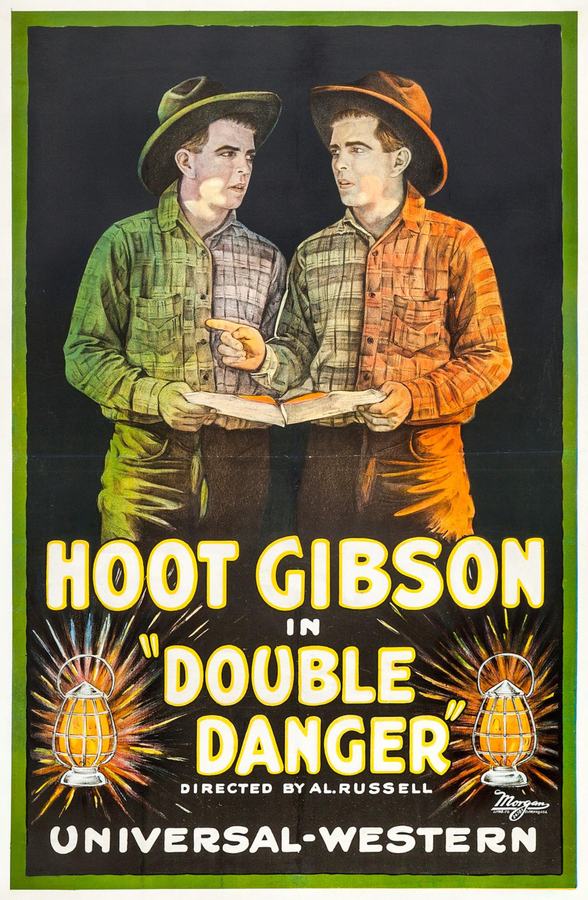
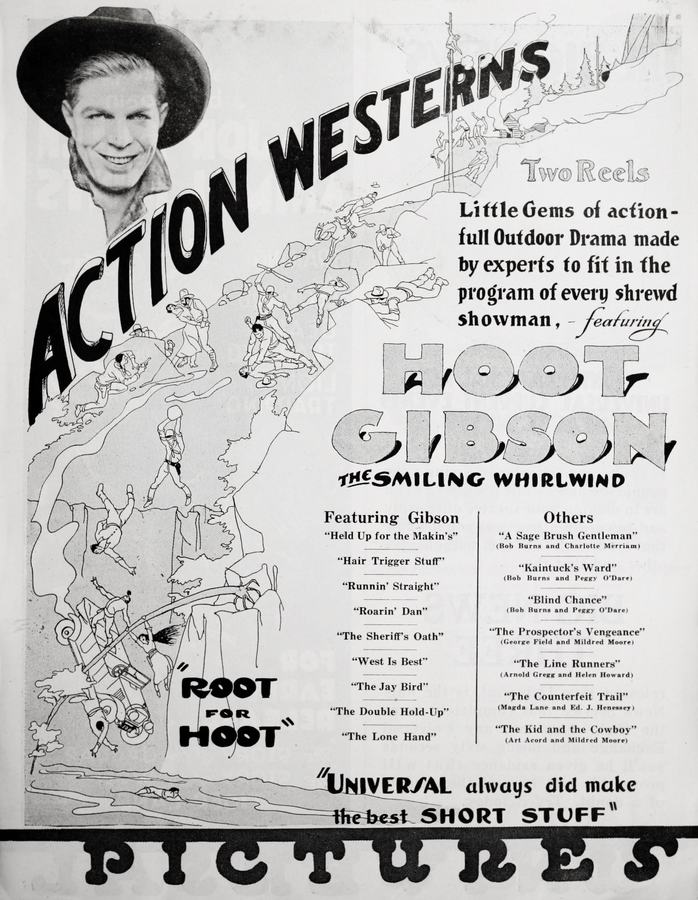
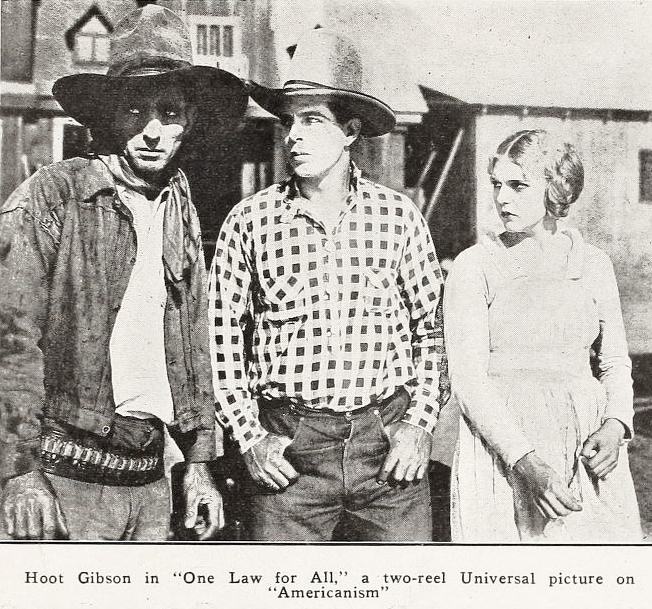
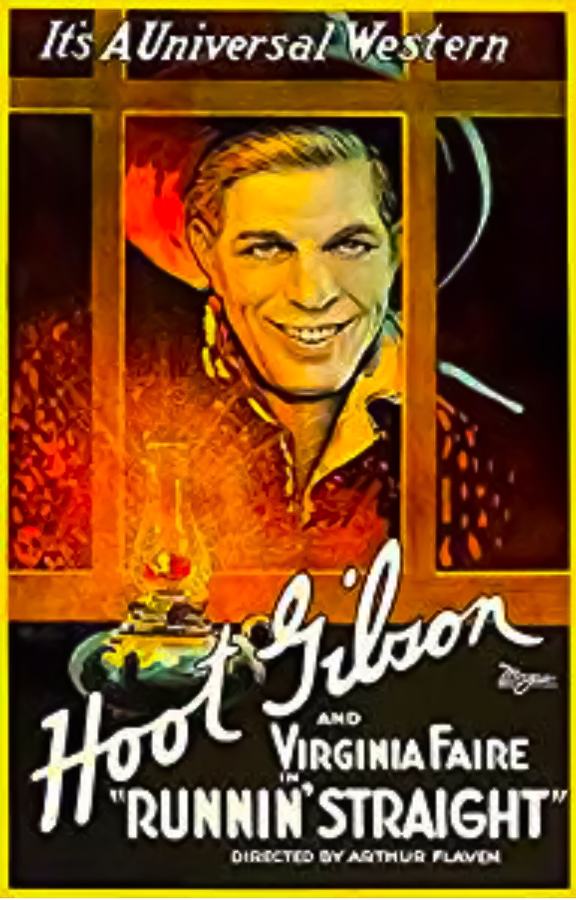
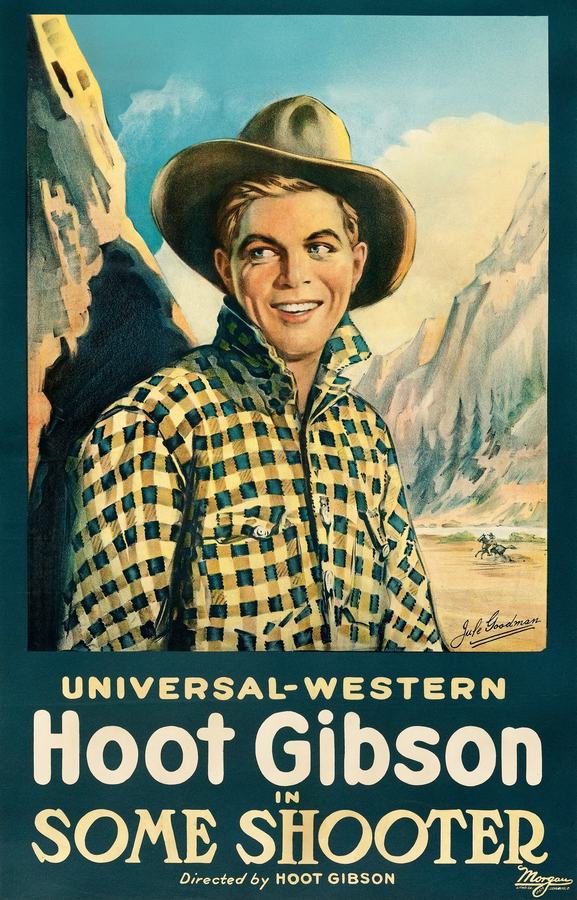
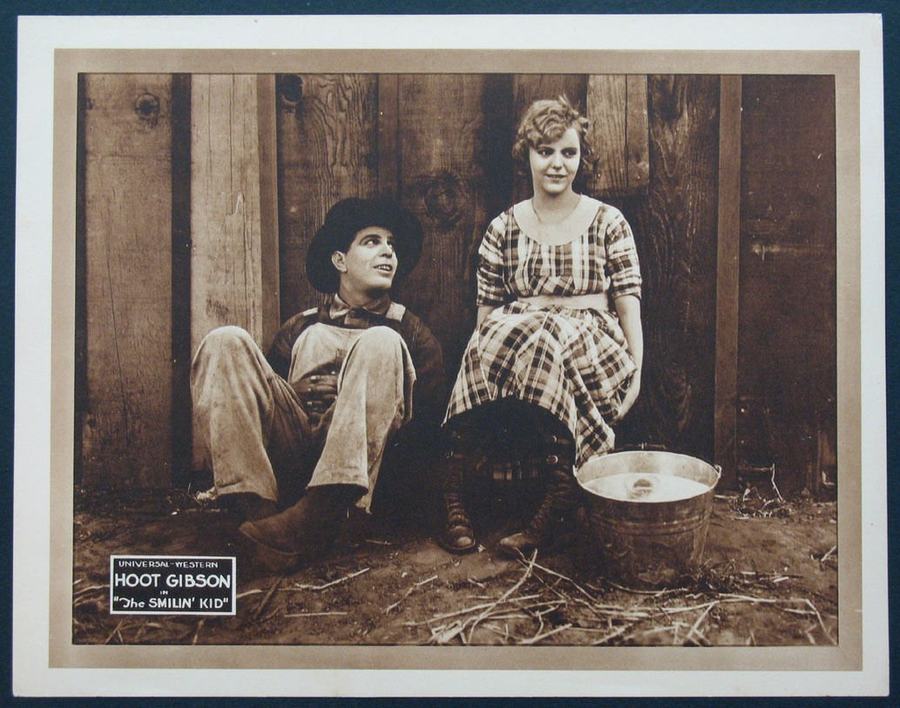
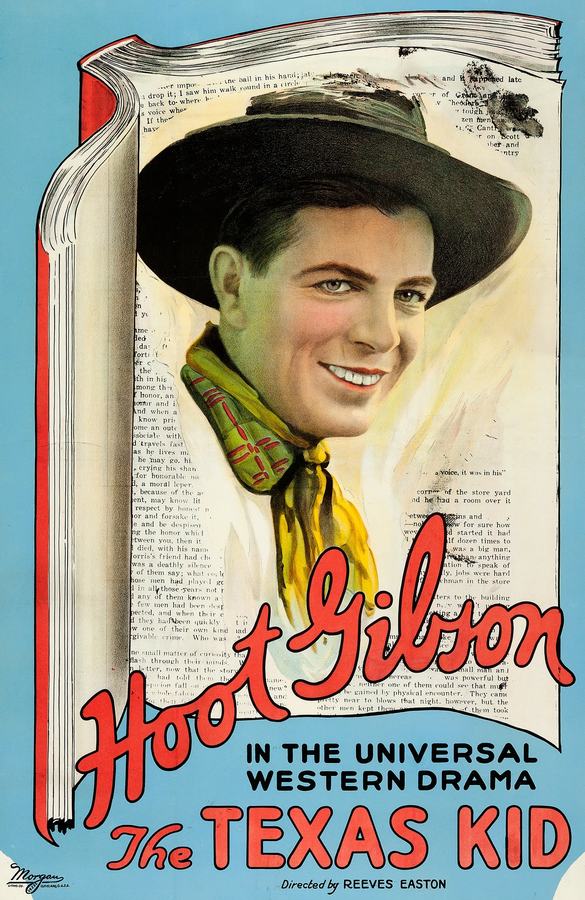
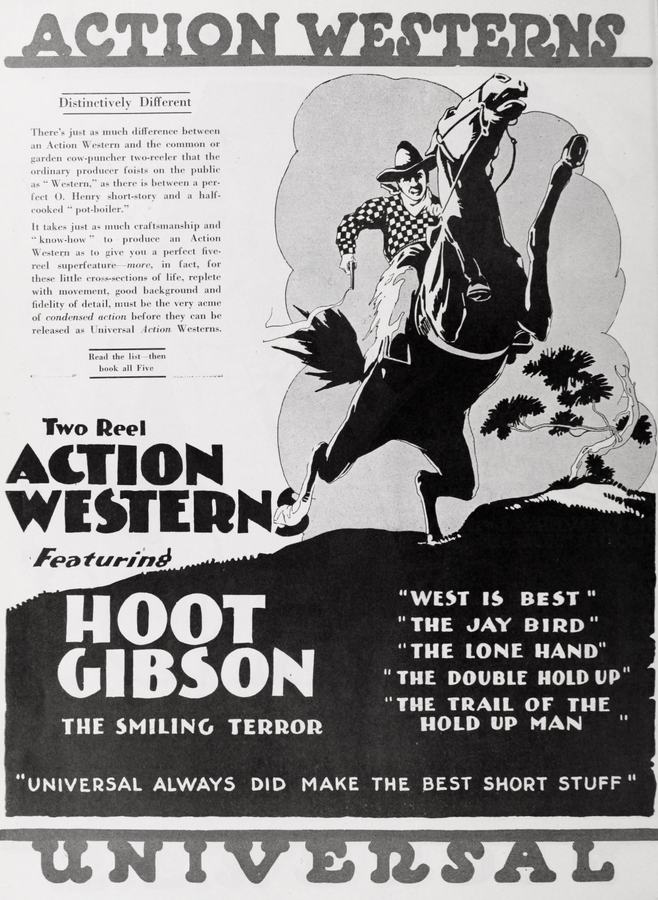
Edmund Richard Gibson never planned on being anybody’s hero; horses were enough. Born 6 August 1892 in Tekamah, Nebraska, he sat a pony at two-and-a-half, trekked with his family to California at seven, and by thirteen had slipped the leash for the sawdust of a traveling circus. Cow-punching jobs in Wyoming and Colorado followed, then a wrangler’s berth on Oklahoma’s sprawling Miller 101 Ranch, where the young daredevil taught broncs the laws of gravity. A four-year hitch with the Dick Stanley–Bud Atkinson Wild West Show carried him across America and on to Australia, polishing the rodeo résumé that soon read: 1912 Pendleton Round-Up All-Around Champion, plus world-class steer-roping honors at Calgary. Hollywood discovered him almost by ricochet: director Francis Boggs needed rough-and-ready riders for the 1910 Tom Mix short *Pride of the Range*. Gibson—billed as “Hoot” for reasons that shift with every press clipping—leapt into stunt work at $2.50 a tumble. When Boggs was fatally shot the following year, the rookie freelancer kept body and soul together doubling for D. W. Griffith and juggling arena dates with pal Art Acord. The camera finally beckoned in 1917 through John Ford and Harry Carey westerns—*Straight Shooting*, *Cheyenne’s Pal*, *The Secret Man*, *A Marked Man*—but the First World War intervened. Sergeant Gibson served with the Tank Corps, returned in 1919, and promptly galloped into two-reelers for Universal. Ford again guided him in breezy oaters like *Rustlers*, *Gun Law*, *The Gun Packer*, and *By Indian Post*, until a 1921 feature-length leap—Ford’s *Action*, adapted from *The Three Godfathers*—turned the easygoing cowboy with the palomino “Goldie” into a marquee luminary. The 1920s roared: $14,500 a week, fan-magazine covers, children’s matinee idolatry. Audiences loved the grinning, unthreatening hero who solved range trouble with a quip, not a Colt. Off-screen, Gibson married rodeo rider Helen Wenger, watched her graduate to serial stardom in *The Hazards of Helen*, then divorced; Jazz-Age actress Sally Eilers became wife number three and co-star in talkies *The Long, Long Trail* and *Clearing the Range*. When Universal dropped him in 1930, the free-spending star drifted to smaller studios, flirted with airplanes (*The Flyin’ Cowboy*, *The Winged Horseman*), and survived a spectacular biplane crash at the 1933 National Air Races. Gene Autry’s crooning was eclipsing old saddle hands, but Gibson rallied in *Powdersmoke Range* (1935) and the Republic cliffhanger *The Painted Stallion* (1937) before holstering his spurs to tour with circus outfits in ’38–’39. Monogram lured him back in 1943; alongside Ken Maynard, then Bob Steele, he revived brand recognition in the “Trail Blazers” series that ran through *Trigger Law* (1944). Real estate filled the gaps until television rediscovered him: a nostalgic turn on *I Married Joan* (1952) and cameos in Ford’s *The Horse Soldiers* (1959) and the Rat-Pack caper *Ocean’s 11* (1960). Divorces, airplanes, bad land deals, and cancer hollowed the once-bulging bankroll. By 1962 he was greeting gamblers in a Vegas casino and signing autographs at county fairs. Hoot Gibson—fourth wife Dorothea Dunstan steadfastly beside him—succumbed to cancer at Woodland Hills’ Motion Picture Country Home just weeks after turning 70. He rests at Inglewood Park Cemetery, memorialized by a star on Hollywood Boulevard and, since 1979, a proud berth in Oklahoma City’s Western Performers Hall of Fame.
Filmography
In the vault (104)