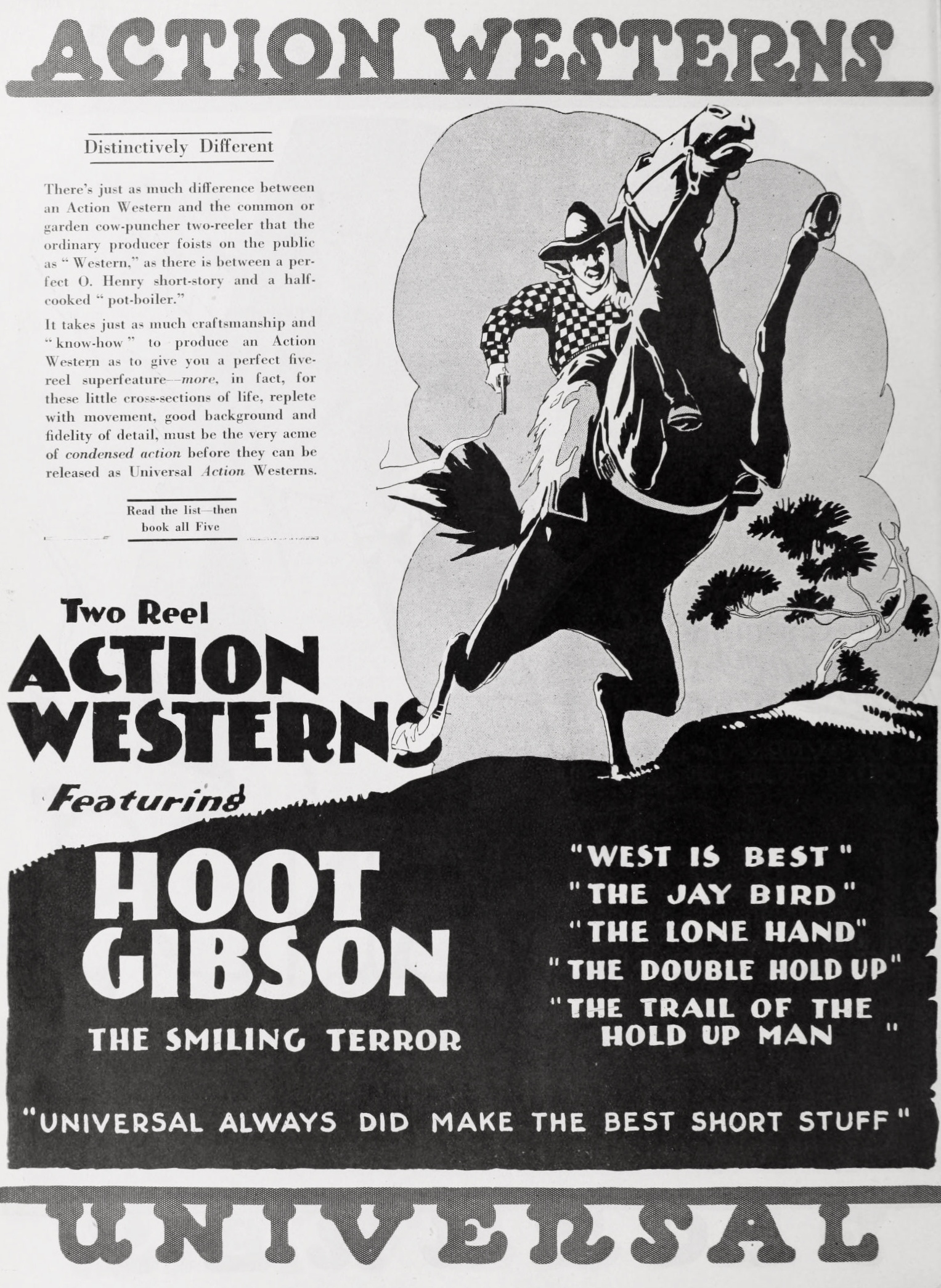
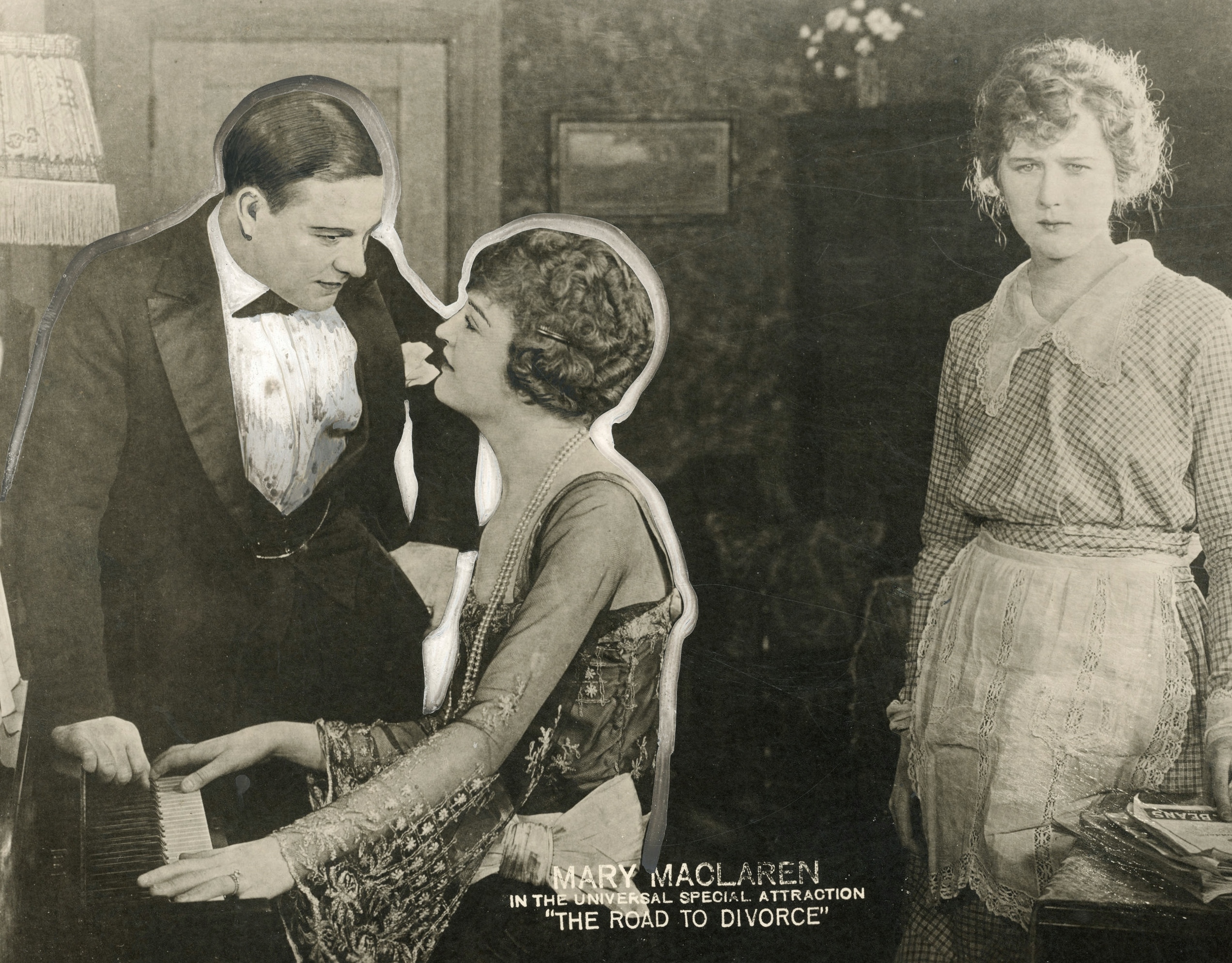
Josephine is called to her Western home from an Eastern college and brings a party of girls with her, accompanied by one man..
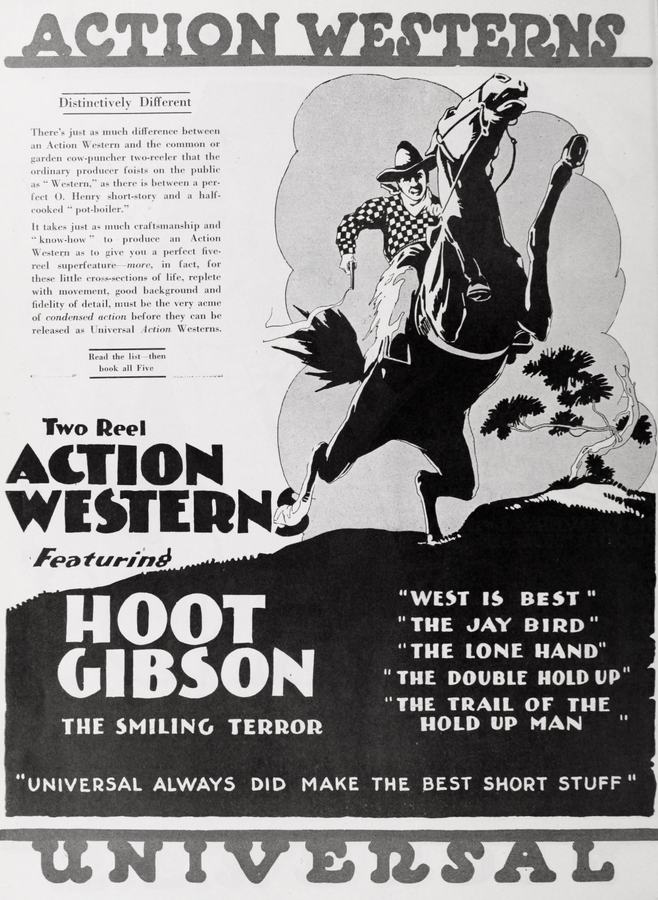
Josephine’s telegram arrives like a rifle crack across the manicured hedges of Vassar-on-the-Hudson, and within the hour she has marshaled a cohort of Bryn Mawr refugees—each one a petal-plucked daisy of privilege—into a velvet-lined Pullman headed toward the horizon that Owen Wister never dared to feminize. The fil...
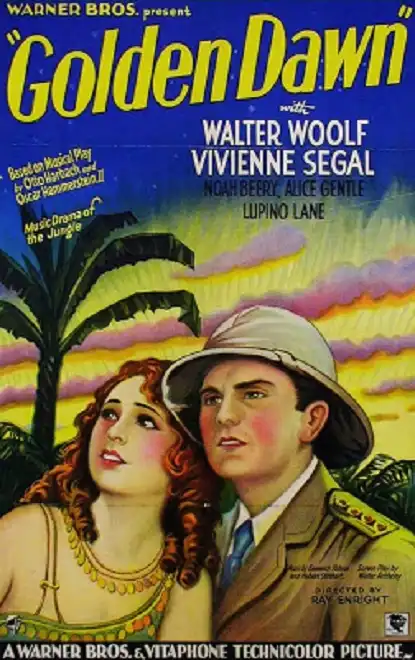
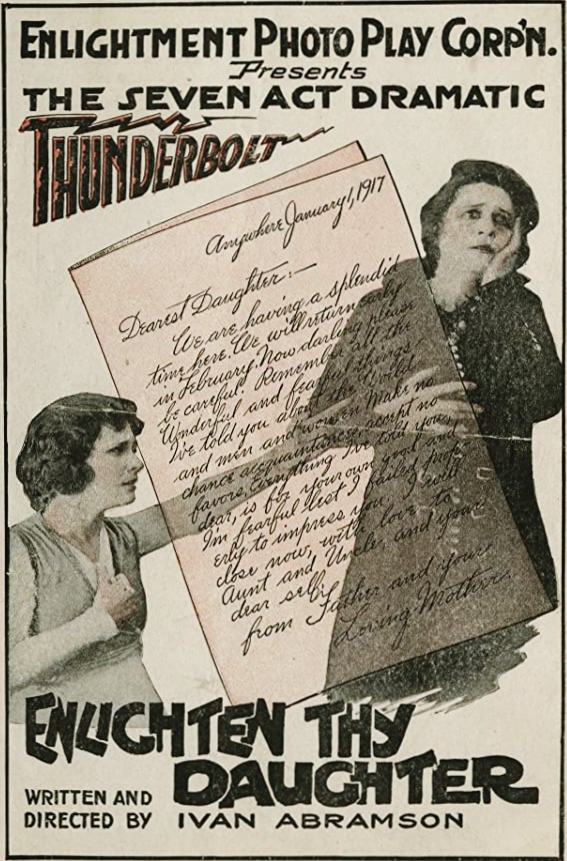
Comparing the cinematic DNA and archive impact of two defining moments in cult history.
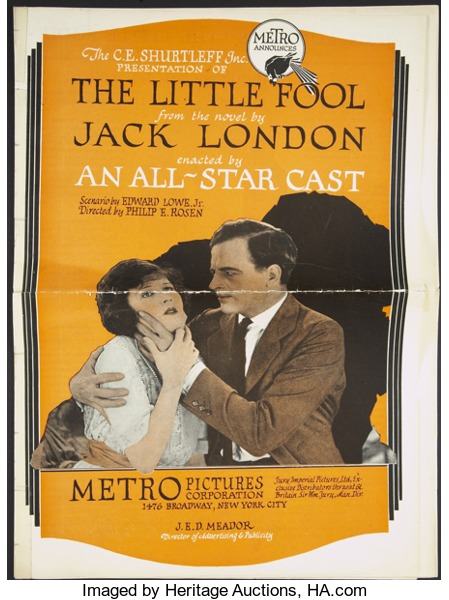
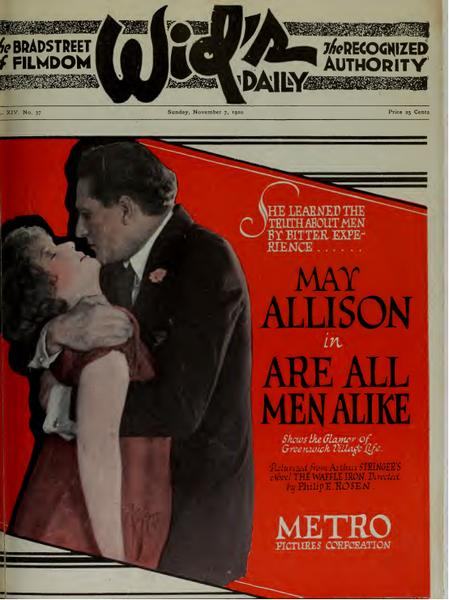
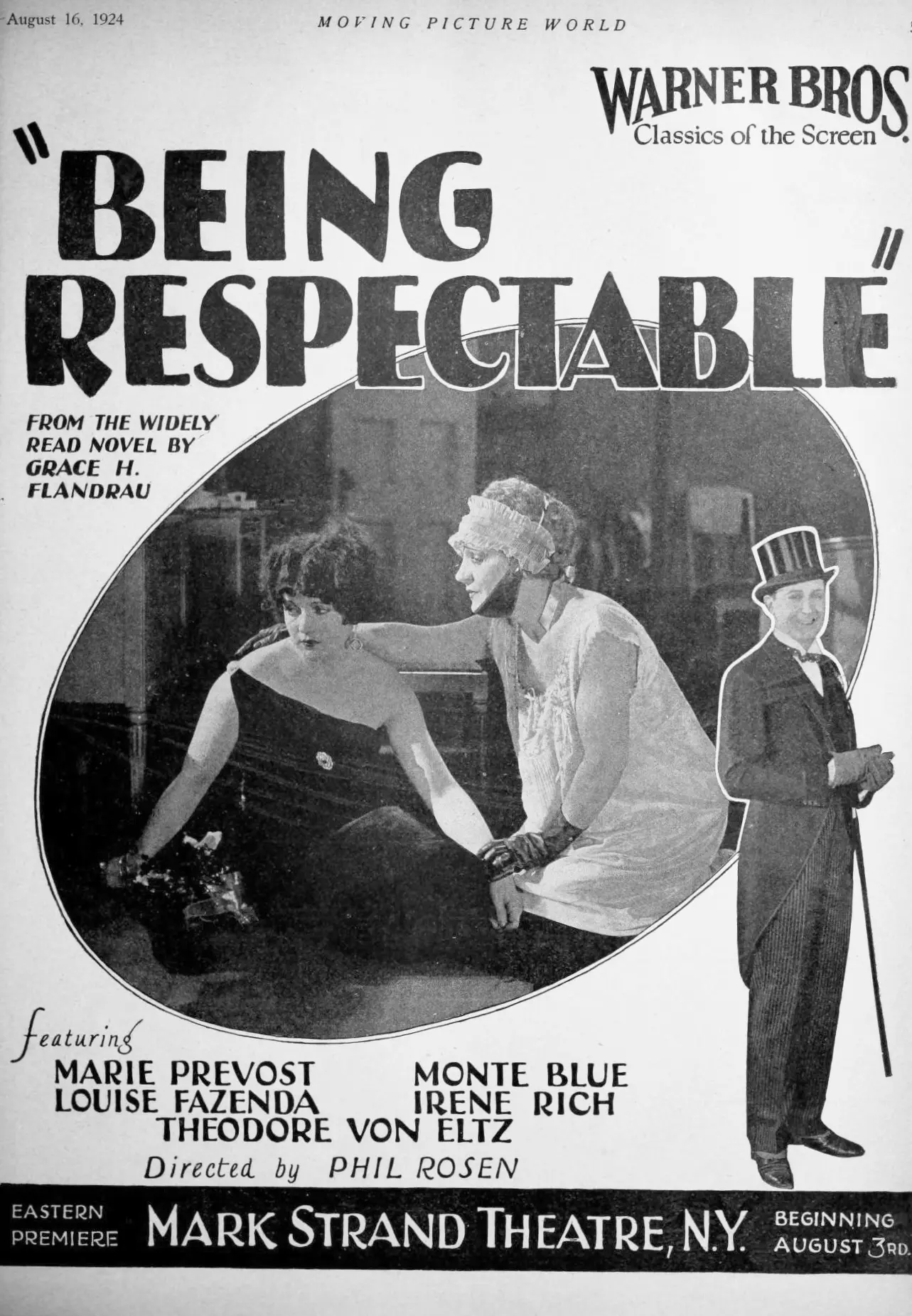
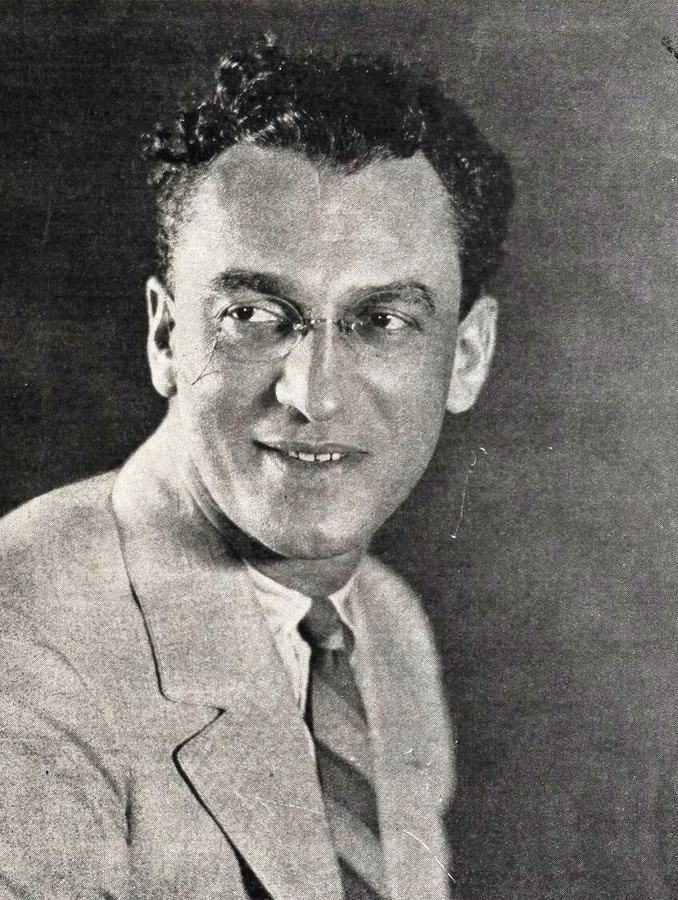
Phil Rosen

Richard Smith
Community
Log in to comment.
" Josephine’s telegram arrives like a rifle crack across the manicured hedges of Vassar-on-the-Hudson, and within the hour she has marshaled a cohort of Bryn Mawr refugees—each one a petal-plucked daisy of privilege—into a velvet-lined Pullman headed toward the horizon that Owen Wister never dared to feminize. The film, shot on location in the blistered salt flats of Nevada’s Carson Sink, opens with a mirage: a phalanx of parasols bobbing above alkali like pastel jellyfish in a dead sea. Direct..."
Josephine Hill
Philip Hubbard, Harvey Gates
United States


Deep dive into the cult classic
Discover similar cinematic experiences
A Directorial Spotlight on Phil Rosen