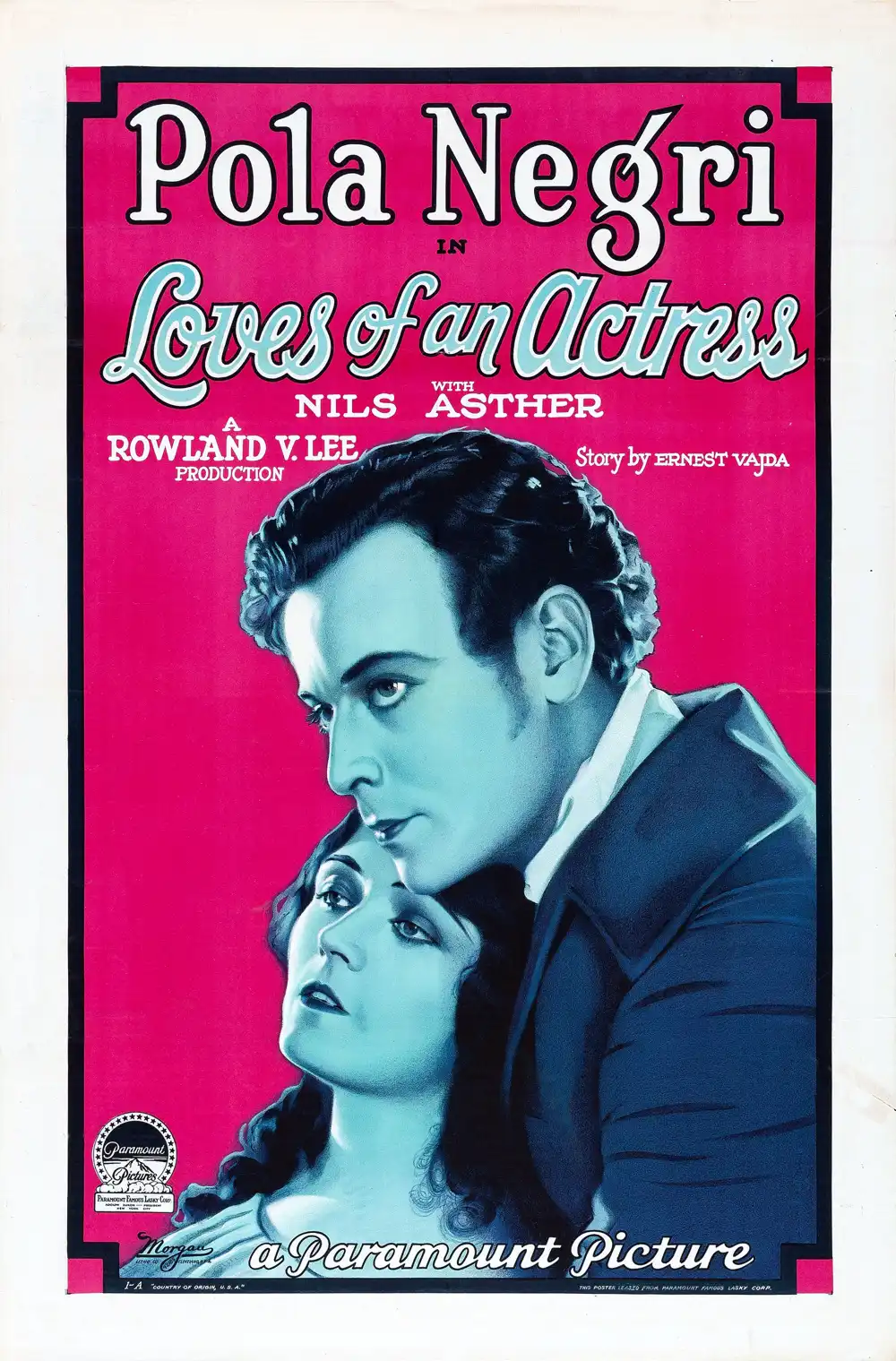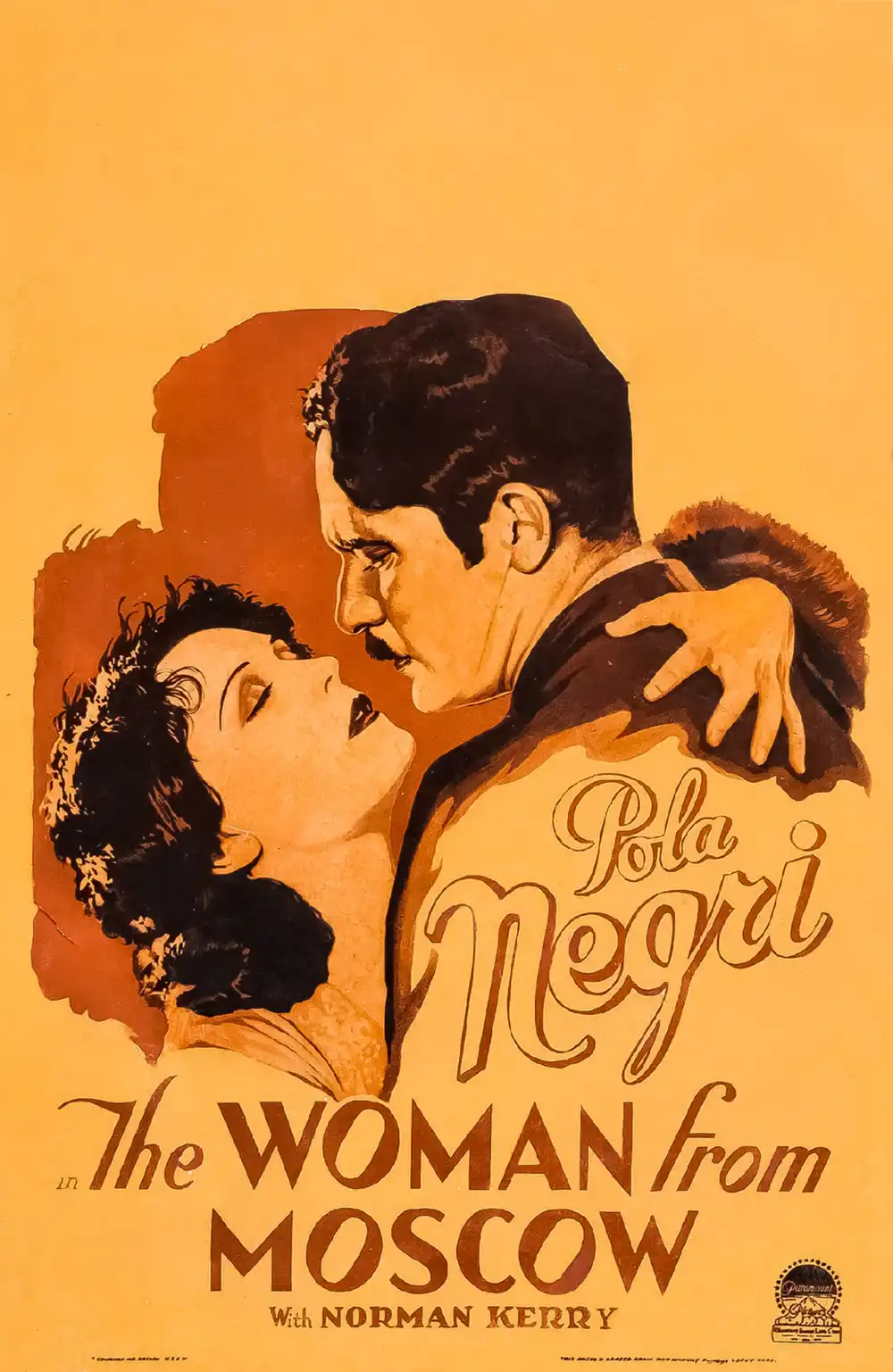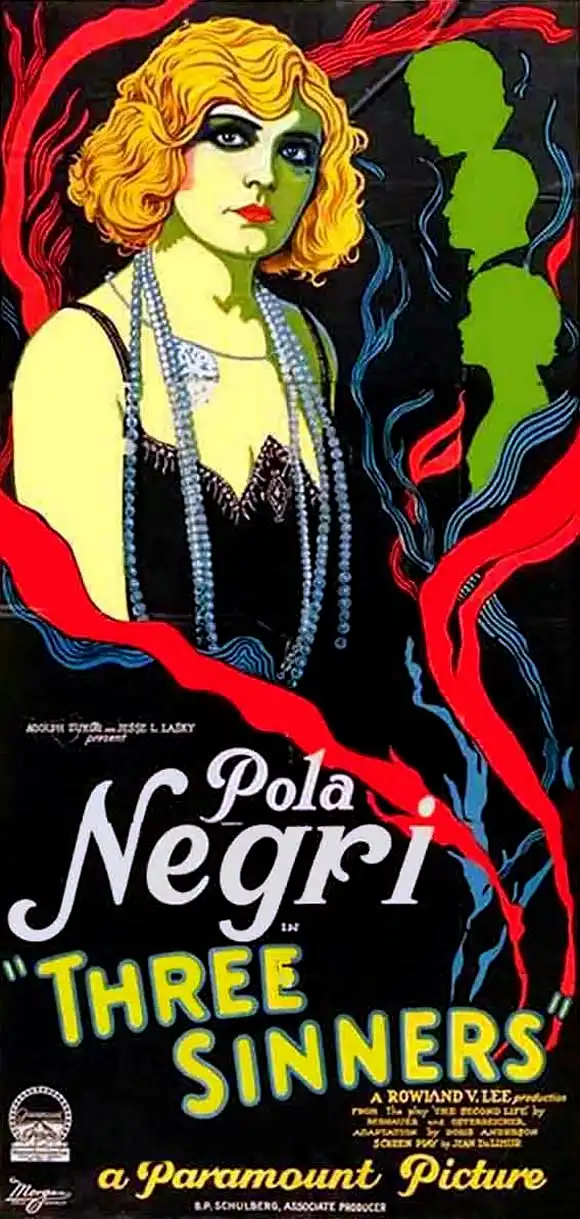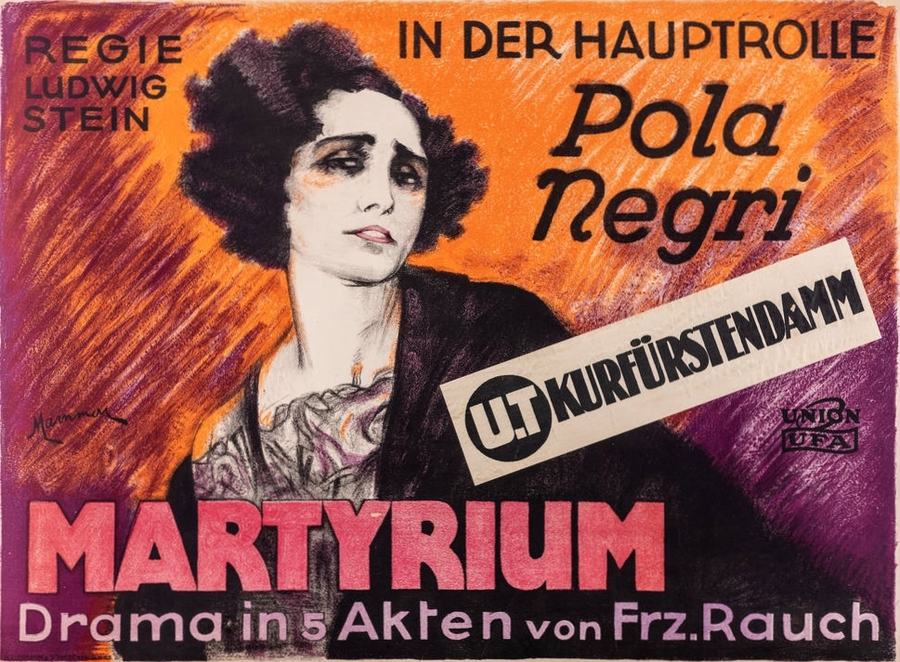
Pola Negri
actress, soundtrack
- Birth name:
- Apolonia Chalupec
- Born:
- 1897-01-03, Lipno, Poland, Russian Empire [now Lipno, Kujawsko-Pomorskie, Poland]
- Died:
- 1987-08-01, San Antonio, Texas, USA
- Professions:
- actress, soundtrack
Biography
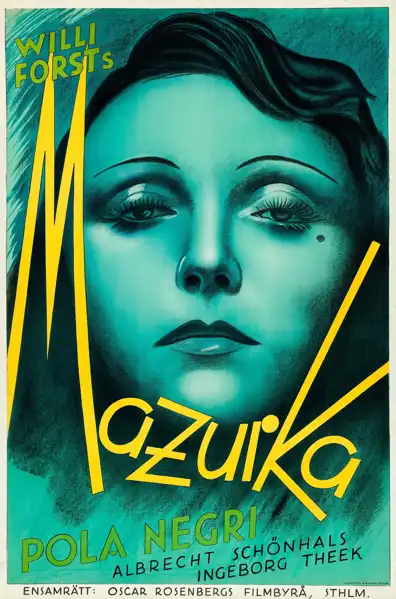
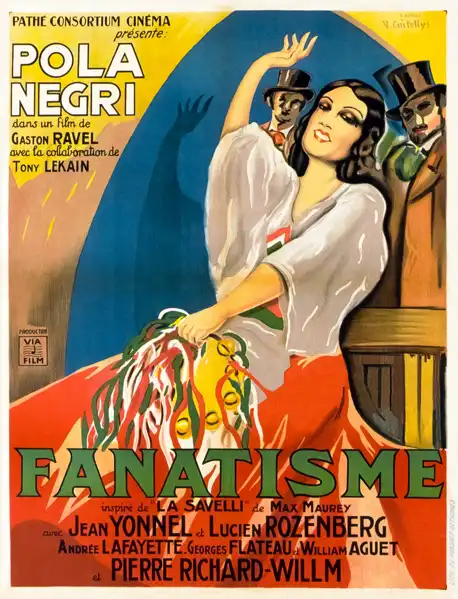
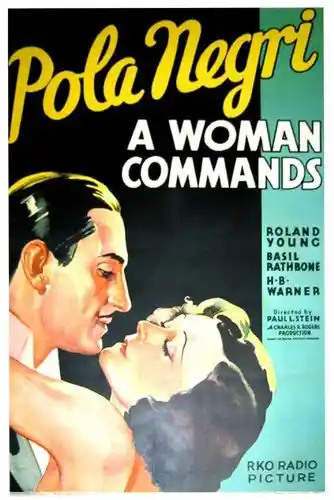
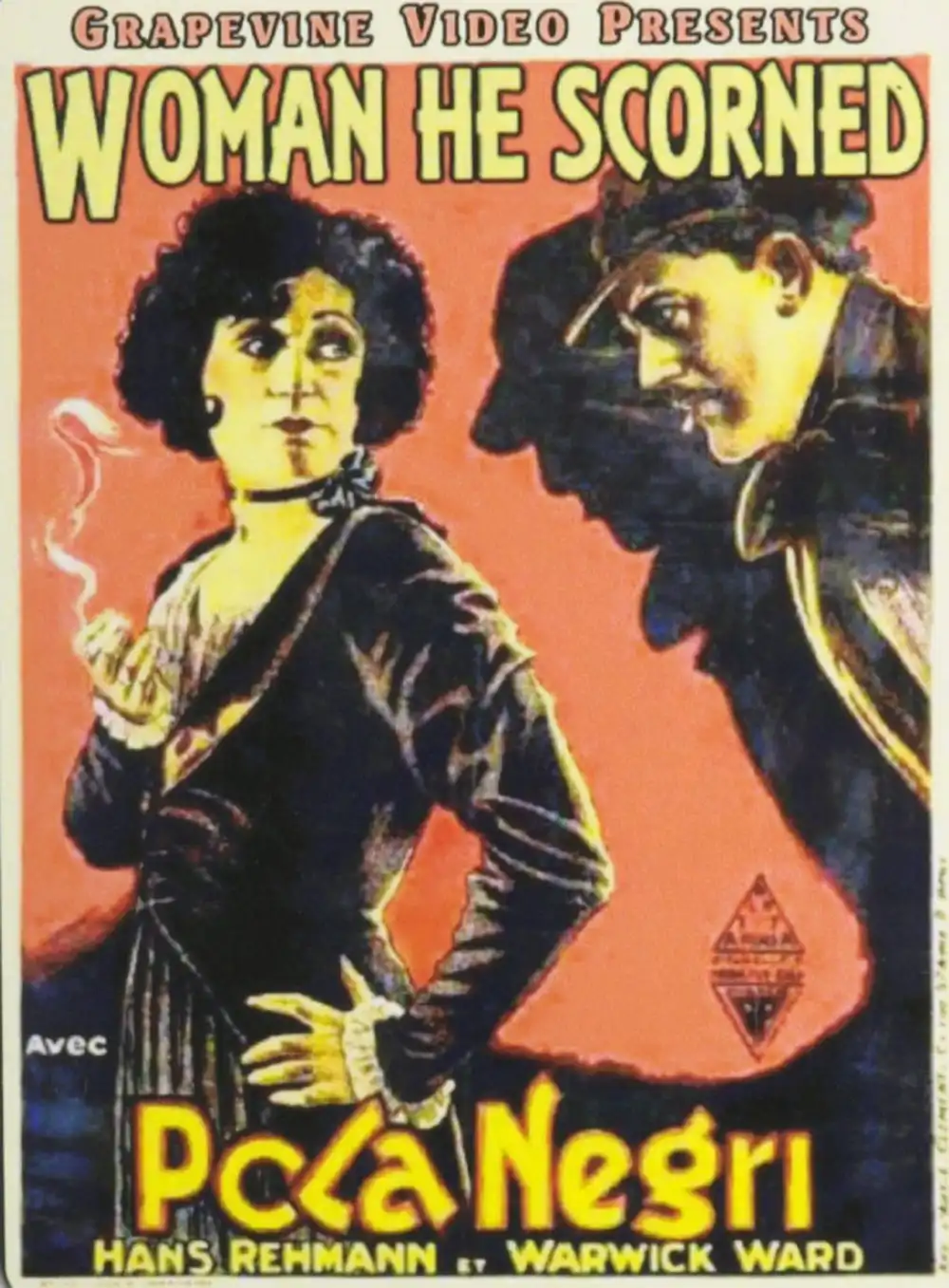
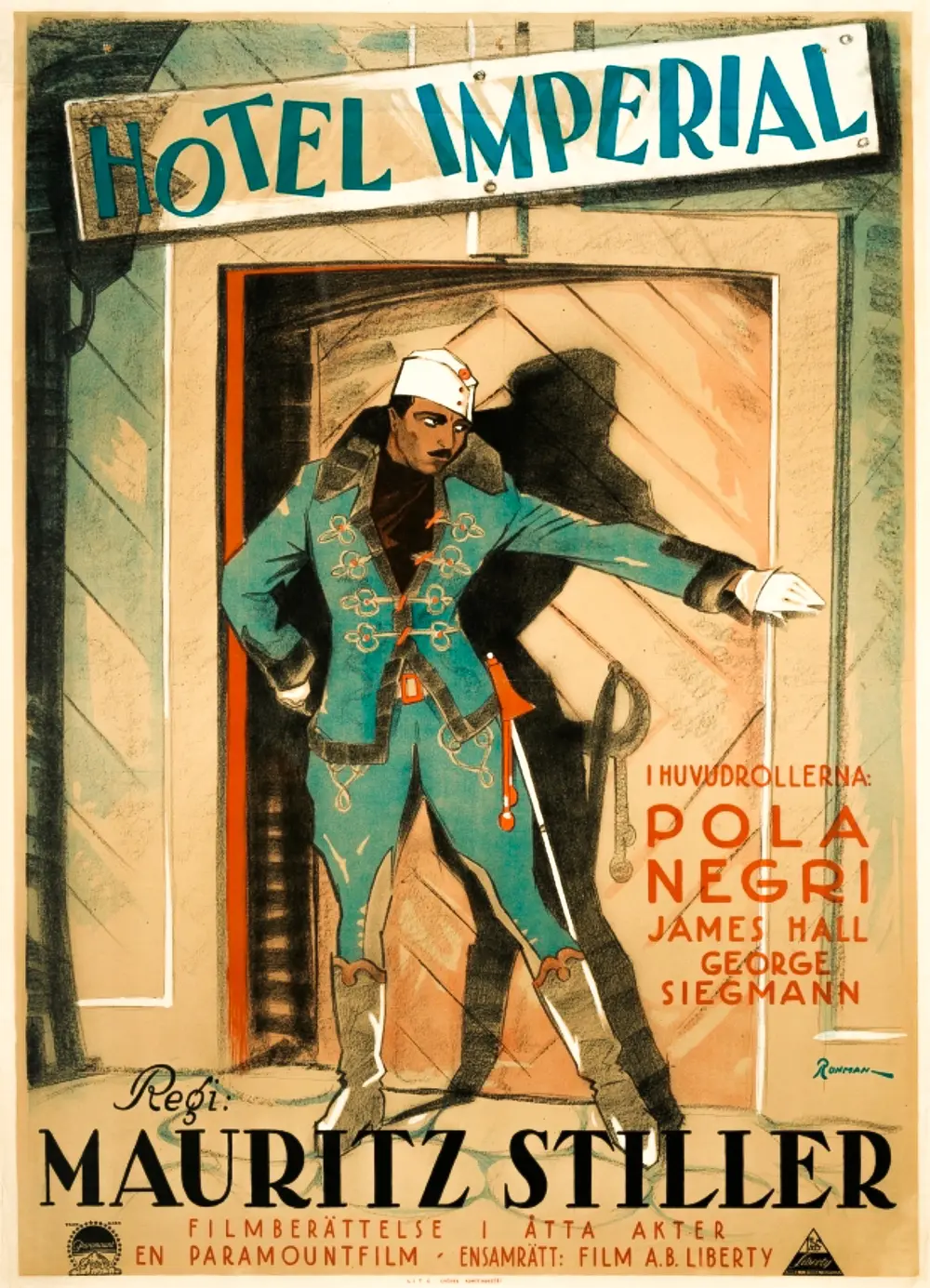
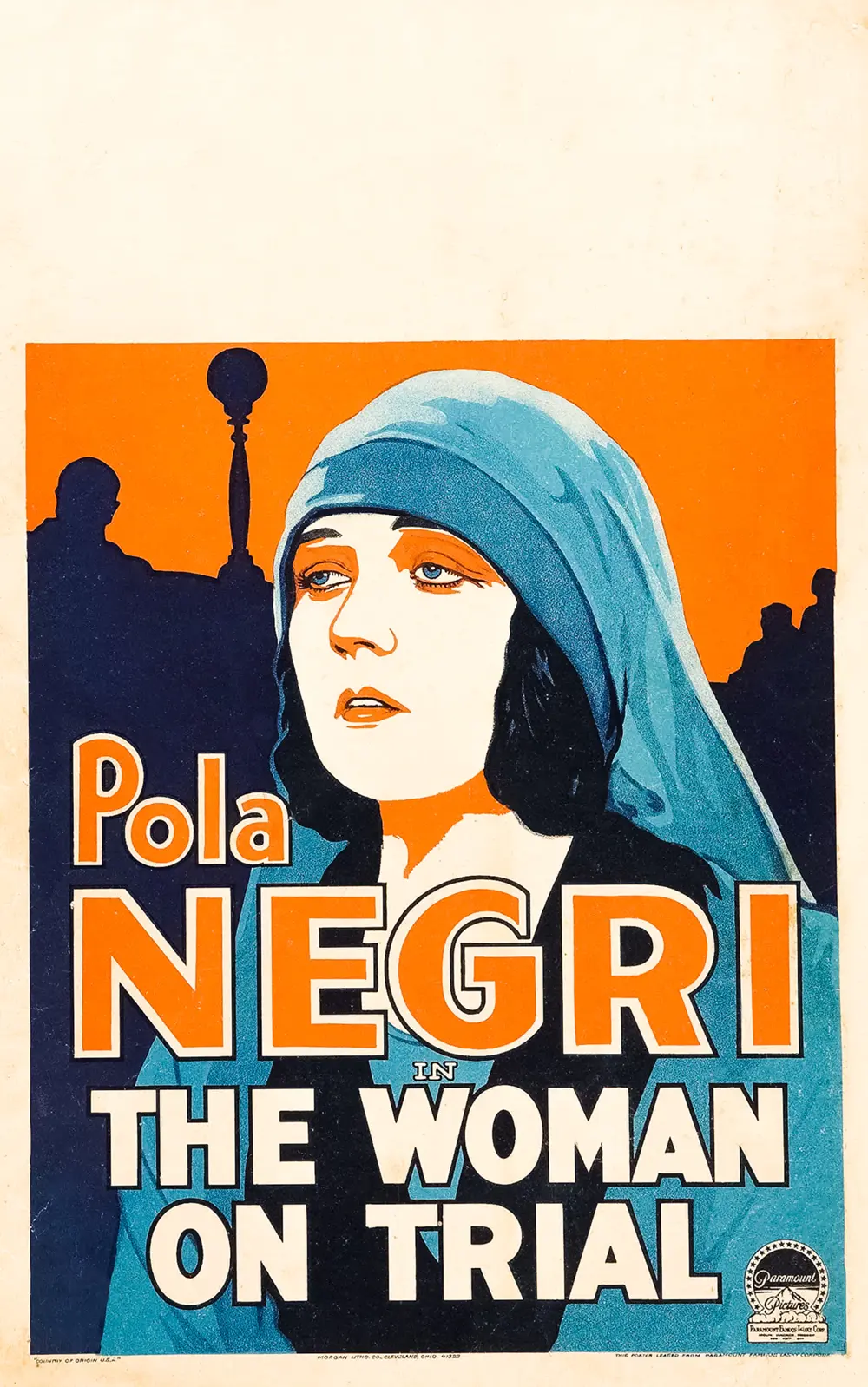
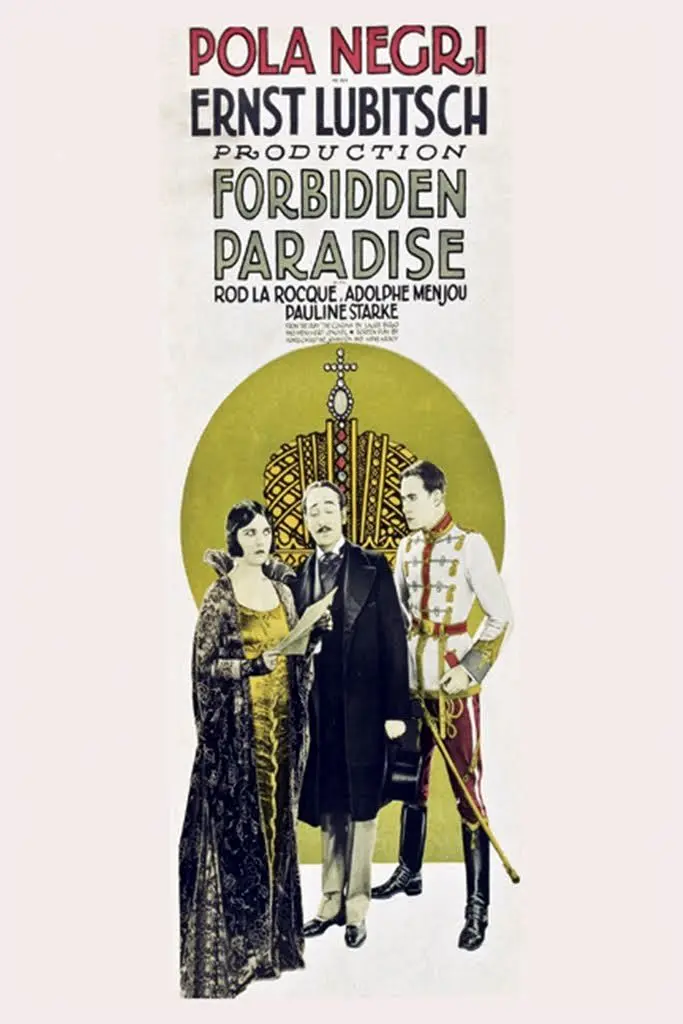
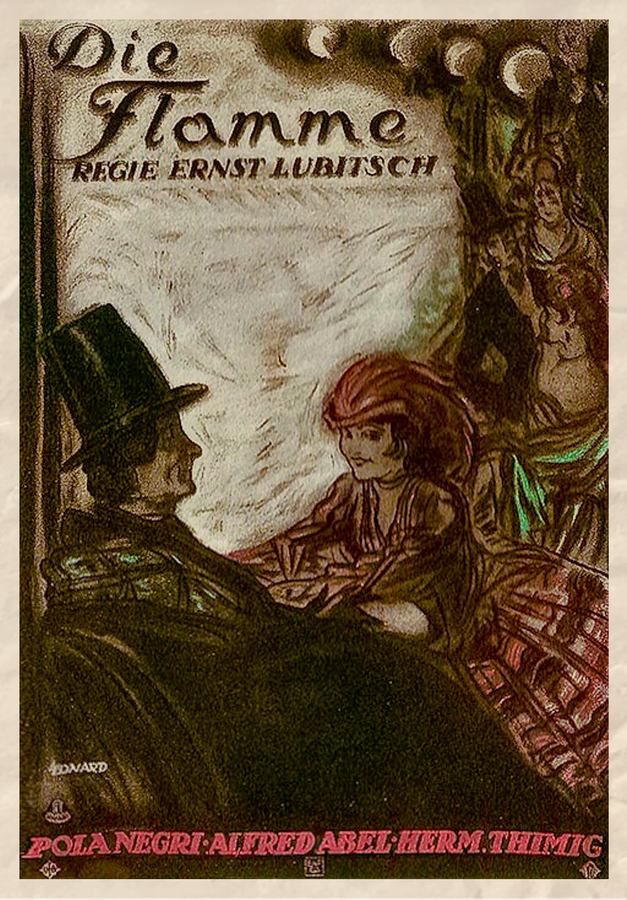
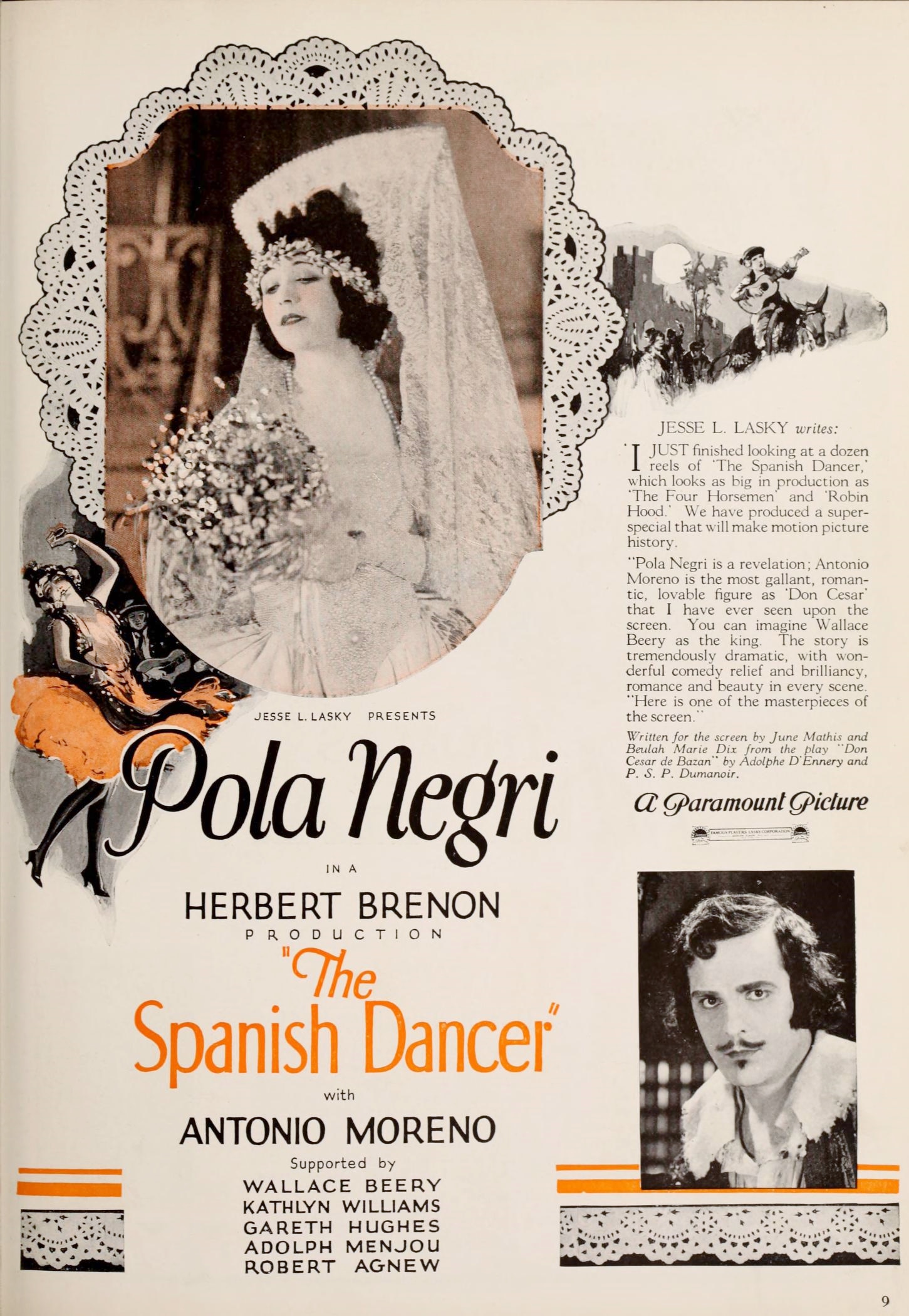
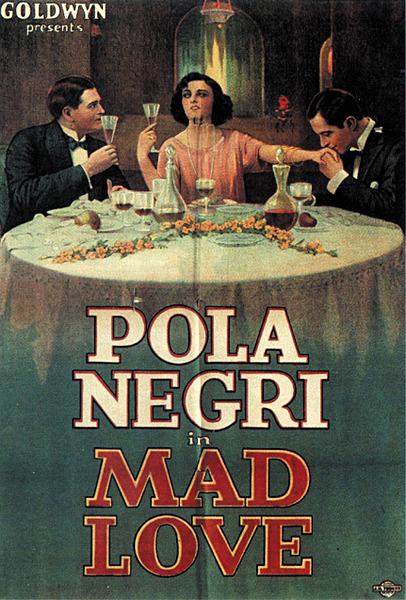
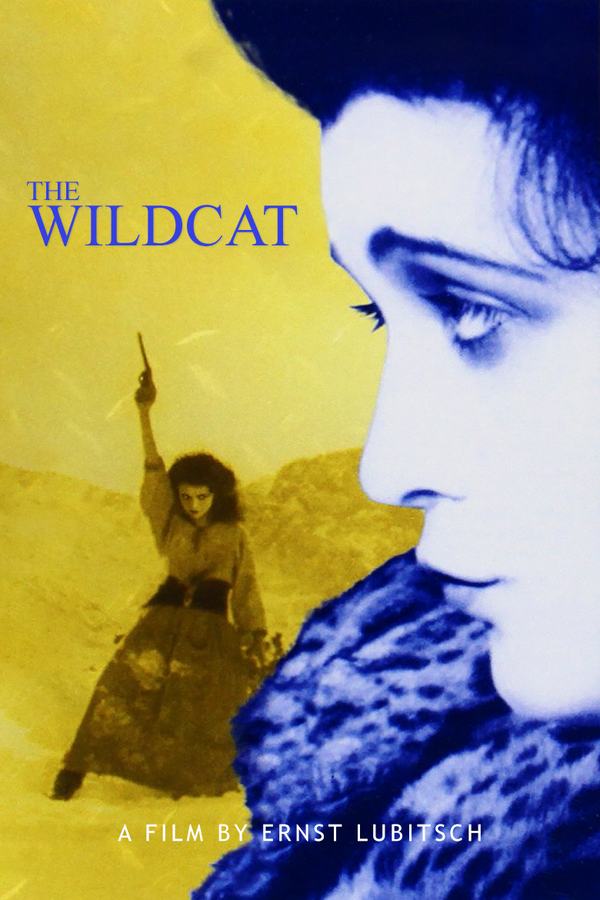
Lipno, Poland, 1897: a barefoot girl named Barbara Apolonia Chałupiec races the Vistula breeze, unaware that geography and poverty will soon rename her. By twelve she is a Warsaw street-urchin with holes in her shoes and ballet dreams in her head; at thirteen the Imperial Ballet plucks her from the queue, only for tuberculosis to snatch the dream away. The curtain falls on toe shoes, rises on greasepaint: she wins a place at the Imperial Academy of Dramatic Arts, rechristens herself Pola Negri, and at seventeen rules the Warsaw stage as the city’s youngest leading lady. Then the Great War silences footlights, so she follows the camera’s whirr instead. Berlin, 1917: a one-way ticket, a role in the Oriental fantasy Sumurun, and a collision with Ernst Lubitsch. Together they ignite the screen—she the tempestuous peasant countess, he the maestro who frames her smolder. Passion (1919) crosses the Atlantic retitled yet intact; American audiences gasp, Paramount signs the check, and in 1922 Lubitsch and his scarlet-star passenger sail for Hollywood. The press feast on her: moonlit roses from Chaplin, a ruby engagement ring from Valentino, a tiger cub on a leash at the Beverly Hills Hotel. Forbidden Paradise (1924) and Hotel Imperial (1927) keep the cameras clicking, but three hammers wait to drop: Valentino’s death (her public keening branded “theatrical”), the Hays Office scissors (too much thigh, too much appetite), and the microphone (her Polish consonants clang against California vowels). She turns her back on Beverly Hills, sails home, and makes UFA pictures under swastika scrutiny. By 1941 the Reich has bled her accounts dry; she lands at Ellis Island with ten dollars and a steamer trunk. One last comic turn—Hi Diddle Diddle (1943)—and then silence: citizenship in 1951, retirement in a Manhattan apartment the color of paprika. Walt Disney lures her out for a swan song in The Moon-Spinners (1964), after which she vanishes into private rituals: Sunday Mass in Spanish lace, tea served in fragile cups, memories dusted like relics. Pneumonia caught her on a Texas vacation in 1987. She was ninety, still insisting that love—whether for a country, a man, or an audience—was worth every grand illusion.
Filmography
In the vault (29)