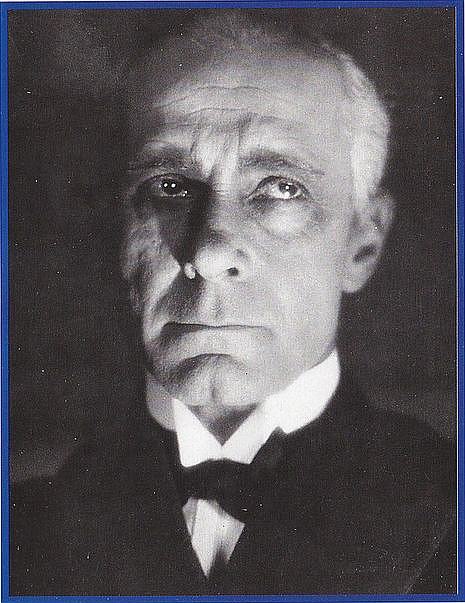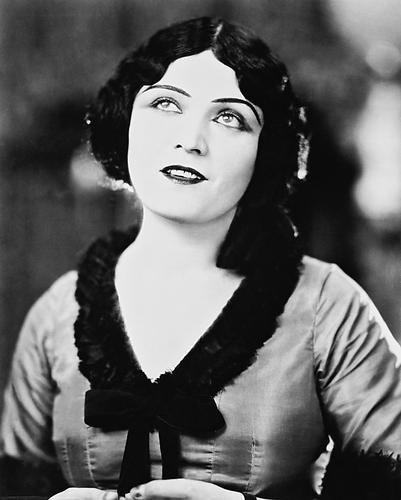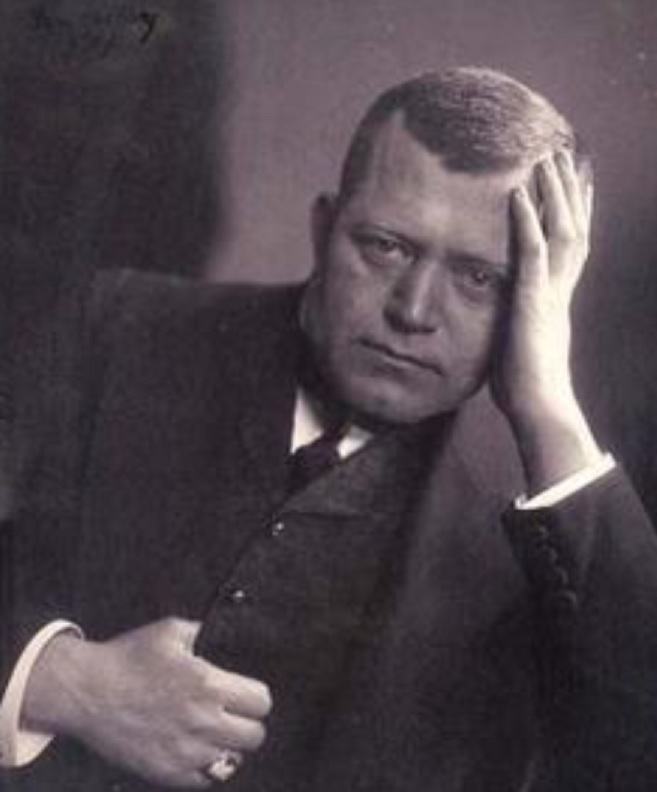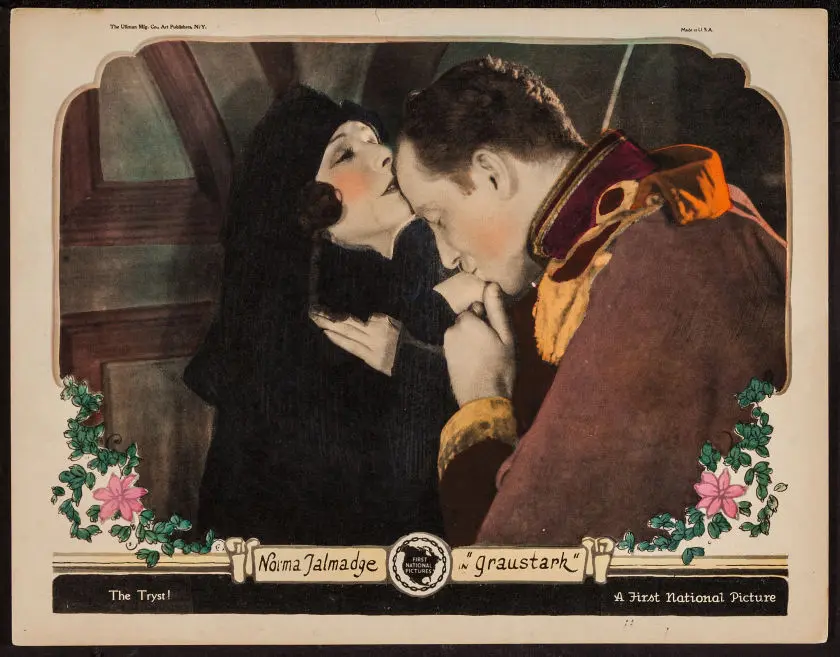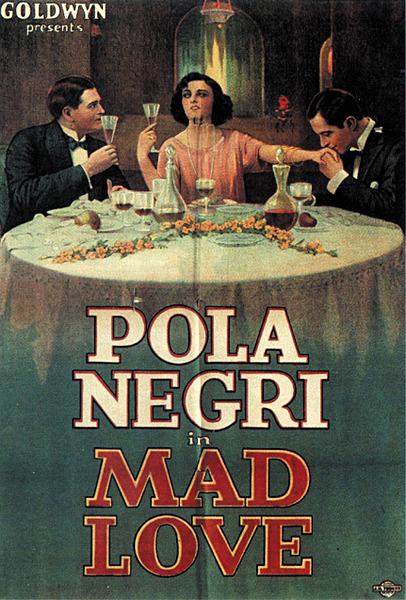
Richard De La Croix has a brother, Andreas, who has been driven insane by a notorious vamp and socialite named Sappho. A man-about-town named Teddy takes Richard to the Odeon to meet her, but when Sappho actually meets Richard, he is unaware that she is the woman who drove Andreas insane.
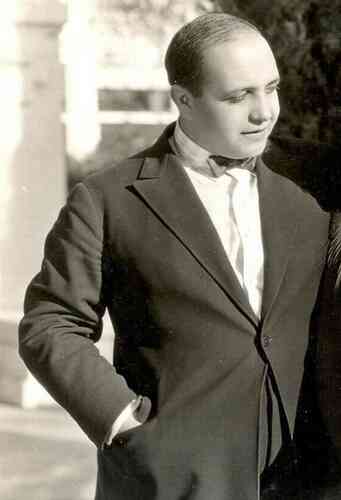
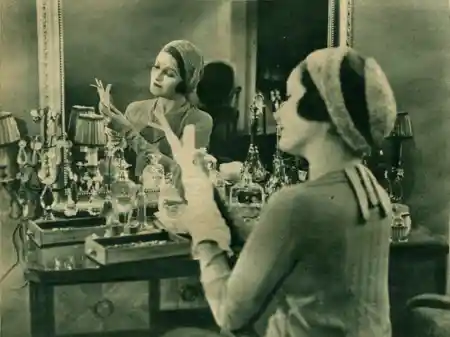
Berlin, 1923: inflation papered the cafés like wallpaper, cocaine replaced sugar in espresso, and cinema, still mute, screamed louder than any talkie ever would. Into this cracked prism storms Mad Love (German title: Die gelbe Fahne), a film that arrived carrying whispers of scandal—reports that three viewers in Muni...
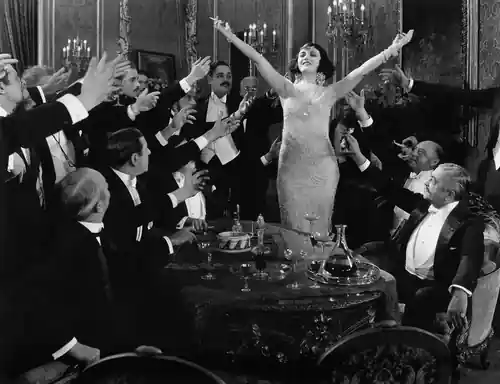
still_frame
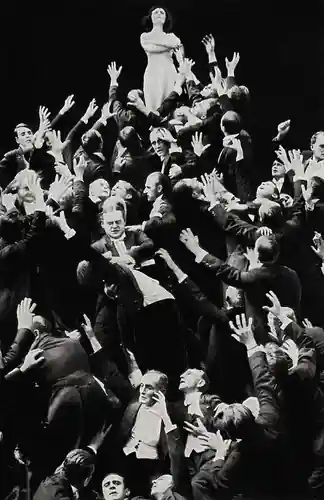
production_art

production_art
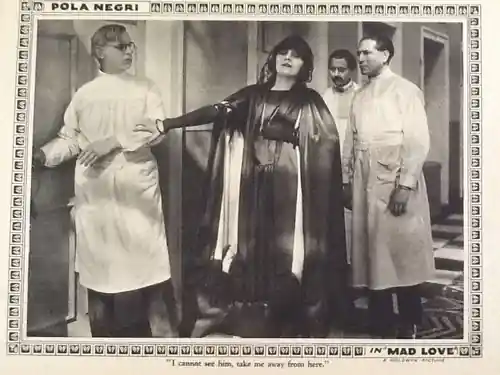
production_art

Comparing the cinematic DNA and archive impact of two defining moments in cult history.
Dmitriy Bukhovetskiy

Alexander Butler
Community
Log in to comment.
" Berlin, 1923: inflation papered the cafés like wallpaper, cocaine replaced sugar in espresso, and cinema, still mute, screamed louder than any talkie ever would. Into this cracked prism storms Mad Love (German title: Die gelbe Fahne), a film that arrived carrying whispers of scandal—reports that three viewers in Munich fainted when Sappho first peels off her elbow-length gloves frame by frame. Those stories may be apocryphal, yet the celluloid itself feels fevered, as if every grain were soake..."
Albert Steinrück
Alexandre Dumas, Dmitriy Bukhovetskiy
Germany