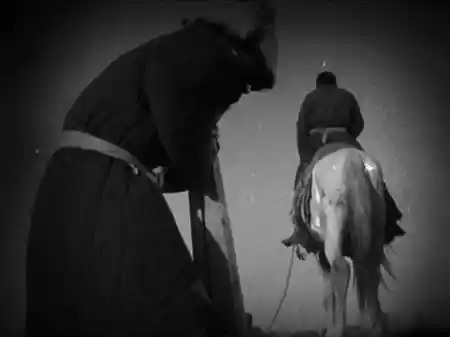
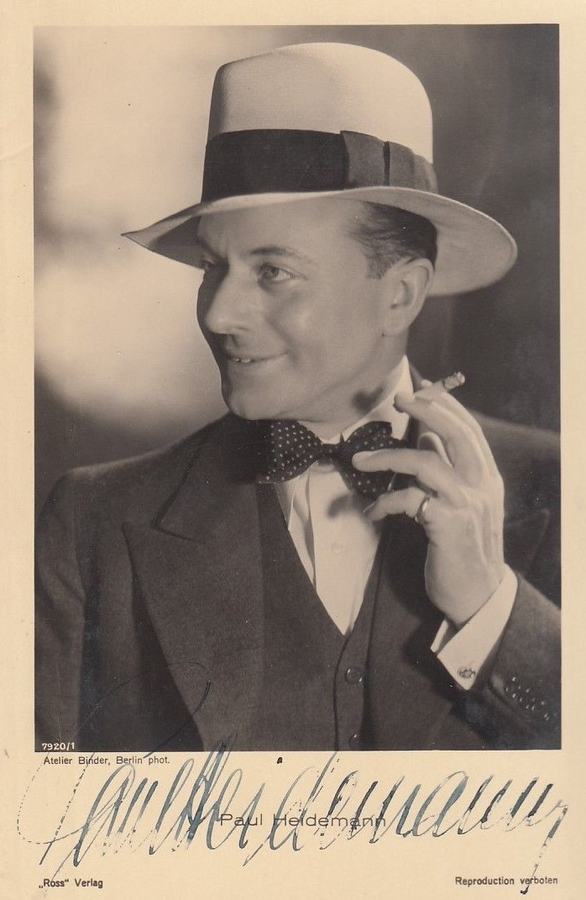
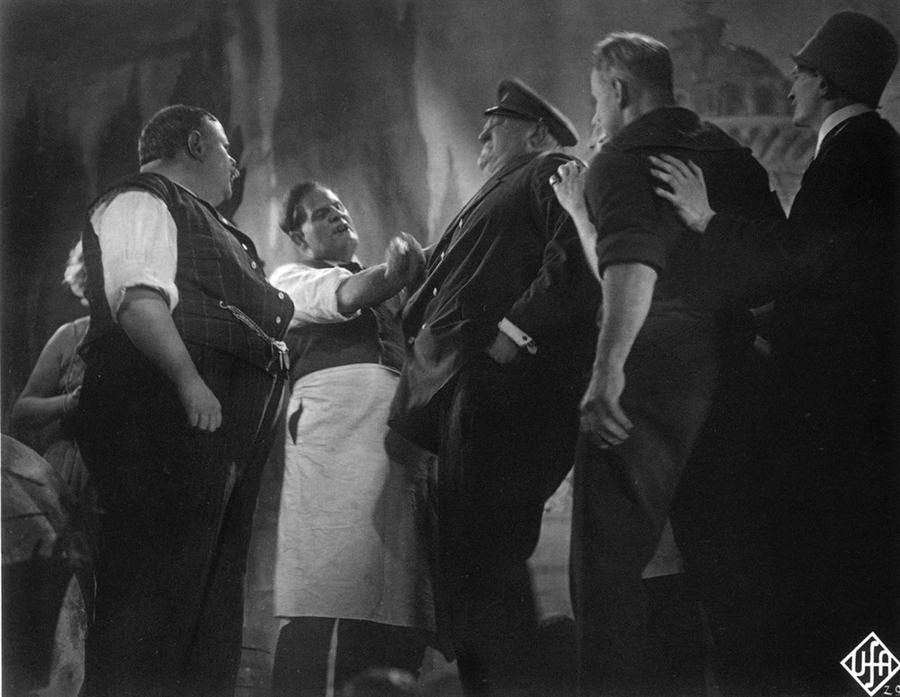
A charismatic lieutenant newly assigned to a remote fort is captured by a group of mountain bandits, thus setting in motion a madcap farce that is Lubitsch at his most unrestrained..
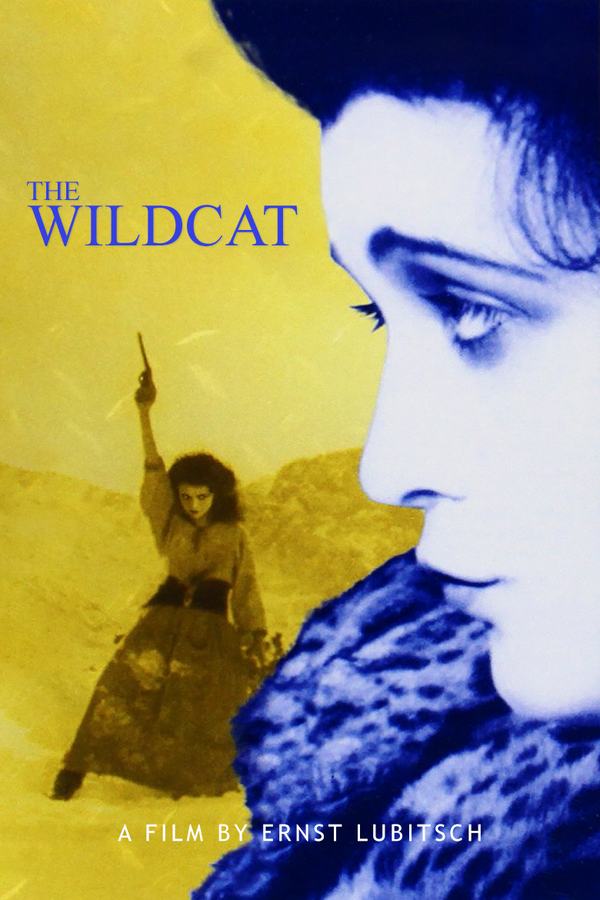
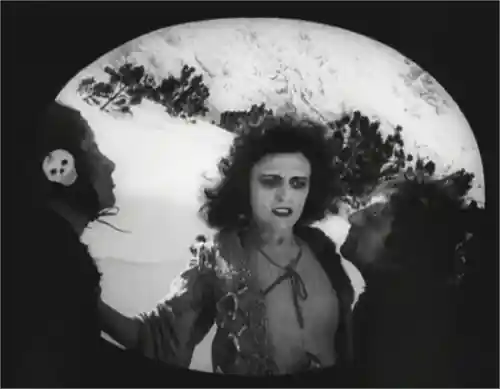
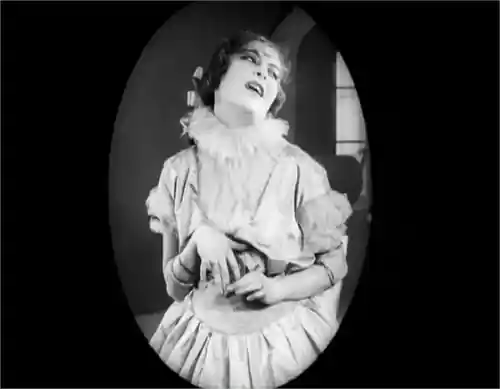
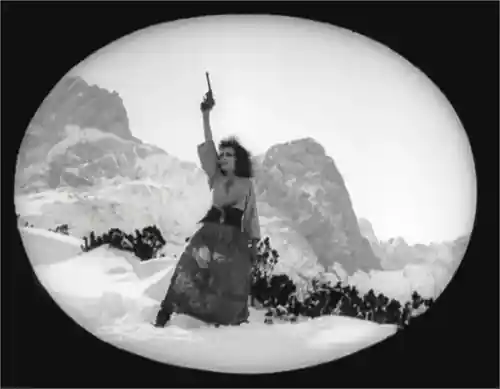
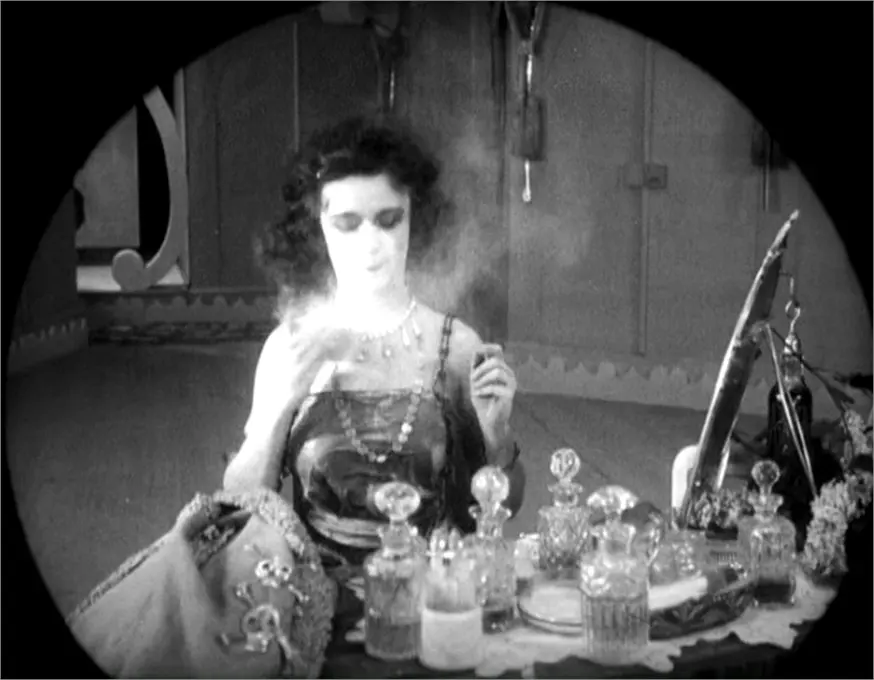
Imagine, if you dare, a silent comedy that arrives like a shot of pepper-spiked schnapps at 3 a.m.—head-spinning, throat-scorching, yet leaving you starry-eyed over an alpine abyss. That is The Wildcat, Ernst Lubitsch’s 1921 Fasching of celluloid, a film so drunk on its own iris-in gags that it forgets to sober up for...
still_frame
still_frame

still_frame

still_frame

still_frame

product
still_frame
still_frame
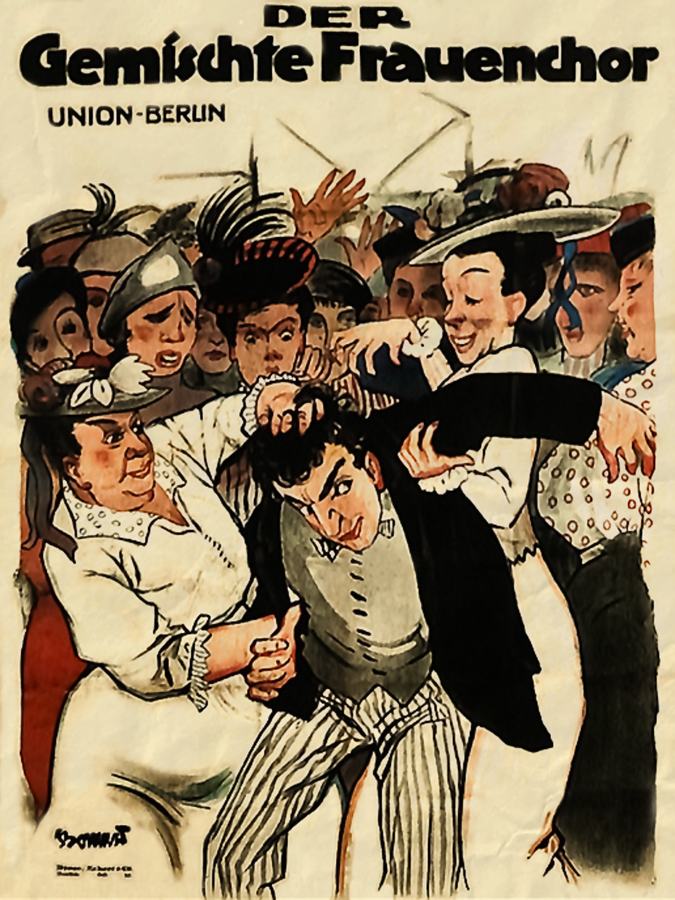
Comparing the cinematic DNA and archive impact of two defining moments in cult history.
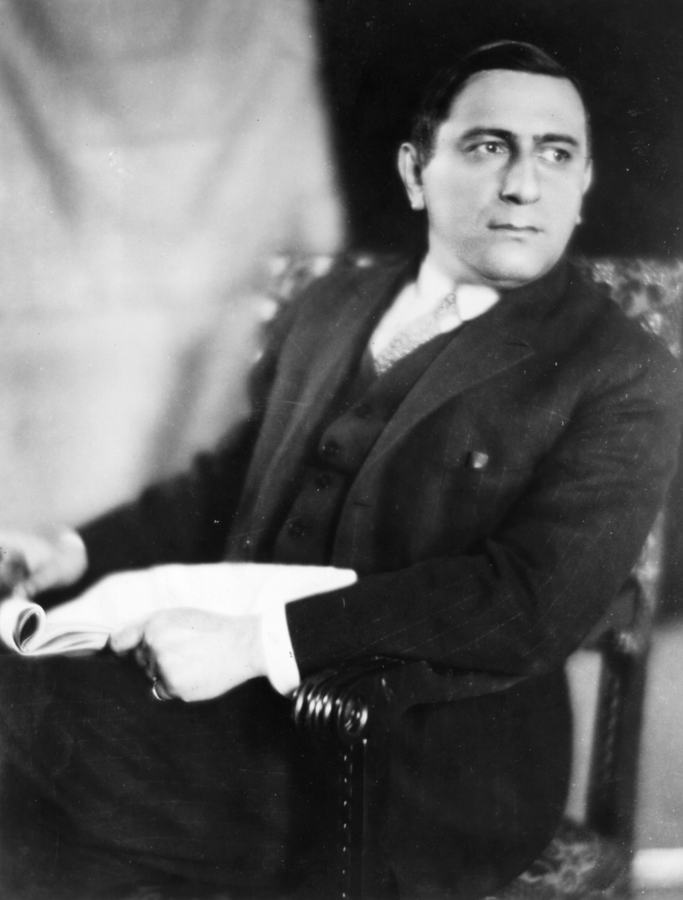
Ernst Lubitsch
Ernst Lubitsch
Community
Log in to comment.
" Imagine, if you dare, a silent comedy that arrives like a shot of pepper-spiked schnapps at 3 a.m.—head-spinning, throat-scorching, yet leaving you starry-eyed over an alpine abyss. That is The Wildcat, Ernst Lubitsch’s 1921 Fasching of celluloid, a film so drunk on its own iris-in gags that it forgets to sober up for plot logic. The story, nominally, follows a dashing lieutenant (Paul Heidemann) posted to a border fort where the snow falls like shredded treaties. Within minutes he is kidnapped..."

Pola Negri
Ernst Lubitsch, Hanns Kräly
Germany