Lev Tolstoy
soundtrack, writer
- Birth name:
- Count Lev Nikolayevich Tolstoy
- Born:
- 1828-08-28, Yasnaya Polyana, Tula Governorate, Russian Empire [now Tula Oblast, Russia]
- Died:
- 1910-11-20, Astapovo, Tambov Governorate, Russian Empire [now Lev Tolstoy, Lipetsk Oblast, Russia]
- Professions:
- soundtrack, writer
Biography
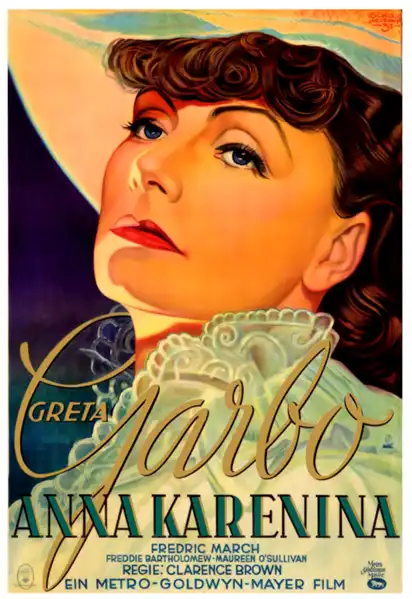
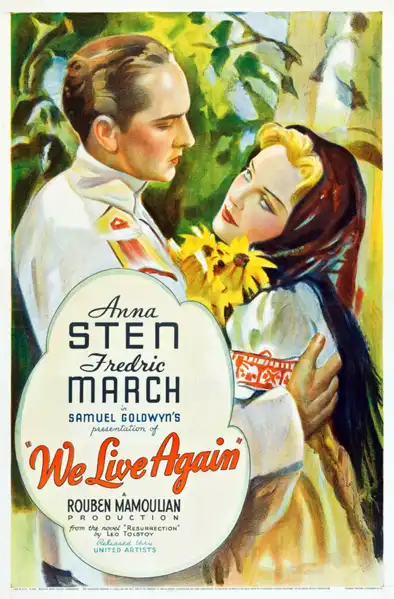
On 9 September 1828, beneath the birch roofs of Yasnaya Polyana, Sophia Andreyevna gave the world her fourth child—Lev Nikolaevich Tolstoy. Orphaned before his tenth birthday, the boy learned life’s lessons from older siblings and the rustle of 4,000 acres that would one day be his. Three restless years at Kazan University convinced him that lecture halls held less wisdom than the open fields, so he abandoned diplomas for self-stitched study. A brief detour to St. Petersburg’s law exams proved he could pass anything he cared little about; the summons back home proved he could not escape what he cared for most. Arriving as master, he swapped textbooks for ploughshares, built a school for his serfs, and—between card games that bled his purse dry—tried anatomy lectures in Moscow. Debt and boredom shoved him toward the Caucasus. In a Cossack village where rifles replaced roulette, he stitched his first novel, *Childhood*, published in 1852 under a pseudonym; readers guessed the author anyway and demanded more. *Boyhood* and *Youth* followed, turning a private past into a public trilogy. When the Crimean War exploded, Captain Tolstoy commanded an artillery battery at Sevastopol, writing battlefield sketches between cannonades—dispatches so raw that Alexander II himself saluted the ink-stained officer. Peace brought him to St. Petersburg’s smoky salons, where Turgenev, Nekrasov, and Goncharov argued over tea. European trains carried him to Darwin’s lectures, Proudhon’s Brussels study, and Herzen’s London exile. Each conversation etched new questions into his notebooks; back home, he answered them by erecting twenty tuition-free schools, prompting the secret police to catalogue every blackboard. In 1862 he married Sofya Bers, who copied his sprawling drafts by candlelight and bore him thirteen children—four coffins, nine cradles. Together they midwifed *War and Peace* (1863-69) and *Anna Karenina* (1873-77), twin peaks of world fiction. Yet triumph felt like debt; in *A Confession* (1879) he declared bankruptcy to the Orthodox God and opened accounts with a homemade faith of pacifism and communal land. Tolstoyan villages sprouted from Canada to Georgia; he signed away post-1880 copyrights as casually as others sign tavern bills. Excommunication arrived in 1900, a glittering anathema from a tsar who feared the count’s pen more than any pistol. Surveillance thickened; depression hollowed him until even hunting rifles seemed invitations. Friends—Rachmaninoff’s chords, Chaliapin’s bass—tried to sing the darkness out of him. Recovery led to Yalta’s sun, where Chekhov poured tea and Gorky poured out stories. Stockholm’s writers wanted to crown him with a Nobel wreath; Tolstoy returned the bouquet, insisting truth needed no medals. He warned Nicholas II of looming revolution, denounced the Russo-Japanese slaughter, and watched police shadows lengthen. In November 1910 the seventy-two-year-old slipped away at dawn, leaving estate, royalties, and quarrels behind. Pneumonia found him aboard a third-class carriage; he died at Astapovo’s tiny station, refusing both last rites and lies. Trains carried the body home under student banners; no priest, only earth and apple trees, marked the grave at Yasnaya Polyana—now a living museum. His youngest daughter, Alexandra, would guard the flame through five arrests and a midnight escape to New York, where her Tolstoy Foundation offered exiled Russian minds the freedom her father had spent a lifetime chasing.
Filmography
Written (17)