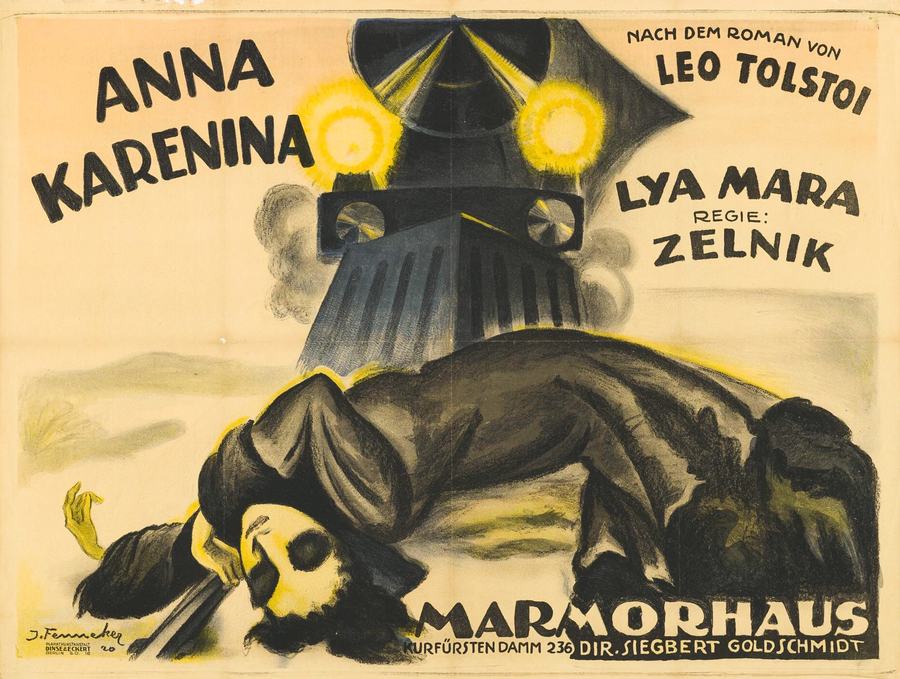
The year 1920 marked a pivotal epoch for the Weimar Republic’s burgeoning film industry, a period where the shadows of Expressionism began to lengthen across the landscape of European storytelling. In this fertile ground, the adaptation of Anna Karenina emerged not merely as a literary translation but as a visceral e...
Comparing the cinematic DNA and archive impact of two defining moments in cult history.
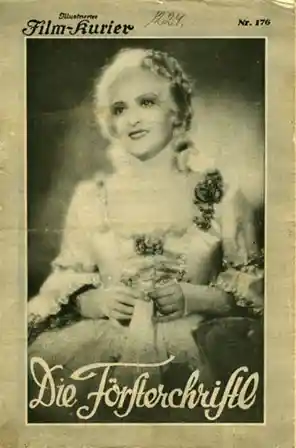
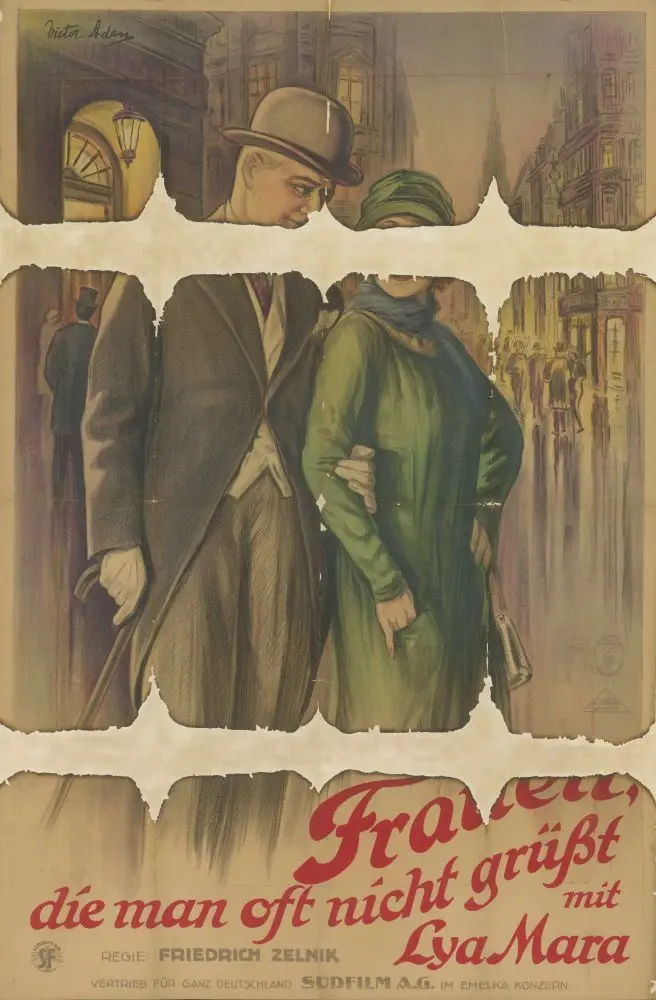
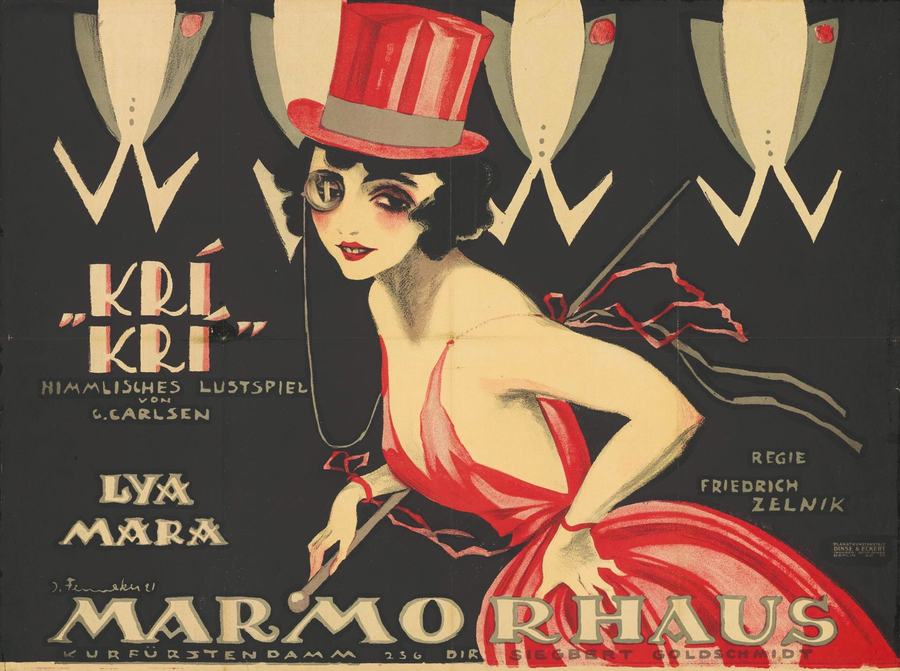
Frederic Zelnik
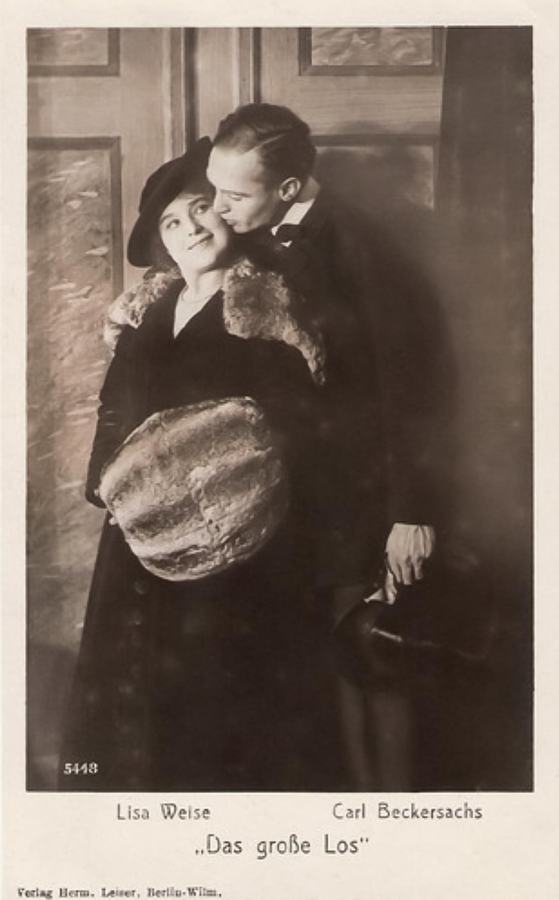
Frederic Zelnik
Community
Log in to comment.
" The year 1920 marked a pivotal epoch for the Weimar Republic’s burgeoning film industry, a period where the shadows of Expressionism began to lengthen across the landscape of European storytelling. In this fertile ground, the adaptation of Anna Karenina emerged not merely as a literary translation but as a visceral exploration of the human psyche trapped within the amber of Victorian-esque rigidity. Directed with a keen eye for the atmospheric, this silent rendition captures the haunting essen..."
Fanny Carlsen, Lev Tolstoy
Germany
Deep dive into the cult classic
Discover similar cinematic experiences
A Directorial Spotlight on Frederic Zelnik