Marion Fairfax
editorial_department, miscellaneous, writer
- Birth name:
- Marion Neiswanger
- Born:
- 1875-10-24, Richmond, Virginia, USA
- Died:
- 1970-10-02, Los Angeles, California, USA
- Professions:
- editorial_department, miscellaneous, writer
Biography
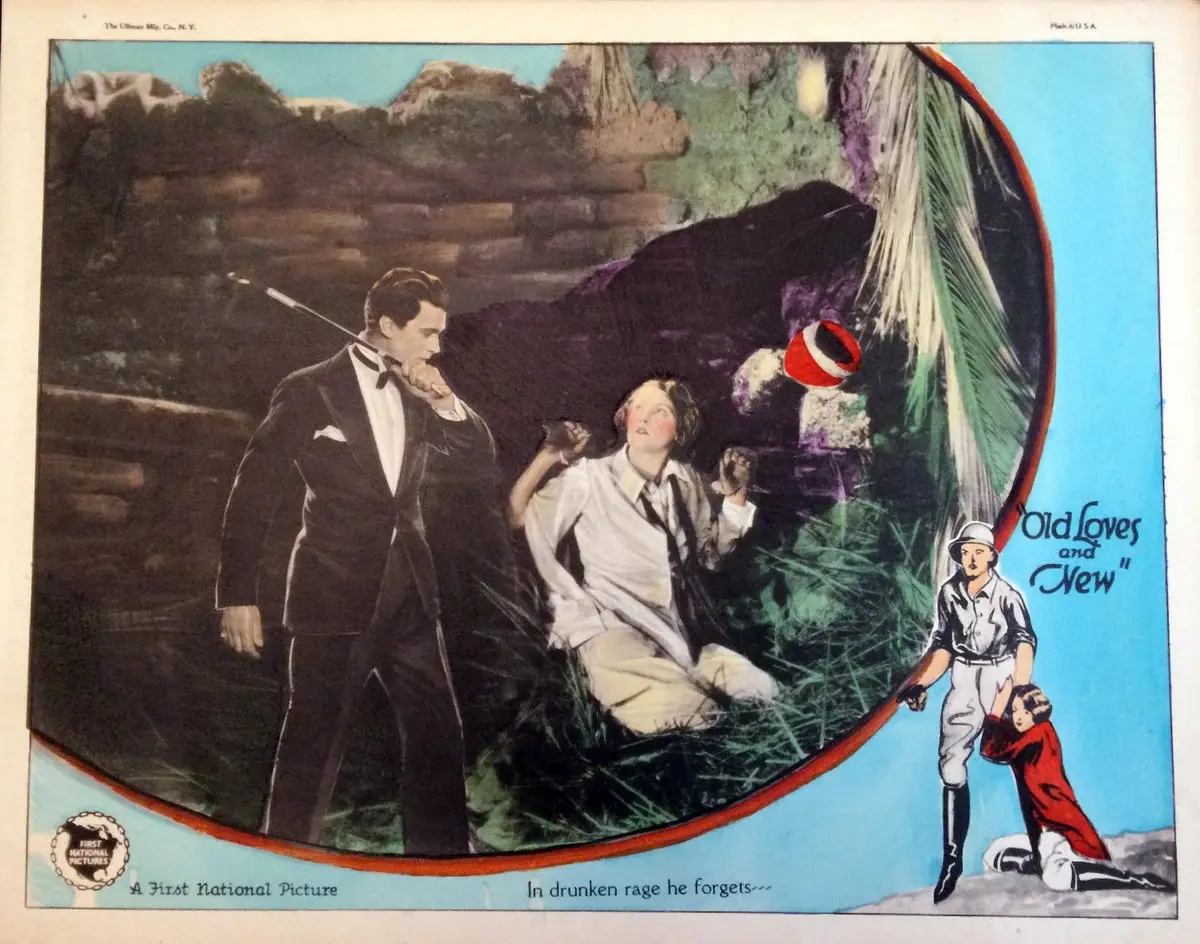
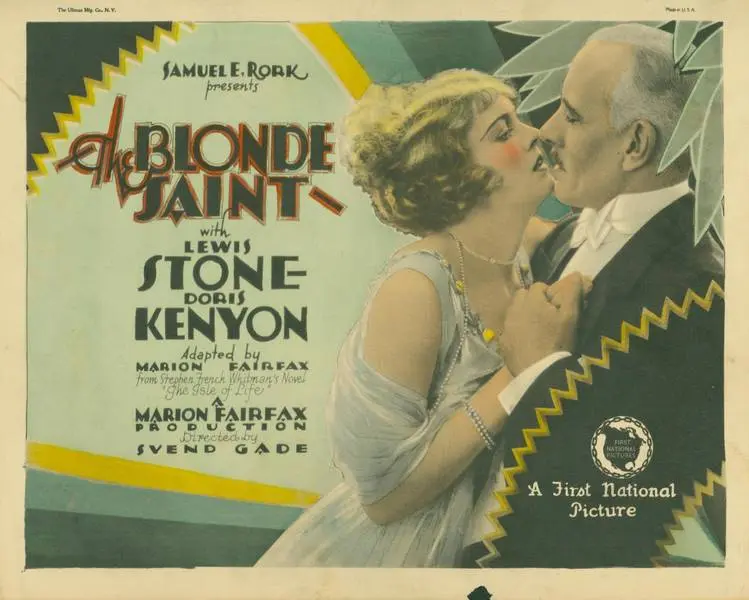
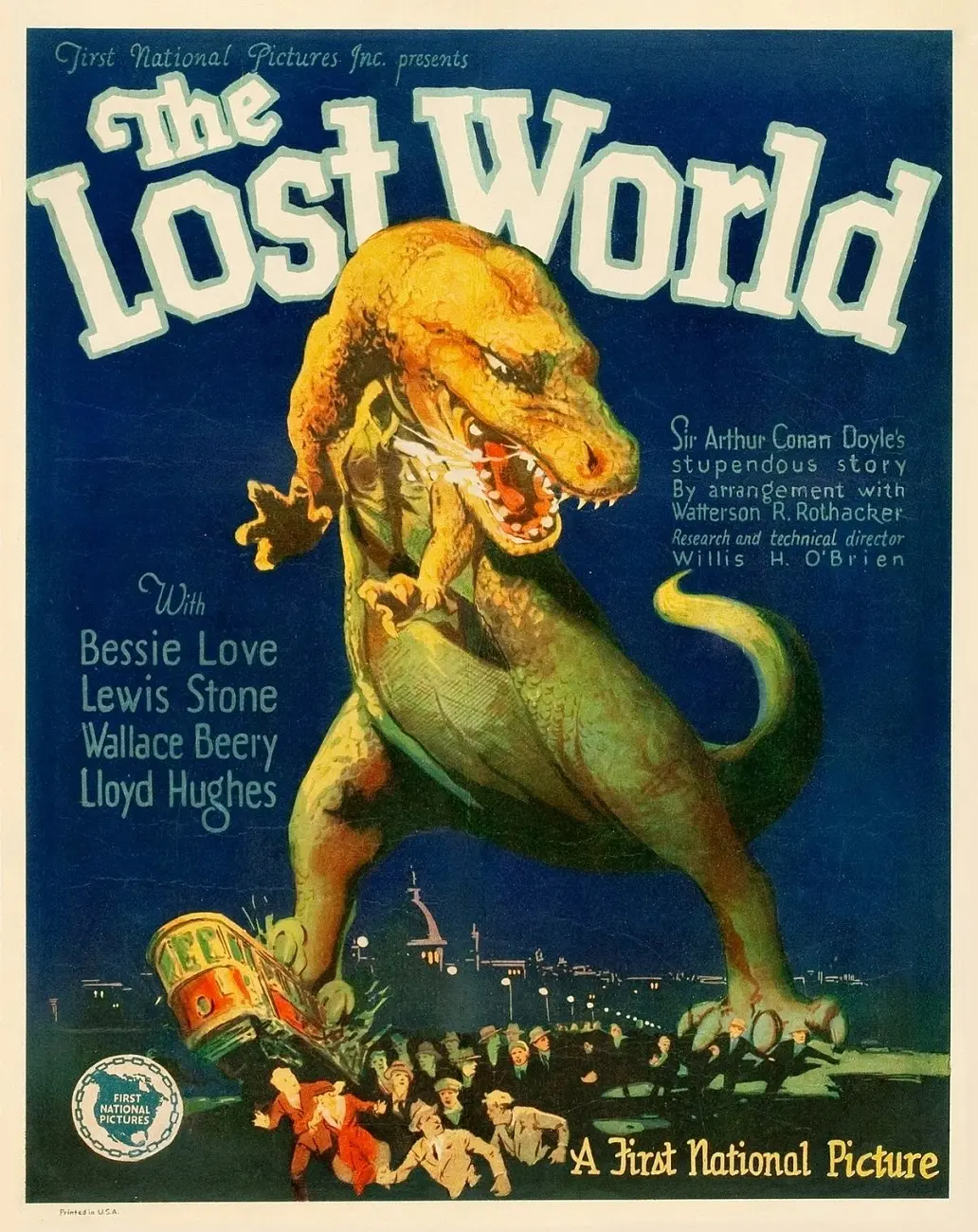
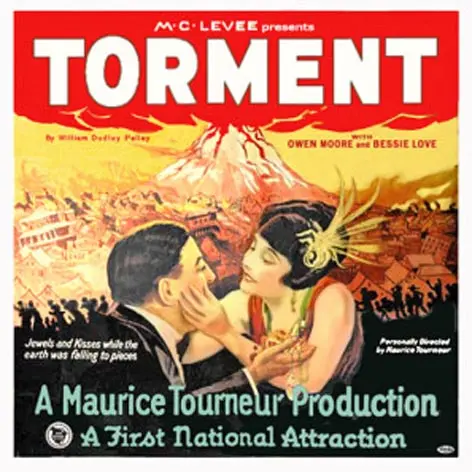
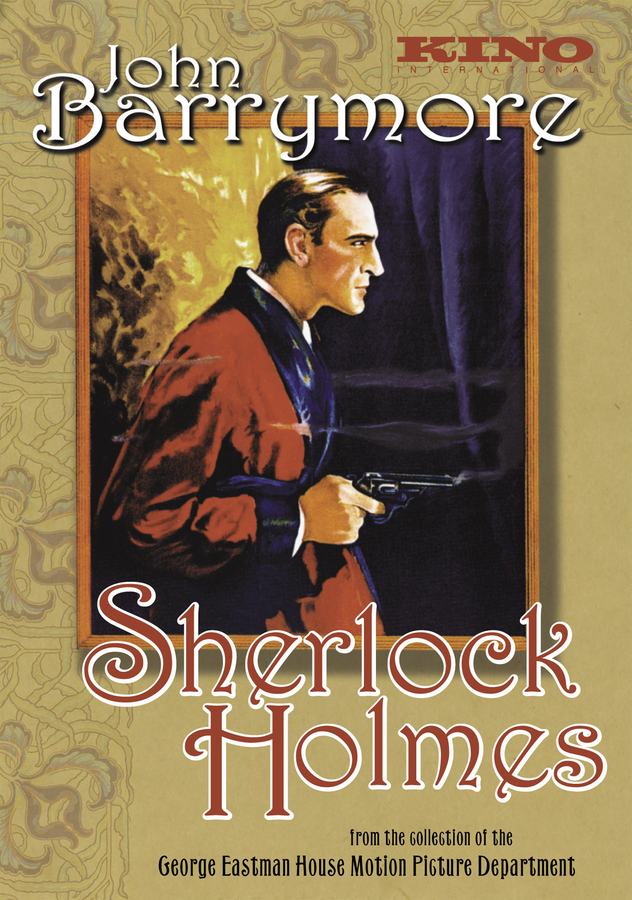
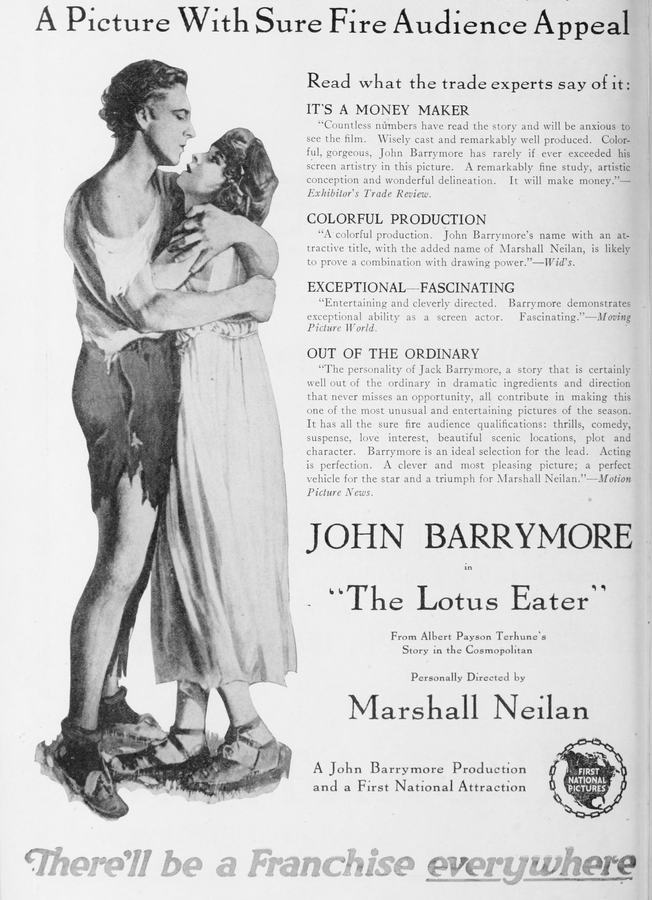
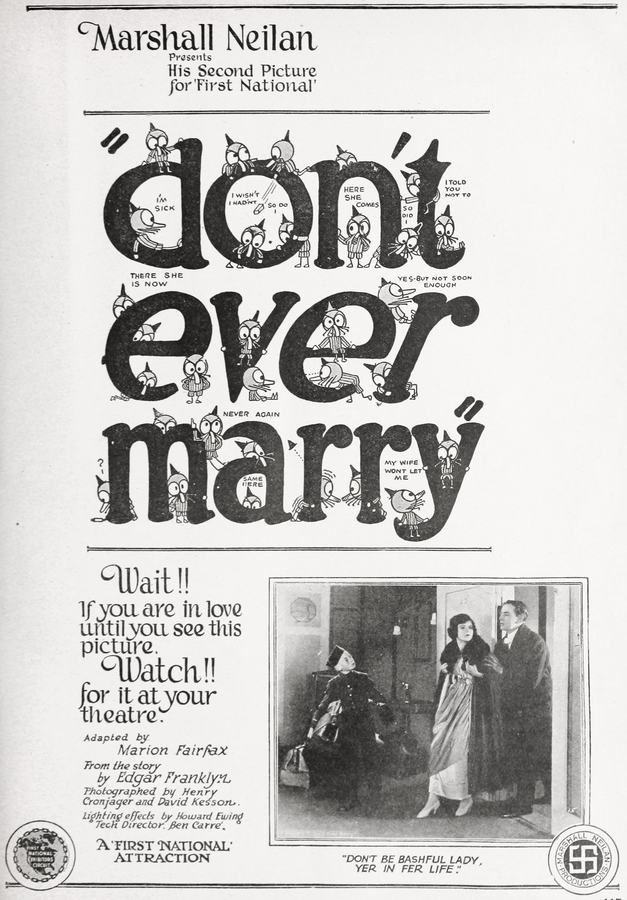
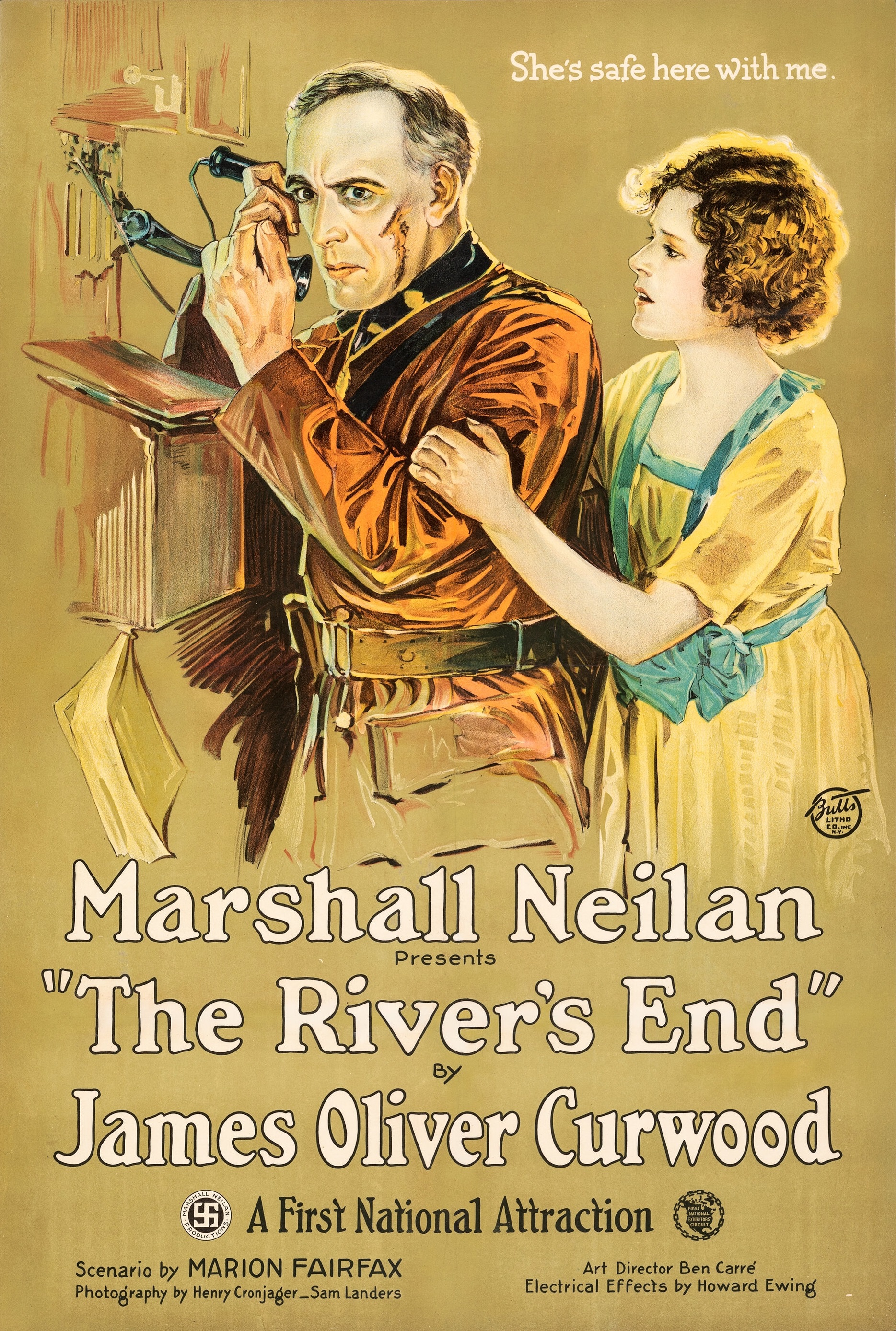
A prolific force on both Broadway and the silver screen, Marion Fairfax, born Marion Neiswanger, entered the world in Richmond, Virginia, on October 25, 1875. Her academic journey took her from Chicago's South Division High School to Boston's Emerson College. Though she initially graced the stage as an actress, her true calling soon shifted to the craft of writing. In 1899, she exchanged vows with actor Tully Marshall, whose birth name was Tully Marshall Phillips. Despite being known socially as Mrs. Tully Marshall and Marion Fairfax Marshall Phillips, she steadfastly published her creative works under the professional moniker, Marion Fairfax. Fairfax's Broadway acting debut proved fleeting, with 'The Triumph of Love' opening and closing at the Criterion Theatre on February 8, 1904, after a single performance. Undeterred, she soon unveiled her first produced play, 'The Builders.' Staged by her husband's Tully Marshall Company, with Marshall himself in the cast, it premiered at the Astor Theatre on May 20, 1907, enjoying a run of 16 performances. Greater success arrived with 'The Chaperon,' which opened at Maxine Elliott's Theatre on December 30, 1908, and captivated audiences for 62 performances. Her subsequent triumph, 'The Talker,' proved even more enduring, running for an impressive 144 performances – more than double its predecessor's achievement. For 'The Talker,' which again featured her husband, Marion Fairfax herself took the directorial reins, premiering it at the Harris Theatre on January 8, 1912. A collaborative effort with Ruth C. Mitchell, 'A Modern Girl,' produced by the Messrs. Shubert (Lee and J. J.), met a less fortunate fate, closing at the Comedy Theatre after just 17 performances following its September 12, 1914, opening. Her next theatrical venture, 'Mrs. Boltay's Daughters,' mirrored this brief run, also playing for 17 performances at the Comedy Theatre after its debut on October 23, 1915. Seeking new horizons, Fairfax relocated to California, where she joined the Jesse L. Lasky Feature Play Co. as a screenwriter. Her cinematic debut arrived in 1915 with *The Chorus Lady*, swiftly followed by two more films that year based on her scenarios: *Mr. Grex of Monte Carlo* and *The Immigrant*. A fruitful, albeit brief, partnership with director William C. de Mille commenced in 1916 with *The Blacklist*, a film he both co-wrote with Fairfax and directed. This successful alliance yielded nine additional features between 1916 and 1918. In 1917, Fairfax penned the screenplay for the Jack Pickford vehicle, *Freckles*, under the direction of Marshall Neilan. After contributing to the Wallace Reid feature *The Valley of the Giants* (1919), she departed Lasky three years later, reuniting with Neilan for *The River's End* (1920). This particular film, a product of Neilan's own production company, found distribution through First National. Their renewed collaboration flourished, resulting in six more films throughout 1920 and 1921, notable among them *Don't Ever Marry* (1920) and *The Lotus Eater* (1921), starring the legendary John Barrymore. Their final joint effort was *Fools First* (1922). Following her contribution to the adaptation of William Gillette's stage play, itself drawn from Sir Arthur Conan Doyle's tales, for Goldwyn Pictures' *Sherlock Holmes* (1922) – a film that saw John Barrymore embody the iconic detective – Fairfax stepped into the director's chair. From her own script, she helmed her sole directorial feature, *The Lying Truth* (1922), starring her husband, Tully Marshall. This ambitious project was produced by her own Marion Fairfax Productions, where she served as president, for the Eagle Producing Co., and distributed by American Releasing Co. Fairfax's most celebrated achievement as a screenwriter undoubtedly came with the classic *The Lost World* (1925), a masterful adaptation of Arthur Conan Doyle's groundbreaking novel. She also brought her own Broadway success, 'The Talker,' to the big screen in 1925 for First National. Her final credited screenplay was the romance *The Blonde Saint* (1926), directed by Maurice Tourneur and featuring Lewis Stone, an actor who had previously starred in four other First National productions penned by Fairfax. Tully Marshall's life concluded on March 10, 1943. Marion Fairfax herself passed away decades later, on October 2, 1970, and was interred beside her beloved husband at Hollywood Forever Cemetery in Hollywood, California, bringing a remarkable career to its peaceful close.
Filmography
Written (14)