Disillusioned in marriage, Jacques Leroi attempts an airship flight across the Pacific Ocean, but crashes and washes ashore on an island populated by a peaceful tribe of completely happy people. The islanders have divested themselves of selfish motives and social conventions and live in perfect harmony.
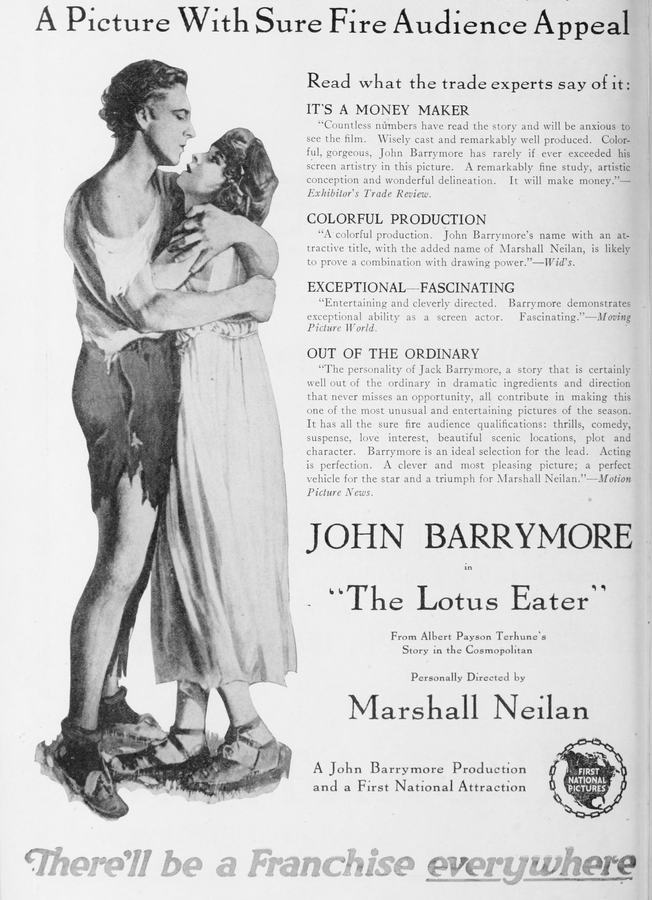
Imagine, for a moment, that The Great Gatsby collided with Tabu somewhere above the Pacific, scattering typewritten pages and palm fronds across the International Date Line. The wreckage that washes ashore is The Lotus Eater—a 1921 silent so ahead of its psychic curve it feels like it was dreamt by tomorrow and merely...
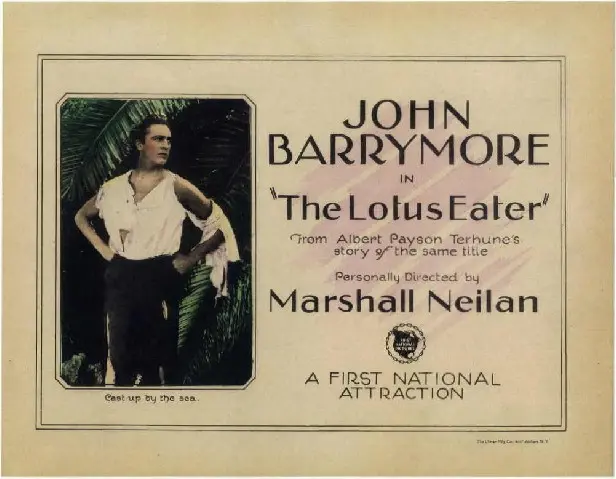
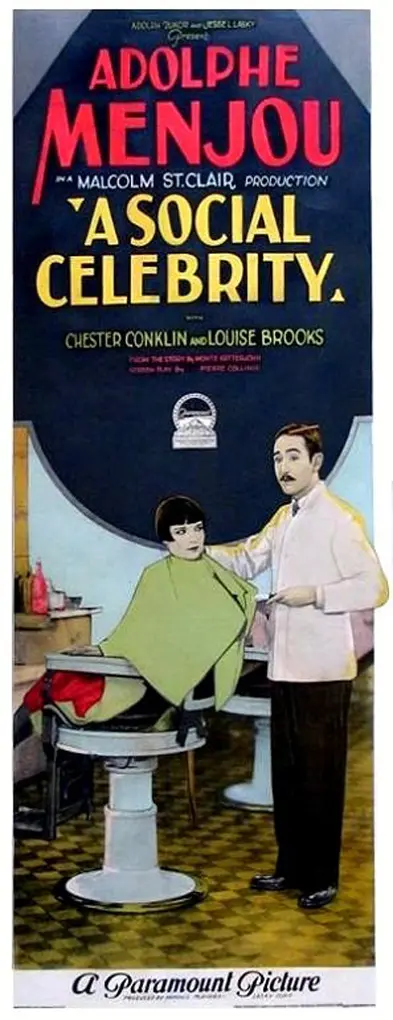
production_art
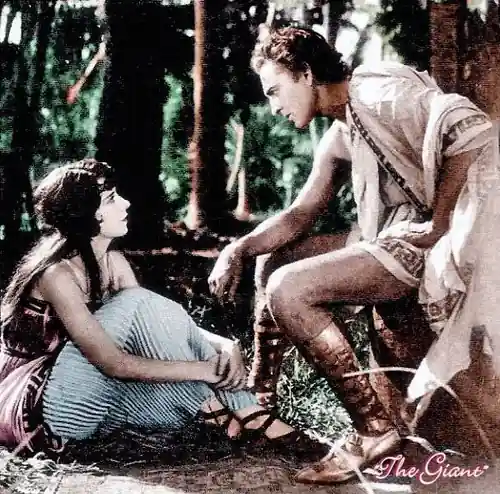
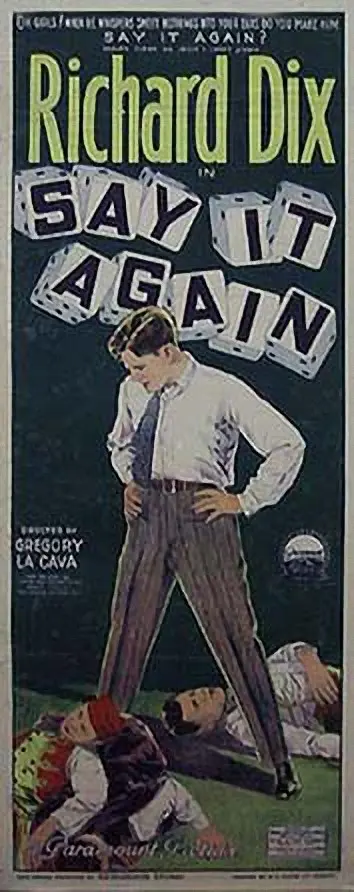
production_art

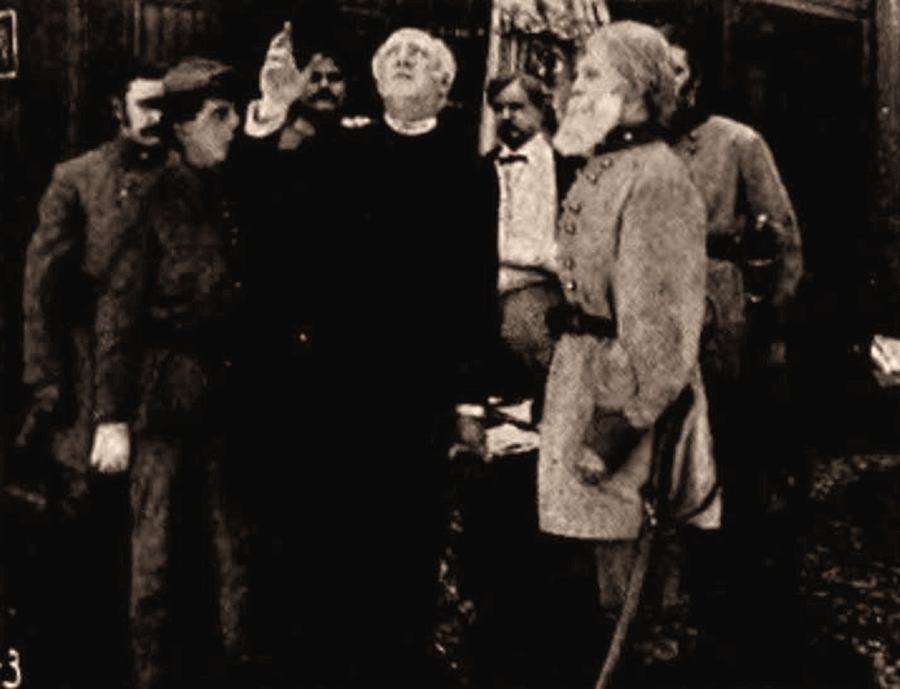
still_frame
production_art
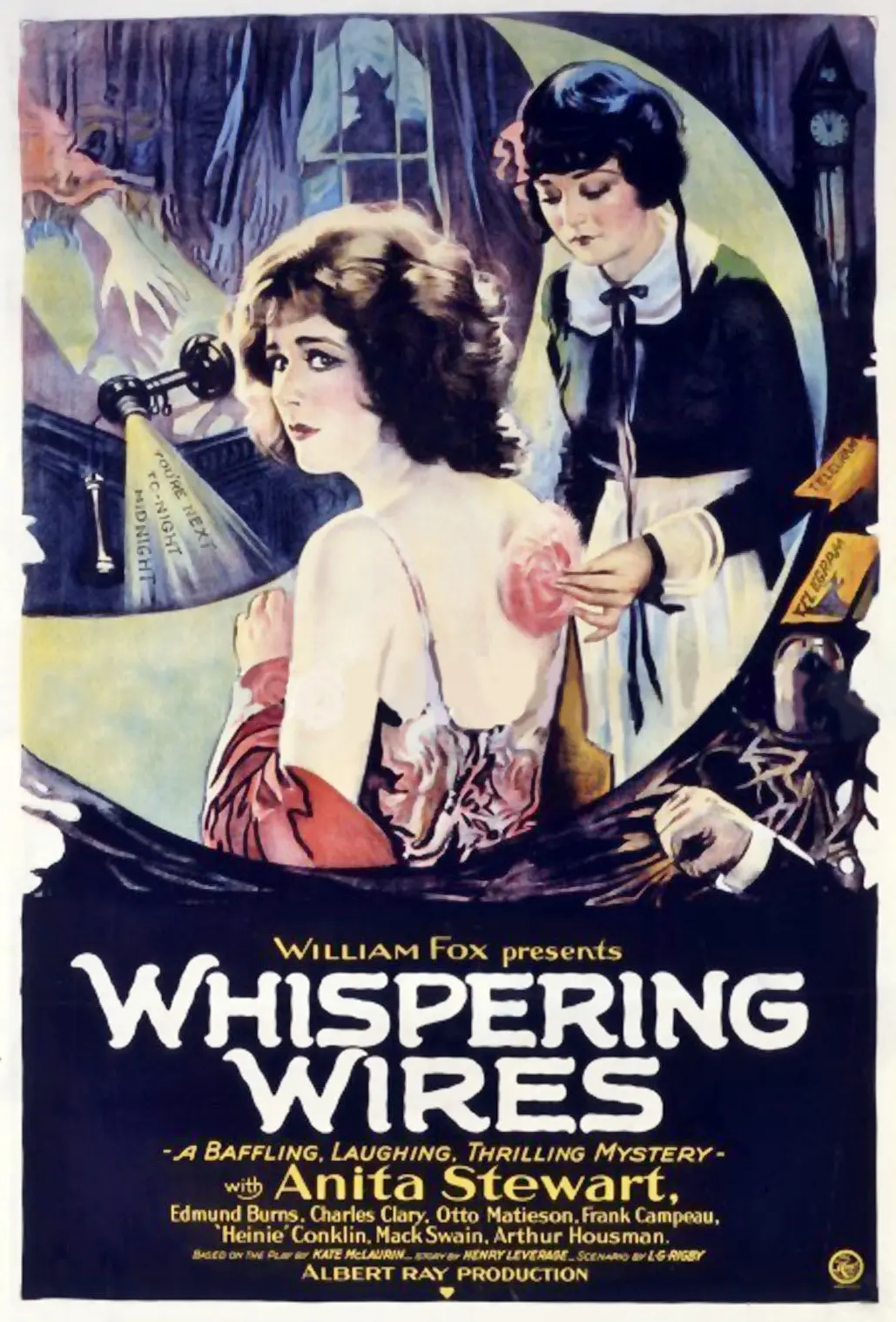
Comparing the cinematic DNA and archive impact of two defining moments in cult history.
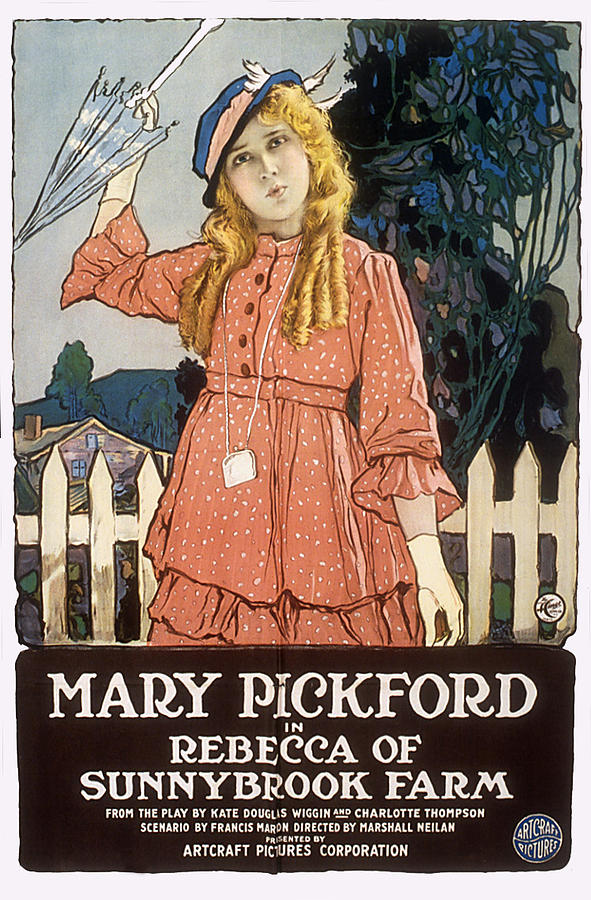
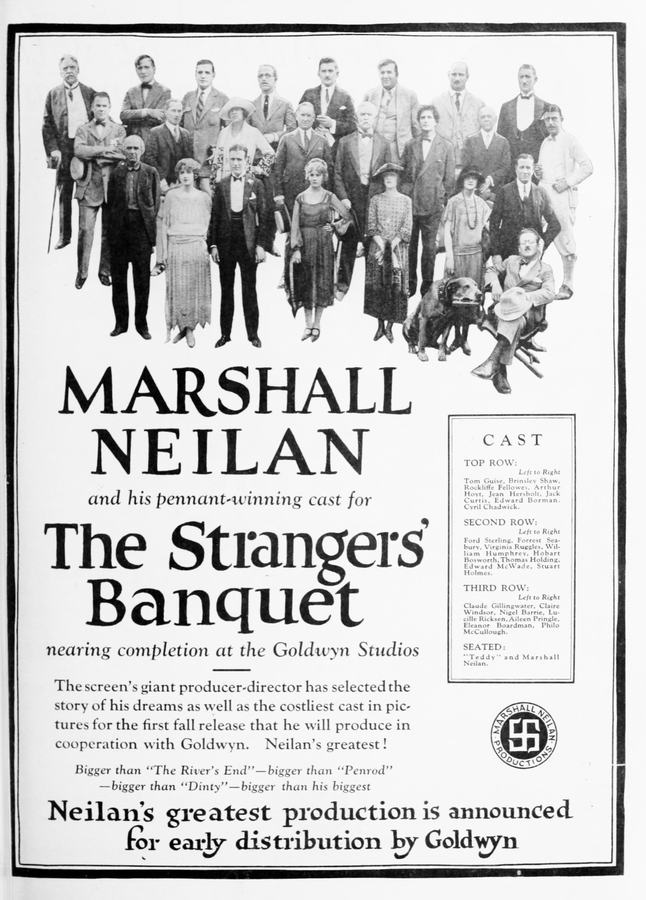
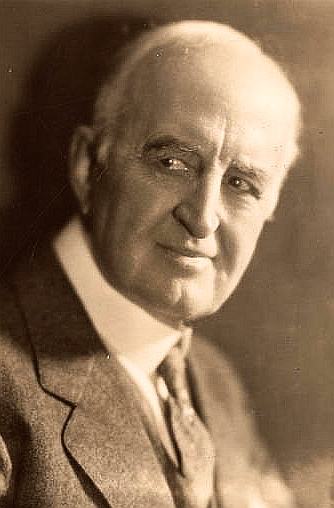
Marshall Neilan
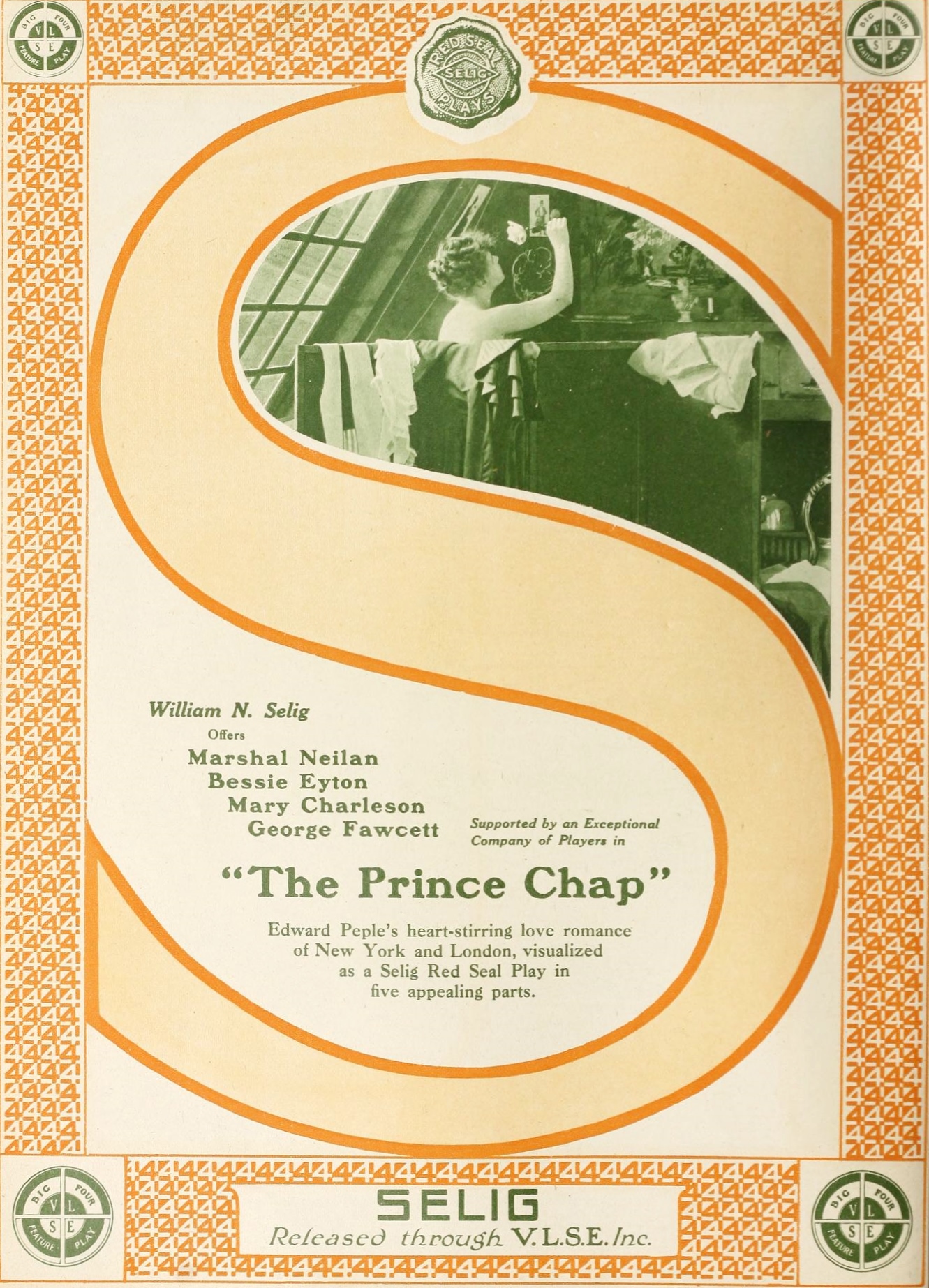
Marshall Neilan
Community
Log in to comment.
" Imagine, for a moment, that The Great Gatsby collided with Tabu somewhere above the Pacific, scattering typewritten pages and palm fronds across the International Date Line. The wreckage that washes ashore is The Lotus Eater—a 1921 silent so ahead of its psychic curve it feels like it was dreamt by tomorrow and merely developed by yesterday. Paramount released it during the same season audiences guzzled bootleg gin in blind tigers, yet its true intoxicant is metaphysical: How do you divorce you..."
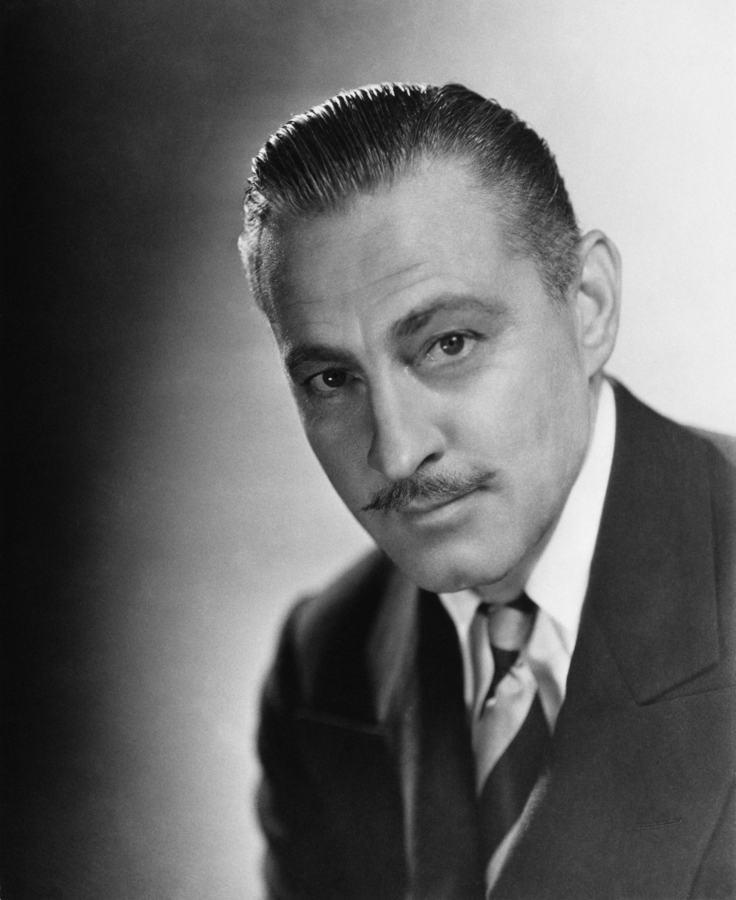
John Barrymore
Albert Payson Terhune, Marion Fairfax
United States


Deep dive into the cult classic
Discover similar cinematic experiences
A Directorial Spotlight on Marshall Neilan