When her mother remarries, a young Belgian girl is left behind with her nurse, but when Germany invades the country, she is sent to America to find her mother..
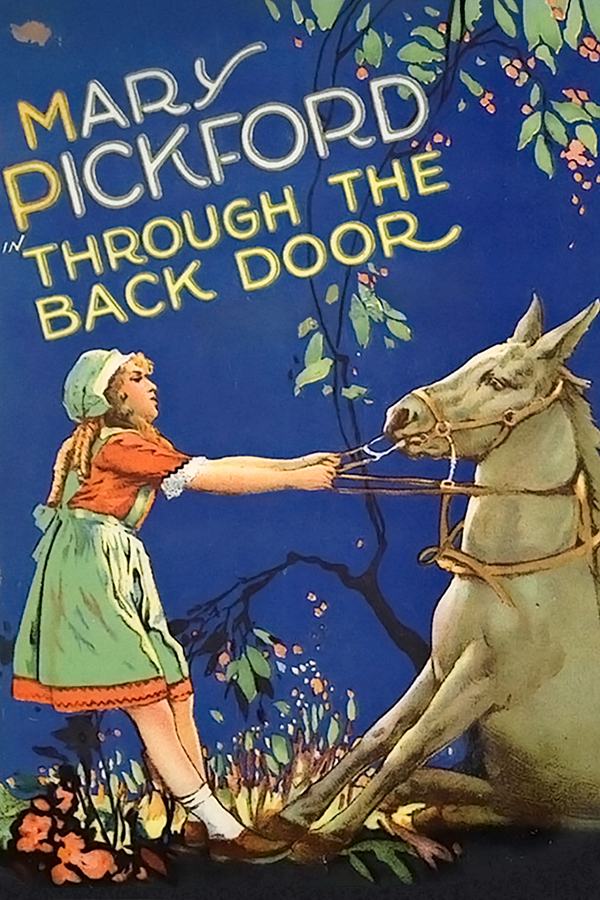
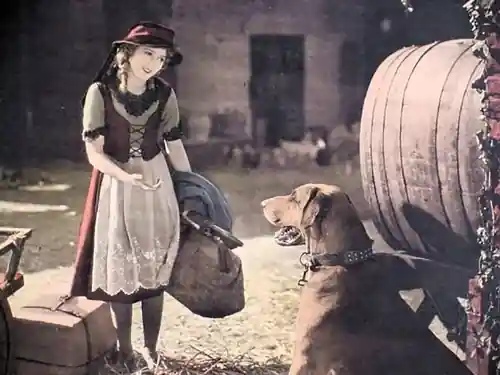
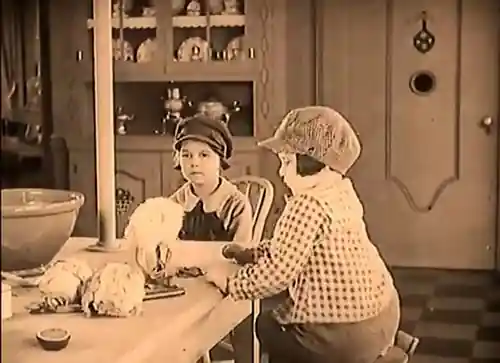
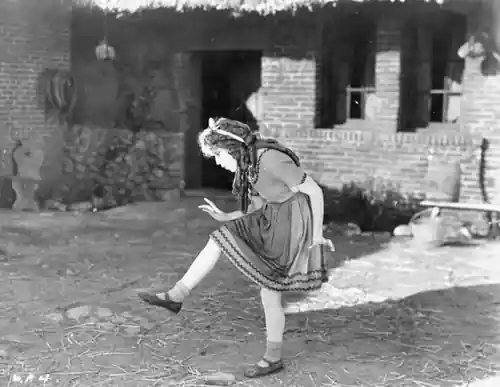
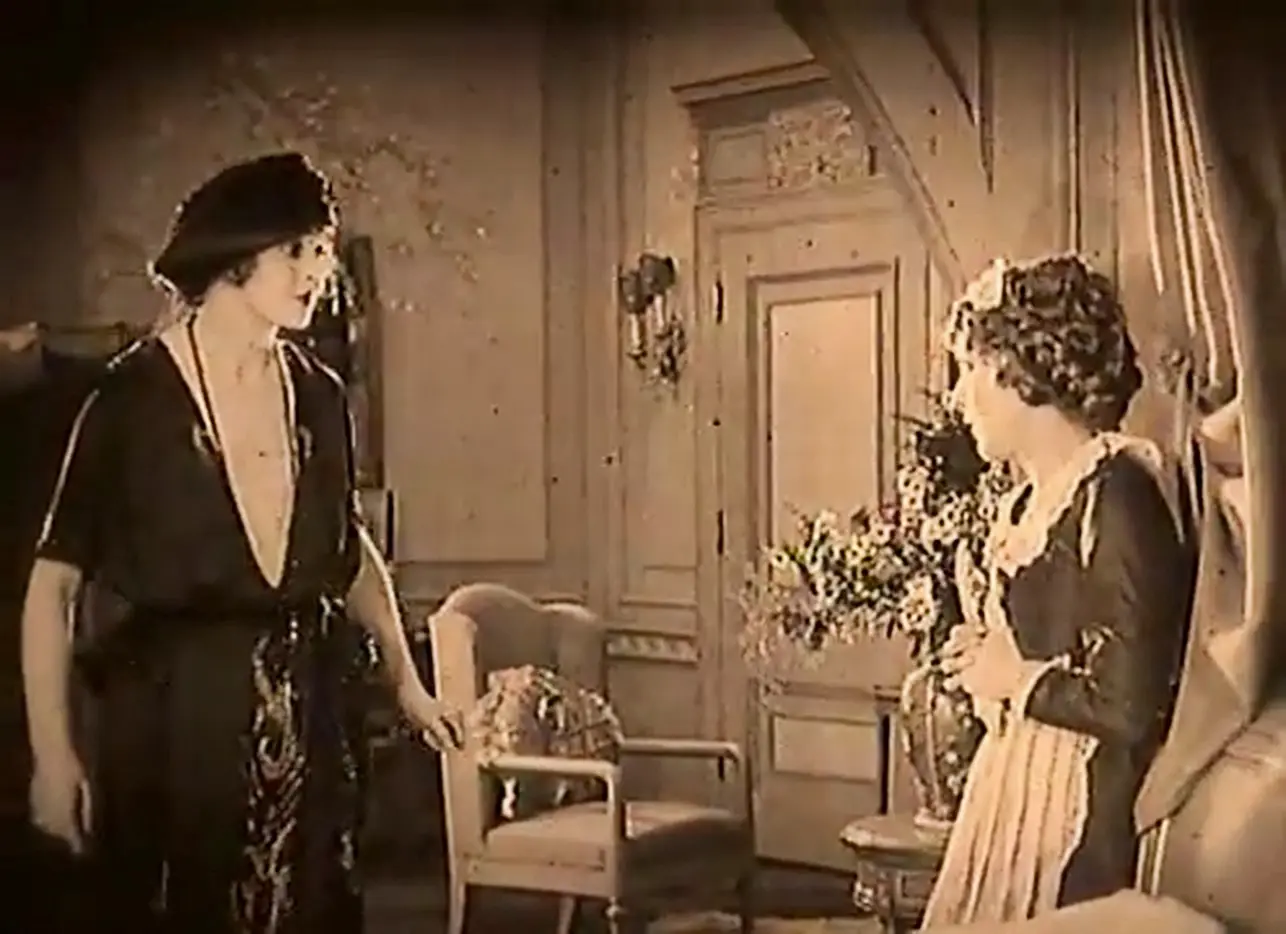
Imagine, for a moment, the celluloid of 1921 as a fragile pane of stained glass: most films let the light hit predictable blues and reds, but Through the Back Door tilts the pane until the colors slide into unsettling new spectra. The plot—ostensibly a yarn about a Belgian waif hunting her expatriate mother—refuses to...
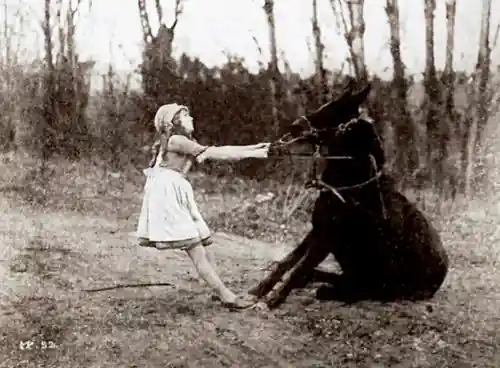
still_frame
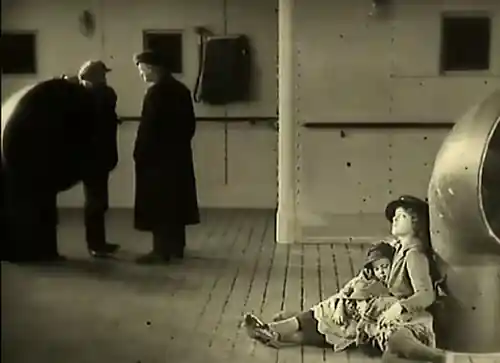
still_frame
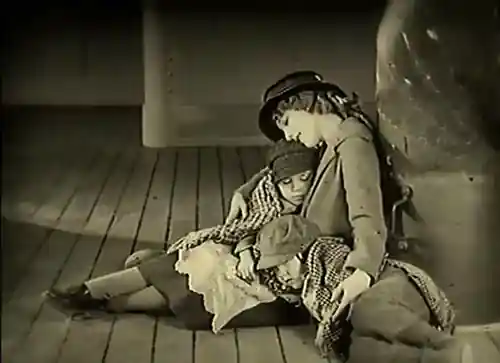
still_frame
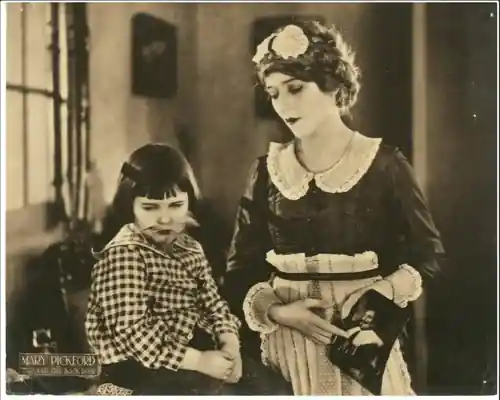
still_frame
still_frame
still_frame
still_frame
still_frame

Comparing the cinematic DNA and archive impact of two defining moments in cult history.
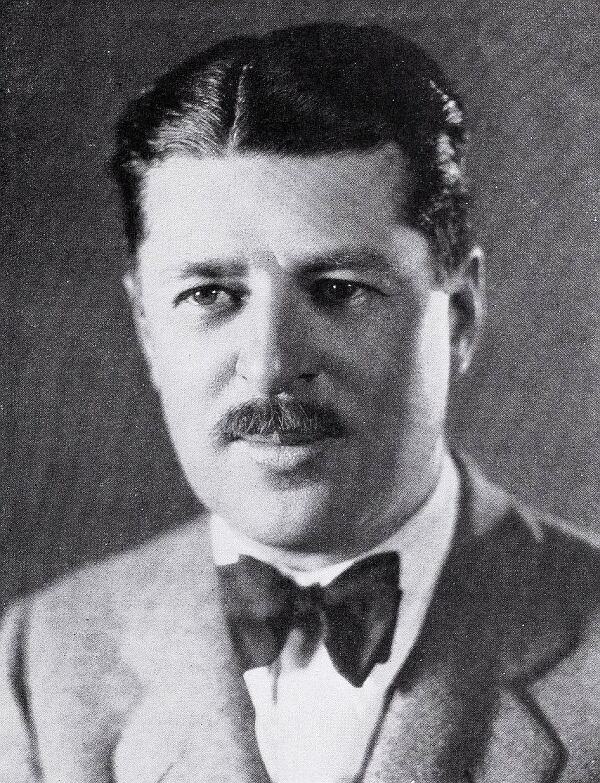
Alfred E. Green
Alfred E. Green
Community
Log in to comment.
" Imagine, for a moment, the celluloid of 1921 as a fragile pane of stained glass: most films let the light hit predictable blues and reds, but Through the Back Door tilts the pane until the colors slide into unsettling new spectra. The plot—ostensibly a yarn about a Belgian waif hunting her expatriate mother—refuses to stay within the gilt frame of its synopsis. Instead, it fractures into a kaleidoscope of exile, class panic, and proto-feminist rage, all held together by Mary Pickford’s preterna..."
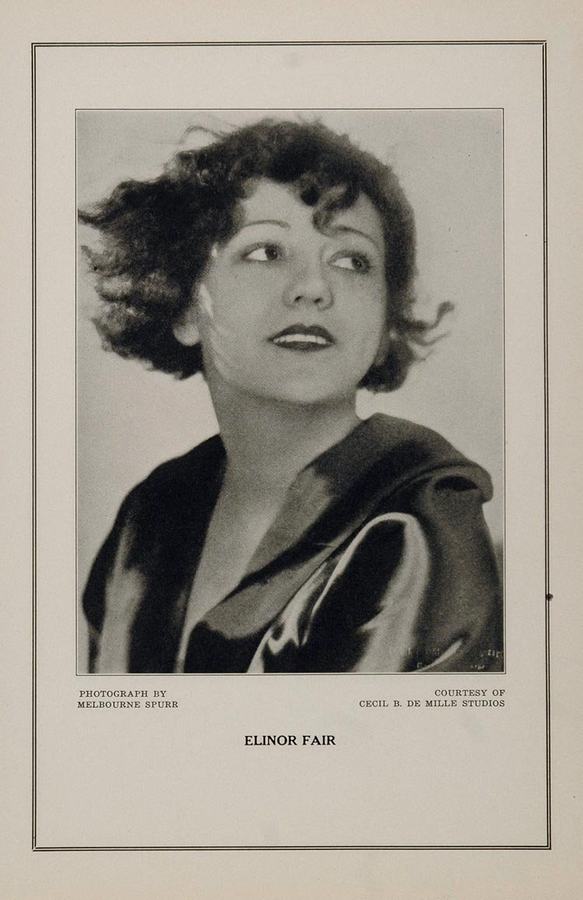
Elinor Fair
Gerald C. Duffy, Marion Fairfax
United States