
DbcultAccessing Vault...
Director's Spotlight
Senior Film Conservator
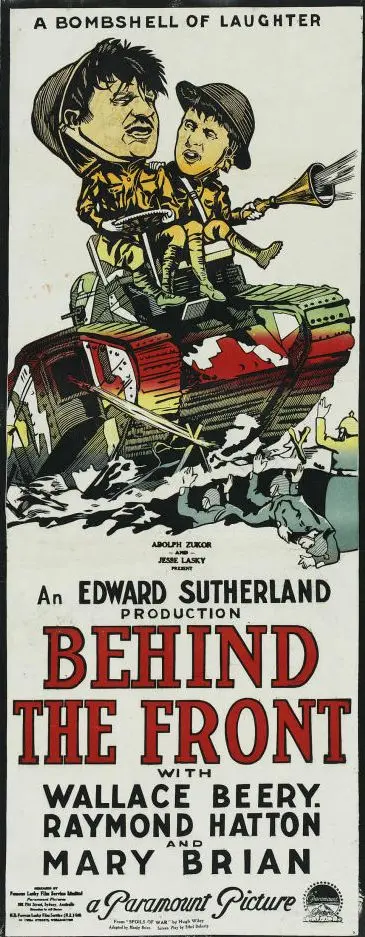
Director's Spotlight: United States
A Deep Dive into the 1926 Vision of A. Edward Sutherland
Few works in United States cinema carry the same weight as Behind the Front, especially regarding the technical innovation that A. Edward Sutherland introduced to the Comedy format. Subverting the expectations of the typical 1926 audience, it bridges the gap between traditional Comedy and contemporary vision.
In Behind the Front, A. Edward Sutherland pushes the boundaries of conventional narrative. The film's unique approach to its subject matter has sparked endless debates and interpretations among cinephiles and critics alike.
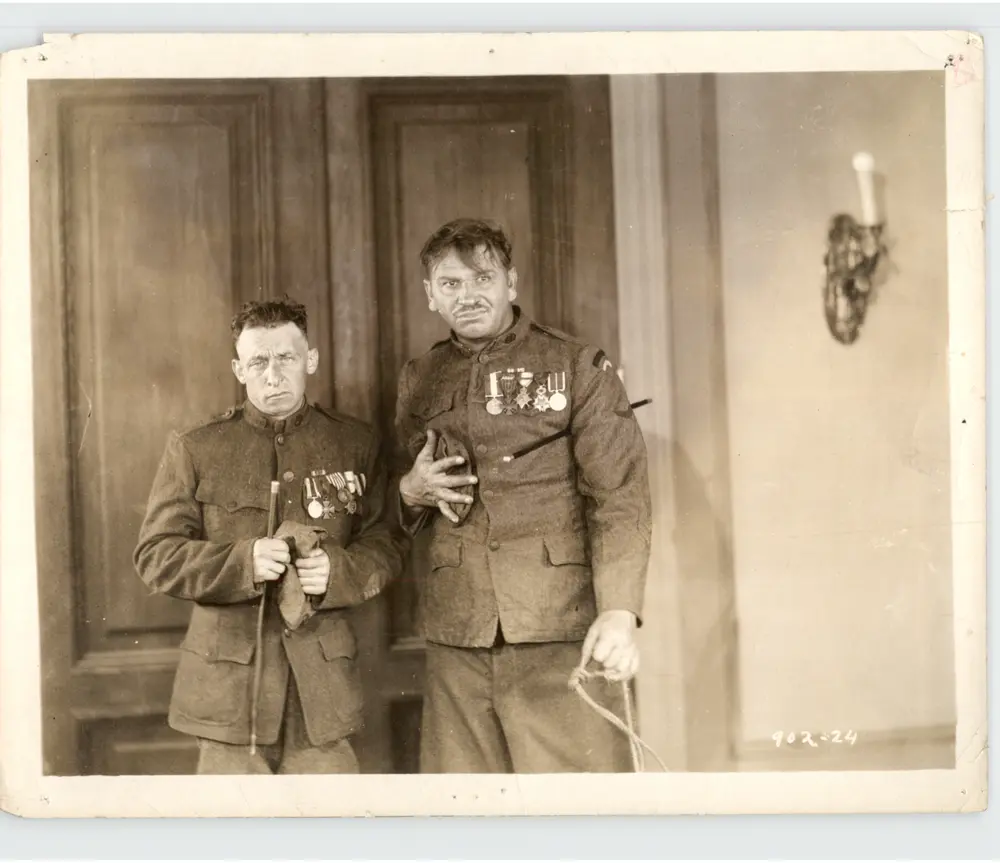
The visual language of Behind the Front is defined by its use of shadows and framing, a hallmark of A. Edward Sutherland's style. By utilizing a 1926-era palette, the film creates an immersive experience that perfectly complements its Comedy themes.
| Cinematography | Deep Focus |
| Soundtrack | Orchestral |
| Editing | Invisible |
| Art Direction | Kitsch |
Visualizing the convergence of A. Edward Sutherland's style and the core Comedy narrative.
During World War I a young man joins the army and winds up befriending another young recruit, not knowing that it's the same pickpocket who stole his watch. After finishing basic training, the two are sent to the front lines in France, where they wind up in trouble with the MPs, getting involved with some cute French girls and "volunteering" for a dangerous front-line mission, and their antics result in their endangering the armistice.
Decades after its release, Behind the Front remains a vital piece of the cinematic puzzle. Its influence can be seen in countless modern works, solidifying A. Edward Sutherland's status as a master of the craft in United States and beyond.