
DbcultAccessing Vault...
Film History
Archivist John
Senior Editor
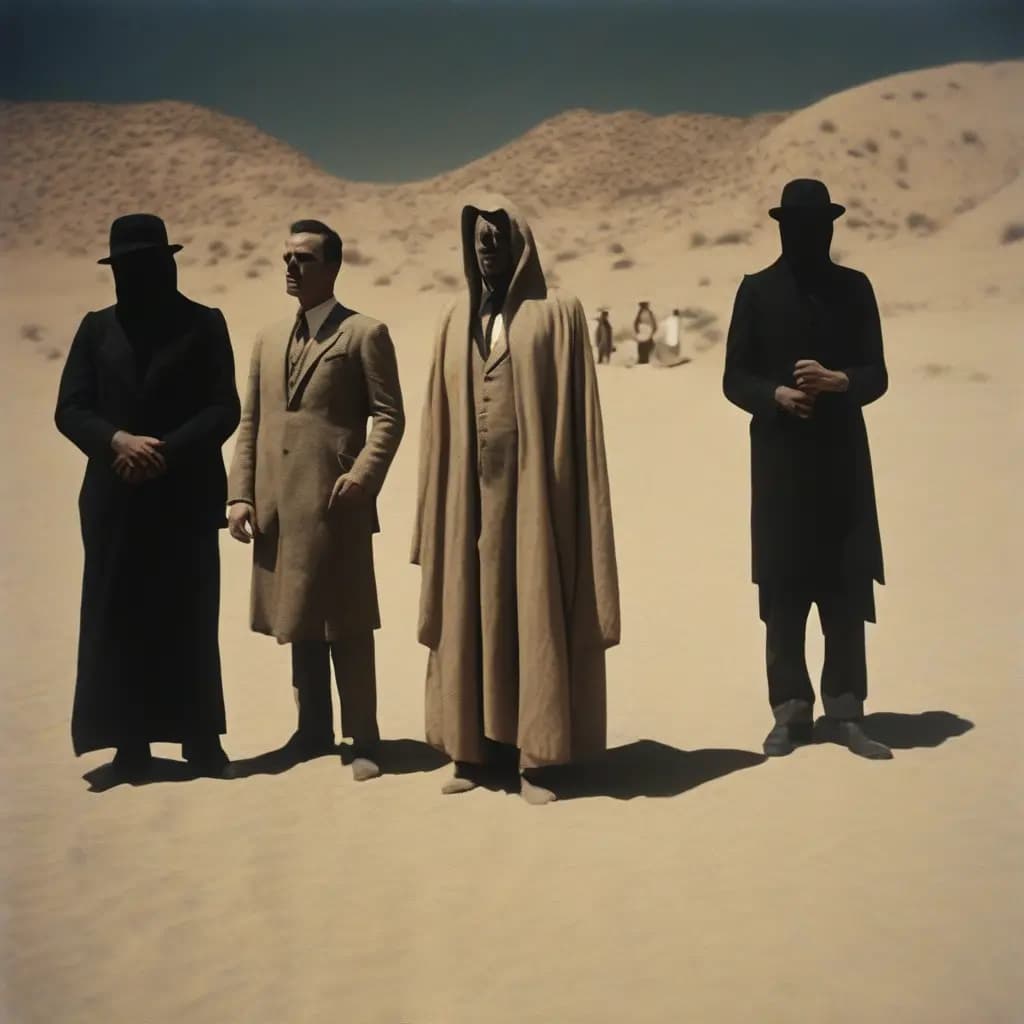
Modern audiences often think of the 'stranger in a strange land' trope as a product of 1970s paranoia or the gritty realism of 90s indie cinema. They are wrong. To find the true roots of the cursed traveler—the protagonist who is doomed the moment they step off the train or boat—we have to look back at the international thrillers of the 1910s and 1920s. These films didn't just tell stories of adventure; they mapped out a specific kind of cinematic dread that suggests the world is a hostile, prophetic machine designed to crush the interloper. This isn't just drama; it is the foundation of the cult mindset: the belief that some forces are too ancient and too vast to be escaped.
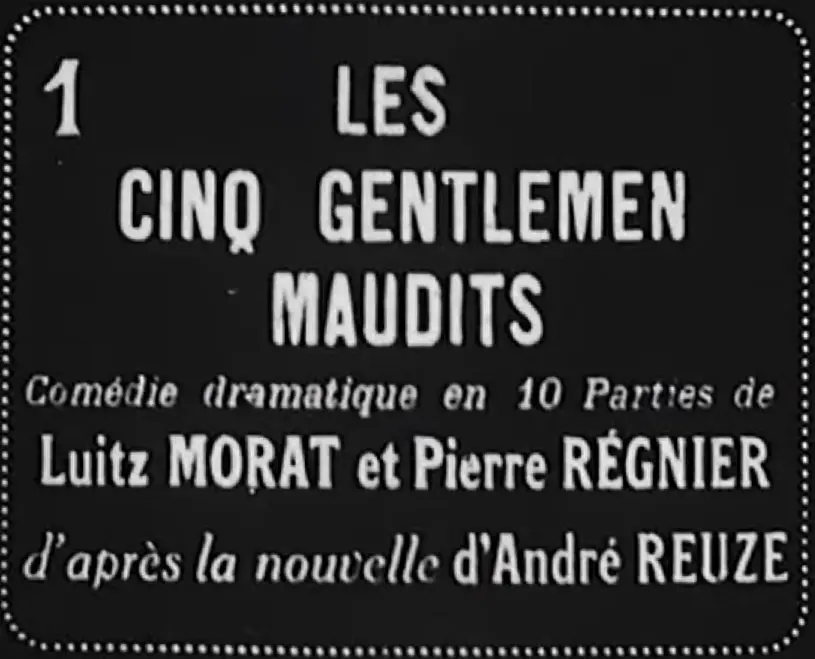
The 1920 French production Les cinq gentlemen maudits (The Five Accursed Gentlemen) serves as the definitive starting point for this obsession. The plot is deceptively simple: an African soothsayer predicts death for a group of five Westerners. In modern cinema, we see this in the 'Final Destination' franchise or folk horror like 'Midsommar,' but in 1920, this was a radical shift from the Victorian adventure novel. The 'curse' here isn't just a plot point; it’s an atmospheric weight. The film uses the vast, unfamiliar landscapes of North Africa to make the characters look small, foolish, and inherently marked for destruction.
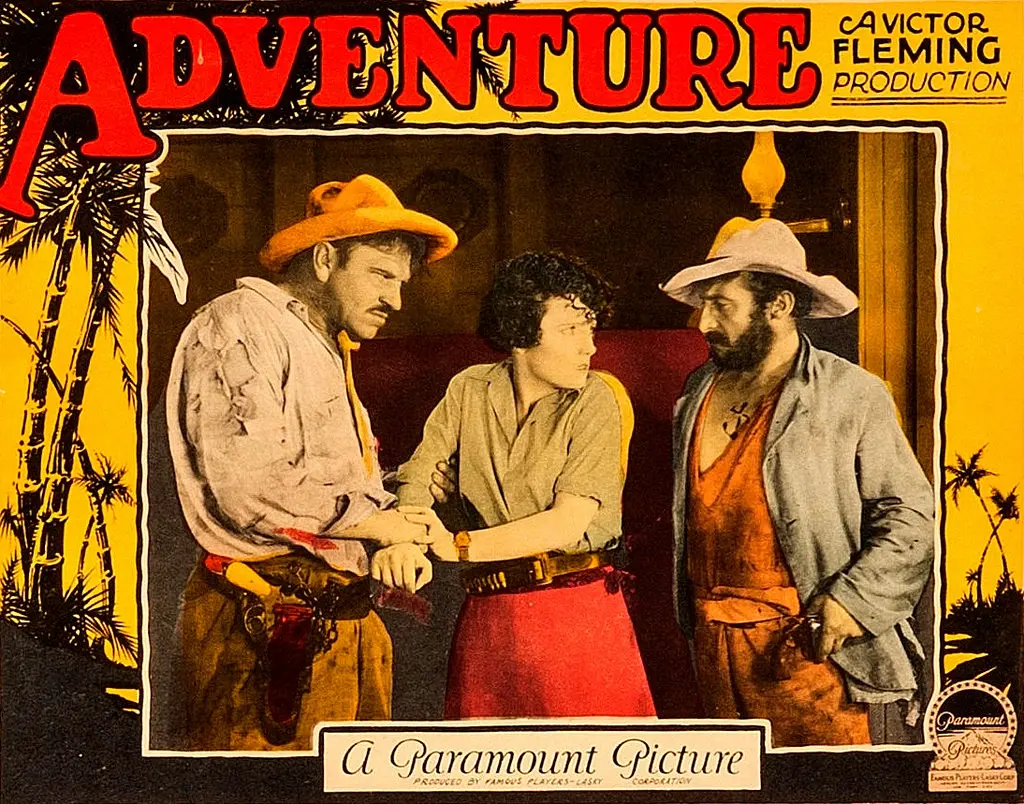
There is a specific moment in the film where the group’s skepticism begins to erode. It isn't a jump scare; it's the realization that their Western logic—their money, their status, their maps—means absolutely nothing in the face of a local prophecy. I would argue that this is the first time cinema successfully captured the 'existential shiver' that defines cult horror today. It’s the feeling that you’ve walked into a room where the rules were written a thousand years before you were born.
If Les cinq gentlemen maudits is about the doom of the group, The Man Who Won (1923) is about the isolation of the individual. Christopher Keene's journey—acquiring platinum in Siberia, then trekking across the Himalayas and the Malay Peninsula—is a masterclass in the 'travelogue of agony.' Unlike the swashbuckling heroes of the later talkies, Keene is a man pursued by the very scale of the world. He is hiding a secret for the U.S. government, but the real antagonist is the geography itself.
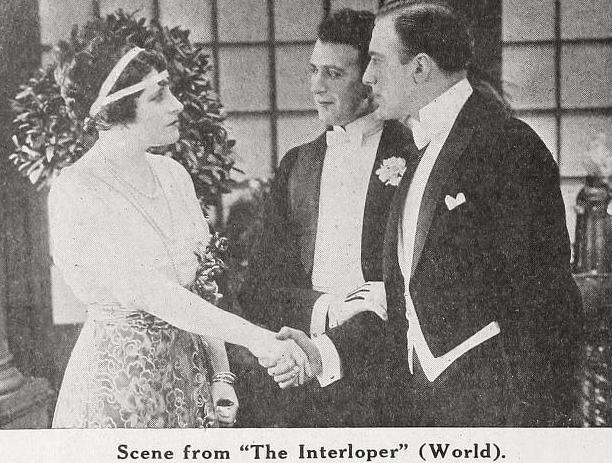
The 1920s travelogue wasn't just about seeing the world; it was about the world seeing you, and finding you wanting.
Compare this to the 1921 version of The Four Feathers. We often remember the later Technicolor versions, but the silent era's depiction of the 'coward' Harry Faversham is much more visceral. When he resigns his commission and poses as an Arab to save his comrades, the film leans into the psychological horror of erasure. He isn't just a spy; he is a man who has to annihilate his own identity to survive. This 'identity erasure' is a recurring theme in cult cinema, from the masked killers of slasher films to the brainwashed victims in 'The Manchurian Candidate.'
One of the most debatable points in film history is whether silent cinema was truly 'silent' in its political messaging. Look at The Cossack Whip (1916). The film depicts Feodor Turov, the chief of the Russian Czar's secret police, ordering a massacre on a village he suspects of rebellion. The imagery of the Cossacks attacking is brutal, even by today's standards. But the real cult energy comes from the aftermath—the survivor's hunt for vengeance.
The 'whip' isn't just a weapon; it’s a symbol of the state's reach. In a scene that feels shockingly modern, the protagonist is forced to confront the fact that her enemy isn't just a man, but an entire system of surveillance and violence. This is the blueprint for the 'lone wolf' cult hero. It’s a punchy, cynical view of authority that would eventually evolve into the dystopian nightmares of the 70s. My stance is clear: you cannot understand the nihilism of 'Mad Max' or 'John Wick' without first seeing the raw, unpolished rage of The Cossack Whip.
Not every cursed journey involves crossing an ocean. Sometimes, the 'foreign land' is just the city. The House That Jazz Built (1921) offers a fascinating, albeit conservative, look at domestic destruction. Frank and Cora Rodham start in a modest bungalow—the ultimate symbol of 1920s safety. But when they move to a New York apartment, the 'city' becomes the curse. The apartment itself is filmed like a trap; the jazz, the parties, and the new social circles are depicted as parasitic entities that eat away at their marriage.

This is an unconventional observation: The House That Jazz Built is actually a proto-haunted house movie. The 'ghosts' are the social expectations of the Jazz Age. The way the camera lingers on the cramped, busy spaces of the city apartment creates a sense of claustrophobia that mirrors the 'urban hell' films of the 1970s. It suggests that even in your own country, you can become a 'gentleman maudit' if you let the wrong influences in.
Then there is The Wildcat of Paris (1918). Set against the backdrop of international turmoil, it follows a girl from the Parisian underworld. Here, the 'curse' is class. The protagonist is an outsider in her own city, fighting for survival in a world that views her as disposable. The film’s grit and focus on the 'low-life' perspective is what makes it a cult ancestor. It rejects the polished heroism of the era in favor of a dirty, desperate struggle. It’s the same energy you find in 'The Warriors' or 'Escape from New York'—the city is a jungle, and only the wildest survive.
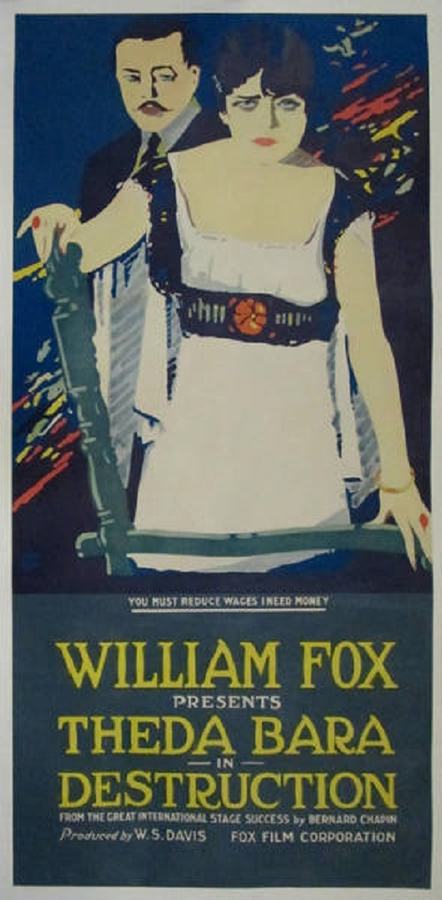
Why do we still worship at the altar of the cursed traveler? Because these films tapped into a universal fear that has only grown more relevant: the fear that we are being watched, judged, and ultimately rejected by a world we don't understand. Whether it’s the literal curse in Les cinq gentlemen maudits or the social trap in The House That Jazz Built, these stories tell us that the 'outsider' is the only honest character in the frame.
If you want to understand why we are still obsessed with 'folk horror' or 'elevated thrillers,' stop looking at the 1970s. Look at the 1920s. Look at the gentlemen who were cursed by a soothsayer’s word. Look at the man who carried platinum across the Himalayas. They are the true architects of our modern cinematic nightmares. They taught us that the world is a beautiful, terrifying trap, and that sometimes, the only way to win is to keep moving until the screen goes black.