
DbcultAccessing Vault...
Listicle
Archivist John
Senior Editor
The flickering images of the silent era hold a unique magic, a window into a world where storytelling relied solely on visual artistry, emotive performances, and the universal language of human experience. Before sound revolutionized cinema, pioneers crafted intricate narratives, breathtaking spectacles, and intimate dramas that captivated audiences worldwide. Yet, many of these early masterpieces, often victims of time, neglect, or the fragility of nitrate film, have faded into obscurity, becoming "lost treasures" waiting to be rediscovered.
Join us as we embark on a thrilling archaeological dig through the annals of film history, unearthing ten remarkable silent films from the 1910s and 1920s. These cinematic gems, ranging from gripping dramas and uproarious comedies to poignant war tales and exotic adventures, not only reflect the social fabric and artistic ambitions of their time but also showcase the incredible ingenuity of early filmmakers. Prepare to be enchanted by the artistry and enduring legacy of an era that laid the very foundations of modern cinema.
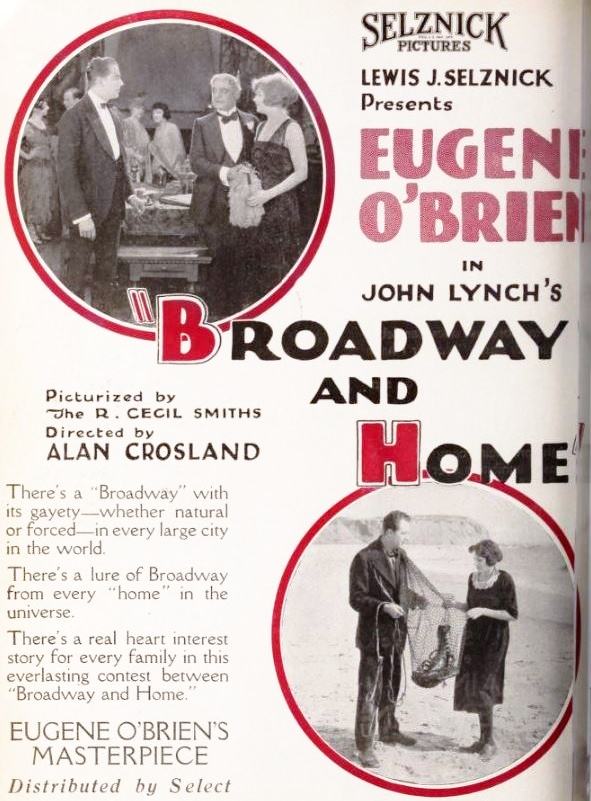
In the vibrant aftermath of World War I, society grappled with changing values, a theme beautifully explored in Broadway and Home. This 1920 drama likely delves into the compelling contrast between the glittering, fast-paced allure of city life—epitomized by Broadway—and the comforting, often challenging, realities of domestic existence. It's a tale that would have resonated deeply with audiences navigating the complexities of post-war reconstruction, personal ambition versus family duty, and the evolving roles within society. The film's narrative would have masterfully used the visual storytelling unique to the silent era to portray emotional depth and character development, making it a poignant reflection on where true happiness lies amidst societal pressures.
Read full review of Broadway and Home
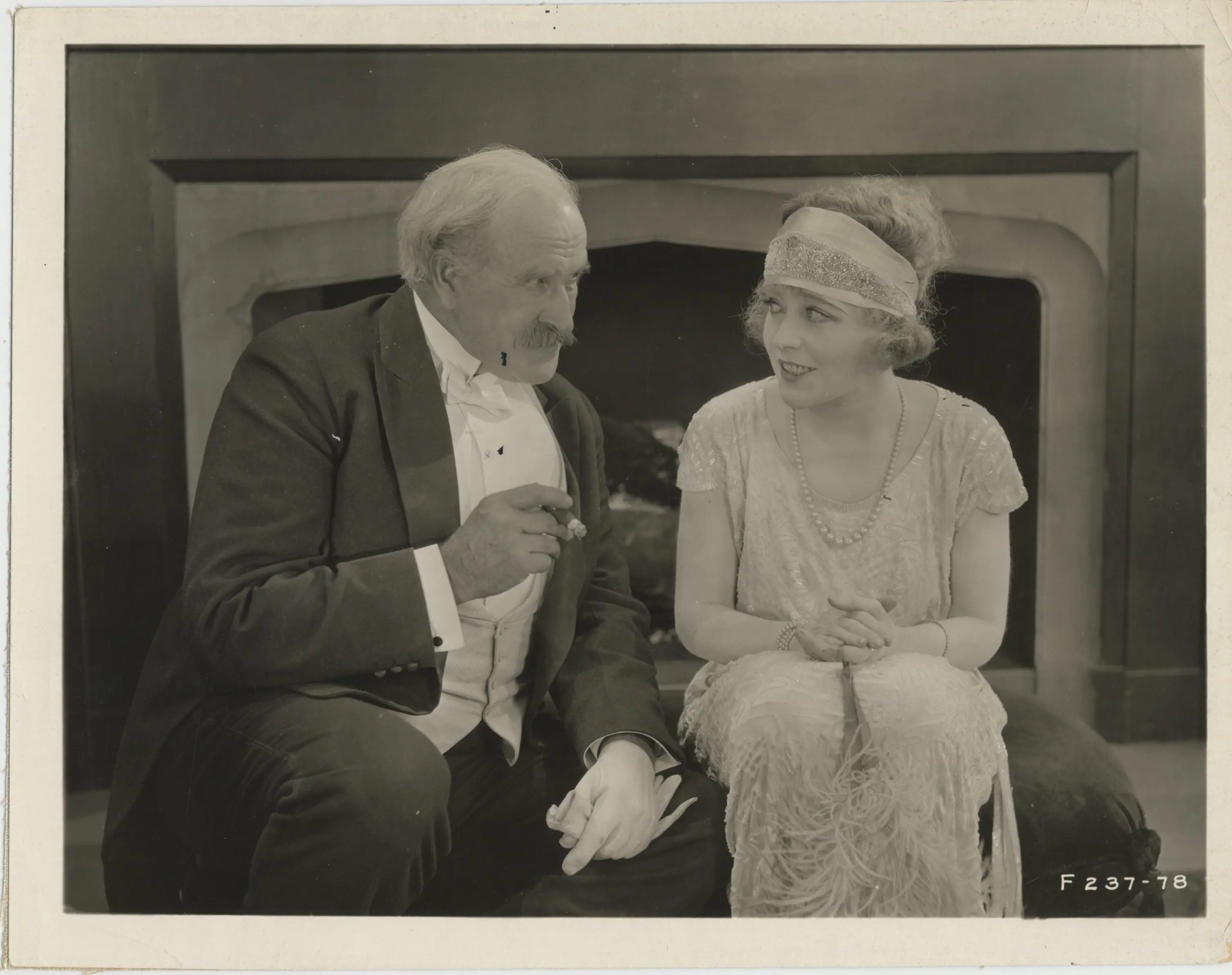
The roaring twenties were a time of liberation, but also of domestic intrigue, and You Can't Fool Your Wife from 1923 perfectly captures this spirit. This delightful comedy or domestic drama undoubtedly explores the timeless theme of marital misunderstandings and the often-hilarious lengths people go to keep secrets, only to find their efforts unraveling in spectacular fashion. With a title that promises a lighthearted yet insightful look into the dynamics of a relationship, this film would have leveraged the physical comedy and exaggerated expressions common in silent cinema to deliver a truly engaging and laugh-out-loud experience. It's a testament to the era's ability to tackle universal human foibles with charm and wit, proving that some truths, and some wives, are simply too clever to be outsmarted.
Read full review of You Can't Fool Your Wife
A name synonymous with Victorian melodrama, East Lynne, in its 1925 cinematic adaptation, brought one of the most beloved and tragic stories to the silent screen with profound emotional impact. This film likely follows the heart-wrenching tale of Lady Isabel, who abandons her family for a life of scandal, only to return years later, unrecognizable, to serve as a governess to her own children. Themes of sacrifice, social ostracization, repentance, and the enduring power of maternal love are central to its narrative. Silent film, with its reliance on dramatic gestures and close-ups, was perfectly suited to convey the intense pathos and moral dilemmas inherent in this classic story, making it a powerful example of the era's capacity for deep emotional storytelling.
Read full review of East Lynne (1925)
As the Great War raged across Europe, cinema became a powerful medium for reflecting and shaping public sentiment. The Victoria Cross, released in 1916, stands as a poignant reminder of this era. This film would have undoubtedly been a stirring war drama, celebrating heroism, sacrifice, and the unwavering courage of soldiers on the front lines, or perhaps the emotional toll on those left behind. The Victoria Cross itself, Britain's highest military honor, signifies extraordinary bravery "in the face of the enemy," suggesting a narrative filled with tense battle sequences, acts of selfless heroism, and the profound personal stories of those who earned it. It's a vital piece of cinematic history, offering insight into how early films depicted one of humanity's most devastating conflicts.
Read full review of The Victoria Cross
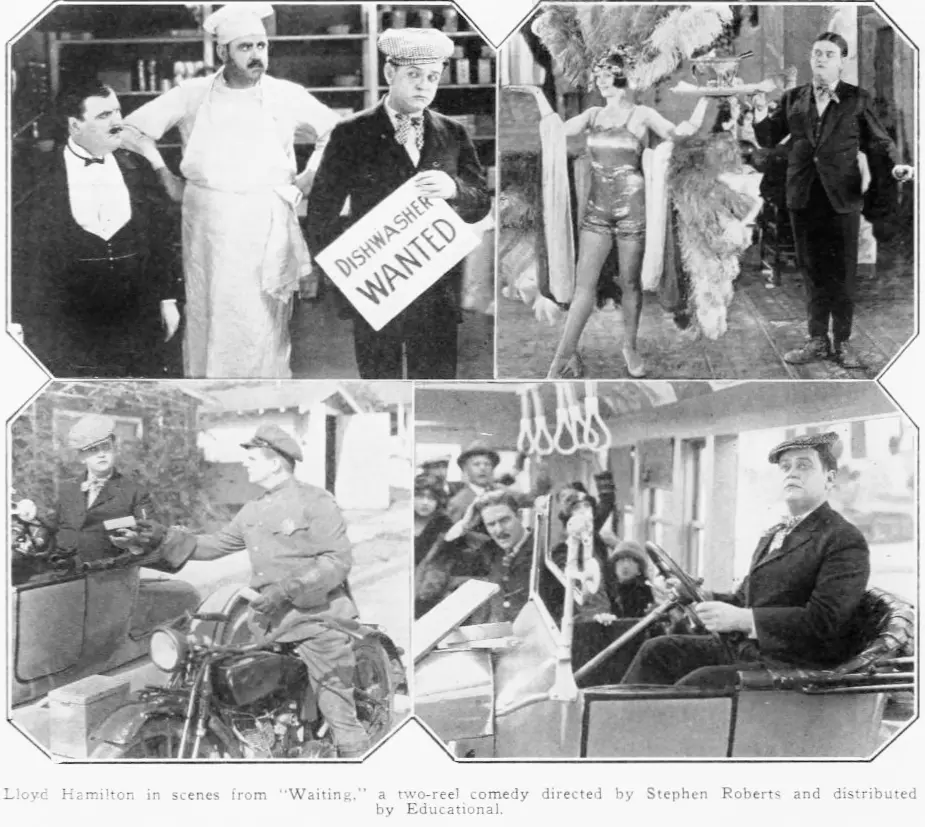
For a dose of pure, unadulterated silent comedy, look no further than All Wet from 1924. The title alone evokes images of slapstick mishaps and soggy predicaments, a hallmark of the era's most beloved comedians. This film would have likely featured a hapless protagonist, perhaps a bumbling everyman or an aspiring romantic lead, who finds themselves in a series of increasingly absurd and watery situations. From accidental plunges into fountains to chaotic boat trips, the humor would have been derived from expertly choreographed physical comedy, exaggerated reactions, and the universal appeal of someone having a really, really bad, and wet, day. It’s a delightful snapshot of the era's capacity for simple, joyful entertainment.
Delving into the darker corners of the human psyche, the German film Haß (which translates to "Hate") from 1920 is a powerful example of the silent era's capacity for intense psychological drama. This film would have likely explored themes of revenge, bitter resentment, and the destructive consequences of unchecked animosity. Given the post-WWI context in Germany, a nation grappling with profound social and emotional upheaval, Haß could have been a deeply introspective and perhaps Expressionistic work, using stark visuals and dramatic performances to convey the corrosive power of hatred. It stands as a testament to the era's willingness to tackle complex and challenging human emotions without the aid of dialogue, relying instead on the raw power of cinematic art.
The allure of the heist and the thrill of the chase were as captivating in 1920 as they are today, and The Great Nickel Robbery promised to deliver exactly that. This film would have been a thrilling crime drama, likely featuring cunning masterminds, daring escapes, and perhaps a tenacious detective hot on their trail. In an era fascinated by both technological advancements and the darker side of urban life, a film centered around a large-scale robbery would have tapped into public anxieties and excitements. The silent format would have lent itself perfectly to building suspense through rapid cuts, dramatic shadows, and intense close-ups, making this a gripping watch for audiences eager for a dose of cinematic adrenaline and moral ambiguity.
Read full review of The Great Nickel Robbery
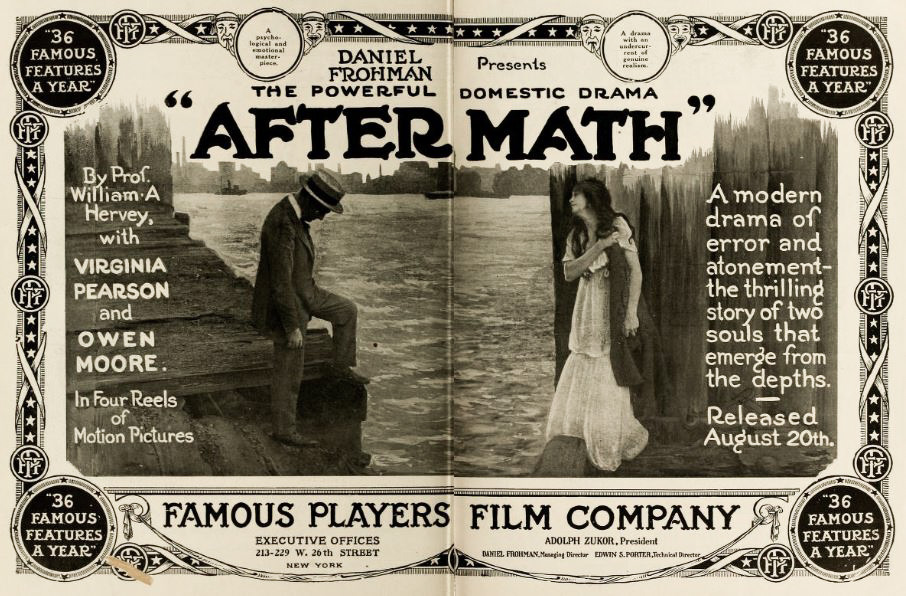
Beyond the bustling cities and dramatic conflicts, silent cinema also offered idyllic escapism and gentle humor, as exemplified by An Ideal Farm from 1924. This film likely painted a charming picture of rural life, perhaps following the trials and triumphs of a family striving to create their perfect agricultural haven. It could have been a romantic comedy set against a pastoral backdrop, a heartfelt drama about community and hard work, or even a lighthearted satire on the challenges of country living. Such films provided a comforting contrast to the fast-changing world, celebrating simpler virtues and the enduring beauty of nature, all conveyed through the evocative visuals characteristic of the silent era's storytelling prowess.
Read full review of An Ideal Farm
Released in the final year of World War I, Good-Bye, Bill (1918) would have resonated profoundly with contemporary audiences. This film likely explores the poignant themes of separation, longing, and the profound impact of war on individuals and families. It could be a romantic drama focusing on a couple torn apart by conflict, a family drama grappling with a loved one's departure for the front, or a narrative following a soldier's journey and the farewells he leaves behind. The silent screen, with its emphasis on facial expressions and body language, was uniquely positioned to convey the deep emotional weight of saying good-bye during such a tumultuous period, making this film a powerful historical document and a moving human story.
Read full review of Good-Bye, Bill
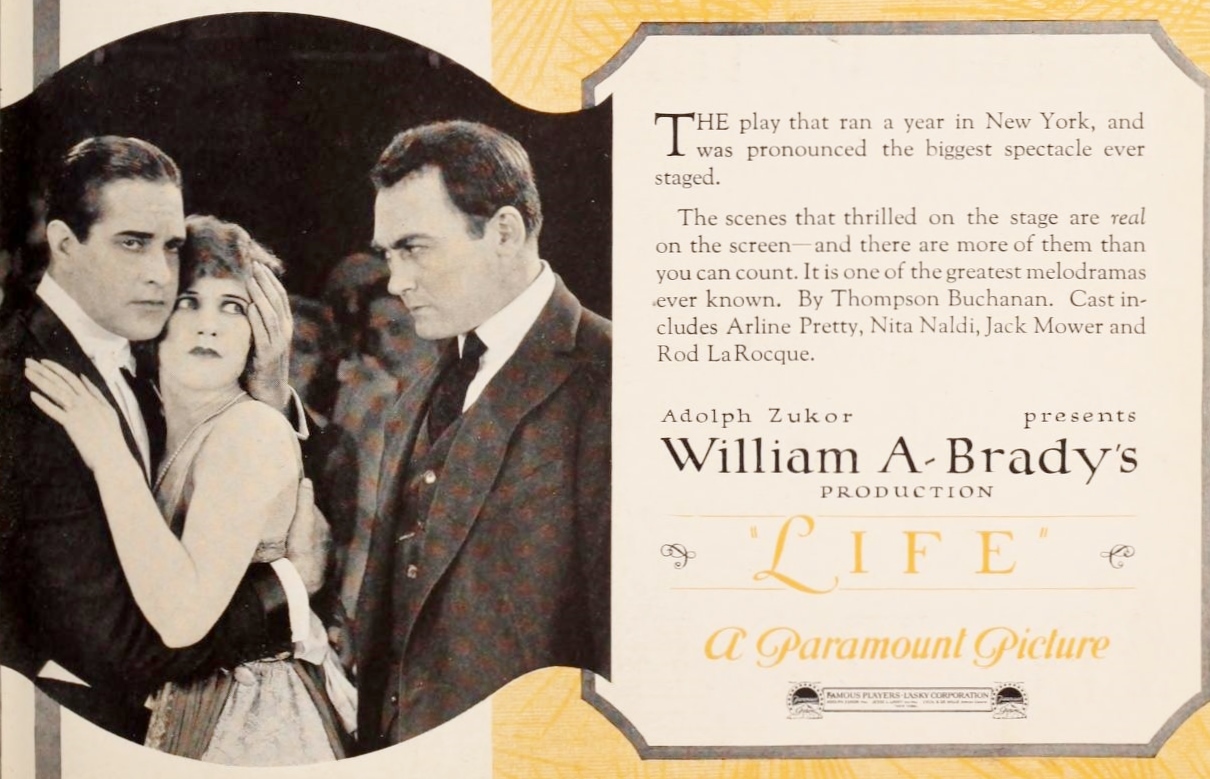
Transporting audiences to exotic locales was a popular trend in early cinema, and Enis Aldjelis, die Blume des Ostens (German for "Enis Aldjelis, the Flower of the East") from 1920 is a captivating example. This film likely immersed viewers in a tale of romance, adventure, or intrigue set in an imagined "Orient," a common trope of the era that offered escapism and visual splendor. It might feature a captivating heroine, perhaps a dancer or a noblewoman, entangled in a dramatic plot involving love, betrayal, or political machinations. The lavish costumes, intricate sets, and dramatic lighting typical of such productions would have made this a visually stunning experience, showcasing the silent film industry's global reach and its ability to conjure fantastical worlds.
Read full review of Enis Aldjelis, die Blume des Ostens
These ten films, though often overshadowed by more widely known classics, are vital threads in the rich tapestry of early cinema. They remind us that the silent era was anything but quiet; it was a period of explosive creativity, technical innovation, and profound storytelling that laid the groundwork for everything we cherish about film today. Each frame, each gesture, each intertitle was carefully crafted to evoke emotion and convey narrative, proving that the absence of spoken dialogue only amplified the power of visual artistry.
Rediscovering these lost treasures is more than just an academic exercise; it's an opportunity to connect with the very origins of a global art form, to appreciate the ingenuity of its pioneers, and to experience the timeless magic that continues to resonate a century later. So, next time you're seeking cinematic adventure, consider diving into the silent archives. You might just unearth your next favorite film.