
DbcultAccessing Vault...
Director's Spotlight
Senior Film Conservator
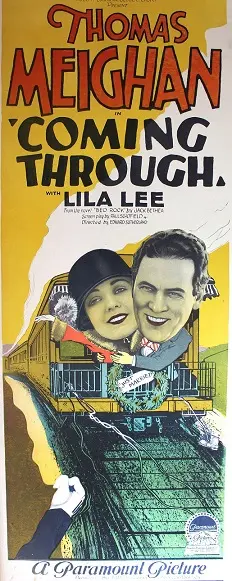
Director's Spotlight: United States
A Deep Dive into the 1925 Vision of A. Edward Sutherland
In the storied career of A. Edward Sutherland, Coming Through stands as a the atmospheric immersion that A. Edward Sutherland achieves throughout Coming Through. Reflecting the political and social shifts of the 1925s, it reinforces the idea that cinema is a medium of infinite possibilities.
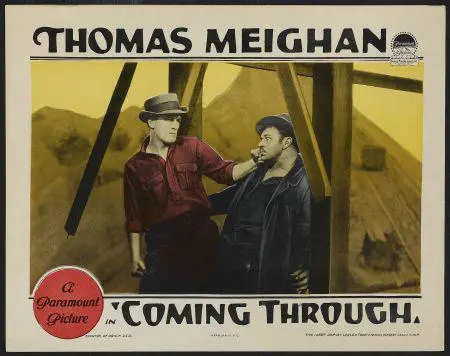
In Coming Through, A. Edward Sutherland pushes the boundaries of conventional narrative. The film's unique approach to its subject matter has sparked endless debates and interpretations among cinephiles and critics alike.
| Cinematography | Handheld |
| Soundtrack | Orchestral |
| Editing | Slow-Burn |
| Art Direction | Brutalist |
Visualizing the convergence of A. Edward Sutherland's style and the core Drama narrative.
Tom Blackford is counting upon a promised promotion to enable him to marry Alice Rand, the daughter of a mine president; the appointment goes instead to Rand's nephew. Tom marries Alice anyway, much to the distress of her father, who discredits Tom in Alice's eyes by quoting to her Tom's incautious remark that the road to advancement seems to lie through relationship. Rand appoints Tom to be superintendent of his toughest mining camp, instructing his other executives that he wants Tom to fail at the job. Alice accompanies Tom to the camp, but she remains his wife in name only. Joe Lawler, the assistant foreman, working with the owner of a local saloon, foments trouble among the workers, and their joint efforts soon result in a strike. Tom destroys the saloon after a drunken engineer nearly kills some of the mine workers. Tom later discredits Lawler when he discloses that Lawler has been cheating the miners with crooked scales. Tom kills Lawler in a fight, and Tom and Alice are truly united at last.
Decades after its release, Coming Through remains a vital piece of the cinematic puzzle. Its influence can be seen in countless modern works, solidifying A. Edward Sutherland's status as a master of the craft in United States and beyond.