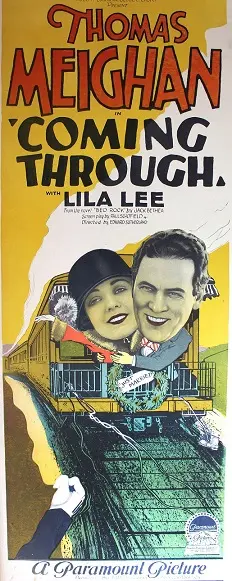
Tom Blackford is counting upon a promised promotion to enable him to marry Alice Rand, the daughter of a mine president; the appointment goes instead to Rand's nephew. Tom marries Alice anyway, much to the distress of her father, who discredits Tom in Alice's eyes by quoting to her Tom's incautious remark that the road to advancement seems to lie through relationship.

The Architecture of Industrial Betrayal In the pantheon of silent-era dramas that grapple with the burgeoning friction of the American industrial machine, Coming Through (1925) stands as a remarkably prescient exploration of class warfare, corporate sabotage, and the fragility of the marital contract. Directed with...
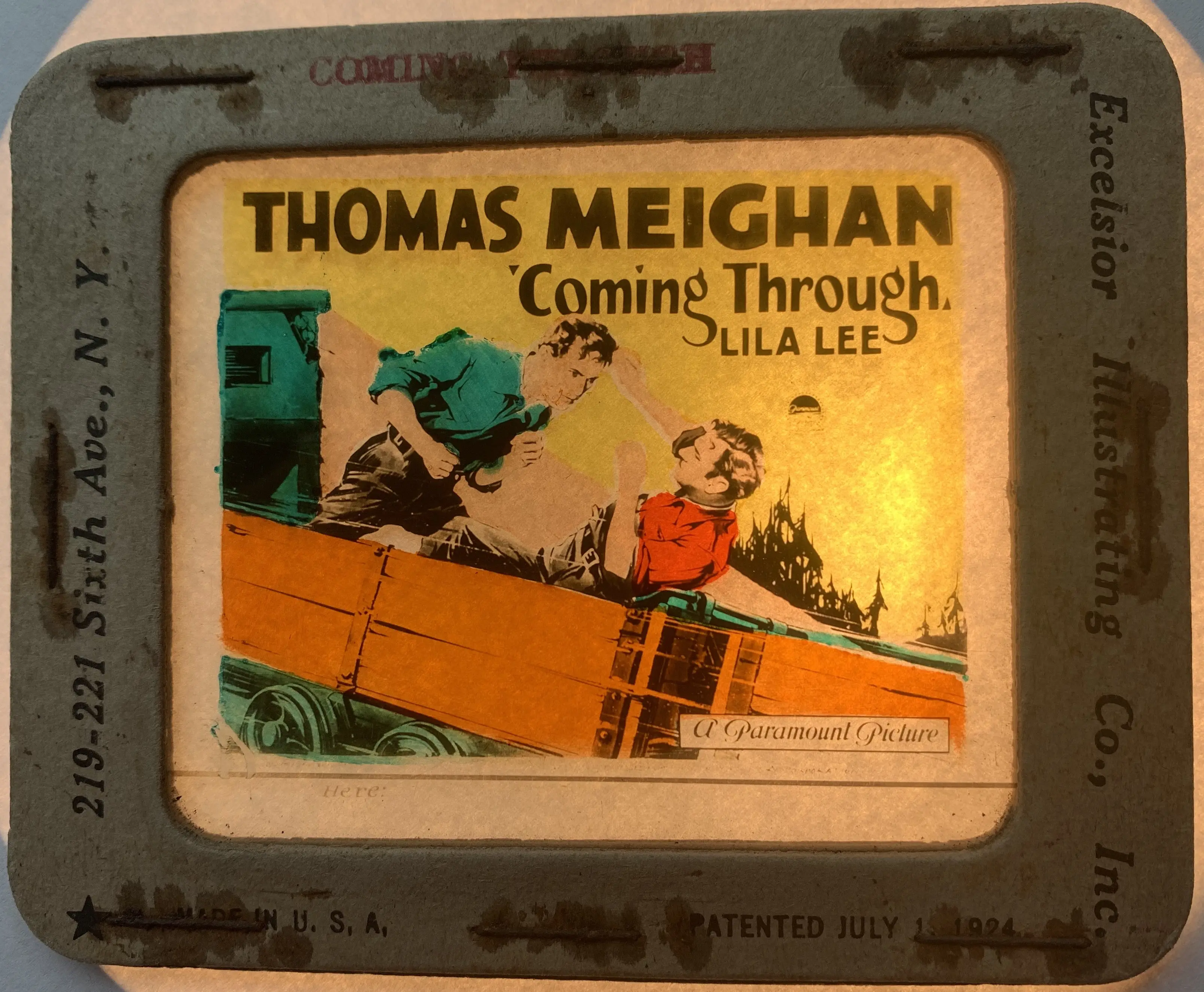
publicity
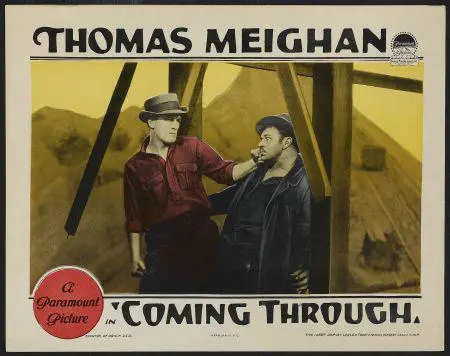
production_art
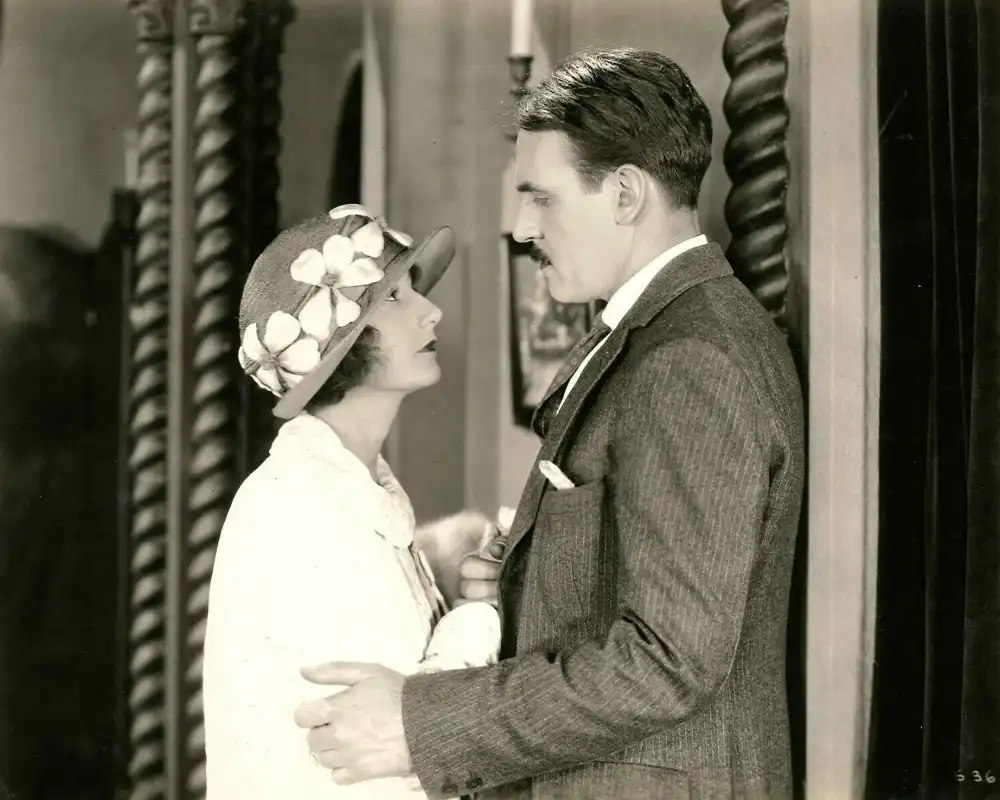

Comparing the cinematic DNA and archive impact of two defining moments in cult history.
A. Edward Sutherland
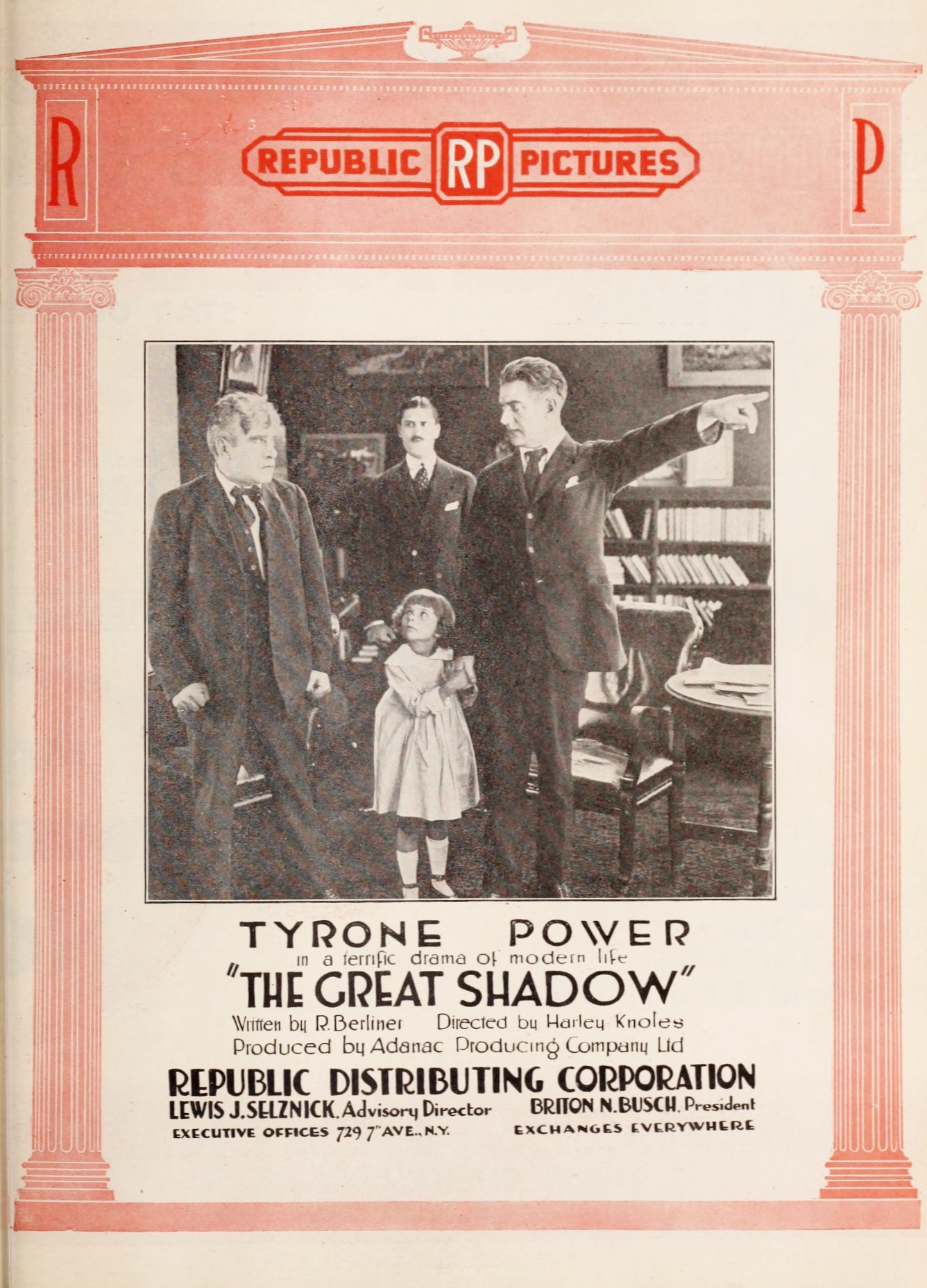
Harley Knoles
Community
Log in to comment.
" The Architecture of Industrial Betrayal In the pantheon of silent-era dramas that grapple with the burgeoning friction of the American industrial machine, Coming Through (1925) stands as a remarkably prescient exploration of class warfare, corporate sabotage, and the fragility of the marital contract. Directed with a keen eye for the atmospheric weight of the coal mines, the film eschews the melodramatic fluff often associated with the mid-twenties to deliver a narrative that feels as heavy ..."
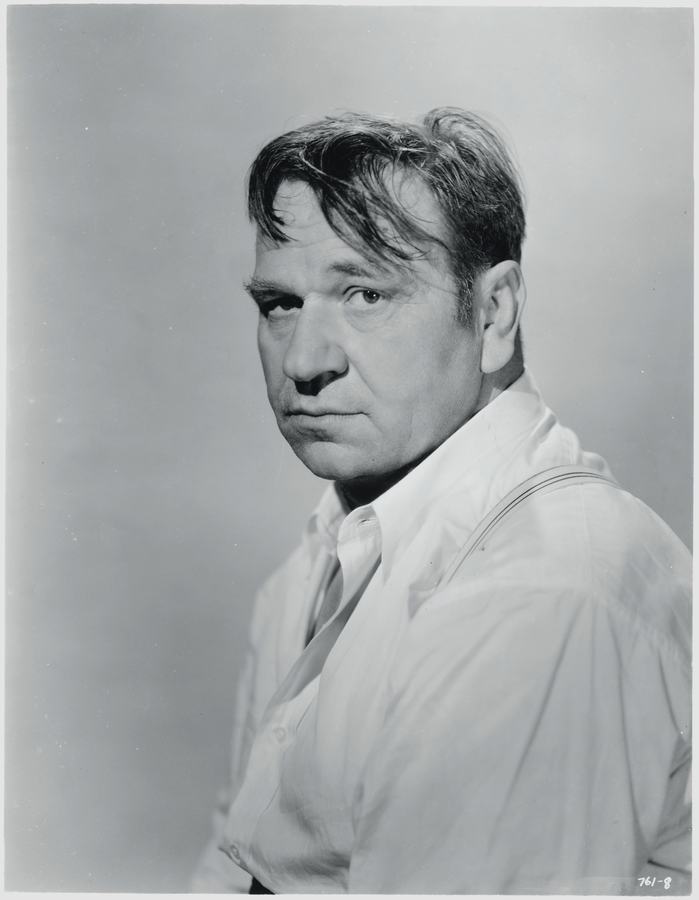
Wallace Beery
Jack Bethea, Paul Schofield
United States

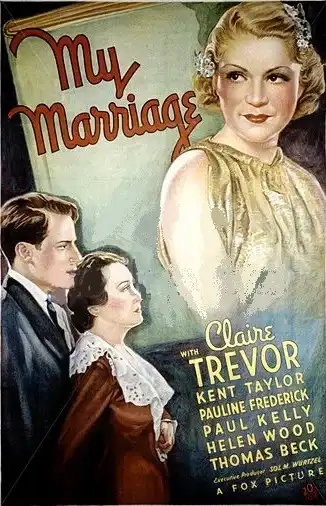
Deep dive into the cult classic
Discover similar cinematic experiences
A Directorial Spotlight on A. Edward Sutherland