
DbcultAccessing Vault...
Director's Spotlight
Senior Film Conservator
Director's Spotlight: Germany
A Deep Dive into the 1927 Vision of Adolf Trotz
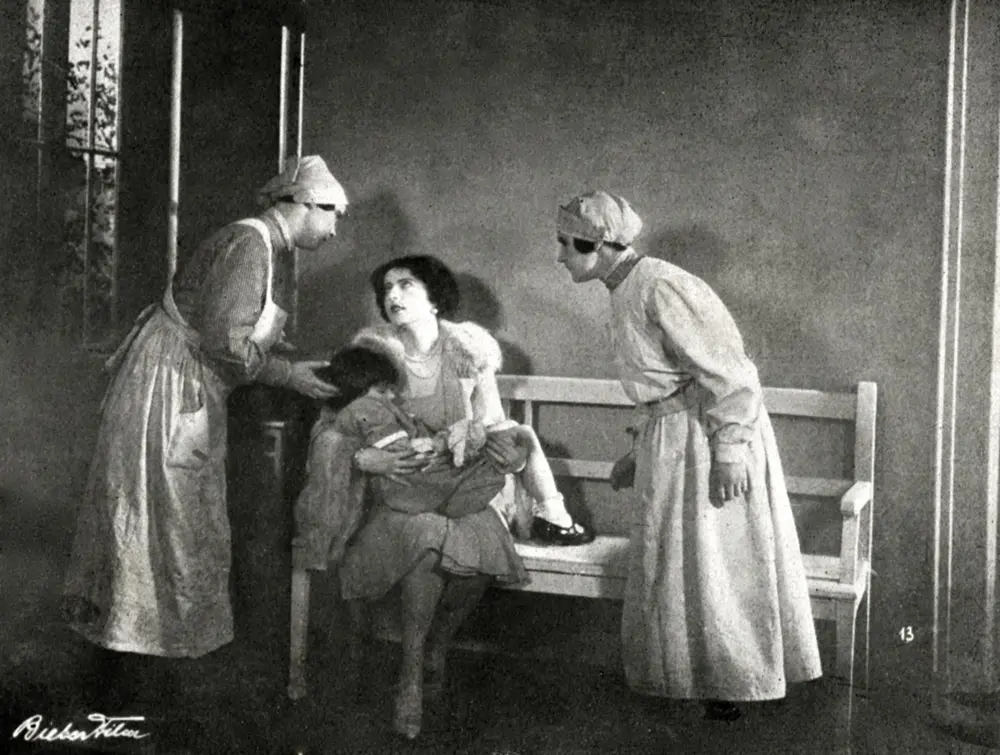
The brilliance of The Curse of Vererbung (1927) is inseparable from a monumental shift in cult filmmaking spearheaded by Adolf Trotz. Occupying a unique space between cult and pure art, it serves as a blueprint for future generations of cult directors.
In The Curse of Vererbung, Adolf Trotz pushes the boundaries of conventional narrative. The film's unique approach to its subject matter has sparked endless debates and interpretations among cinephiles and critics alike.
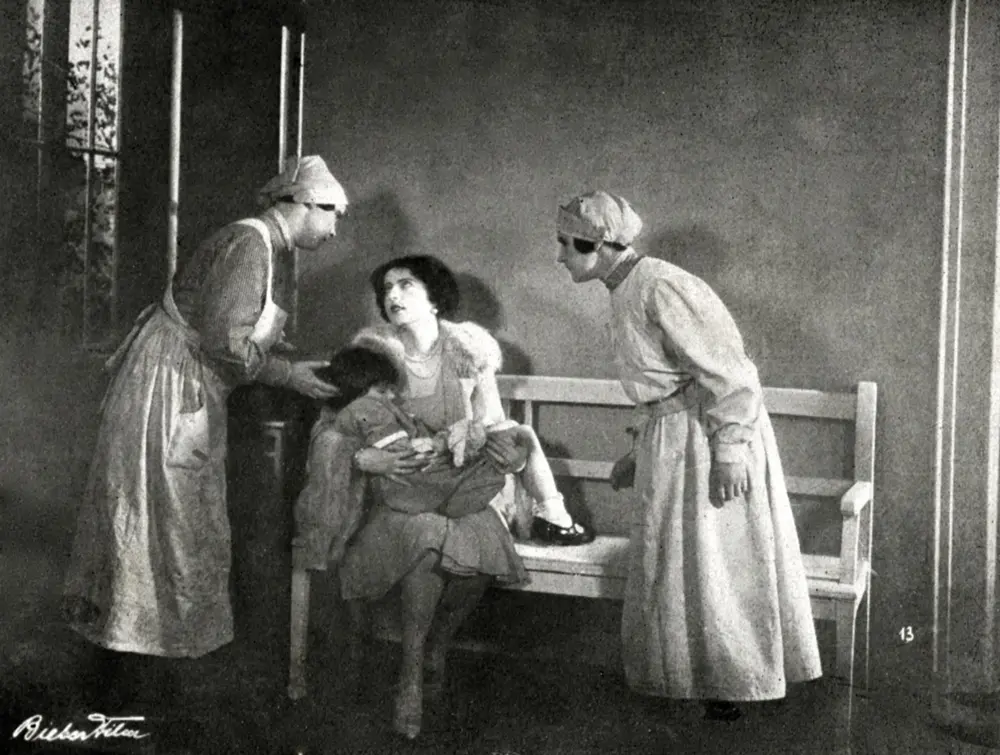
To fully appreciate The Curse of Vererbung, one must consider the cinematic climate of 1927. During this period, Germany was undergoing significant artistic shifts, and Adolf Trotz was at the forefront of this cult movement, often challenging established norms.
| Cinematography | Deep Focus |
| Soundtrack | Minimalist |
| Editing | Disjunctive |
| Art Direction | Baroque |
Visualizing the convergence of Adolf Trotz's style and the core cult narrative.
Frau Römer's deceased husband once suffered from hemophilia and passed this defect on to his daughter Olga, who has recently become engaged to doctor Münchow, so Olga's mother feels it is her duty to inform the doctor about her daughter's rare disease. Münchow leaves Olga, who much later marry an older banker. They have three children. Allis well till one of Olga's sons has a serious accident.
Decades after its release, The Curse of Vererbung remains a vital piece of the cinematic puzzle. Its influence can be seen in countless modern works, solidifying Adolf Trotz's status as a master of the craft in Germany and beyond.