
DbcultAccessing Vault...
Film History
Archivist John
Senior Editor
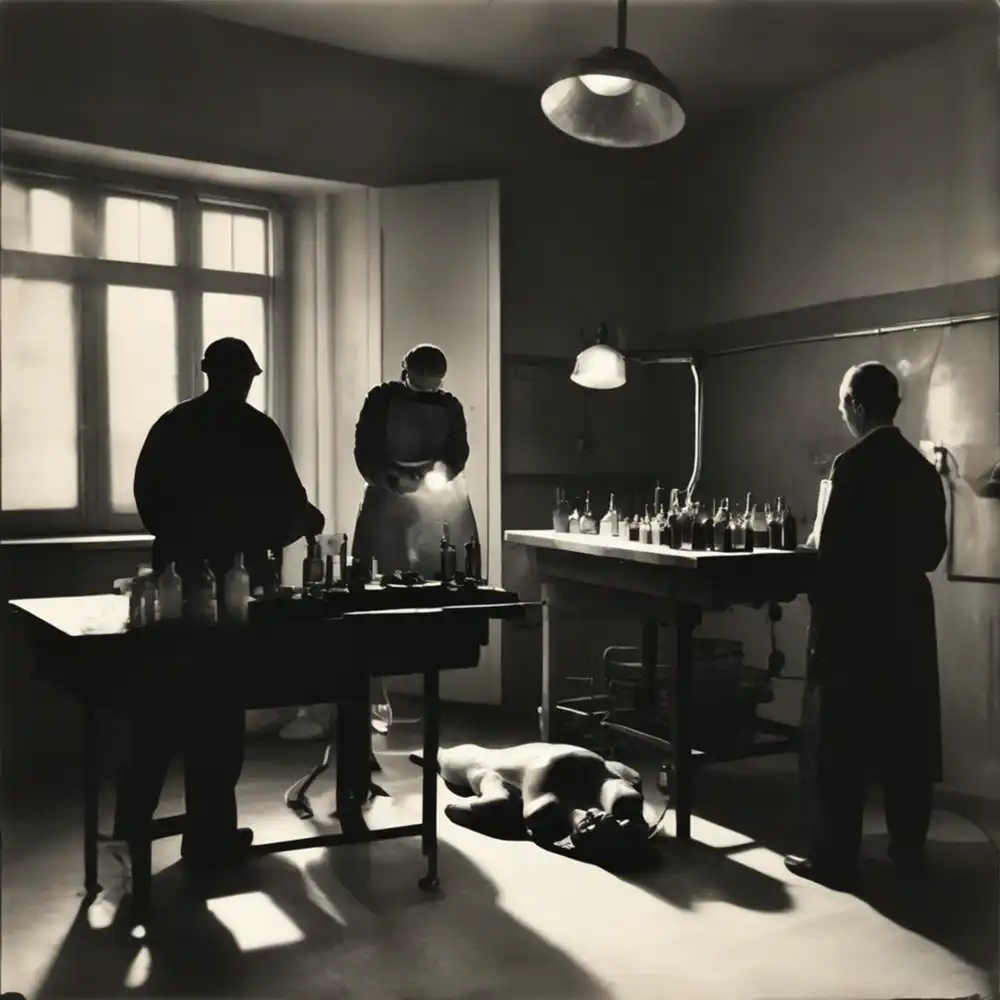
We have a bad habit of treating silent cinema like a dusty museum of 'firsts' rather than a living, breathing laboratory of the grotesque. Most modern cultists trace the lineage of body horror back to the latex-drenched 1980s, but the real genetic damage was done a century ago in the nitrate shadows of the 1910s and 20s. This wasn't just about ghosts and vampires. It was about the terrifying realization that the human body was a machine that could be hacked, grafted, and re-engineered. Before the Hays Code sanitized the screen, directors were obsessed with the clinical, the biological, and the deterministic. They weren't just making movies; they were conducting autopsies on the Victorian soul.
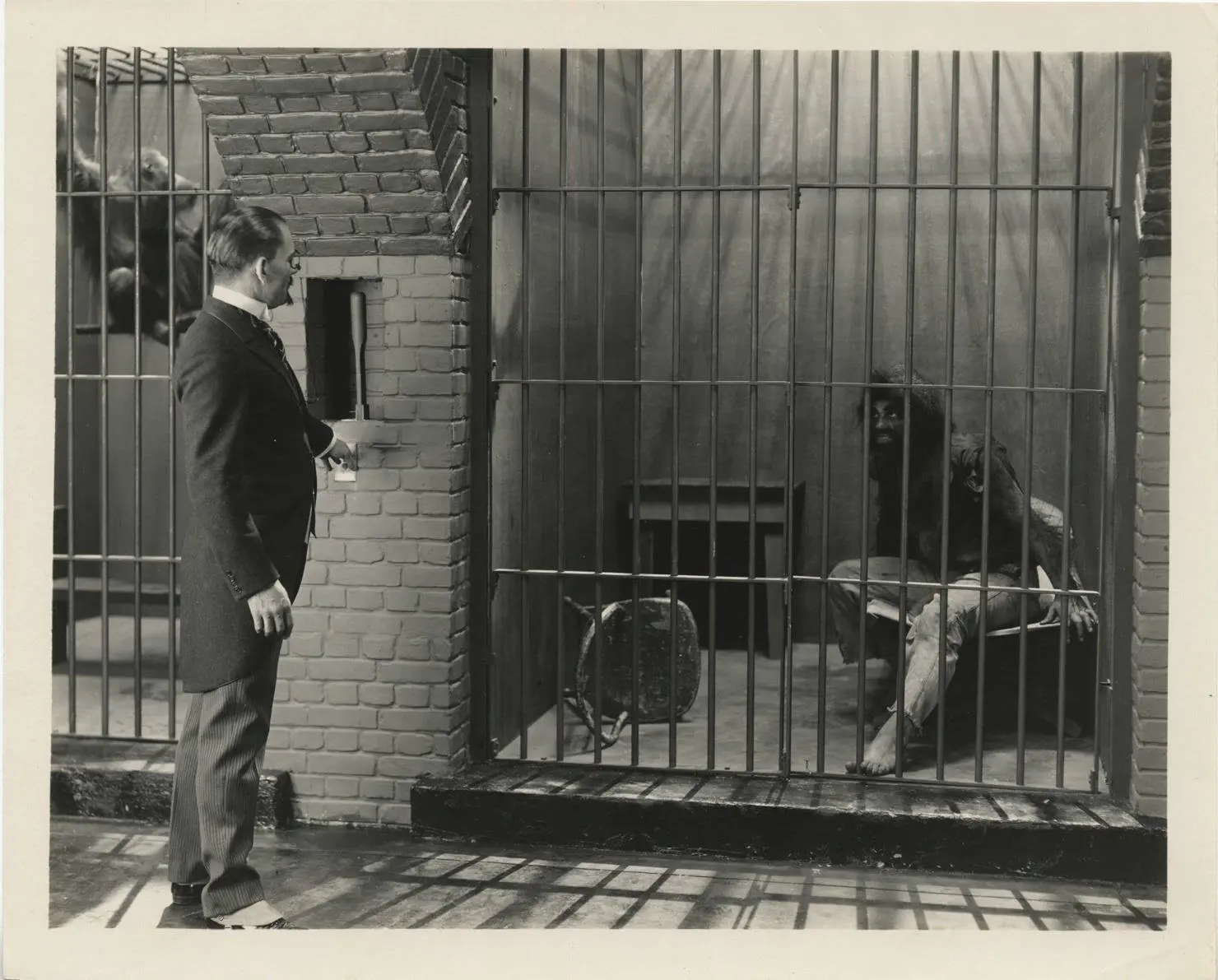
The ultimate 'holy grail' of this era isn't a masterpiece of lighting like Nosferatu, but a lost, sweating piece of medical paranoia called A Blind Bargain (1922). Wallace Worsley directed it, but the soul of the film belongs to Lon Chaney, who played a dual role that defines the cult obsession with the 'other.' Chaney played Dr. Lamb, a fanatic obsessed with extending human life, and also the 'Ape Man,' a failed experiment from Lamb’s past. This is where the cult of the medical grotesque begins. The plot is a precursor to every 'deal with the devil' trope we see today: a struggling author, Robert Sandell, agrees to let Lamb experiment on him in exchange for medical aid for his mother. It is transactional horror in its purest form.
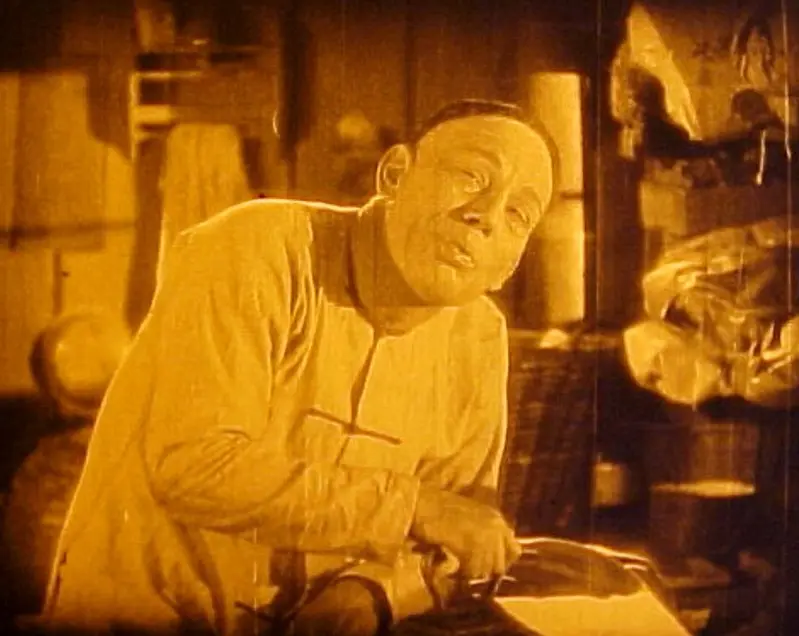
What makes A Blind Bargain so vital to the cult canon is its refusal to look away from the physical cost of progress. Reports of the film—since no complete print survives—describe Chaney's Ape Man as a creature of profound pathos and physical repulsion. This wasn't a monster from a myth; it was a man who had been surgically altered into something less than human. The cult of the 'broken body' starts here. When we look at the scarred protagonists of modern transgressive cinema, we are seeing the descendants of Dr. Lamb’s operating table. The film suggested that science wasn't a ladder to the heavens, but a trap door to the basement of our own biology.
While some were grafting limbs, others were grafting wills. The 1920 film Anita presents a specific brand of existential dread that feels uncomfortably modern. It depicts a society lady trapped under the spell of an 'unskilled' hypnotist. This detail—that the hypnotist is unskilled—is the sharp edge of the blade. In most genre films, the villain is a master of his craft. In Anita, the horror comes from the incompetence of the predator. It suggests that our agency is so fragile that even a hack can dismantle it.
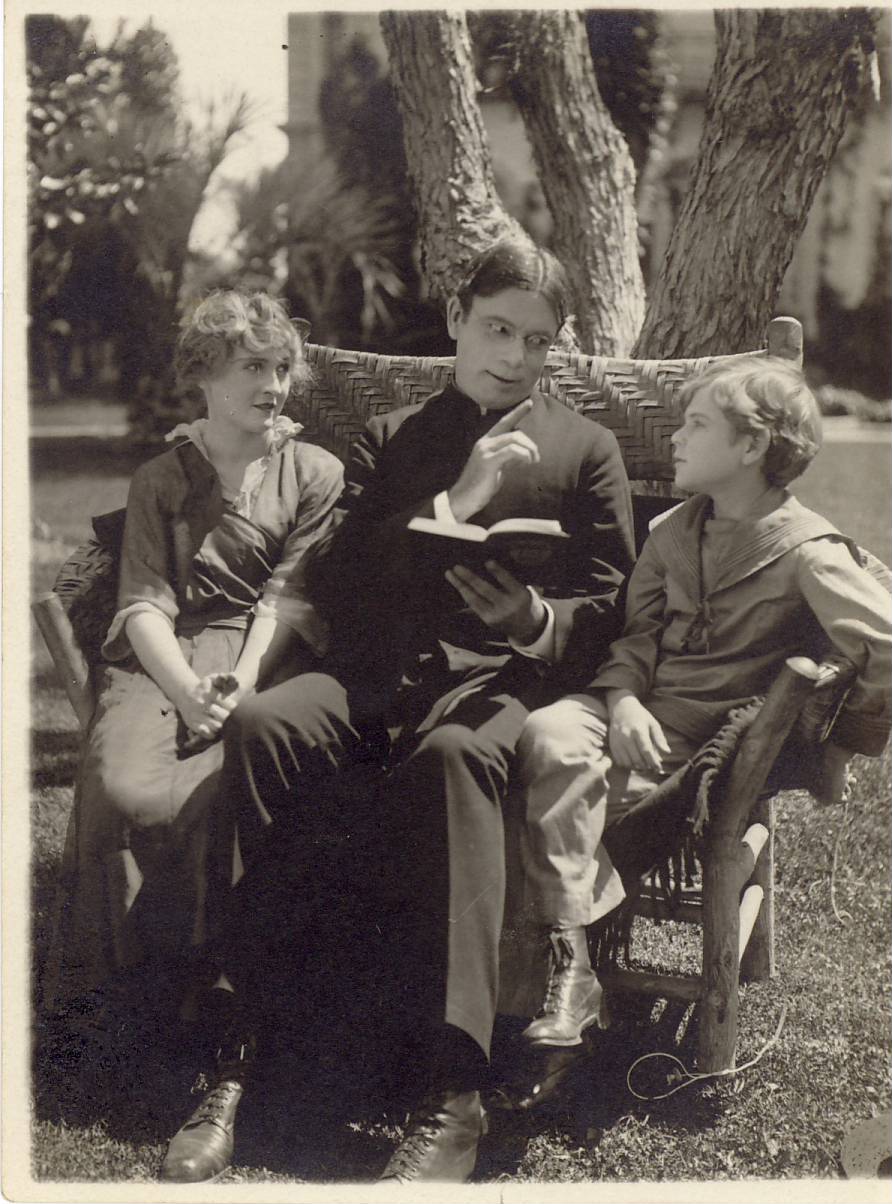
The true horror of the silent era wasn't the monster in the closet; it was the realization that your own brain could be piloted by a stranger who doesn't even know what they're doing.
This lack of control is a recurring theme in the 'medical cult' subgenre. It’s the same energy we find in The Gray Mask (1915), where a gang of thieves is plotting to steal a formula for a dangerous explosive. The formula, the chemical, the invisible trigger—these are the new gods. In The Gray Mask, Inspector Jim Garth isn't just fighting criminals; he's fighting the potential for total annihilation through chemistry. The film moves away from the romanticized villains of the 19th century and toward the cold, industrial terror of the 20th. It’s a shift from the 'who' to the 'what,' a hallmark of the cult mindset that prioritizes the 'weird science' over the traditional hero's arc.
One of the most debatable opinions I hold is that the 'social hygiene' films of the late 1910s are actually the most transgressive films of the era. They were marketed as educational, but they functioned as voyeuristic horror. Take Das Laster (1917), a film that explores alcoholism as a 'terrible family tradition.' The protagonist, Paul, is the son of a drinker whose father was killed in an inn. Despite this trauma, Paul is 'unavoidably' drawn to the same fate. This isn't just a moral lesson; it is biological determinism. It’s the idea that your blood is a script you can’t rewrite.
In Das Laster, the bottle is treated like a cursed artifact in a Lovecraft story. The 'vice' is an infection, a physical rot that passes from father to son. This theme of inherited decay is a pillar of cult cinema, from the family dynamics of The Texas Chain Saw Massacre to the genetic doom of Hereditary. By framing addiction as a biological 'tradition,' the film removes the element of choice. Paul is a victim of his own DNA, a concept that was far more terrifying to 1917 audiences than any ghost. It’s a cold, clinical look at human failure that refuses to offer the easy redemption of a standard melodrama.
Sometimes, the biological horror was played for 'laughs' that were actually deeply unsettling. One Night It Rained (1924) features a doctor who has a nightmare after eating lobster. In his dream, he kills his friend, and his friend dreams he is killed. While framed as a comedy short, the underlying message is pure cult-absurdism: the idea that a specific biological trigger—eating a piece of shellfish—can collapse the barrier between reality and homicidal mania. It’s a primitive version of the 'bad trip' movie. It suggests that our sanity is at the mercy of our digestion, a physicalist view of the mind that strips away the dignity of the human experience.
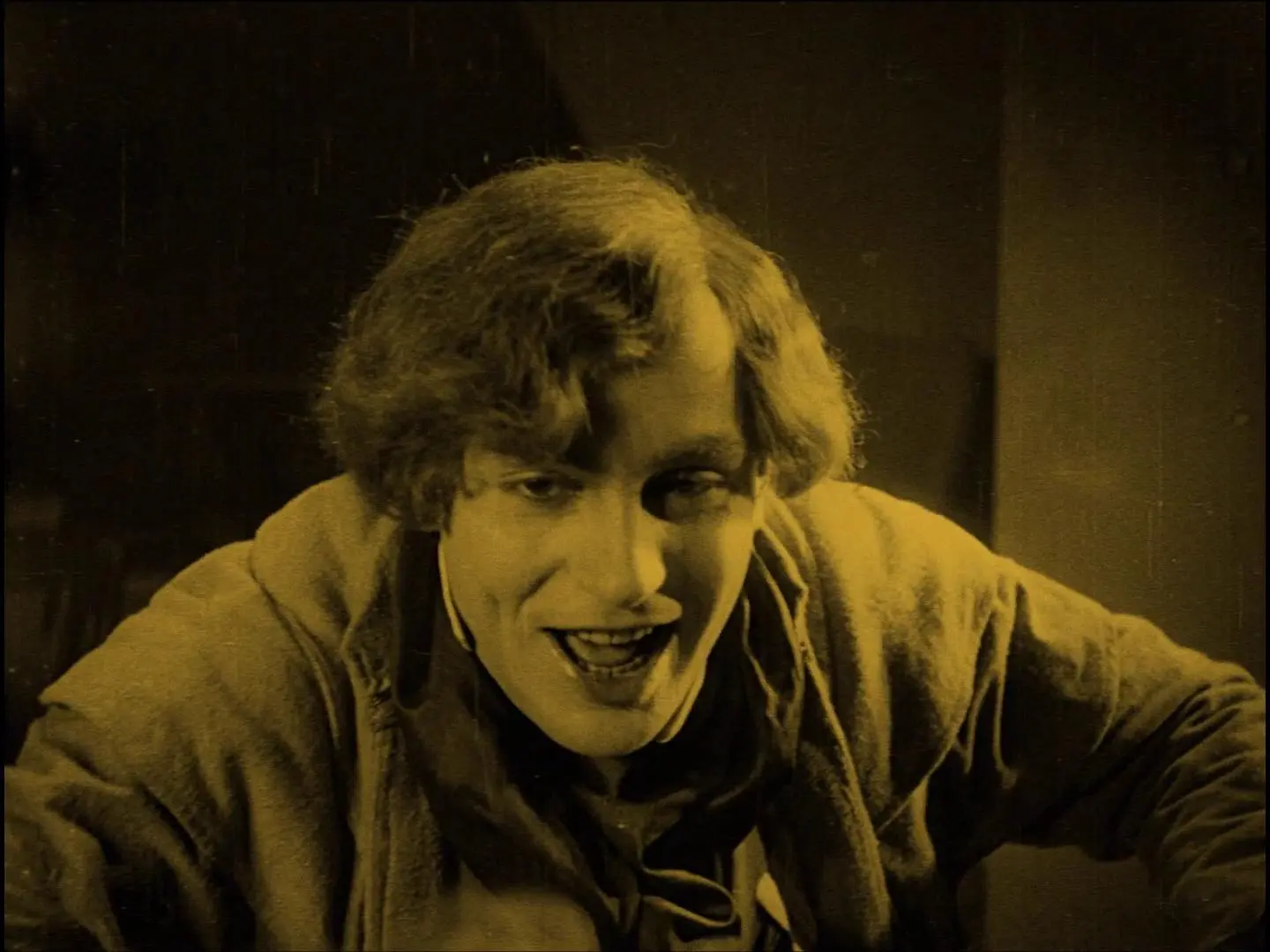
There is a harshness to these films that we’ve lost in modern cinema. Look at The White Moth (1924). It starts with a woman about to end her life in the River Seine because she lost an art scholarship. She is 'rescued' and becomes a stage sensation, but the film never loses that initial stench of despair. It’s a film about the commodification of the female body—every woman wants to be her, but she is essentially a resurrected corpse of her former self. The 'White Moth' is a creature that only exists under the artificial lights of the stage, a biological entity transformed into a visual product.
This theme of the 'artificial human' or the 'restored body' is a recurring obsession. In The Cat's Pajamas (1926), we see a seamstress supporting a crippled father while being infatuated with an operatic sensation. The contrast between the broken, physical reality of her father and the 'idealized' body of the opera star is the engine of the film. It highlights the class divide as a biological divide. The rich have 'perfect' bodies and voices; the poor are literally falling apart. This is the same ground explored by films like Metropolis, but it’s often more effective in these smaller, grittier melodramas that don't have the budget to hide their cynicism behind massive sets.
I’ll say it plainly: most of what we call 'experimental' today is just a polite version of what these 1920s filmmakers were doing in their sleep. They were working without a net, without a pre-established genre language, and often with a genuine fear of the changing world. They saw the rise of industrial medicine and the mechanization of war, and they reflected it in stories of grafted skin and hijacked minds. The cult of the 'weird' didn't start with the counter-culture of the 60s; it started with the traumatized generation of the post-WWI era who realized that the body was just meat, and meat could be manipulated.
When we watch A Blind Bargain or Anita, we aren't just looking at old movies. We are looking at the blueprints for our modern anxieties. The 'mad doctor' isn't a cliché here; he's a terrifying new reality. The 'hypnotized woman' isn't a damsel; she’s a victim of a psychological intrusion that has no legal or moral precedent. We need to stop treating silent film as a 'vibrant landscape' of early creativity and start seeing it for what it actually was: a dark, damp basement where the first monsters of the modern age were stitched together.
If you want to understand why we are so obsessed with the breakdown of the physical self in cinema, you have to look back at the formaldehyde-soaked reels of the 1920s. These films didn't just tell stories; they mapped the new, terrifying boundaries of the human animal. The next time you see a character in a Cronenberg film sprout a new limb or lose their mind to a chemical, remember Dr. Lamb and his ape-man. They were there first, waiting in the dark, reminding us that the body is the ultimate cage.