
DbcultAccessing Vault...
Director's Spotlight
Senior Film Conservator
Director's Spotlight: United States
A Deep Dive into the 1919 Vision of Al Christie
The evocative power of He Married His Wife stems from the unique collaboration between the subversive storytelling techniques employed by Al Christie in 1919. Synthesizing the best elements of United States and international cinema, it reminds us of the fragility and beauty of the 1919s.
In He Married His Wife, Al Christie pushes the boundaries of conventional narrative. The film's unique approach to its subject matter has sparked endless debates and interpretations among cinephiles and critics alike.
In this work, Al Christie explores the intersection of cult and United States cultural identity. The meticulous attention to detail suggests a deep-seated commitment to pushing the boundaries of the medium, ensuring that He Married His Wife remains a relevant topic of study for cult enthusiasts.
| Cinematography | High-Contrast |
| Soundtrack | Diegetic |
| Editing | Rhythmic |
| Art Direction | Naturalist |
Visualizing the convergence of Al Christie's style and the core cult narrative.
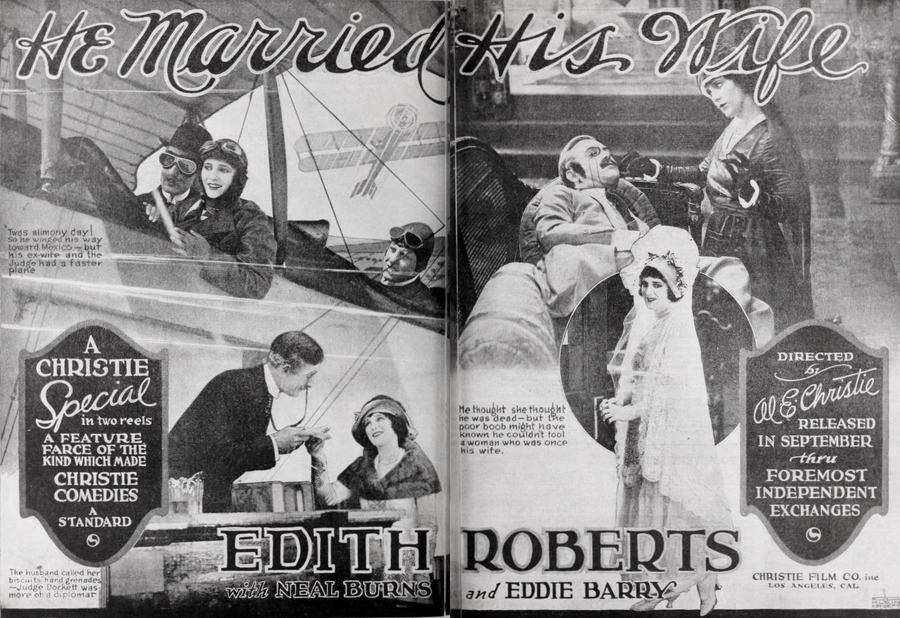
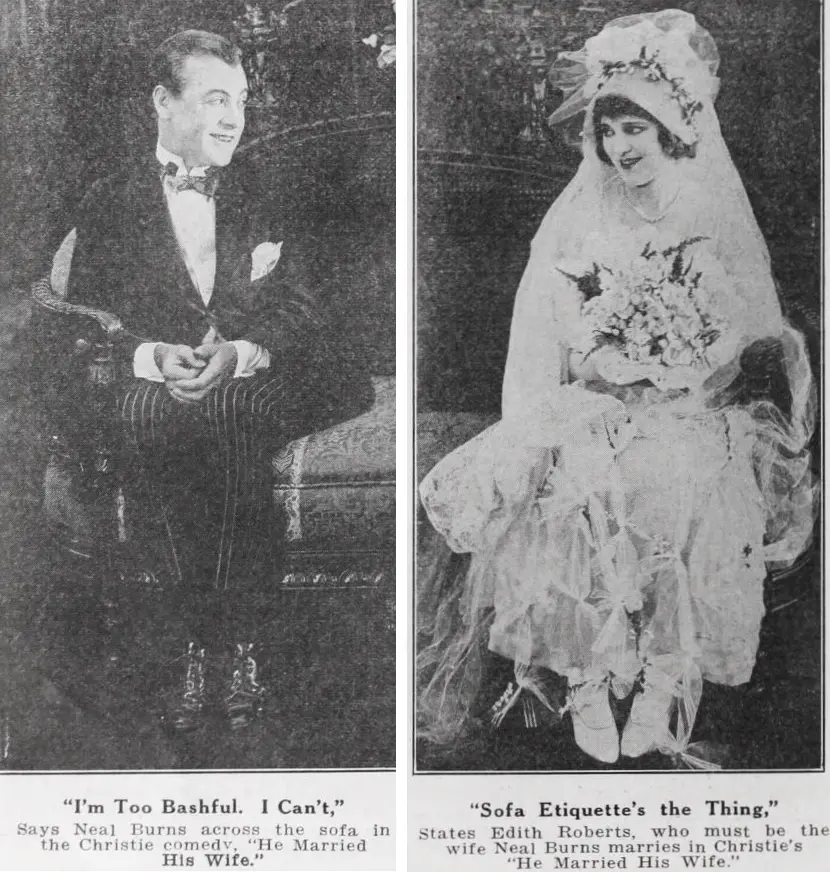
Edith and Neal have just been divorced and the judge ordered Neal to pay $300 a week alimony. Neal tried to slip out of the country on the first alimony day, but was caught in an airplane chase. Then next alimony day he got what he thought was a brilliant idea. He left his clothes on the beach and pretended to have killed himself. So Edith took possession of the house and the judge started courting her. Then Neal was informed by his lawyer that he was legally dead and his wife automatically inherited everything and in order to get his money back he would have to marry her again. So Neal disguised himself with whiskers and had a couple of thugs accost Edith so he could play the hero with her. But in the sham fight one of the thugs apologized to Edith for hitting her husband so hard and spilled the beans generally. So Edith took him in the house and nursed him back to health and he proposed. After telling him how like her poor, dear, dead husband he was, she consented, and he had to wear a suit of her supposed dead husband's to get married in. The "guests" were all detectives, the minister himself being a detective. Just as Edith was about to say "I do," she said "I don't " instead and disclosed Neal's identity. The lawyer arrived just then and said in reading over the old will he found a clause saying that quarrels in the family would have to be patched up or the money would go to charity. So they were married all over again - by the judge of the divorce court. Motion Picture News, November 1, 1919
Decades after its release, He Married His Wife remains a vital piece of the cinematic puzzle. Its influence can be seen in countless modern works, solidifying Al Christie's status as a master of the craft in United States and beyond.