
DbcultAccessing Vault...
Director's Spotlight
Senior Film Conservator
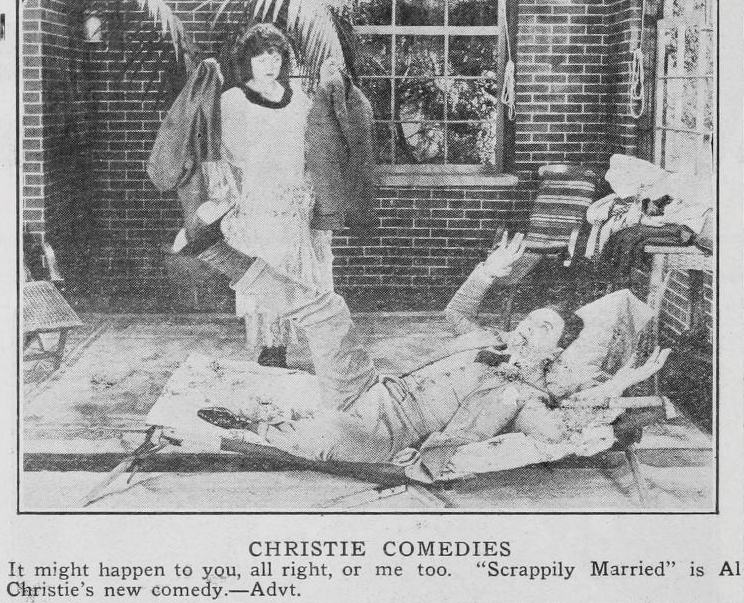
Director's Spotlight: United States
A Deep Dive into the 1921 Vision of Al Christie
Witnessing the stylistic transformation of Comedy through Scrappily Married reveals the global recognition that Al Christie garnered after the release of Scrappily Married. Serving as a mirror to the anxieties of a changing world, offering layers of thematic complexity that demand repeated viewing.
In Scrappily Married, Al Christie pushes the boundaries of conventional narrative. The film's unique approach to its subject matter has sparked endless debates and interpretations among cinephiles and critics alike.
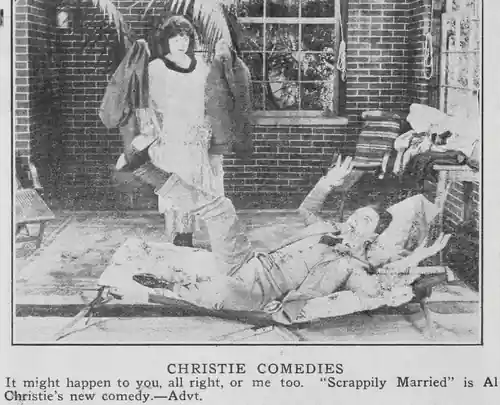
While deeply rooted in United States, Scrappily Married has achieved a global reach, influencing directors from various backgrounds. Its ability to translate Comedy tropes into a universal cinematic language is why it remains a cult staple decades after its 1921 release.
| Cinematography | Handheld |
| Soundtrack | Diegetic |
| Editing | Rhythmic |
| Art Direction | Naturalist |
Visualizing the convergence of Al Christie's style and the core Comedy narrative.
Hubby has never met his mother-in-law and dreads her arrival. A female thief beats her to his home, and as she is good-looking and agreeable, Hubby is pleasantly surprised and begins to entertain her before Wifey appears; by the time she and her mother appear on the scene, the entertainment is a cabaret show. Explanations follow, and hubby's cleverness secures mother-in- law's banishment from his home.
Decades after its release, Scrappily Married remains a vital piece of the cinematic puzzle. Its influence can be seen in countless modern works, solidifying Al Christie's status as a master of the craft in United States and beyond.