
DbcultAccessing Vault...
Director's Spotlight
Senior Film Conservator
Director's Spotlight: United States
A Deep Dive into the 1925 Vision of Alan Crosland
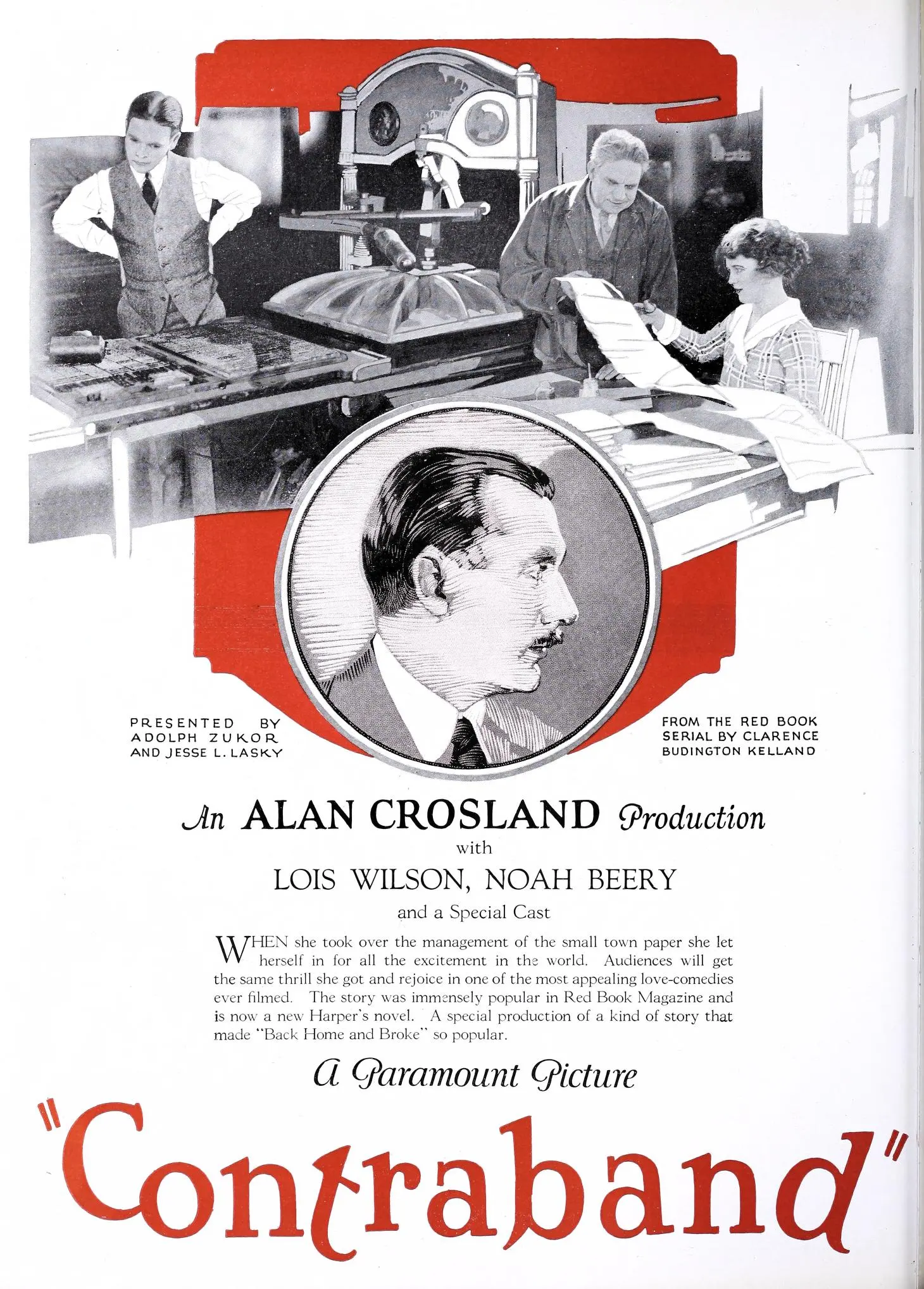
Few works in United States cinema carry the same weight as Contraband, especially regarding the technical innovation that Alan Crosland introduced to the Drama format. Subverting the expectations of the typical 1925 audience, it bridges the gap between traditional Drama and contemporary vision.
In Contraband, Alan Crosland pushes the boundaries of conventional narrative. The film's unique approach to its subject matter has sparked endless debates and interpretations among cinephiles and critics alike.
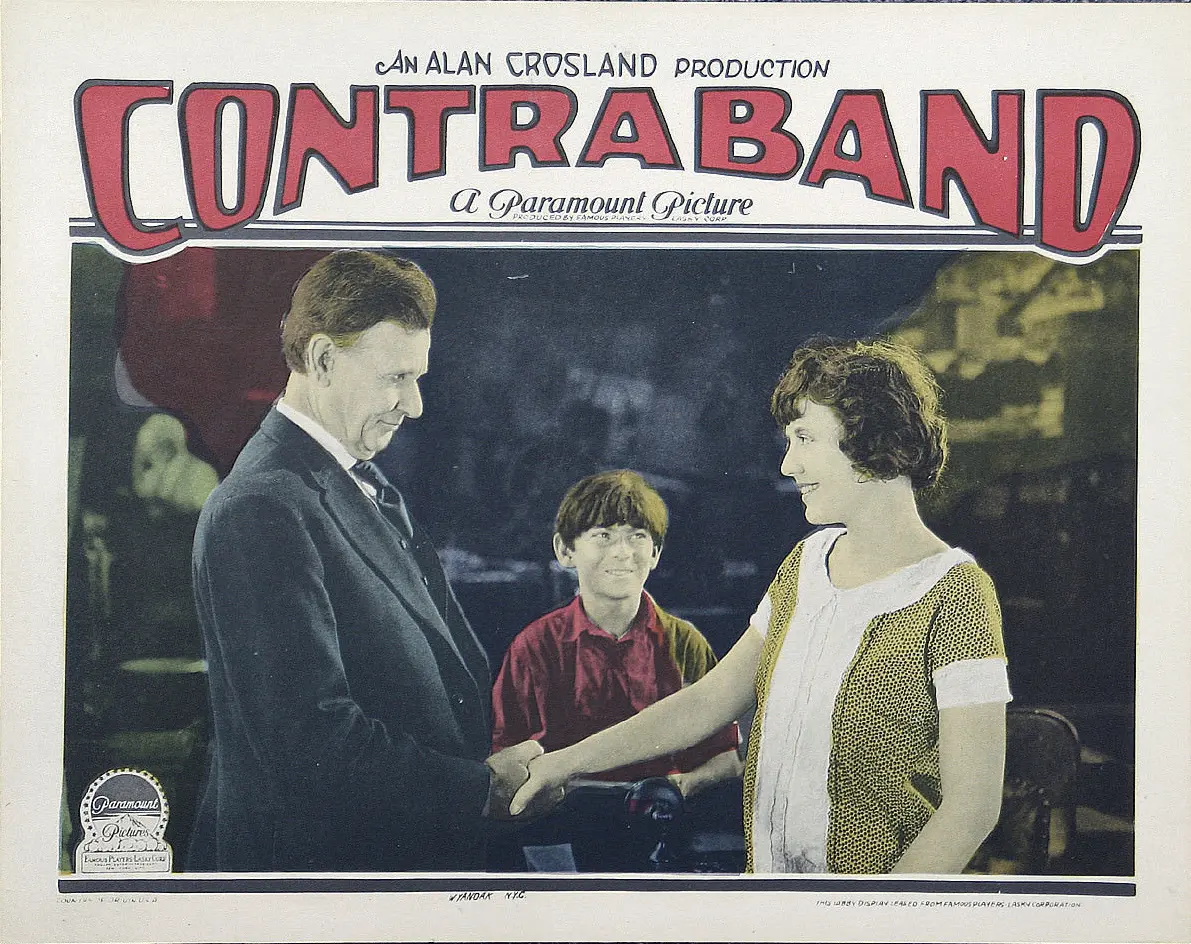
The visual language of Contraband is defined by its use of shadows and framing, a hallmark of Alan Crosland's style. By utilizing a 1925-era palette, the film creates an immersive experience that perfectly complements its Drama themes.
| Cinematography | Deep Focus |
| Soundtrack | Diegetic |
| Editing | Rhythmic |
| Art Direction | Naturalist |
Visualizing the convergence of Alan Crosland's style and the core Drama narrative.
After inheriting a newspaper in a small country town, Carmel Lee leaves her home in the city to take charge of it. She soon discovers that the town is terrorized by a band of bootleggers, who abduct and later kill the local sheriff. With the aid of Professor Pell, who has been recently fired as school superintendent, Carmel makes a public issue of the sheriff's murder, editorializing in her paper for justice and reform. Pell and Carmel are kidnapped by the bootleggers, but Carmel escapes and alerts the police. The bootleggers are arrested, the sheriff's murder in solved, and Abner Fownes, a politician and one of the town's leading citizens, is uncovered as the leader of the gang.
Decades after its release, Contraband remains a vital piece of the cinematic puzzle. Its influence can be seen in countless modern works, solidifying Alan Crosland's status as a master of the craft in United States and beyond.