
Cult Cinema
The Unholy Genesis: How Pre-Code Hollywood's Wild Years Forged the Soul of Transgressive Cult Cinema
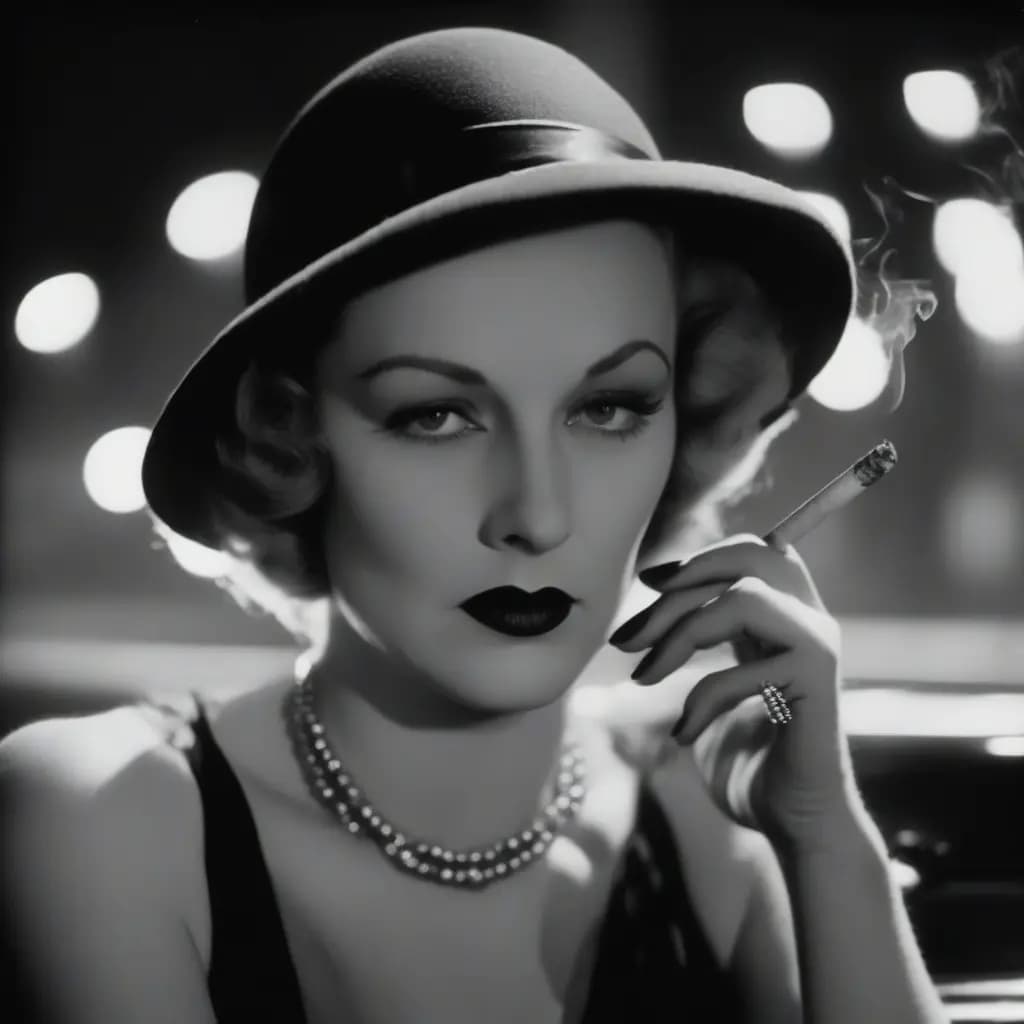
“Before the iron grip of the Hays Code, Hollywood indulged in a brief, scandalous era of moral ambiguity and raw transgression. This forgotten period, rife with illicit desires and defiant characters, unwittingly laid the primal blueprint for what we now recognize as cult cinema.”
There exists a whispered chapter in Hollywood's history, a mere sliver of time, yet one that pulses with a raw, untamed energy unlike any other. It’s a period often glossed over, a pre-censorship free-for-all before the industry shackled itself with the moralizing chains of the Hays Code. This was Pre-Code Hollywood, roughly spanning from the advent of sound in 1929 to the rigorous enforcement of the Code in mid-1934. For five glorious, anarchic years, American cinema was a playground for the forbidden, a crucible where taboos were not just hinted at but brazenly displayed. It wasn't trying to be cult cinema, not in the modern sense of niche fandom and midnight screenings. Yet, in its relentless pursuit of sensationalism, its daring embrace of moral ambiguity, and its creation of unapologetically flawed characters, Pre-Code Hollywood inadvertently etched the foundational DNA of what would later become the most cherished, and often most scandalous, corner of our cinematic universe: transgressive cult cinema.
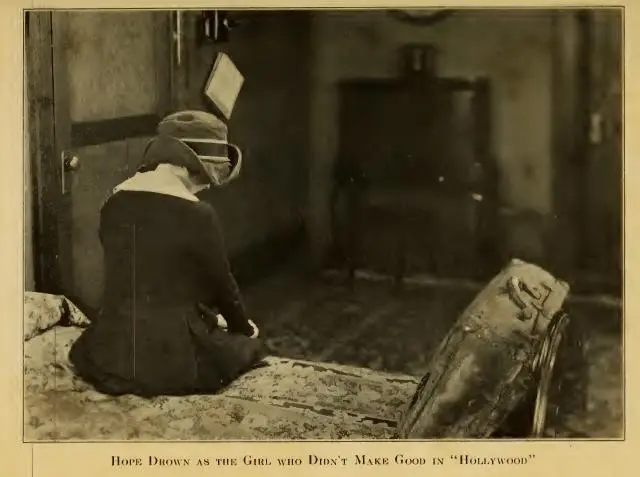
What makes a film a cult object? Often, it’s a sense of rebellion, a defiance of mainstream sensibilities, a willingness to explore the uncomfortable, the controversial, the downright strange. And where did this spirit first find its loud, confident voice in American cinema? In the pre-Code era, where the industry, desperate to lure audiences back from the Great Depression's grip, threw caution and conventional morality to the wind. They gave us films that dared to show women as sexual beings, criminals as sympathetic figures, and societal norms as mere suggestions. This wasn't subtle; it was a full-frontal assault on propriety, a wild, exhilarating ride that, once experienced, left an indelible mark, shaping the very language of cinematic rebellion.
The Wild West of Celluloid: A Brief, Glorious Anarchy
The early 1930s were a turbulent time, economically and socially. The Great Depression had gripped America, and audiences, seeking escape, were increasingly jaded by wholesome fare. Hollywood, sensing an opportunity and a desperate need to fill seats, responded by pushing the envelope with unprecedented zeal. The Motion Picture Production Code, drafted in 1930, was technically in place, but its enforcement was notoriously lax. This created a fertile ground for filmmakers to explore themes that would be unthinkable just a few years later. It was a creative free-for-all, a cinematic Wild West where producers and directors chased shock value, scandal, and box office returns with equal fervor.
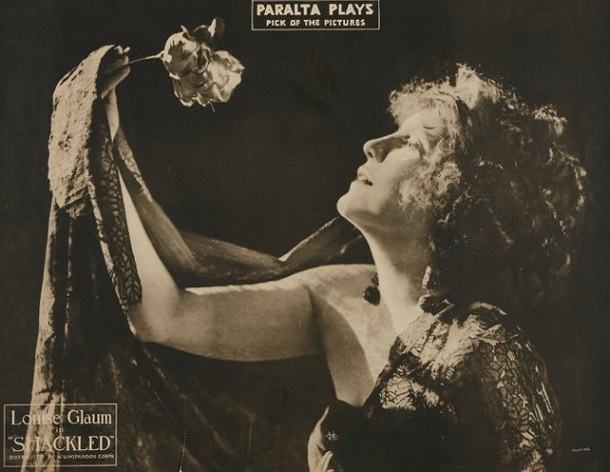
The result was a torrent of films that reveled in moral ambiguity. Unlike the clear-cut heroes and villains that would dominate post-Code cinema, pre-Code narratives often presented characters caught in complex ethical dilemmas, their actions driven by greed, lust, or sheer desperation rather than noble ideals. This wasn't merely titillation; it was a reflection of a society grappling with its own moral compass during an era of profound crisis. The audience, battered by economic hardship and social upheaval, found a strange solace, perhaps even a validation, in seeing their own struggles and temptations mirrored, however exaggerated, on the silver screen.
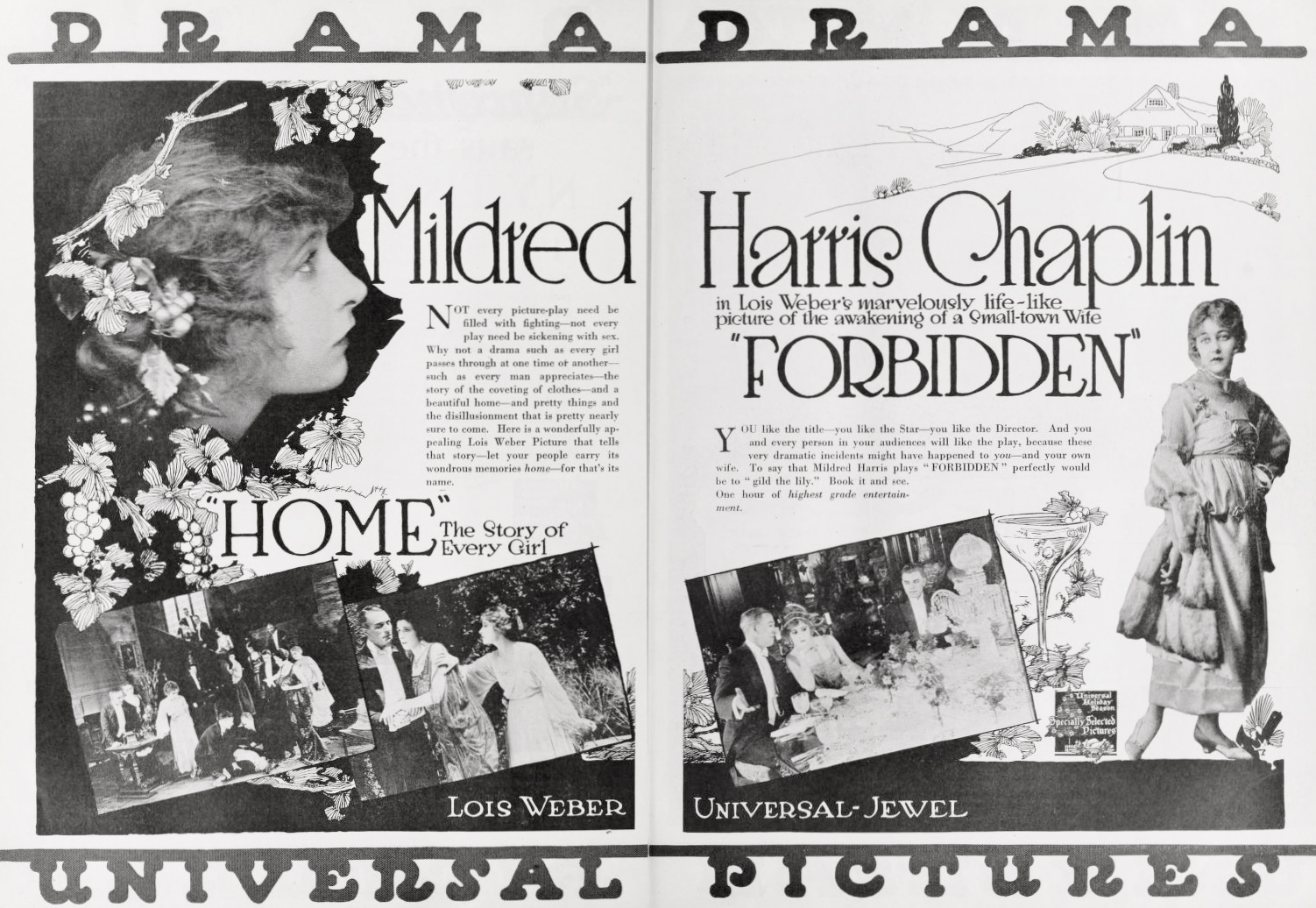
"The films of the pre-Code era didn't just break rules; they rewrote the rulebook entirely, even if only for a fleeting moment. They dared to ask: what if virtue isn't always rewarded, and vice isn't always punished?"
Morality Optional: The Birth of the Anti-Heroine and the Unrepentant Anti-Hero
One of the most striking legacies of Pre-Code cinema is its unapologetic portrayal of women. Gone were the demure, passive heroines; in their place emerged a legion of strong, independent, often amoral women who pursued their desires with a startling lack of repentance. These were characters who smoked, drank, engaged in premarital sex, and often used their sexuality as a tool for advancement or survival. They were not always punished for their transgressions; sometimes, they even triumphed. Think of the brazen characters in films like Broadway Love, a story that, even in its 1918 iteration, hints at the kind of 'fast crowd' and moral compromises that would become staples of the Pre-Code era. Similarly, the 'licentious life' alluded to in Thais (1917) or the 'diseases of pre-revolutionary society' explored in the Russian Molchi, grust... molchi (1918) show a nascent fascination with moral decay that Pre-Code would amplify.
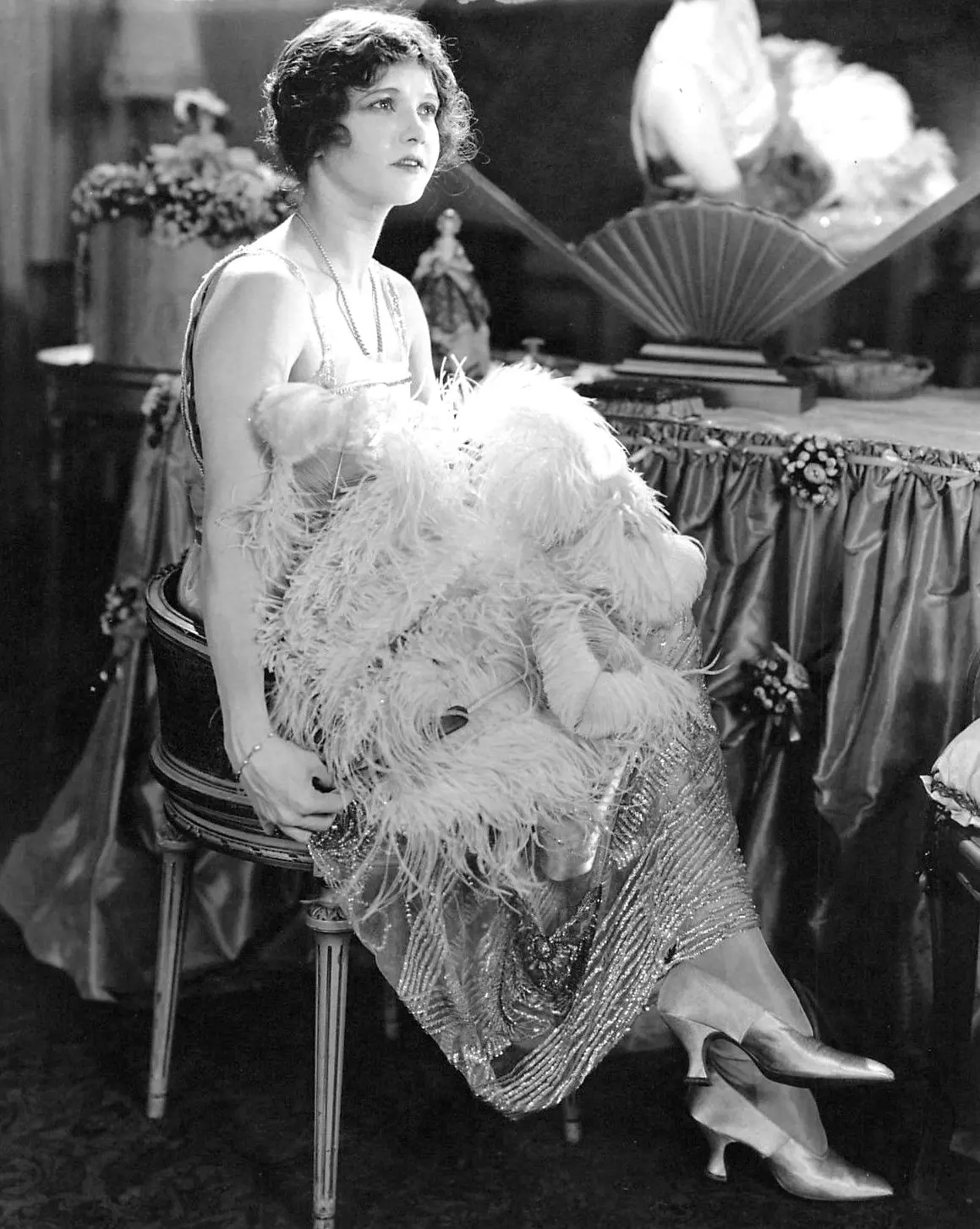
These women were captivating precisely because they were dangerous, complex, and defied the neatly packaged expectations of female behavior. They were the spiritual ancestors of the defiant protagonists we celebrate in cult films today. We also saw the rise of the cynical, often charming, anti-hero. Characters driven by self-interest, sometimes resorting to violence or deceit, yet retaining a strange magnetism. Films like The Killer (1921), with its protagonist suspected of murder living on the border, or The Primal Law (1921), featuring plotters trying to force cattle ranchers to sell their land cheap, exemplify this early fascination with morally ambiguous figures operating outside conventional law. These figures, whether female or male, were not merely bad; they were complicated, reflecting a world where good and evil were not always distinct, laying the groundwork for the nuanced, often dark, protagonists that cult audiences would later embrace.
The Unflinching Gaze: Taboo Territory Explored
Beyond character, Pre-Code films plunged headfirst into subjects that would soon become strictly off-limits. Sexuality, in its myriad forms, was a constant presence. Adultery, prostitution, promiscuity, and even veiled suggestions of homosexuality were depicted with a frankness that still startles modern viewers. Violence, too, was often explicit and brutal, far removed from the sanitized conflicts of later decades. Corruption, crime, and the seedy underbelly of urban life were not shied away from but reveled in. Consider the themes of illicit encounters and urban decay hinted at in The Street (1923), or the social critique inherent in a film like The Woman in Politics (1916), where an outspoken health commissioner challenges a corrupt mayor. These were early rumblings of the kind of societal anxieties that Pre-Code would fully unleash.
Even socially challenging topics like divorce and mental illness, as seen in A Bill of Divorcement (1922), were handled with a degree of seriousness and emotional rawness that belied the era's reputation for superficiality. The depiction of hell in Dante's Inferno (1911), while a much earlier silent film and allegorical, illustrates a long-standing fascination with sin and its consequences, a fascination that Pre-Code Hollywood would ground in contemporary, often scandalous, human drama. This willingness to confront the darker aspects of human nature and society, without moralizing or easy answers, is a hallmark of the transgressive cinema that cult audiences seek out. It’s the cinematic equivalent of looking behind the curtain and finding something far more complicated and compelling than the official narrative.
The Audience as Accomplice: Forging a Shared Transgressive Gaze
The relationship between Pre-Code films and their audience was symbiotic. The films dared, and the audiences, hungry for escape and reflection of their tumultuous times, devoured them. This created a unique, shared experience, a collective indulgence in the forbidden. Watching a Pre-Code film was, in a way, an act of minor rebellion itself. You were complicit in witnessing a world where traditional values were questioned, where heroes were flawed, and where villains often got away with it. This communal act of engaging with transgressive material is, arguably, the foundational ritual of cult cinema.
The films didn't preach; they presented. They invited viewers to grapple with complex moral landscapes without the comfort of a clear ethical compass. This lack of overt moralizing, this trust in the audience to draw their own conclusions, is a rare and powerful quality. It fosters a deeper, more engaged viewership, one that is not merely consuming a story but actively participating in its interpretation. This is precisely the kind of active engagement that defines cult fandom, where audiences dissect, debate, and celebrate films that refuse easy answers and challenge their perceptions.
The Shadow of the Code: Why We Still Look Back
The party couldn't last forever. Pressure from religious groups, women's organizations, and conservative politicians eventually forced Hollywood's hand. In 1934, Joseph Breen was appointed to head the Production Code Administration, and the Hays Code, previously a toothless tiger, became a draconian enforcer. Overnight, the cinematic landscape shifted dramatically. Sex was sublimated, violence was implied, and moral rectitude became paramount. Characters who once reveled in their defiance were now forced to repent, or at least face swift and unambiguous justice.
But the genie, once out of the bottle, couldn't be entirely contained. The spirit of Pre-Code transgression went underground, manifesting in veiled forms throughout the Golden Age, and eventually bursting forth again in the New Hollywood era of the late 1960s and 70s. Filmmakers and audiences, having glimpsed the raw potential of cinema without moral fetters, never truly forgot. The films of the Pre-Code era became whispered legends, rediscovered and celebrated by cinephiles who recognized their audacious spirit and their foundational role in challenging cinematic norms.
Today, Pre-Code films are revered not just as historical artifacts but as vital pieces of cinematic expression, demonstrating a daring and inventive period that refused to pander. They are, in essence, the proto-cult films, accidental rebels that paved the way for every independent, controversial, and boundary-pushing movie that followed. They taught us that cinema could be more than mere entertainment; it could be a mirror, however distorted, reflecting our deepest desires and darkest fears, without judgment. And that, I contend, is the truest genesis of what we cherish as cult cinema.
Community
Comments
Log in to comment.
Loading comments…