
DbcultAccessing Vault...
Listicle
Archivist John
Senior Editor
In an age dominated by CGI spectacles and surround sound, it's easy to forget the humble beginnings of cinema. Yet, between 1915 and 1925, a golden era of silent films flourished, laying the groundwork for everything we cherish about movies today. These pioneering works, often overlooked in modern discourse, are not mere historical artifacts; they are vibrant, compelling narratives that captivated audiences with their innovative storytelling, powerful performances, and breathtaking visuals, all without uttering a single word. Join us on a captivating journey as we unearth ten extraordinary silent era gems that deserve a spotlight, showcasing the incredible breadth and depth of early cinema. From poignant dramas to thrilling adventures and thought-provoking social commentaries, these films prove that the art of storytelling transcends time and technology.
Prepare to be mesmerized by the expressive power of the human face, the dramatic sweep of grand gestures, and the sheer ingenuity of filmmakers who communicated entire worlds through light and shadow. These forgotten films offer a unique window into the cultural anxieties, social norms, and boundless imagination of a bygone era, proving that the silent screen was anything but quiet. Let's delve into the magic!
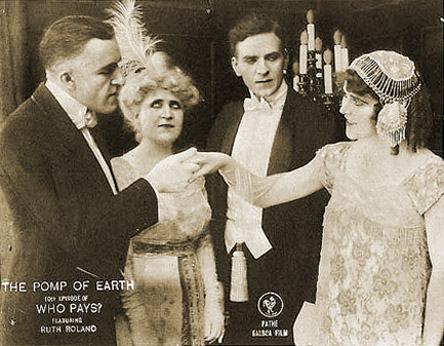
Released in the midst of the burgeoning silent film industry, Who Pays? stands as a powerful testament to early cinema's capacity for social commentary and poignant drama. This film likely delved into the moral and economic dilemmas of its time, exploring the unseen costs and sacrifices made by individuals in a complex society. Pioneering filmmakers often used melodrama to highlight injustices, and this title suggests a narrative that questioned societal structures and personal responsibilities. It’s a fascinating glimpse into how early cinema grappled with weighty themes, engaging audiences not just with spectacle, but with profound human questions. It reminds us that cinema's role as a mirror to society began almost at its inception.
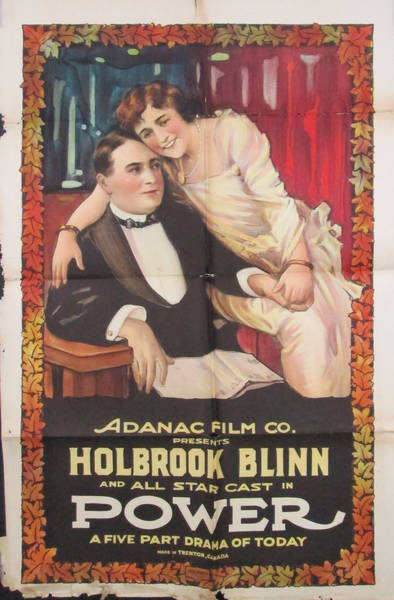
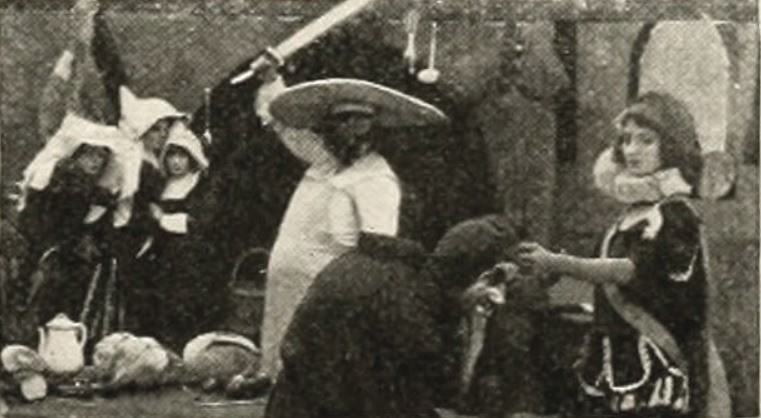
Before Disney, before elaborate special effects, there was Rumpelstiltskin from 1915, bringing the beloved Grimm's fairy tale to life on the silver screen. This early adaptation showcases the ambition of silent filmmakers to translate fantastical stories into visual narratives, captivating audiences with magic and wonder. Such films were crucial in establishing cinema as a medium for escapism and imagination, proving that even without dialogue, classic tales could enchant and thrill. It's a delightful example of how foundational cinematic techniques were developed to create a sense of the magical and the impossible, making it a pivotal piece in the history of fantasy filmmaking.
Read full review of Rumpelstiltskin
The Peddler, a 1917 production, offers a charming and insightful look into the lives of ordinary people during the early 20th century. Films centered around itinerant characters often provided a unique lens through which to observe diverse social strata and regional customs. This movie likely explored themes of struggle, resilience, and perhaps unexpected encounters, as its protagonist travels from place to place. It represents the quiet strength of character-driven narratives in the silent era, demonstrating how compelling human stories could unfold without grand spectacles, relying instead on nuanced performances and evocative visual storytelling to convey emotion and plot. It’s a testament to the power of simple, relatable narratives.
Read full review of The Peddler
As the world grappled with the Great War, films like Her Country First from 1918 emerged, reflecting the patriotic fervor and shifting roles of women during wartime. This movie likely championed themes of courage, sacrifice, and national duty, possibly featuring a strong female protagonist who rises to the occasion. Silent cinema played a crucial role in shaping public opinion and morale, and this film would have been a powerful example of using the medium for both entertainment and social messaging. It provides a fascinating historical document, illustrating how cinema mirrored and influenced the societal changes brought about by global conflict, especially concerning women's expanded roles.
Read full review of Her Country First
From Italian cinema's prolific silent era comes Il mistero di Galatea (The Mystery of Galatea), a 1918 film that promises intrigue and perhaps a touch of classical mythology or artistic obsession. Italian cinema of this period was renowned for its lavish productions and dramatic flair, often exploring complex human emotions and mysterious plots. This film likely combined elements of romance, suspense, and perhaps even psychological drama, keeping audiences on the edge of their seats with its unfolding secrets. It highlights the international reach and diverse narrative styles of early cinema, proving that captivating mysteries were a universal language even without spoken words.
Read full review of Il mistero di Galatea
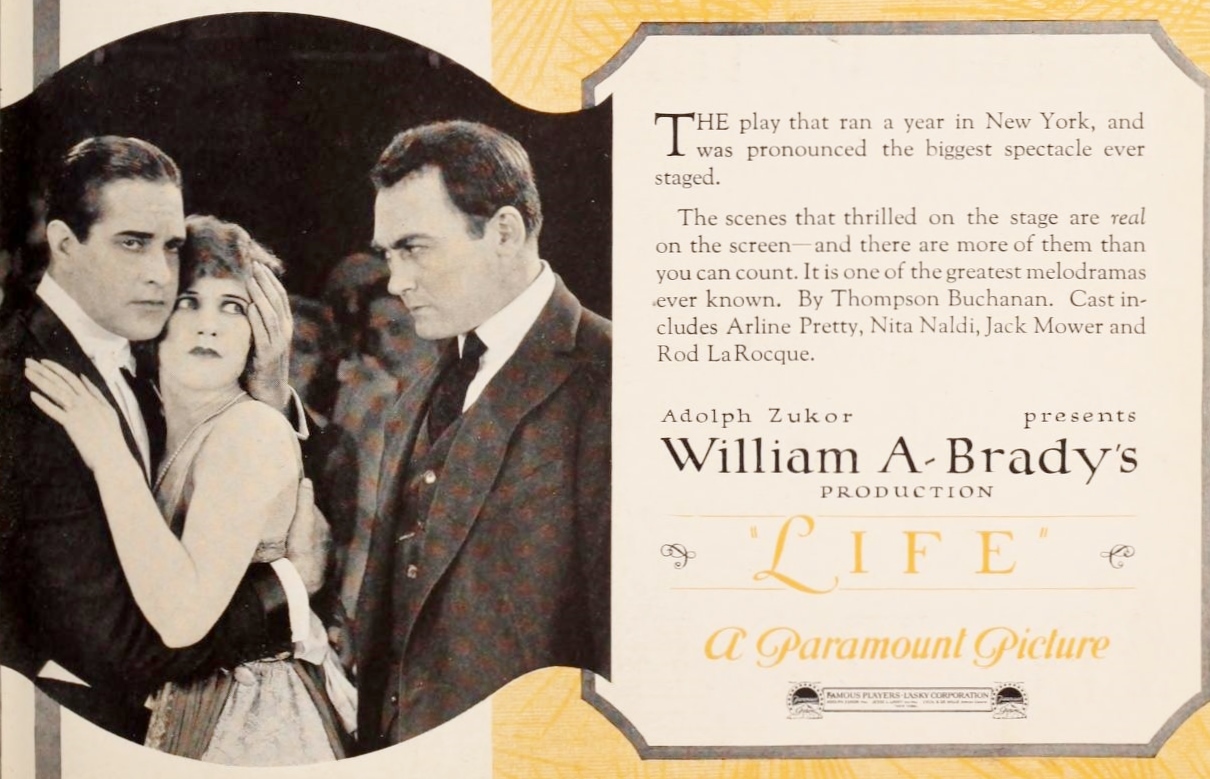
The roaring twenties were just around the corner, and films like Spotlight Sadie from 1919 captured the burgeoning fascination with celebrity, performance, and the allure of the stage. This film likely followed the journey of a spirited young woman, perhaps an aspiring actress or dancer, as she navigates the challenges and triumphs of the entertainment world. It offers a vibrant snapshot of the cultural landscape, exploring themes of ambition, fame, and personal sacrifice. Spotlight Sadie would have been a compelling early example of a backstage drama or a rags-to-riches story, showcasing the captivating power of a performer's journey in the silent era.
Read full review of Spotlight Sadie
Adventure called in 1920 with Once Aboard the Lugger, a film that likely plunged audiences into the thrilling world of maritime escapades. Sea-faring stories were popular in early cinema, offering dramatic visuals of expansive oceans, daring voyages, and the inherent dangers of life at sea. This film would have capitalized on the visual storytelling strengths of the silent medium, using sweeping shots and intense action sequences to convey the excitement of a journey on a small vessel. It's a fantastic example of how early filmmakers mastered the art of suspense and grand adventure, transporting viewers to distant shores and perilous situations with remarkable skill.
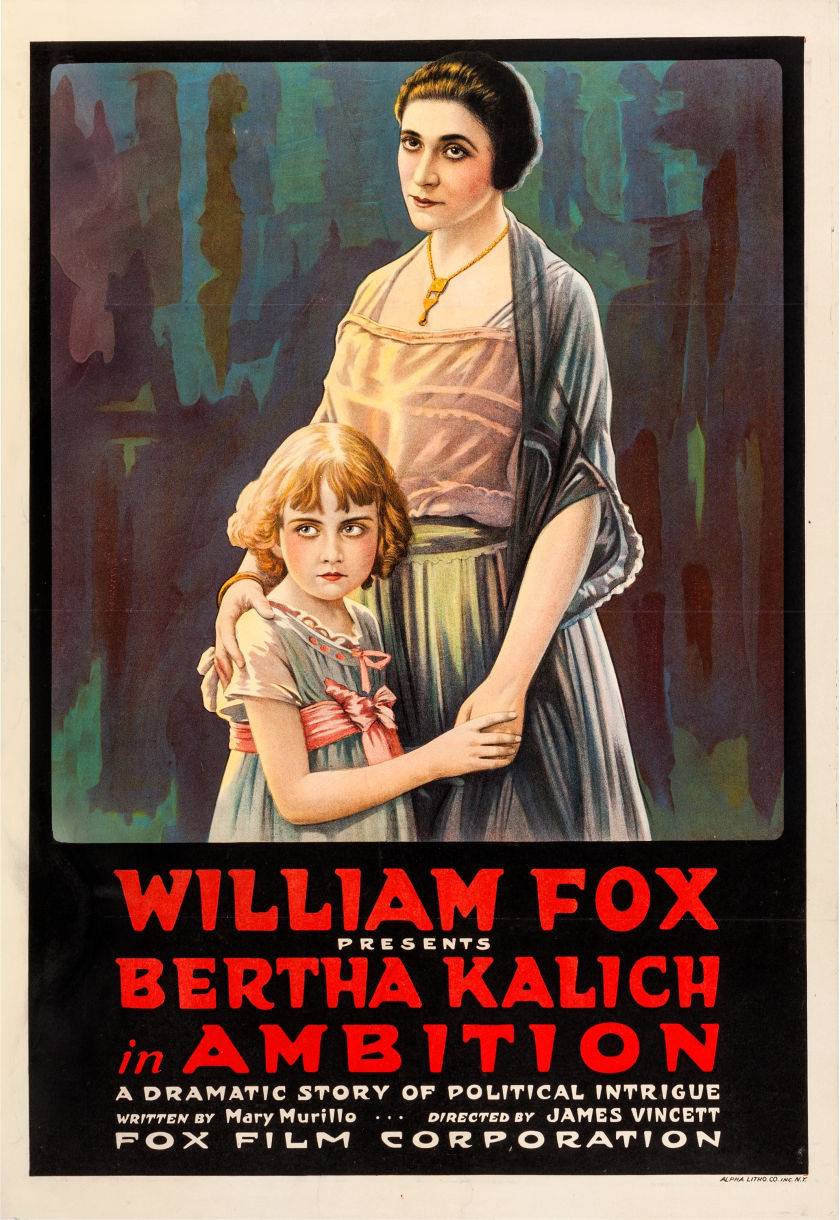
Read full review of Once Aboard the Lugger
Released in 1924, Sundown evokes images of the American West, a genre that was already firmly established and beloved in the silent era. This film likely explored themes of frontier life, justice, and perhaps the fading of a certain way of life as modernity encroached. Westerns of this period often featured stoic heroes, dramatic landscapes, and intense confrontations, all communicated through powerful visual cues. Sundown would have been a quintessential example of how silent films captured the grandeur and grit of the American frontier, solidifying the tropes and visual language that would define the genre for decades to come, making it a crucial piece of cinematic Americana.
Translating to 'The Tragedy of Silence', this 1924 film hints at a profound and emotionally charged drama. Such titles often signified deep psychological conflicts, unspoken sorrows, or the devastating consequences of secrets kept. Silent cinema excelled at conveying intense emotions through facial expressions, body language, and dramatic lighting, making a title like this particularly resonant. La tragedia del silencio likely explored the internal struggles of its characters, using the very absence of sound to amplify the weight of their unspoken burdens. It's a powerful reminder of how the silent medium could delve into the complexities of the human condition with remarkable depth and artistry.
Read full review of La tragedia del silencio
As the silent era drew to a close, films like The Lawful Cheater (1925) continued to push boundaries with intriguing plots and moral dilemmas. This title suggests a narrative rich with legal intrigue, ethical ambiguities, and perhaps a clever protagonist who bends the rules without breaking them. Such films often explored the fine lines between right and wrong, challenging audience perceptions of justice and morality. It’s a compelling example of how silent cinema, even in its twilight years, continued to evolve, delivering sophisticated narratives that engaged intellect as much as emotion. This film would have been a thrilling ride, showcasing the ingenuity of late silent-era storytelling.
Read full review of The Lawful Cheater
These ten films, spanning a crucial decade in cinematic history, are more than just old movies; they are vital pieces of our cultural heritage. They represent the boundless creativity and pioneering spirit of filmmakers who, without the luxury of spoken dialogue, crafted narratives that continue to resonate. Exploring these silent era gems offers a profound appreciation for the foundational artistry of cinema and a unique window into the past. So, dim the lights, silence your phone, and let the expressive power of these forgotten narratives transport you. The magic of early cinema is waiting to be rediscovered!