
DbcultAccessing Vault...
Film History
Archivist John
Senior Editor
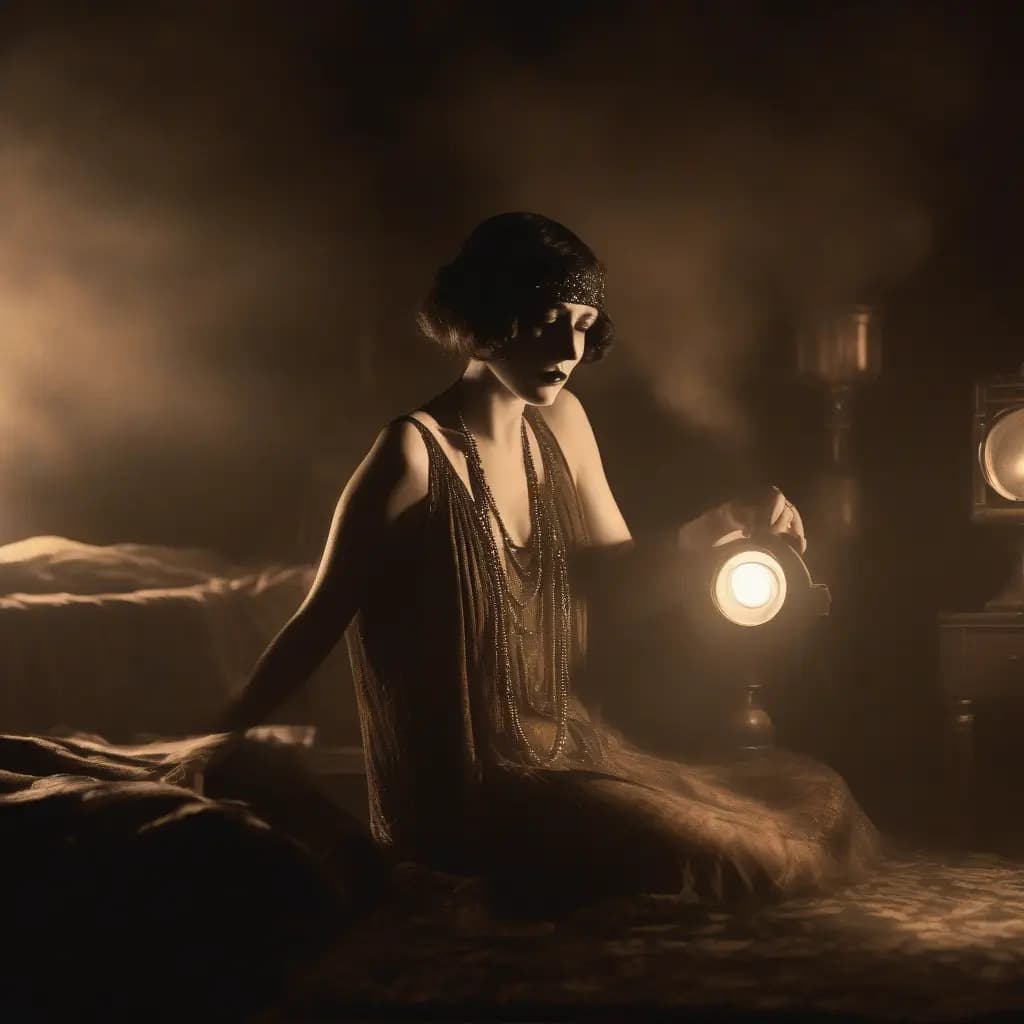
We often trace the lineage of cult cinema back to the smog-choked midnight screenings of the 1970s, or perhaps the technicolor grime of the 1960s grindhouse. But as a historian of the fringe, I contend that the 'midnight mindset'—that specific, devotional hunger for the forbidden—was actually forged in the silent era, specifically within the 1910s 'vice wave.' These films were marketed as moral warnings, but they functioned as the first true exploitation cinema. They were the original 'forbidden' objects, inviting audiences to peer into the shadows of opium dens, roadhouses, and the chemical disintegration of the soul. To understand the modern cult obsession, we must look at the narcotic gaze of the 1910s.
The genius—and the cynicism—of early cult cinema lay in its ability to bypass censorship through the guise of 'social hygiene.' In the 1910s, if you wanted to show a woman descending into a drug-induced delirium, you couldn't call it entertainment; you had to call it a 'psychological study.' Take, for example, the 1914 film The Spirit of the Poppy. On the surface, it’s a cautionary tale about the ravages of addiction. In reality, it is a visual exploration of the 'other.' It offered the middle-class viewer a safe, voyeuristic window into a world they were told to fear but were secretly dying to see.
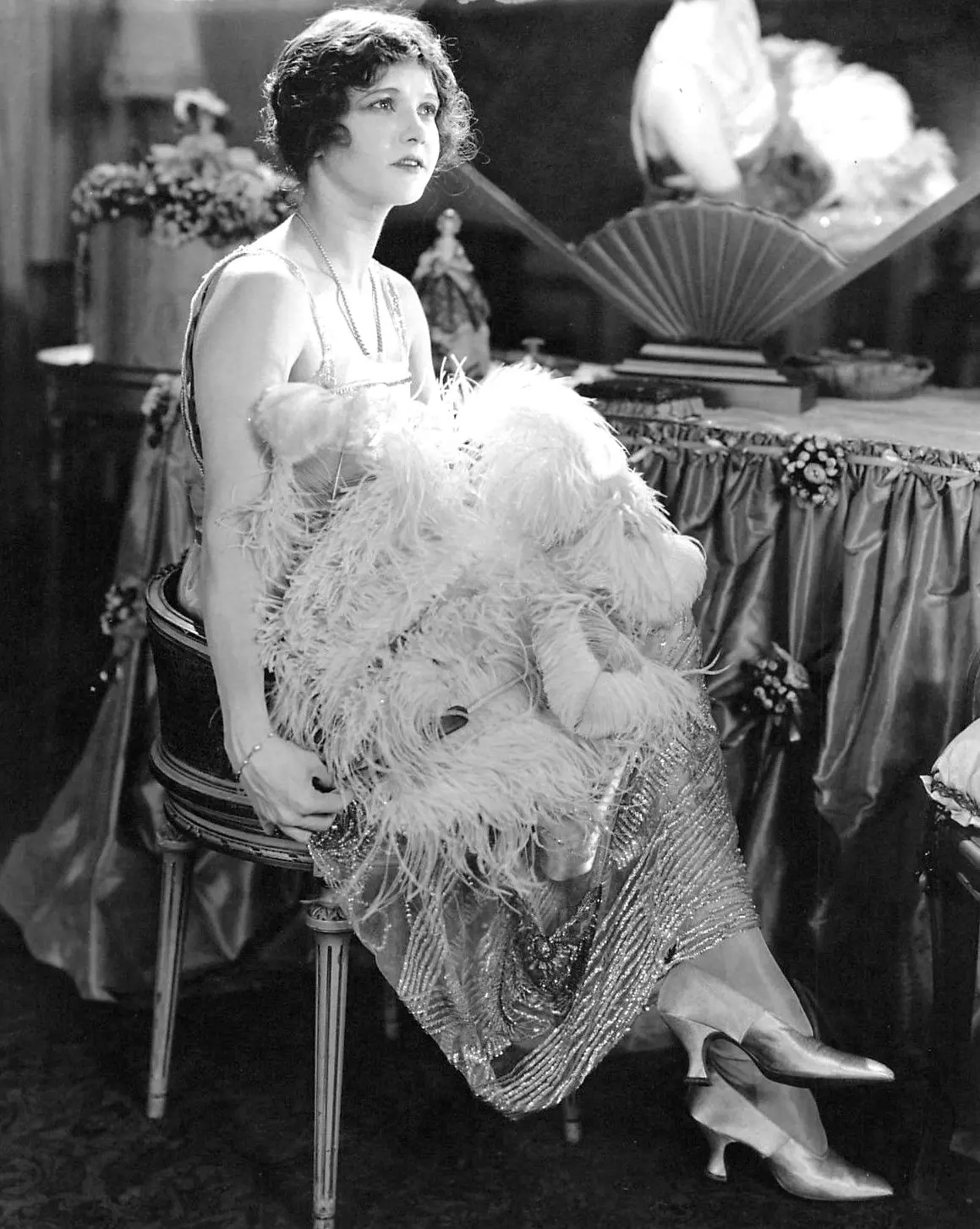
This is where the cult audience was born. The cult spectator is not looking for a moral lesson; they are looking for the texture of transgression. In The Spirit of the Poppy, the way the camera lingers on the preparation of the pipe and the subsequent slackening of the protagonist’s features isn't 'educational.' It’s a fetishization of the forbidden. This film, and others like it, established the blueprint for the 'shock-doc' and the later drug-culture films of the 1960s. They provided the first aestheticized version of the 'bad trip' long before LSD hit the streets.
The early 'vice reel' didn't just document the underworld; it invented the cinematic language of the underworld, turning the screen into a portal for the prohibited.
One of the most fascinating artifacts of this era is the 1918 film The Craving. Here, we see a bridge between the drug melodrama and the mad scientist trope that would later dominate cult sci-fi. The plot involves an Indian scholar attempting to steal a powerful explosive formula from an American chemist by exploiting the man's 'drinking problem.' This isn't just a story about alcoholism; it’s a story about the manipulation of the human will through chemical means.
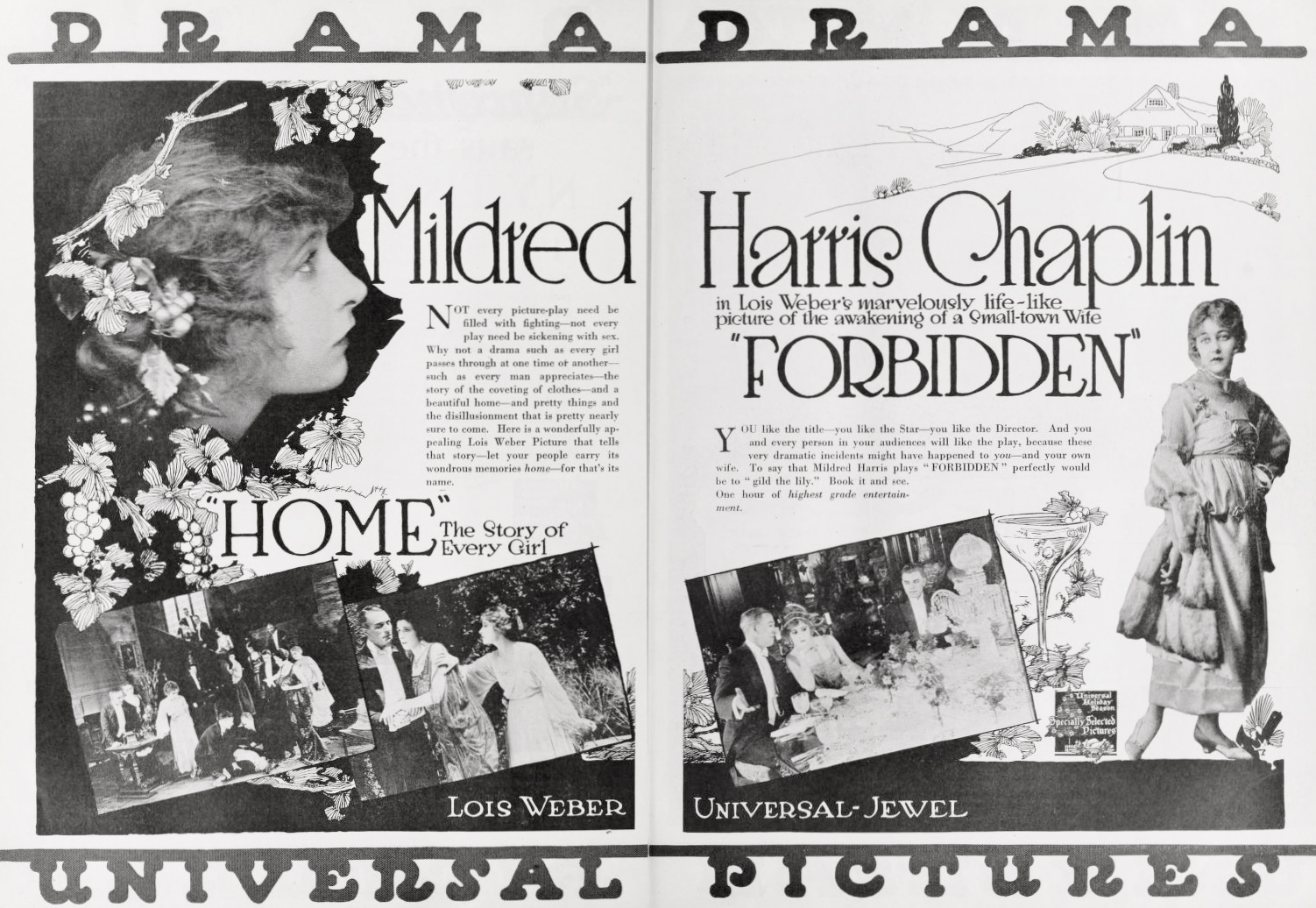
The scenes where the chemist battles his 'craving' are directed with a frantic, almost supernatural intensity. It elevates addiction from a social ill to a metaphysical struggle. This is a quintessential cult theme: the protagonist as a vessel for forces beyond their control. In the scene where the Indian scholar looms over the chemist, he isn't just a villain; he is a 'psychic predator,' a trope we see echoed decades later in films like Scanners or The Manchurian Candidate. The 'vice' in these films is often just a placeholder for a deeper, more existential dread.
If the drug films provided the internal landscape of the cult protagonist, films like The Chosen Path (1918) provided the geography. The narrative follows Mary Willis, who leaves her husband for the 'city life' and ends up working in an underworld roadhouse. The 'roadhouse' in 1910s cinema is a fascinating liminal space. It’s where the rules of polite society dissolve, replaced by a hierarchy of grit and survival. It is the ancestor of the dive bars in noir and the post-apocalyptic outposts of 1980s cult cinema.
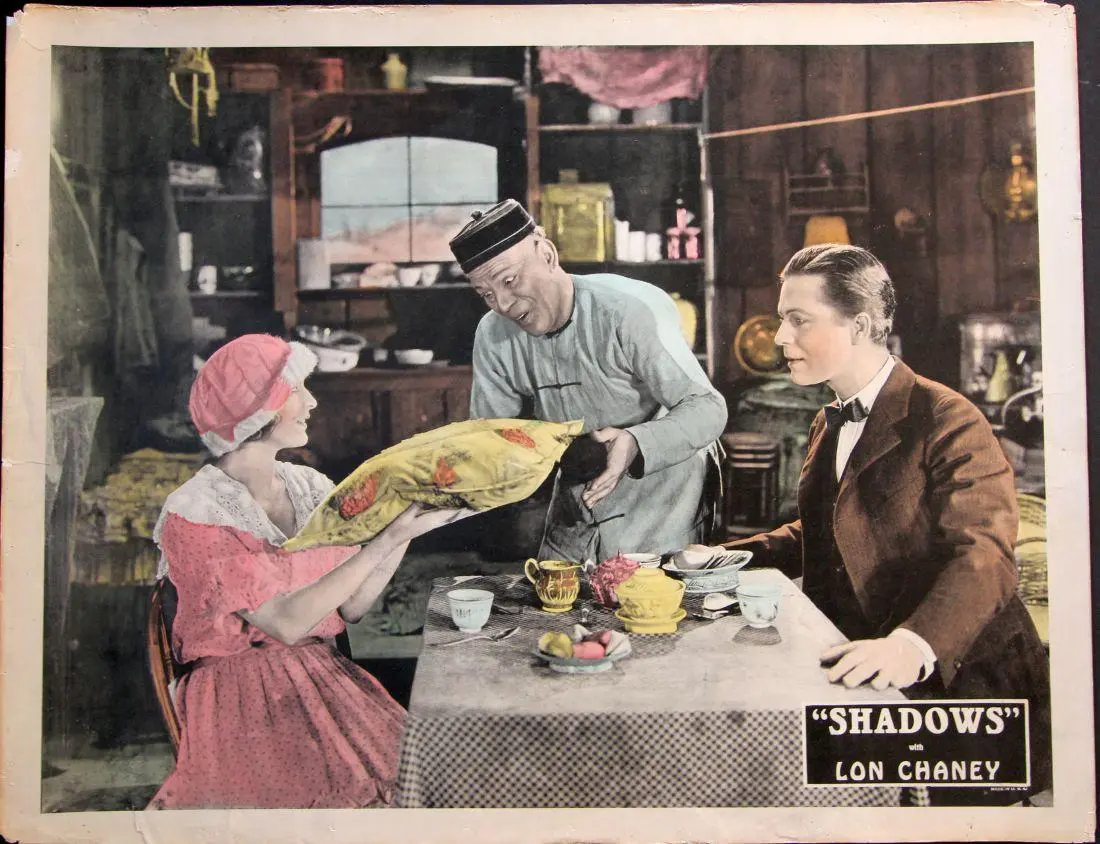
In The Chosen Path, the roadhouse is depicted as a den of 'vice,' but the camera’s fascination with its inhabitants—the gamblers, the fallen women, the financiers of crime—betrays the film's supposed moral intent. There is a specific scene where Mary is seen in the thick of the smoke and the chaos, and for a moment, the film stops being a tragedy and starts being a celebration of the 'unruly' life. Cult cinema has always been about finding a home in the margins, and Mary Willis is one of the earliest examples of the 'rebel without a cause' archetype, even if the script eventually forces her into a convent-school penance for her daughter.
The 1910s were obsessed with the idea of the 'siren'—the woman who leads a good man to ruin. In Wreckage (1925), we see the 'siren' Margot threaten suicide to manipulate her lover, Grant. When Grant reaches for the gun to stop her, it goes off, and he is the one who suffers. This 'accidental' violence and the blurring of victim and perpetrator roles is a staple of transgressive cinema. It rejects the clean moral lines of mainstream storytelling.

Similarly, in Guilty of Love (1920), the 'fallen' governess Thelma Miller demands marriage after a brief affair. The tension here isn't just about the 'sin' of premarital sex; it’s about the power dynamics of class and the way a 'shameful' secret can dismantle an entire aristocratic structure. Cult cinema loves a secret, and the 1910s vice reels were the first to realize that a hidden pregnancy or a secret drug habit is the ultimate narrative engine for subverting social order.
While many vice reels focused on the gutter, others, like Ernst Lubitsch's Forbidden Paradise (1924), looked at the 'vice' of the elite. The Czarina is saved by the soldier Alexei, but she is inherently unfaithful. When Alexei discovers this, he doesn't just mope; he becomes a leader in an ongoing revolution. This is a crucial pivot for cult cinema: the realization that the 'authority' is corrupt, and the only response is radical defiance.
The scene where Alexei realizes the Queen's infidelity is played with a mixture of high-drama and cynical comedy. It mocks the very institutions it depicts. This 'satirical rot' is exactly what draws cult fans to later films like Pink Flamingos or The Ruling Class. It is the aesthetic of the 'unholy'—the idea that nothing is sacred, and everything is a performance. Forbidden Paradise shows us that vice isn't just something that happens in opium dens; it’s the default state of those in power.
I will state this clearly: the silent era was inherently more 'cult' than the sound era that followed. Why? Because the absence of sound forced a reliance on hallucinatory visual logic. When you watch a film like The Spirit of the Poppy, you aren't listening to a sermon; you are experiencing a sequence of images that feel like a fever dream. The silence creates a vacuum that the viewer’s own subconscious must fill, making the experience deeply personal and ritualistic.
Furthermore, the 1910s were a lawless frontier for cinema. Before the full weight of the Hays Code descended, directors could experiment with themes of addiction, sexual fluidity, and moral bankruptcy with a frankness that wouldn't be seen again for forty years. These films weren't 'underground' by choice—they were the mainstream’s way of processing the 'forbidden.' But for the modern viewer, they have become the ultimate 'found footage,' a glimpse into a time when cinema was still figuring out how to be dangerous.
The takeaway for any serious student of cult cinema is this: the 'midnight movie' isn't a time slot; it’s a state of mind that prioritizes the spectacle of the prohibited over the safety of the status quo. The 1910s vice reels were the first to monetize this impulse. They taught us that we want to see the chemist crumble in The Craving, and we want to see Mary Willis in the smoke-filled roadhouse of The Chosen Path.
We don't watch these films to be 'better people.' We watch them to satisfy the 'narcotic gaze'—that part of us that finds beauty in the breakdown. The next time you find yourself watching a transgressive masterpiece from the 70s or 80s, remember that the DNA of that defiance was scripted in the silent era, in flickering black and white, by directors who knew that the best way to get people into a theater was to tell them they weren't supposed to be there.
The silent era's vice reels remain the most potent, and often most overlooked, chapter in the history of cult cinema. They are the primary source of our collective obsession with the dark, the deviant, and the damned. If you want to find the soul of the midnight movie, you have to go back to the poppy fields of the 1910s.