
DbcultAccessing Vault...
Director's Spotlight
Senior Film Conservator
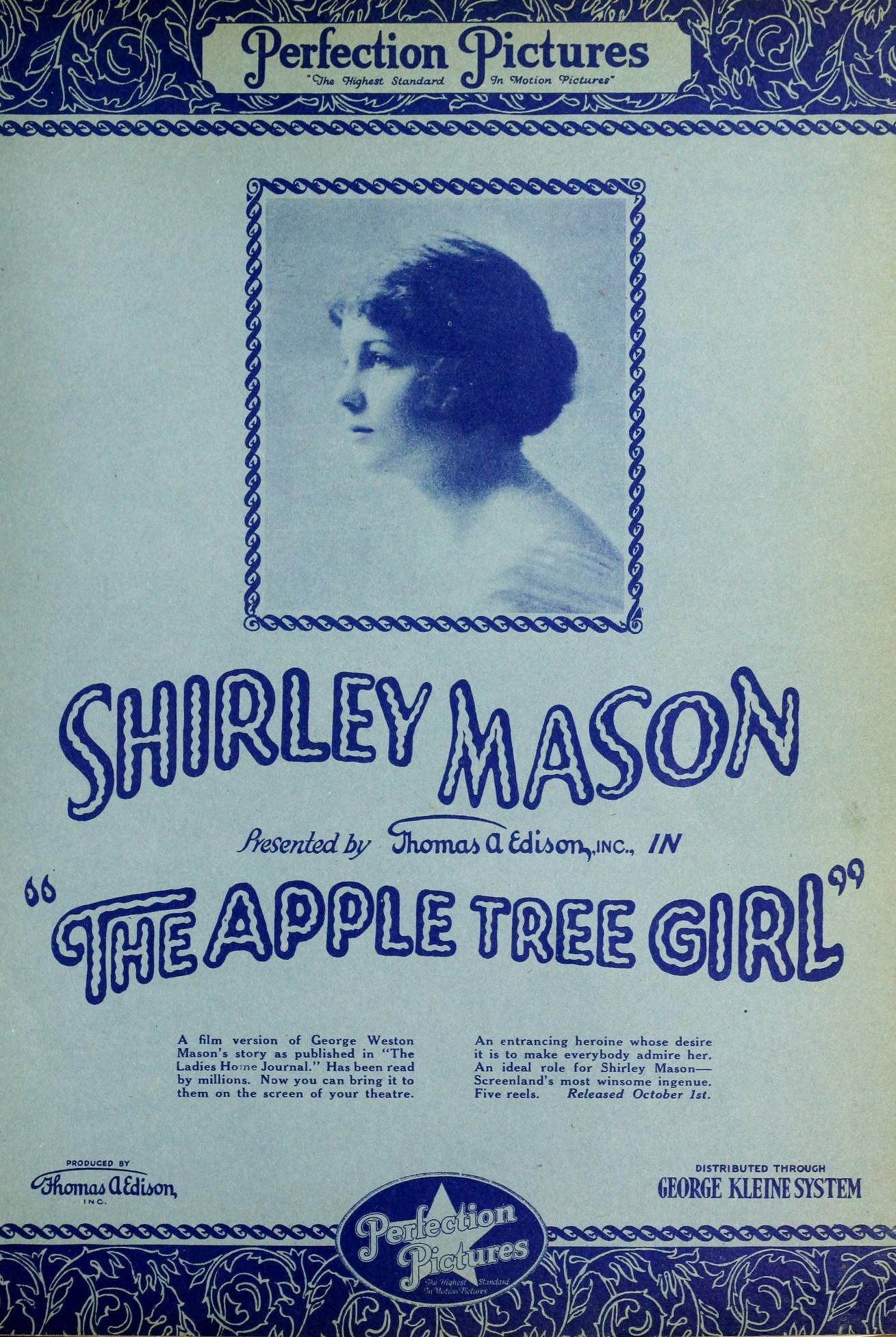
Director's Spotlight: United States
A Deep Dive into the 1917 Vision of Alan Crosland
The brilliance of The Apple-Tree Girl (1917) is inseparable from the visionary mind of its creator, Alan Crosland. Serving as a mirror to the anxieties of a changing world, it persists as a haunting reminder of our own cinematic history.
In The Apple-Tree Girl, Alan Crosland pushes the boundaries of conventional narrative. The film's unique approach to its subject matter has sparked endless debates and interpretations among cinephiles and critics alike.
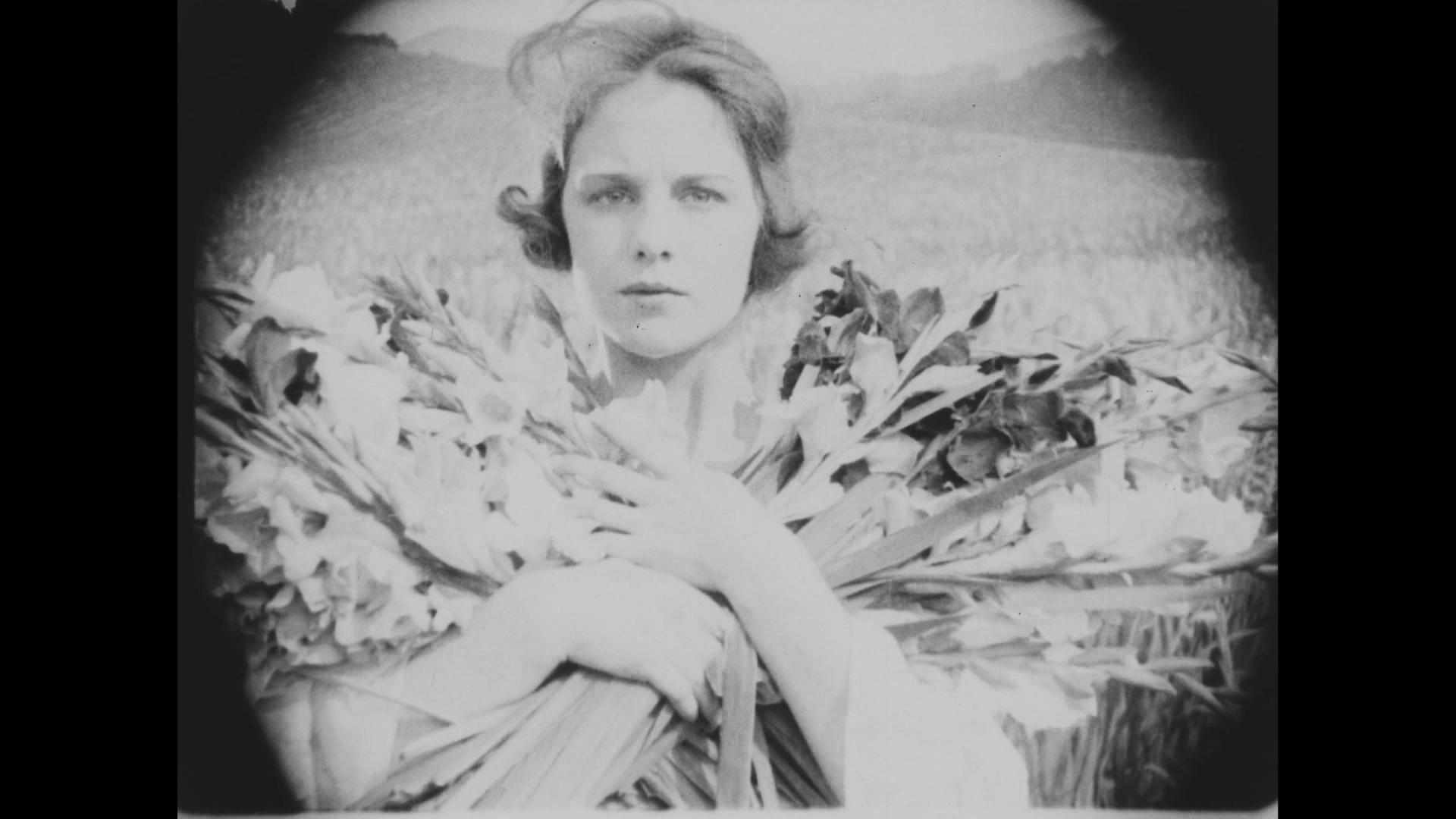
While deeply rooted in United States, The Apple-Tree Girl has achieved a global reach, influencing directors from various backgrounds. Its ability to translate cult tropes into a universal cinematic language is why it remains a cult staple decades after its 1917 release.
| Cinematography | Handheld |
| Soundtrack | Experimental |
| Editing | Invisible |
| Art Direction | Kitsch |
Visualizing the convergence of Alan Crosland's style and the core cult narrative.
Charlotte Marlin was raised on a Connecticut farm in the shadow of Micah's apple tree, whose fruit, according to legend, changed from pale green to spotted red after a peddler was killed and buried at its base. Orphaned, Charlotte goes to live with her aunt and pretty cousin Margaret. She meets Neil Kennedy, a poor boy who is working his way through college, and they become friends. Margaret, who is engaged to wealthy Willis Hayland, teases Charlotte, who considers herself to be plain-looking. At high school graduation Charlotte's academic achievements are obscured by Margaret's leading role in the school play. Jealous of Margaret, Charlotte resolves to make everybody like her, to be famous, and to marry a millionaire. She learns that to make everybody like her, she must be friendly to everyone. To become famous, she becomes a golfer and wins the world's championship tournament. She nurses millionaire Perry Graham after hitting him in the head with a golf ball, supposedly an accident, but when Perry falls in love with her, Charlotte realizes that she loves Neil, who has become a promising physician.
Decades after its release, The Apple-Tree Girl remains a vital piece of the cinematic puzzle. Its influence can be seen in countless modern works, solidifying Alan Crosland's status as a master of the craft in United States and beyond.