
DbcultAccessing Vault...
Director's Spotlight
Senior Film Conservator
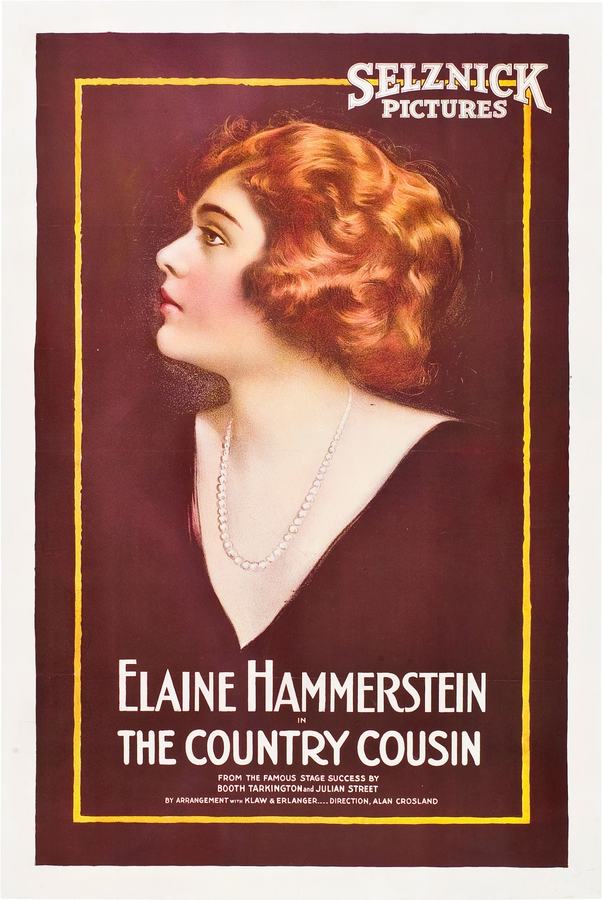
Director's Spotlight: United States
A Deep Dive into the 1919 Vision of Alan Crosland
Few works in United States cinema carry the same weight as The Country Cousin, especially regarding the technical innovation that Alan Crosland introduced to the cult format. Subverting the expectations of the typical 1919 audience, it bridges the gap between traditional cult and contemporary vision.
In The Country Cousin, Alan Crosland pushes the boundaries of conventional narrative. The film's unique approach to its subject matter has sparked endless debates and interpretations among cinephiles and critics alike.
The visual language of The Country Cousin is defined by its use of shadows and framing, a hallmark of Alan Crosland's style. By utilizing a 1919-era palette, the film creates an immersive experience that perfectly complements its cult themes.
| Cinematography | Noir-Inspired |
| Soundtrack | Minimalist |
| Editing | Slow-Burn |
| Art Direction | Brutalist |
Visualizing the convergence of Alan Crosland's style and the core cult narrative.
Nancy Price, who manages her own farm in Ohio, follows her cousin Eleanor Howitt to New York to check on her after the latter inherits a fortune and is persuaded by her father to live with him and his second wife Maude. Nancy is treated inhospitably by Maude and her social set when she discovers that they are encouraging Eleanor to spend money on jewelry and fancy clothes for all of them. One member of the group, George Tewksbury Reynolds, III, after trading insults with Nancy, becomes attracted to her, but she rejects him. After uncouth Archie Gore gets Eleanor intoxicated during a party and Nancy covers up for her, sacrificing her own reputation to protect Eleanor's, Eleanor is convinced to return home, and she resumes a romance with her reliable hometown beau, Sammy Wilson. Reynolds goes to Ohio to learn to be a farmer and is rewarded by Nancy's love.
Decades after its release, The Country Cousin remains a vital piece of the cinematic puzzle. Its influence can be seen in countless modern works, solidifying Alan Crosland's status as a master of the craft in United States and beyond.