
DbcultAccessing Vault...
Cult Cinema
Archivist John
Senior Editor
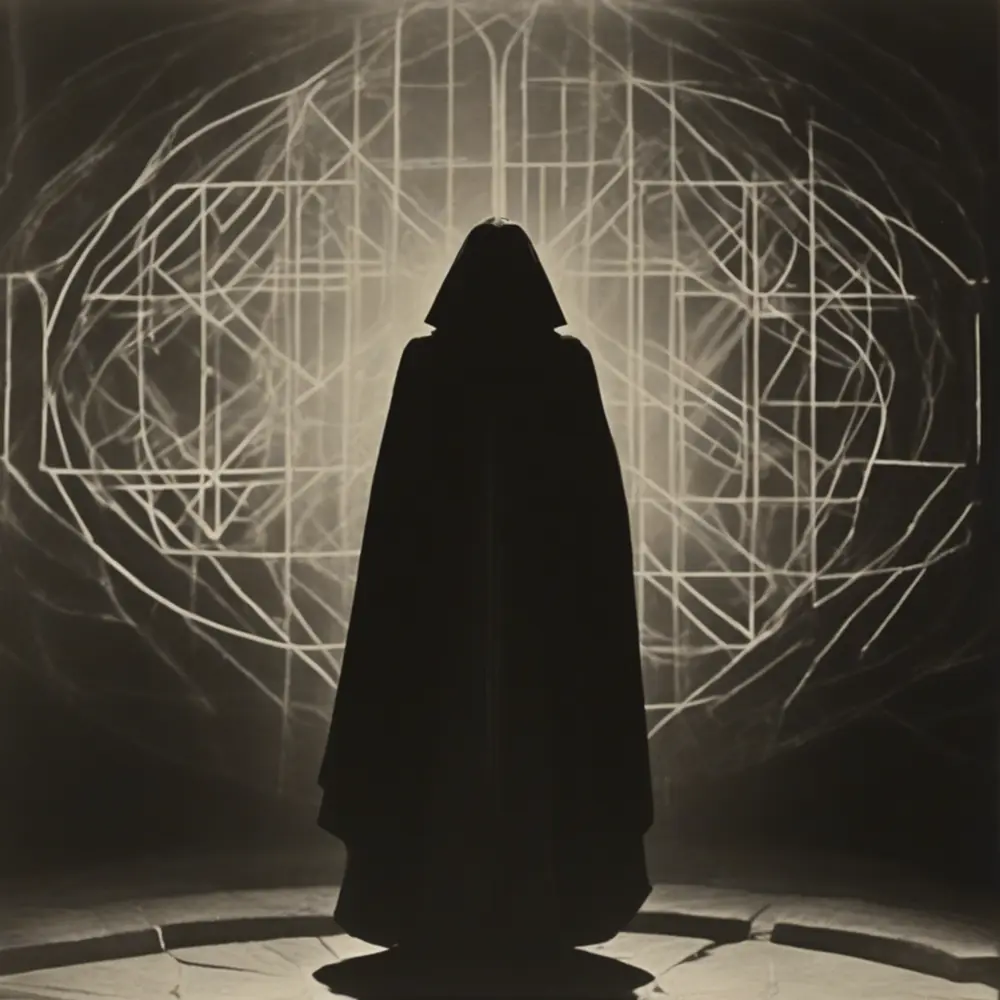
Before the iconic angularity of Expressionism fully gripped the German screen, and long before Hollywood perfected its formulaic scares, a more profound and unsettling fascination began to brew in the nascent German film industry. It wasn't just about ghosts or monsters; it was about something far more insidious, more intellectually seductive: the esoteric. Early German silent cinema, particularly in the 1910s and early 1920s, became a fertile ground for exploring secret societies, ancient wisdom, forbidden rituals, and the hidden forces that shape human destiny. This isn't merely a historical footnote; it's the very bedrock upon which much of modern cult cinema's allure for the arcane and the conspiratorial was built. If you've ever been drawn to films that peel back the layers of reality to reveal a deeper, darker truth, you owe a debt to these nitrate-flamed visions.
When most cinephiles think of early German cinema, their minds immediately leap to The Cabinet of Dr. Caligari (1920) or Nosferatu (1922). And rightly so, these are masterpieces. But to reduce the era to just Expressionism's visual dramatics is to miss a crucial, often more unsettling, undercurrent: the pervasive exploration of esotericism. These were films that didn't just scare you with shadows; they disturbed you with ideas. They tapped into a post-war spiritual malaise, a hunger for meaning in a shattered world, and found it in the forbidden texts and whispered rituals of the occult.

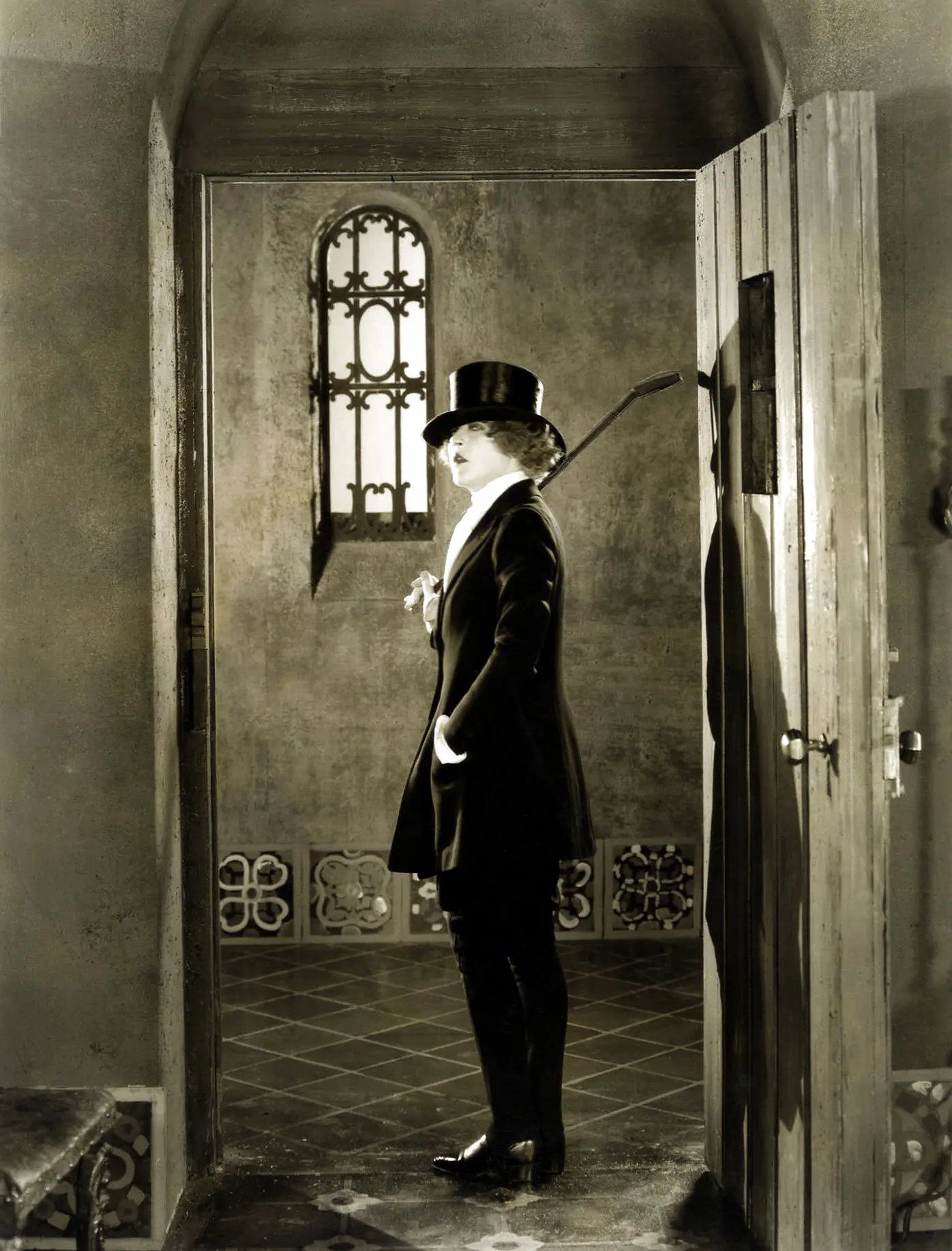
Take Robert Wiene's lesser-known 1920 gem, Genuine: A Tale of a Vampire (yes, 'vampire' here is more metaphorical, a life-force drainer, not a bloodsucker). It's a fever dream of hypnotism, exoticism, and psychological manipulation. The titular character, Genuine, is a priestess sold into slavery, who uses her hypnotic powers to drive men to madness and murder. This isn't just a horror film; it's an exploration of primal, almost magical, female power and its destructive potential, a theme deeply rooted in turn-of-the-century occultist anxieties about the 'femme fatale' as a vessel for dark forces. The film's bizarre, claustrophobic sets, designed by César Klein, create a world where reality bends to the will of an unseen, perhaps supernatural, influence. It's a far cry from the more straightforward gothic horror, leaning instead into the unsettling power of the mind and spirit.
Another profound example is Algol: Tragedy of Power (1920), directed by Hans Werckmeister. This science fiction epic tells the story of a coal miner who receives a limitless energy source from an alien being from the star Algol. The power corrupts him, turning him into a tyrannical industrialist. While ostensibly sci-fi, its themes resonate deeply with esoteric concepts of misused divine power, the shadow self, and the corrupting influence of knowledge not earned through spiritual growth. The alien Algol isn't just an extraterrestrial; it's almost a demonic entity, a bringer of both light and ruin, mirroring Faustian bargains. This film, rarely seen today, is a testament to how early German cinema used genre as a thinly veiled canvas for philosophical and mystical debates.
The fascination with creating life, or bending reality through sheer will, was a cornerstone of this esoteric cinematic movement. Paul Wegener's series of The Golem films (1915, 1920) are, of course, the most famous examples. But it's not just the monster that makes these films cult objects; it's the deep dive into Kabbalistic lore. The Rabbi Loew, in the 1920 version, doesn't just animate a clay figure; he invokes ancient Hebrew mysticism, a secret word of power, the 'Shem HaMephorash', to breathe life into the inert. This is a direct engagement with esoteric tradition, presenting magic not as parlor tricks, but as a dangerous, potent force derived from hidden knowledge. The Golem's struggle for sentience, its love, its eventual rebellion – these are not just fantastical elements, but allegories for humanity's own spiritual awakening and the perils of playing God without true understanding.
Even more obscure, but equally vital, is the German serial Homunculus (1916), directed by Otto Rippert. This six-part epic follows the creation of an artificial human in a laboratory, a being without a soul, who becomes a misanthropic super-villain, leading revolutions and seeking to destroy mankind. While often categorized as early sci-fi, its core premise is pure alchemy: the creation of a 'little man' (homunculus) in a flask, a concept steeped in medieval esoteric texts. The film grapples with profound questions of identity, humanity, and the consequences of scientific hubris divorced from spiritual ethics. It’s a compelling, if deeply flawed, blueprint for the mad scientist trope, but with a distinctly German philosophical and occult bent that resonates with cult audiences who crave more than simple genre thrills.
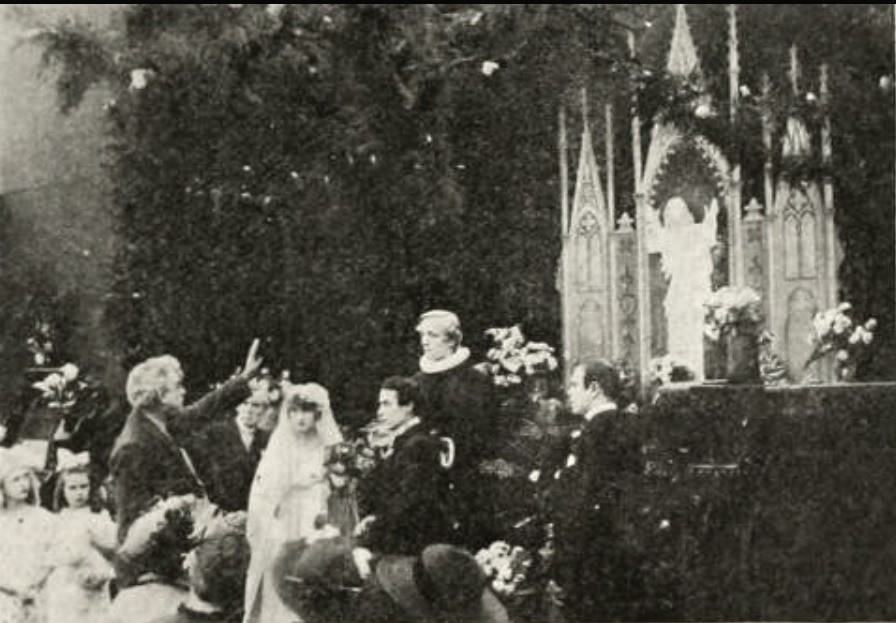
One could argue, quite convincingly, that the true 'cult' seeds of German cinema were sown not in the stark, anti-bourgeois aesthetics of Expressionism, but in the more explicitly esoteric narratives of films like The Golem and Homunculus. These films provided a direct, albeit sensationalized, gateway into forbidden knowledge, offering a roadmap for viewers seeking meaning beyond the mundane.
The early German screen thrived on the thrill of the clandestine. Secret societies, ancient conspiracies, and shadowy masterminds became recurring motifs, speaking to a collective anxiety about hidden powers at play in a world reeling from war and political upheaval. Fritz Lang, before Metropolis, was a master of this particular brand of esoteric intrigue.
His two-part serial, The Spiders (1919/1920), is a perfect example. It follows adventurer Kay Hoog as he battles a nefarious secret society called 'The Spiders', who seek to gain global dominion through ancient treasures and hypnotic manipulation. This isn't just a pulp adventure; it's a proto-Bond film infused with a profound sense of the esoteric. The Spiders aren't just criminals; they're almost a cult, with their own rituals and a clear ideological drive for power derived from ancient, mystical sources. The film's elaborate sets, including hidden temples and underground lairs, emphasize the 'unseen' nature of their power, a power that operates just beneath the surface of everyday life.

But the zenith of this subgenre, and arguably one of the most influential cult films of all time, is Lang's Dr. Mabuse, the Gambler (1922). Dr. Mabuse is not merely a criminal; he is a force of nature, a master of disguise, hypnotism, and psychological manipulation. He embodies the unseen hand, the hidden power that controls markets, lives, and even the very fabric of society. Mabuse's séances, his hypnotic commands, his ability to assume any identity – these are all deeply rooted in the occult fascinations of the era. The film’s sprawling narrative, depicting a society on the brink of chaos, is a chilling prophecy of the Weimar Republic's instability, orchestrated by a single, almost supernaturally powerful individual. It’s a film that argues that reality itself is a construct, easily manipulated by those with the right esoteric knowledge and will. This is why Mabuse endures: he represents the ultimate conspiracy theorist's nightmare, a hidden master pulling all the strings.
The visual style of these films wasn't just about creating atmosphere; it was often a direct expression of the esoteric themes themselves. While Expressionism used distorted reality to mirror psychological states, many esoteric films used elaborate, symbolic sets and dreamlike imagery to suggest alternative planes of existence or the presence of hidden forces.
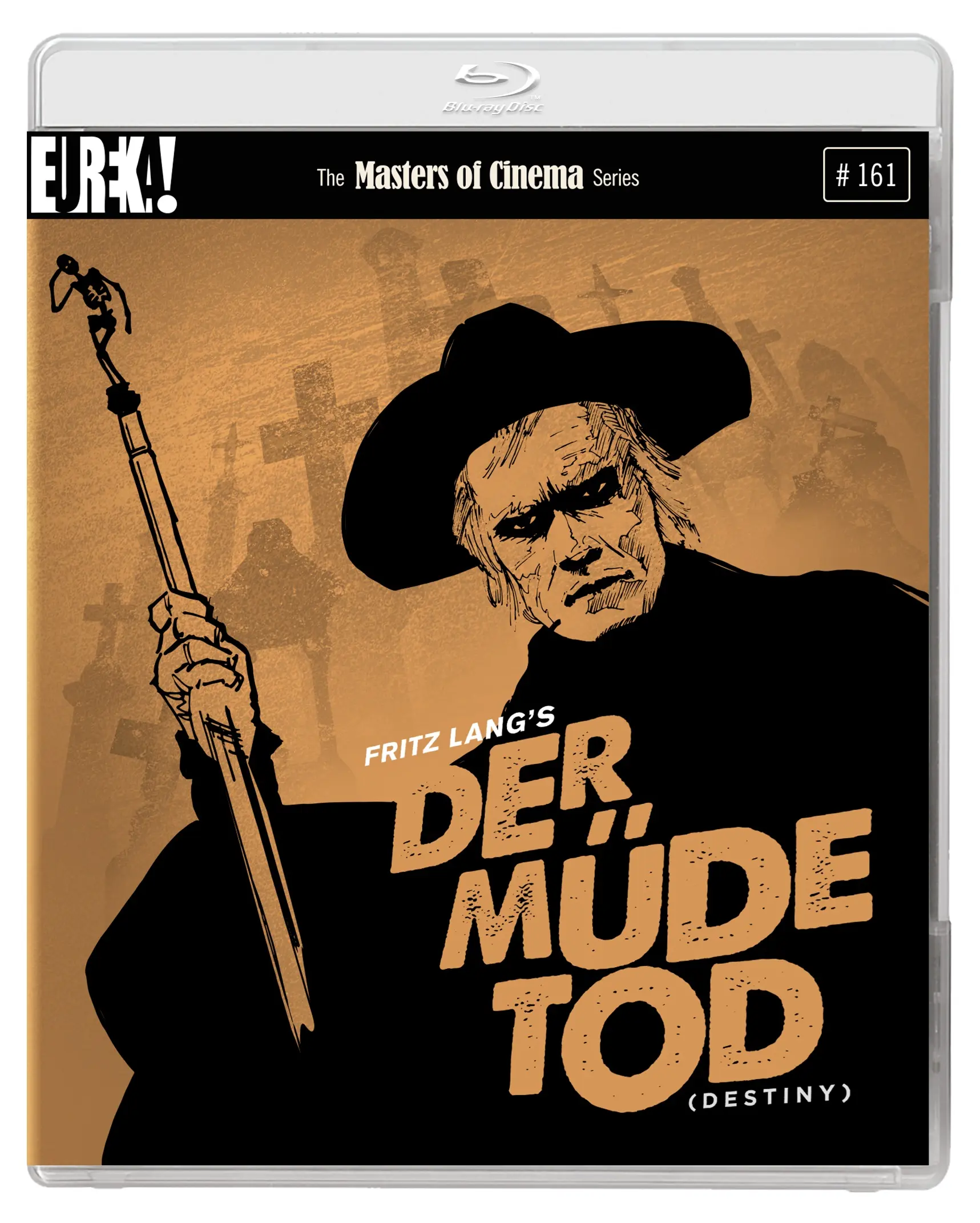
Fritz Lang's Destiny (1921) is a profound meditation on fate, love, and death, told through a series of fantastical parables. Death, a somber, mystical figure, grants a young woman three chances to save her lover from his grasp. Each vignette is set in a different exotic, stylized world – ancient Persia, Renaissance Venice, imperial China – but all are bound by the overarching allegorical framework. The film's use of grand, symbolic architecture and allegorical characters transforms a simple love story into a metaphysical quest, visually representing the cosmic forces at play. It’s a film that resonates because it speaks to universal human questions of destiny and free will, all wrapped in a visually stunning, almost ritualistic package.
Even films not overtly focused on secret societies still embraced an esoteric visual language. Arthur Robison's Warning Shadows (1923), for instance, uses shadows themselves as a potent, almost magical, force. A traveling conjurer manipulates shadows to reveal the hidden desires and infidelities of a wealthy household. The shadows become not merely visual effects, but manifestations of the characters' subconscious, their darkest thoughts given form. This psychological depth, conveyed through a quasi-supernatural device, is pure esoteric gold for a cult audience, suggesting that there's always more beneath the surface, waiting to be revealed.
The appeal of these early German esoteric films isn't just historical curiosity; it's a foundational element of what defines cult cinema today. They tap into a primal human desire for hidden knowledge, for understanding the 'real' forces behind the curtain of reality. In an age saturated with information, the idea that there are still secrets, still mysteries, holds an undeniable allure. These films, often fragmented, rarely screened, and existing only in faded prints, become their own kind of hidden knowledge, their own esoteric texts to be deciphered by devoted fans.
The very act of seeking out a restored version of Algol or finding a complete cut of The Spiders becomes a pilgrimage, a personal quest for enlightenment that mirrors the characters’ own journeys within the films. It’s a ritual. I'd even go so far as to say that these films, by their very nature of being obscure and demanding a certain dedication to uncover, foster a more profound sense of cult devotion than many more accessible, modern 'cult' classics. There’s a tangible sense of discovery, of being part of a select few who have seen the 'unseen'.
Moreover, the unexpected observation I've made is how often these grand, cosmic conspiracies or profound mystical themes are introduced through surprisingly mundane or even bumbling protagonists. It’s not always a chosen one; sometimes it's just a regular person, like the miner in Algol, who stumbles into a world beyond their comprehension. This relatability grounds the esoteric, making the fantastical feel disturbingly plausible. It suggests that anyone, even you, could be just one step away from uncovering a hidden truth or falling prey to an unseen manipulator.
The shadow grimoire of early German silent cinema continues to cast its spell because it understood, perhaps better than any other era, that the most potent fear, and the most enduring fascination, lies not in what we can see, but in what we suspect is hidden just beyond our grasp. It’s a legacy of cinematic sorcery that still mesmerizes, still provokes, and still fuels the fires of cult fandom.