
DbcultAccessing Vault...
Cult Cinema
Archivist John
Senior Editor
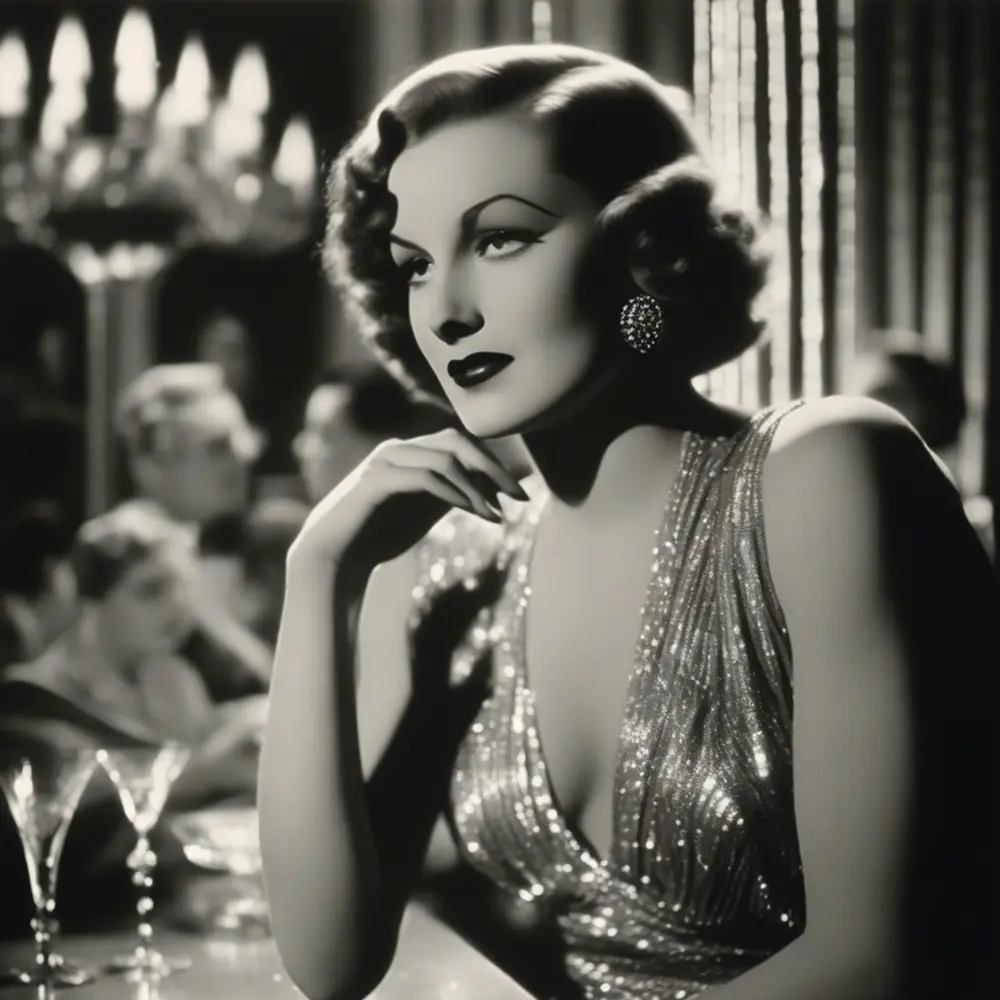
When we talk about cult cinema, we often conjure images of midnight screenings, outlandish performances, and characters who defy every societal norm. But where did this fascination with the unapologetically deviant, the morally ambiguous, and the downright 'bad' truly begin? Not with the shock tactics of the 60s, nor the gritty realism of the 70s, but in the brief, dazzling, and utterly lawless era of Pre-Code Hollywood. This wasn't just about showing forbidden acts; it was about making the choice to be 'bad' look like a logical, even desirable, response to a flawed world. These unrepentant sinners, often clad in silk and dripping with cynicism, laid the foundational blueprint for every anti-hero and femme fatale we've worshipped since. They didn't fall; they strutted.
Before the Hays Code clamped down with puritanical fervor in 1934, Hollywood operated in a thrilling vacuum, a wild west of morality where filmmakers could explore themes of sex, crime, and social decay with astonishing frankness. This wasn't merely a period of lax censorship; it was a societal exhale after the Roaring Twenties and a grimace into the Great Depression, where old certainties crumbled, and new freedoms, however fleeting, were explored on screen. The characters born from this era were not just 'transgressive' in the abstract sense; they were often self-aware agents of their own destinies, choosing vice not as a tragic error, but as a calculated, often enjoyable, path. This is a critical distinction, separating them from the 'fallen women' of earlier melodramas who often sought redemption. Pre-Code characters rarely sought redemption. They sought gratification.
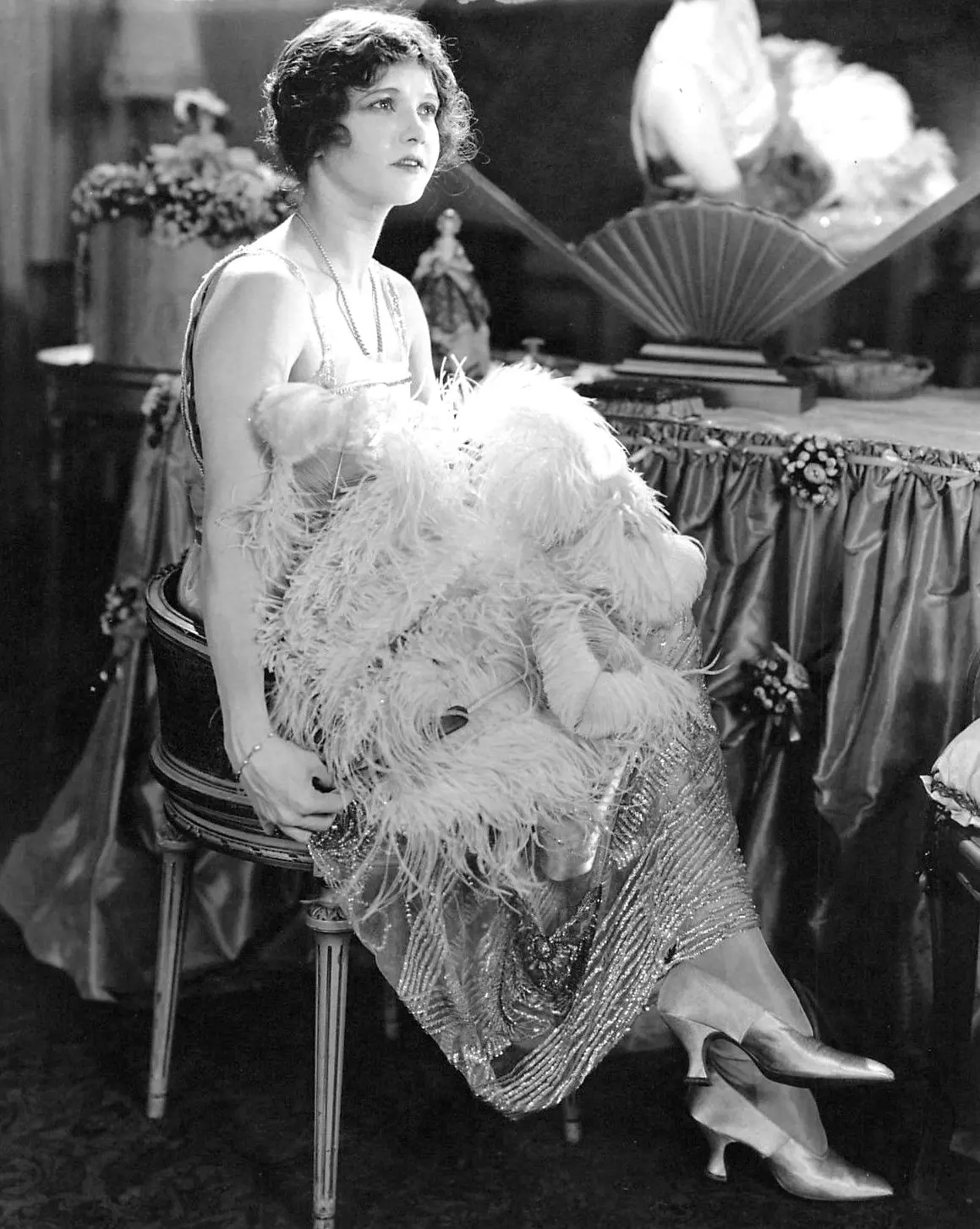
Take Mae West, the undeniable queen of this era. In films like She Done Him Wrong (1933), her character, Lady Lou, is a saloon singer and former prostitute who runs her own show and her own life. When a do-gooder tries to save her, she famously retorts, "When I'm good, I'm very, very good, but when I'm bad, I'm better." There's no hint of regret, no longing for a 'respectable' life. Her sexuality is a tool, a weapon, and a source of immense pleasure and power. This isn't just a woman pushing boundaries; it's a woman obliterating them with a wry smile. Similarly, Barbara Stanwyck's Lily Powers in Baby Face (1933) uses sex to climb the corporate ladder, moving from man to man with cold, calculating precision. Her final scene, where she's offered a chance at a 'clean' life, is met with a look that suggests utter boredom. She chose her path, and she owned it. This unapologetic stance, this refusal to conform or repent, is the very bedrock of what would later become cult appeal.
What makes Pre-Code's sinners so captivating for cult audiences is their active, almost ritualistic embrace of their 'damnation.' They aren't victims of circumstance; they are often architects of their own moral decay, finding a perverse freedom in shedding societal expectations. This is where the true radicalism lies. It’s not just about sex or violence, but about the philosophical rejection of prescribed morality. I would argue that this casual, almost cheerful amorality is *more* genuinely transgressive than many later exploitation films that often rely on shock value while still subtly, or overtly, punishing their characters. The Pre-Code era often skipped the punishment altogether, or presented it as an afterthought to a life well-lived (or at least, well-indulged).
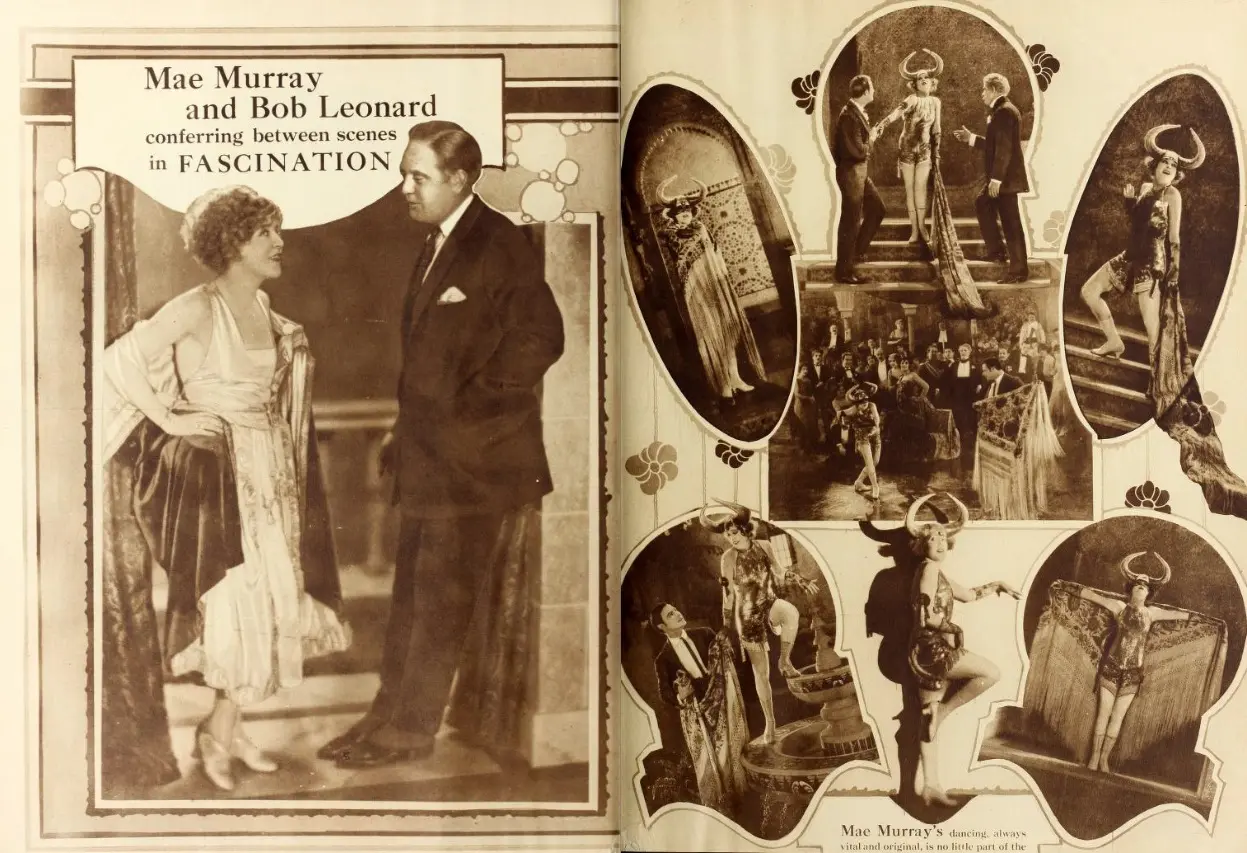
Consider Jean Harlow's brazen, gold-digging character in Red-Headed Woman (1932). Lil Andrews is not a tragic figure; she's a force of nature who explicitly states her desire to marry money and uses her sexuality to achieve it, leaving a trail of broken marriages in her wake. Her final scene, living lavishly in Paris with a new conquest, is a victory lap, not a walk of shame. The film doesn't judge her; it celebrates her cunning. Similarly, Ernst Lubitsch's Design for Living (1933) presents a sophisticated, cynical ménage à trois that explicitly rejects monogamy and conventional morality. Gary Cooper, Fredric March, and Miriam Hopkins' characters enter into a 'gentleman's agreement' to live together without jealousy, their hedonism presented as a liberating choice for intelligent, modern people. The ending finds them gleefully embracing their unconventional arrangement, laughing at the world's expectations. This isn't just sex; it's a statement. A defiant, joyful statement.
The appeal of these unrepentant characters wasn't just in their scandalous behavior; it was in their reflection of a deeply cynical world. The Great Depression had shattered faith in institutions, and the old moral compass seemed broken. Audiences, weary of saccharine happy endings and moralizing tales, gravitated towards protagonists who dared to defy the system, even if it meant their own downfall. These films didn't offer easy answers; they offered a mirror to a world where virtue often went unrewarded and vice, sometimes, paid dividends.
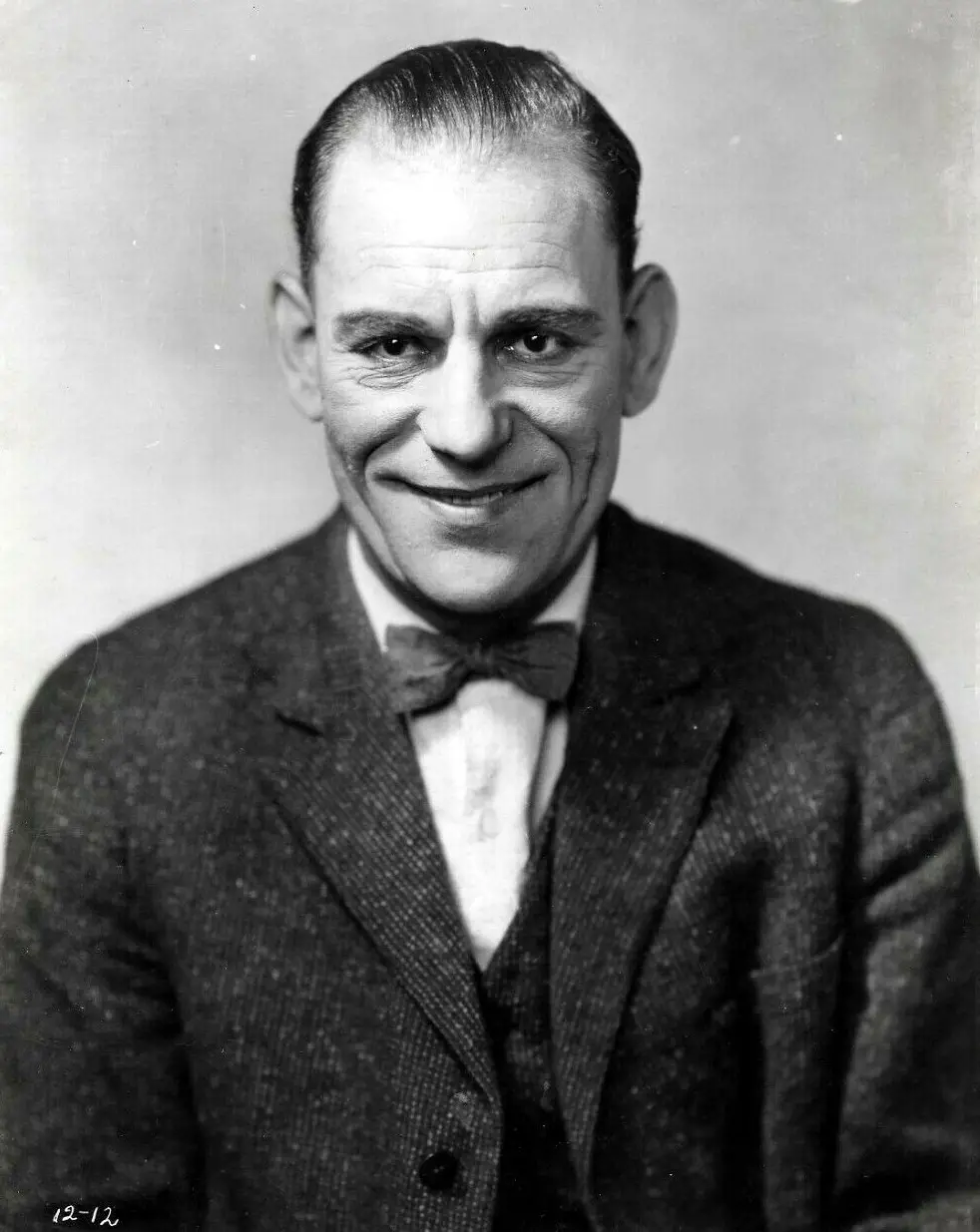
One of the most potent examples is I Am a Fugitive from a Chain Gang (1932). While not a tale of glamour, it’s a searing indictment of systemic injustice, where Paul Muni’s character, Robert Burns, is relentlessly pursued and brutalized by a corrupt system. His final, whispered line – "I steal" – is not an admission of guilt but a desperate, defiant statement of survival. He is unrepentant because the system has left him no other choice. This isn't a hero; it's a symbol of the individual crushed by an uncaring world, a theme that resonates deeply with cult audiences who often feel alienated. Or consider Three on a Match (1932), where three childhood friends' lives unravel through drink, gambling, and poor choices. The film's brutal realism and lack of easy answers, particularly the tragic fate of Vivian (Ann Dvorak), offers a bleak, unvarnished look at self-destruction. The film doesn't preach; it simply observes the consequences of choices made in a desperate world. This unflinching gaze at societal rot and personal decay, without the usual moralistic hand-wringing, created a space for identification with the 'outsider' that is fundamental to cult cinema.
The visual aesthetic of Pre-Code cinema was crucial in elevating these unrepentant sinners to iconic status. It wasn't about the shadowy, expressionistic dread of German horror, but a sleek, modern, often opulent style that made vice look not just accessible, but enticing. Lavish sets, sparkling costumes, and razor-sharp dialogue created a world where moral decay was draped in undeniable glamour. The casualness with which characters engaged in illicit affairs, criminal enterprises, or outright hedonism was often conveyed through a simple shrug, a knowing glance, or a perfectly delivered one-liner. These films didn't need grand pronouncements of evil; the evil was simply part of the fabric, often looking quite chic.
In Grand Hotel (1932), a star-studded ensemble navigates a world where romance is fleeting, money is paramount, and moral compromises are a daily occurrence. Greta Garbo's cynical ballerina, Joan Crawford's ambitious stenographer, and John Barrymore's impoverished baron all inhabit a space of luxury where their personal desires often trump ethical considerations. The film's fluid camera work and grand art direction make their morally ambiguous pursuits seem like an inherent part of this glamorous existence. The quick pacing and witty, often suggestive, dialogue only amplified this effect. There's a scene where Crawford's character, Flämmchen, casually dismisses a man's advances with a cool stare, her ambition radiating more than any overt sexuality. This visual and narrative sophistication, where transgression was a given rather than a shocking revelation, taught audiences to appreciate the subtle complexities of 'bad' behavior. It was a sophisticated kind of nihilism, dressed to the nines.
The legacy of Pre-Code's unrepentant sinners extends far beyond their brief heyday. They provided a crucial template for characters who defy categorization, who refuse easy moral judgments, and whose appeal lies precisely in their refusal to be 'good.' This unapologetic stance became a foundational element of what we now recognize as cult cinema, influencing everything from the noir anti-hero to punk rock's cinematic declarations of independence.
You can see a direct lineage to the femme fatales of film noir, particularly in characters like Phyllis Dietrichson in Double Indemnity (1944). While made post-Code, her cold, calculating ambition and lack of remorse owe a clear debt to the Lily Powers and Lil Andrews of the Pre-Code era. She's not a victim; she's a predator, and her allure is undeniable. Even further afield, the spirit of unrepentant defiance can be traced to the outrageous, confrontational figures in films like John Waters' Pink Flamingos (1972). Divine's relentless pursuit of being 'the filthiest person alive' is an extreme, grotesque amplification of Mae West's confident embrace of her own 'badness.' While vastly different in aesthetic and explicit content, the core philosophy is the same: an unwavering commitment to one's chosen path, regardless of societal condemnation. These characters, from the elegantly amoral to the gloriously gross, resonate because they embody a fantasy of absolute freedom, a rejection of the chains of expectation. They are the cinematic ancestors of every character we secretly root for, even when we know we shouldn't.
The Pre-Code era wasn't just a brief, scandalous blip in Hollywood history; it was a profound philosophical moment. It was a time when cinema, freed from the shackles of explicit moralizing, dared to present characters who chose their own path, consequences be damned. These unrepentant sinners, whether they were Mae West's winking vamps or Barbara Stanwyck's calculating climbers, didn't need a redemption arc because they didn't believe they needed saving. Their glamour wasn't in their virtue, but in their vice. This deliberate, self-aware embrace of the dark side, often delivered with a knowing smile and impeccable style, is the true origin point for cult cinema's enduring fascination with the outsider, the rebel, and the gloriously, unapologetically damned. They taught us that sometimes, the most captivating characters are the ones who look into the abyss and decide to take a running leap, all while looking absolutely fabulous.