
DbcultAccessing Vault...
Cult Cinema
Archivist John
Senior Editor
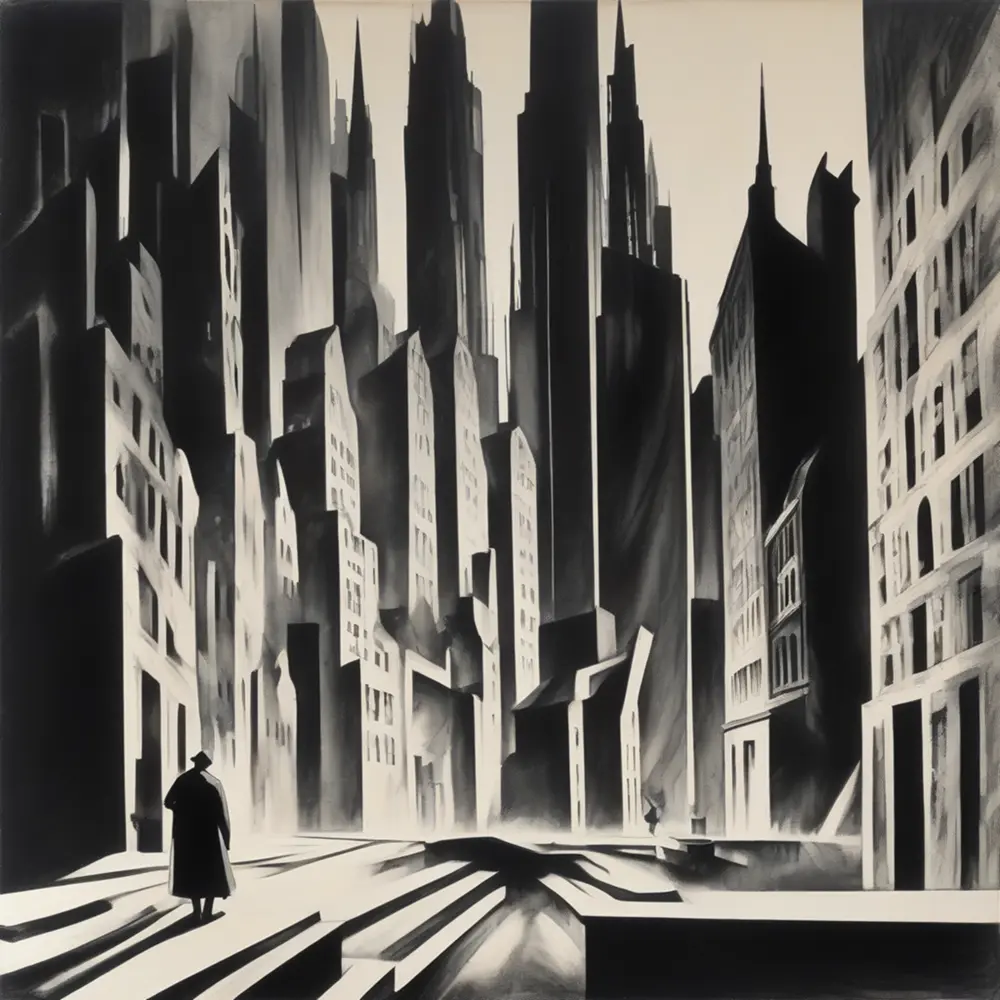
We talk a lot about the cult of the outsider, the rebel, the anti-hero, but what about the cult of the lost? The cult of the overwhelmed, the anonymous, the existentially adrift? Long before film noir painted its cynical cityscapes or cyberpunk envisioned its neon-drenched dystopias, early cinema was already grappling with the monstrous, awe-inspiring, and deeply unsettling reality of the modern metropolis. This wasn't just a backdrop; it was a character, a predator, a labyrinth designed to swallow the individual whole. If you’ve ever felt a quiet dread walking through a crowded city street, a sense of your own insignificance amidst towering concrete and endless motion, then you’ve felt the primal fear that early filmmakers, with startling foresight, first etched onto nitrate. This is the true genesis of a particular strain of cult cinema: films that recognize the city not as a place of opportunity, but as a vast, indifferent machine for generating existential dread.
Early cinema, particularly from the 1910s through the 1920s, didn't just place its characters in cities; it made the cities themselves sentient. These urban landscapes weren’t passive sets; they were active participants, often antagonists, in the human drama unfolding within their steel and concrete veins. Directors were fascinated by the sheer scale and complexity of these new environments, and simultaneously terrified by their dehumanizing potential.
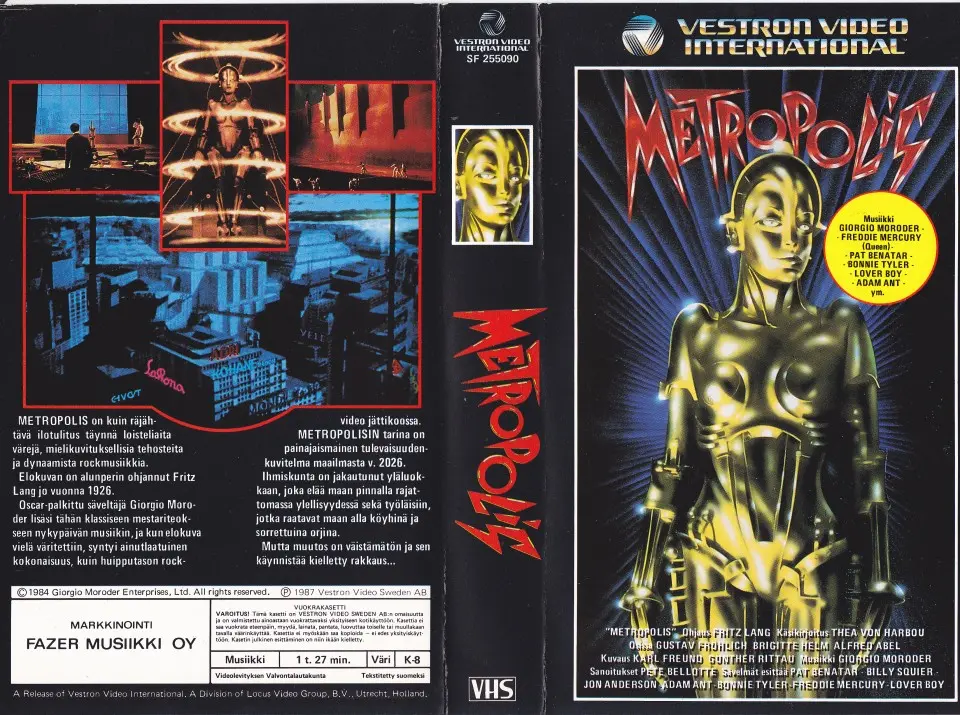
Consider Fritz Lang’s monumental Metropolis (1927). It’s not merely a futuristic city; it's a stratified organism, a brutal caste system etched into its very architecture. The dizzying, skyscraper-studded upper city, a playground for the elite, literally rests on the backs of the subterranean worker’s city. When Freder descends into the machine halls, the colossal, churning machinery is portrayed as a hungry god, devouring human lives. The famous shot of the workers marching in unison, heads bowed, transforms them into cogs in a larger, relentless mechanism. The city is a living, breathing entity, but one that extracts a terrible price for its existence.
The true 'cult' of urban cinema isn't about specific fan rituals, but the shared, often unspoken, recognition of the city as a source of profound, isolating dread, a feeling first articulated with shocking clarity in the silent era.
Even in a seemingly romantic drama like F.W. Murnau’s Sunrise: A Song of Two Humans (1927), the city’s malevolent pull is undeniable. The 'Woman from the City' is not just a temptress; she embodies the city's seductive, corrupting power. When the Man and the Woman from the City journey to the metropolis, it’s a sensory overload – bright lights, bustling crowds, dizzying amusement parks. This urban environment, with its intoxicating pleasures and moral ambiguities, nearly destroys the Man’s soul, pulling him away from his pastoral innocence. The city is a siren, beautiful but deadly, a psychological trap disguised as freedom.
What sets early cinema apart is its audacious visual language, particularly in its depiction of urban spaces. Directors understood that the feeling of being lost or trapped wasn't just a narrative device; it was an aesthetic experience. They used distorted sets, chiaroscuro lighting, and innovative camera angles to physically manifest psychological states of anxiety and disorientation.
No film exemplifies this more than Robert Wiene’s The Cabinet of Dr. Caligari (1920). The jagged, expressionistic angles of Holstenwall are not just stylization; they are a physical manifestation of Francis’s fractured mind, a world gone mad. The narrow, claustrophobic corridors, the crooked buildings, the painted shadows – they all conspire to create a sense of inescapable dread. The city itself becomes a cage, mirroring the characters’ entrapment within a psychotic narrative. It’s a bold, uncompromising vision that still feels unsettling today.
Fritz Lang, again, masterfully used the city as a visual cage in M (1931), despite it being an early talkie, its visual grammar is pure silent era. The city is a vast, interconnected network, a hunting ground where a child murderer stalks his prey and, in turn, is hunted by both the police and the underworld. Shots of crowded streets, labyrinthine alleyways, and the chilling use of shadows and reflections transform the urban environment into a character of surveillance and inescapable fate. The city doesn't protect; it exposes and condemns. The famous sequence of the blind balloon seller identifying Beckert by his whistle, leading to his mark, brilliantly illustrates the city's unseen, pervasive network.
Even a lesser-known but equally significant film like Joe May’s Asphalt (1929) uses the urban landscape to depict moral decay and psychological entrapment. The sleek, modern streets of Berlin become a stage for seduction, crime, and desperate choices, with the city's geometry reflecting the characters' constrained lives and inevitable downfall. The gleaming surfaces hide a dark underbelly, a common trope of urban cult cinema.
Within these visual labyrinths, characters often found themselves diminished, alienated, and grappling with a profound sense of existential dread. The sheer scale of the city rendered individual struggles almost meaningless, fostering a new kind of protagonist: the lost soul.
Charlie Chaplin, usually a purveyor of heartwarming resilience, captured this beautifully in The Immigrant (1917). The chaotic, dehumanizing experience of Ellis Island and then the struggle for survival in New York City are depicted with both humor and pathos. The cramped spaces, the indifferent crowds, the endless search for food – it all illustrates the tiny individual against the overwhelming force of the metropolis. His bewildered tramp, a perpetual outsider, became an icon of urban alienation.
Dziga Vertov’s experimental Man with a Movie Camera (1929) takes this alienation to an almost abstract level. While a celebration of urban dynamism, it also presents a city that utterly subsumes the individual. We see anonymous crowds, trains, factories, and daily life in Odessa, all presented with a frenetic, overwhelming pace. The individual becomes merely a part of the city's rhythm, a fleeting image in a larger, relentless visual symphony. There's a subtle, almost chilling implication that human agency is secondary to the city's pulse.
And then there's Buster Keaton’s meta-cinematic masterpiece, Sherlock Jr. (1924). In the famous dream sequence, Buster literally steps into the movie screen, becoming a character in a film. He navigates impossible, shifting urban landscapes, jumping from one scene to another, always slightly out of sync. This absurd, surreal journey through a cinematic city perfectly captures the disorienting, dreamlike quality of urban existence, where logic bends and the familiar becomes strange. It’s an unconventional observation, but the 'happy ending' imposed on many silent films often feels like a jarring, almost violent, denial of the profound urban disquiet they spent an hour meticulously building, exposing the era's own anxiety about confronting its nascent existential dread head-on.
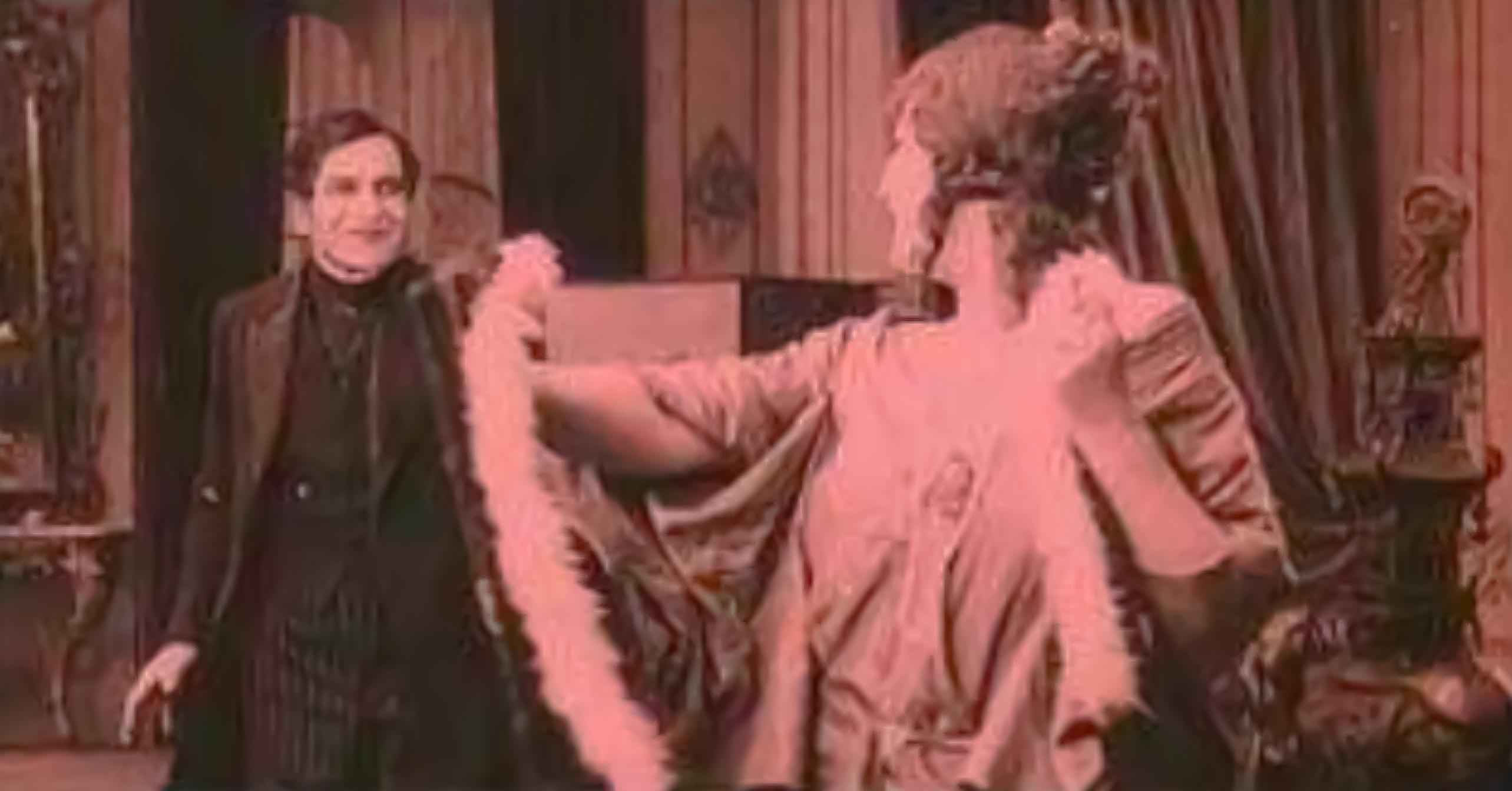
The burgeoning technologies of the early 20th century were inextricably linked to the rapid growth of cities, and early cinema wasted no time exploring their double-edged nature. These innovations, while promising progress, also amplified feelings of paranoia, surveillance, and a loss of control, further deepening the urban labyrinth's psychological hold.
Marcel L'Herbier’s L'Inhumaine (1924) is a visually stunning example. It showcases extravagant, hyper-modernist sets and technological marvels like the heroine's futuristic home and a fantastical laboratory. Yet, these symbols of progress often feel cold, alienating, and almost menacing. The technology, while impressive, creates a barrier between humans, transforming communication into a spectacle rather than a connection. The city becomes a showcase for a future that is both dazzling and deeply isolating.
Fritz Lang returned to this theme with Spies (1928), a thrilling espionage tale that transforms the city into a vast, interconnected web of surveillance. Hidden cameras, secret passages, double-crosses in bustling train stations, and shadowy figures lurking in every corner – the urban landscape is no longer a place of freedom but a grid of observation and manipulation. The technological advancements that facilitated communication and movement also enabled unprecedented levels of paranoia, a fear that would permeate countless cult thrillers for decades to come.
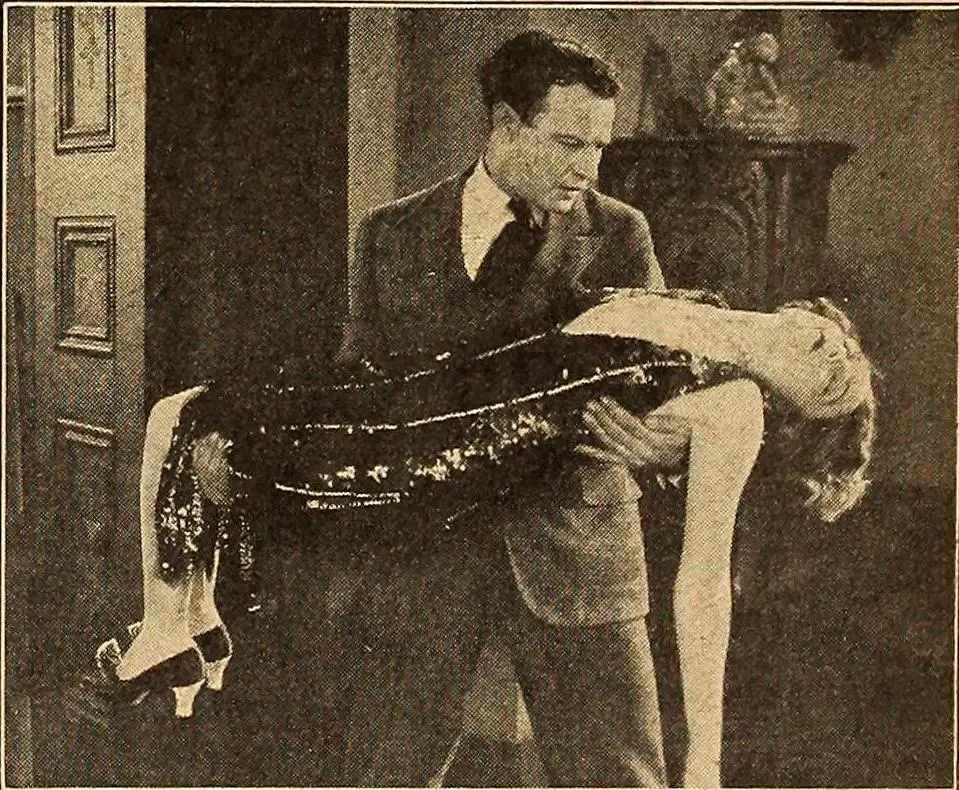
Lang's earlier Dr. Mabuse the Gambler (1922) takes this manipulation to its zenith. Dr. Mabuse, the master criminal, controls and exploits the city's systems and its inhabitants from hidden chambers, using hypnotism, disguise, and an intricate network of informants. The casino, a microcosm of urban vice, becomes a stage for his psychological games. The city, in Mabuse’s hands, is a grand chessboard, its citizens unwitting pawns. This vision of a city controlled by unseen forces, fostering a pervasive sense of powerlessness, is a cornerstone of modern urban paranoia in cult cinema.
The raw, unsettling visions of the urban labyrinth forged in early cinema didn't disappear with the advent of sound. Instead, they burrowed deep into the collective cinematic subconscious, re-emerging in countless cult films that continue to explore the city as a source of alienation, paranoia, and existential dread. Early cinema's portrayal of the city as a psychological trap is, in my opinion, more potent and raw than many later, more explicit dystopian films, precisely because it was grappling with the *novelty* of the modern metropolis, capturing its initial, shocking impact on the human psyche.
Think of the rain-slicked, dehumanizing sprawl of Blade Runner (1982), where the individual is a speck in a vast, decaying future city, grappling with questions of identity and purpose. The towering, brutalist architecture and perpetual night echo the oppressive scale of Lang's Metropolis, replacing its rigid class structure with a new kind of existential despair. The feeling of being 'lost in the crowd' is still there, amplified by corporate control and artificial life.
Or consider the grime, loneliness, and psychological decay of Travis Bickle’s New York in Taxi Driver (1976). Bickle, an alienated veteran, drifts through the city’s underbelly, an anonymous observer in a moral cesspool. His attempts to impose order on the chaos are a desperate response to the urban anomie first explored by silent-era protagonists. The city here is a character that actively sickens and isolates, driving its inhabitants to the brink.
Even David Lynch’s surreal Eraserhead (1977), with its perpetually dark, industrial wasteland, feels like a direct descendant of the early cinematic urban nightmare. Henry Spencer’s apartment building, a claustrophobic, unsettling space, and the bleak, decaying environment outside, are reminiscent of the psychological entrapment of The Cabinet of Dr. Caligari, but amplified to a nightmarish, visceral degree. The city itself is a source of grotesque anxiety, a living organism of dread.
What early cinema understood, with a prescience that still resonates, is that the modern city, for all its marvels, is fundamentally disorienting. It’s a place where human connection can be lost amidst millions, where grand architecture can feel oppressive, and where the promise of freedom often masks a profound sense of isolation. The filmmakers of the silent era, in their efforts to visualize this new reality, created a blueprint for an entire subgenre of cult cinema – films that speak to our deepest, often unspoken, fears about urban existence.
These aren't just historical curiosities; they are foundational texts for understanding the cult of urban dread. They invite us to get lost in their shadows, to feel the weight of their concrete coils, and to recognize the terrifying truth that sometimes, the greatest monster isn't some creature from the black lagoon, but the very world we've built around ourselves. The silent era didn't just show us cities; it showed us our souls dissolving within them, and that, my friends, is a vision that remains eternally cult-worthy.