
DbcultAccessing Vault...
Director's Spotlight
Senior Film Conservator
Director's Spotlight: United States
A Deep Dive into the 1917 Vision of Alan Crosland
The brilliance of The Light in Darkness (1917) is inseparable from a monumental shift in cult filmmaking spearheaded by Alan Crosland. Occupying a unique space between cult and pure art, it serves as a blueprint for future generations of cult directors.
In The Light in Darkness, Alan Crosland pushes the boundaries of conventional narrative. The film's unique approach to its subject matter has sparked endless debates and interpretations among cinephiles and critics alike.
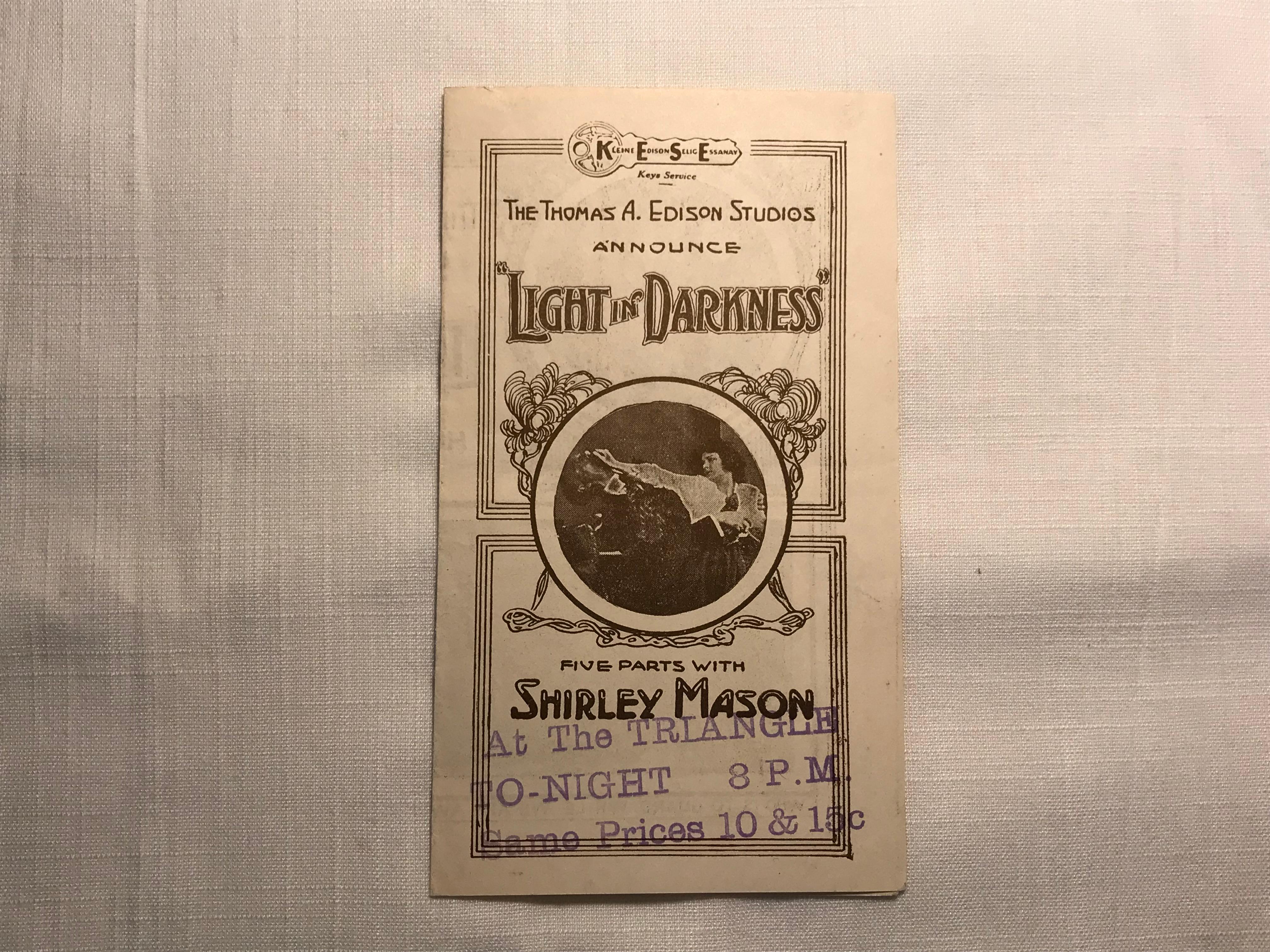
In this work, Alan Crosland explores the intersection of cult and United States cultural identity. The meticulous attention to detail suggests a deep-seated commitment to pushing the boundaries of the medium, ensuring that The Light in Darkness remains a relevant topic of study for cult enthusiasts.
| Cinematography | Handheld |
| Soundtrack | Orchestral |
| Editing | Invisible |
| Art Direction | Kitsch |
Visualizing the convergence of Alan Crosland's style and the core cult narrative.
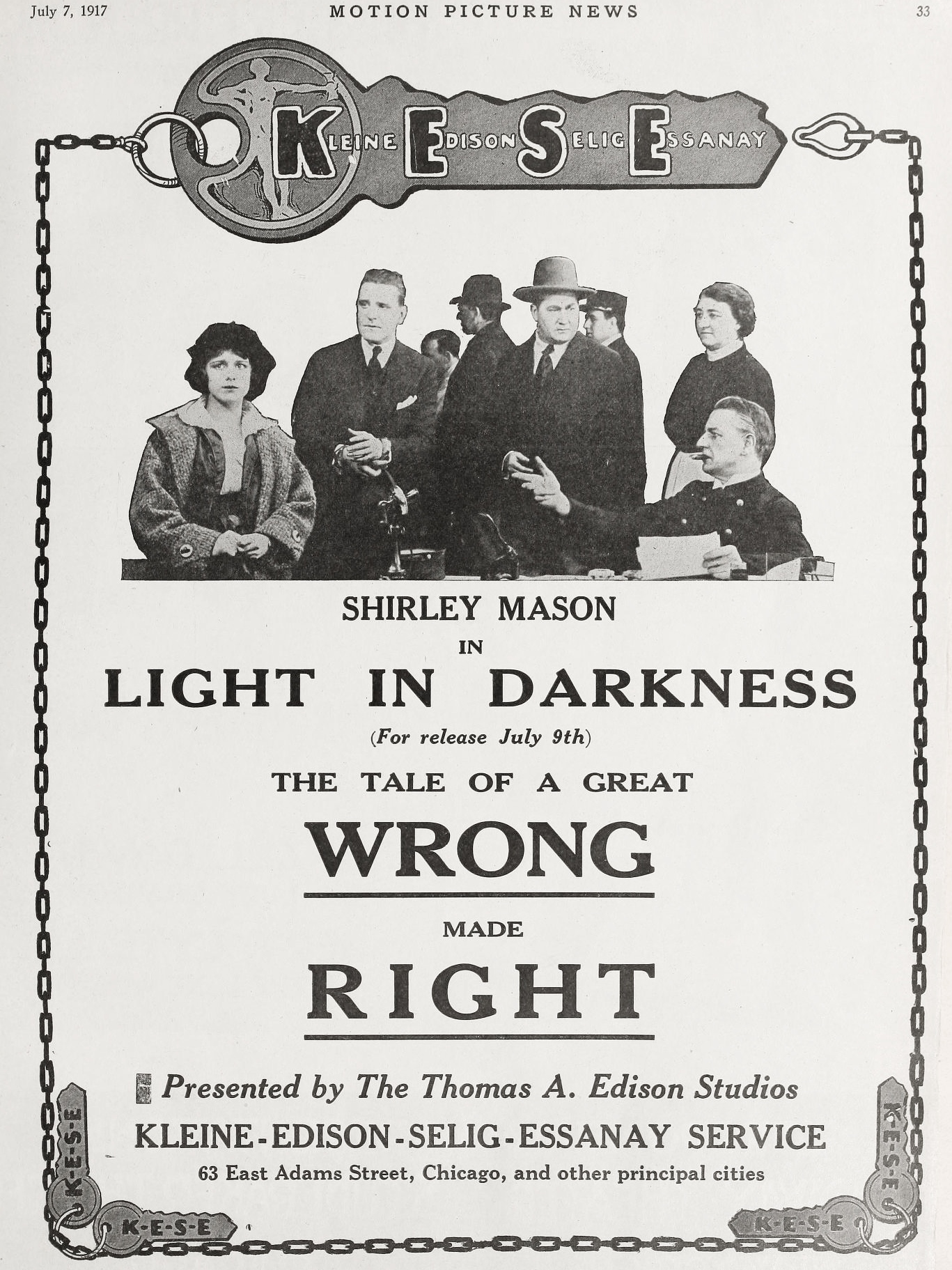
Bank cashier Ramsey Latham is sentenced to prison for violation of the banking laws. On his way to the penitentiary, he encounters Hilary Kenyon, a young girl who speaks encouragingly to him. Later he is surprised to discover that Hilary is also a prisoner, having been found guilty of manslaughter for killing a man who attacked her. At the end of five years, they are both paroled and get married, settling down on a ranch. Two years later, they are living happily with their baby boy when Latham's old cellmate arrives and threatens to blackmail Latham for violating the parole laws, which forbid a prisoner to wed before his parole expires. Foiled in his attempt, the man reports the violation to Sheriff Milligan, who visits the ranch and becomes indignant at the idea of breaking up the home. The sheriff takes the case to the governor who grants a pardon to Latham, thus allowing the family to remain together.
Decades after its release, The Light in Darkness remains a vital piece of the cinematic puzzle. Its influence can be seen in countless modern works, solidifying Alan Crosland's status as a master of the craft in United States and beyond.