
DbcultAccessing Vault...
Director's Spotlight
Senior Film Conservator
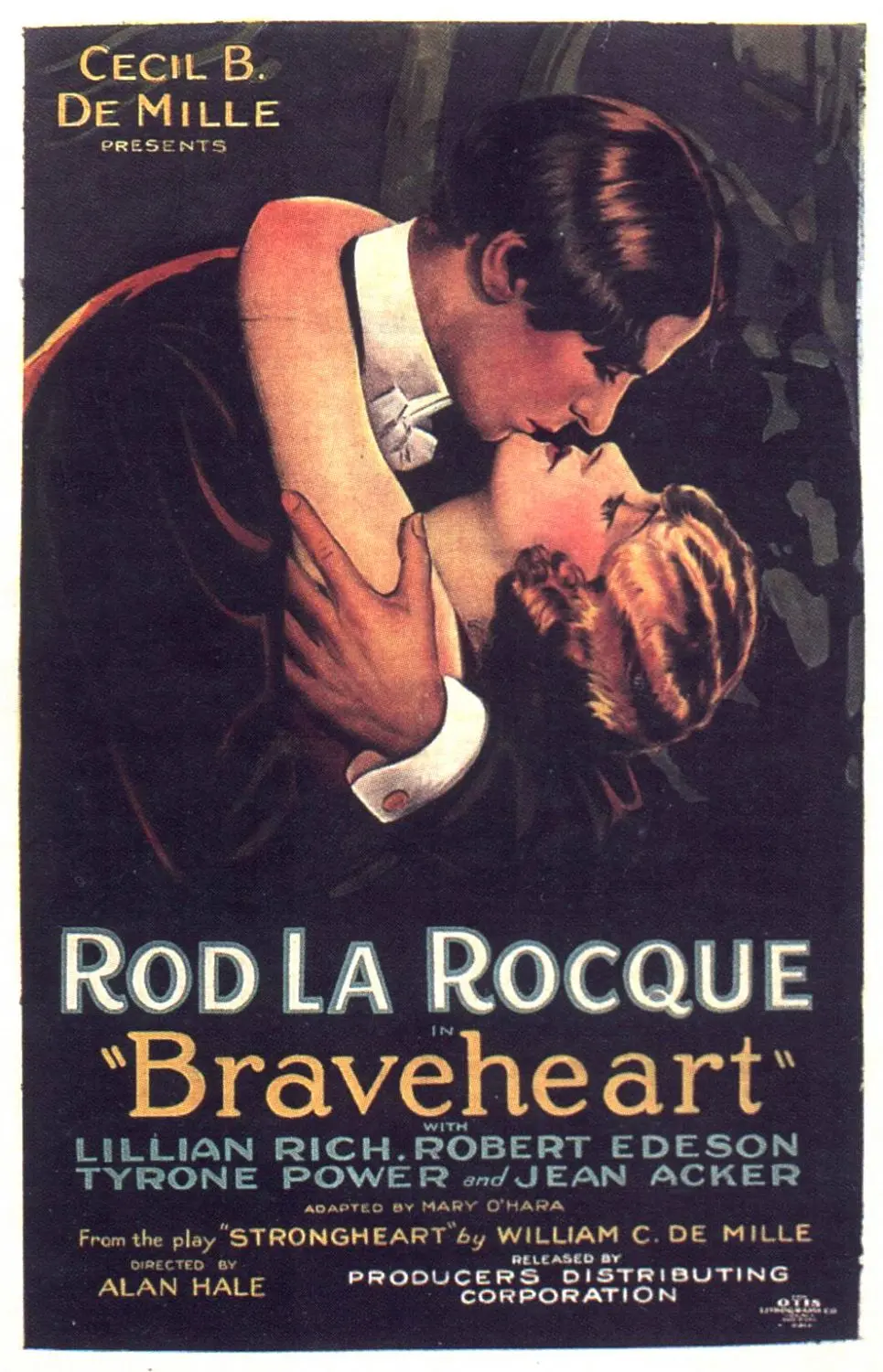
Director's Spotlight: United States
A Deep Dive into the 1925 Vision of Alan Hale
As a cultural artifact of the 1925s, Braveheart provides the visionary mind of its creator, Alan Hale. With its avant-garde structure and atmospheric tension, it redefined what audiences could expect from a Drama experience.
In Braveheart, Alan Hale pushes the boundaries of conventional narrative. The film's unique approach to its subject matter has sparked endless debates and interpretations among cinephiles and critics alike.
While deeply rooted in United States, Braveheart has achieved a global reach, influencing directors from various backgrounds. Its ability to translate Drama tropes into a universal cinematic language is why it remains a cult staple decades after its 1925 release.
| Cinematography | Deep Focus |
| Soundtrack | Diegetic |
| Editing | Elliptical |
| Art Direction | Expressionist |
Visualizing the convergence of Alan Hale's style and the core Drama narrative.
Chief Standing Rock's tribe has a treaty protecting their fishing grounds, but a canning corporation is violating the treaty through intimidation and force. The tribe is divided as to how to handle the threat. Standing Rock's son, Braveheart, is sent to college to study law so that he can protect their rights, but others in the tribe, led by the hot-tempered Ki-Yote, want to provoke a more violent confrontation.
Decades after its release, Braveheart remains a vital piece of the cinematic puzzle. Its influence can be seen in countless modern works, solidifying Alan Hale's status as a master of the craft in United States and beyond.