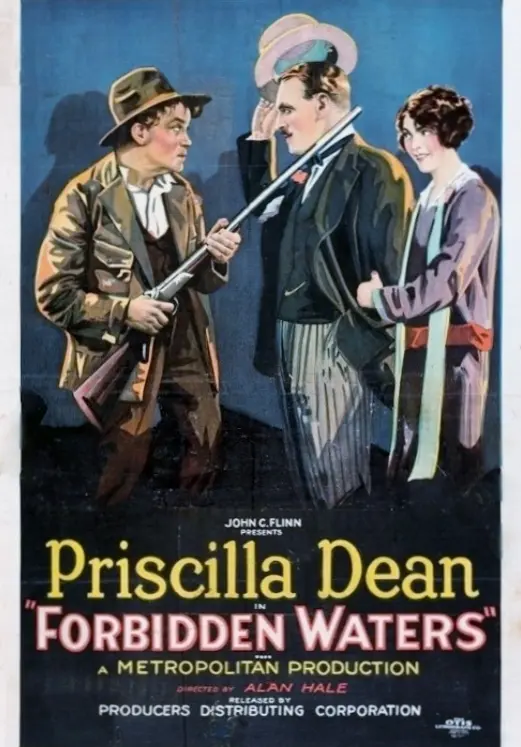
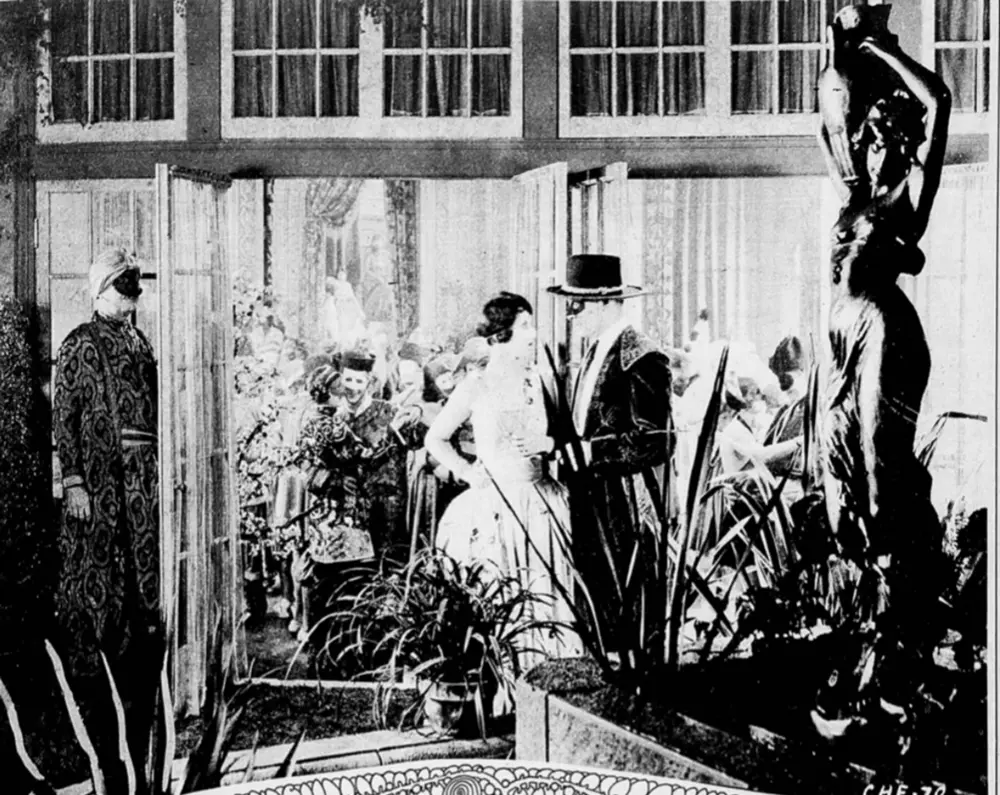
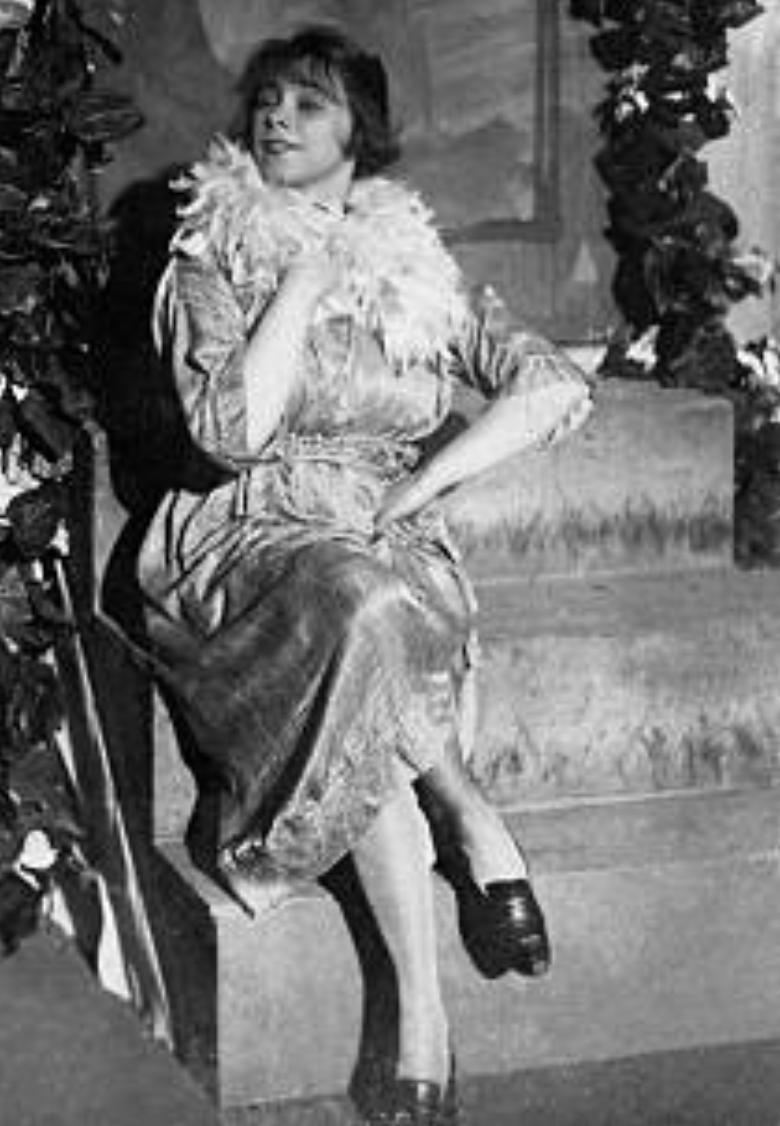
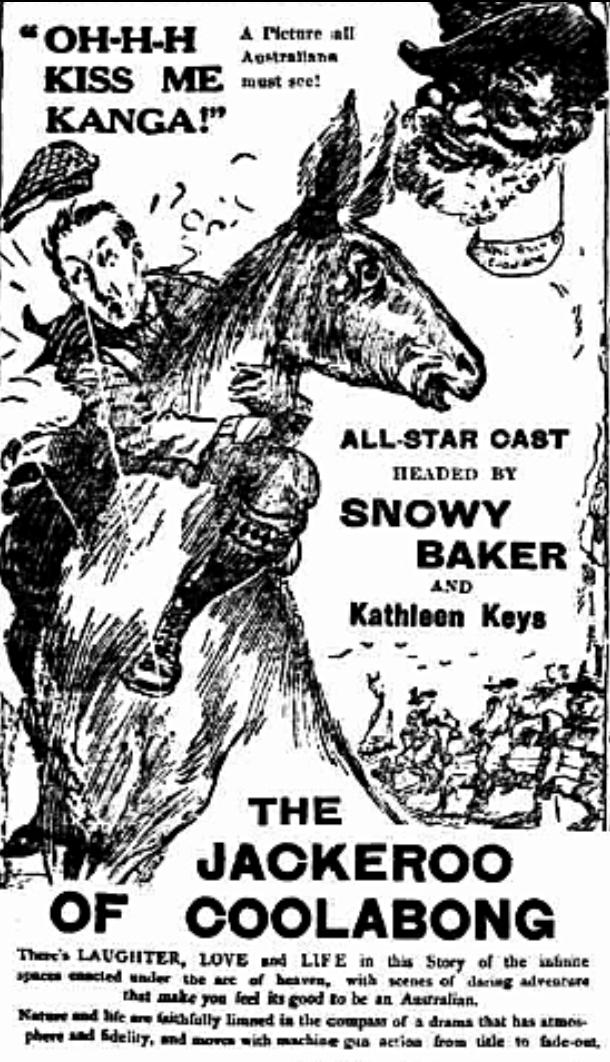
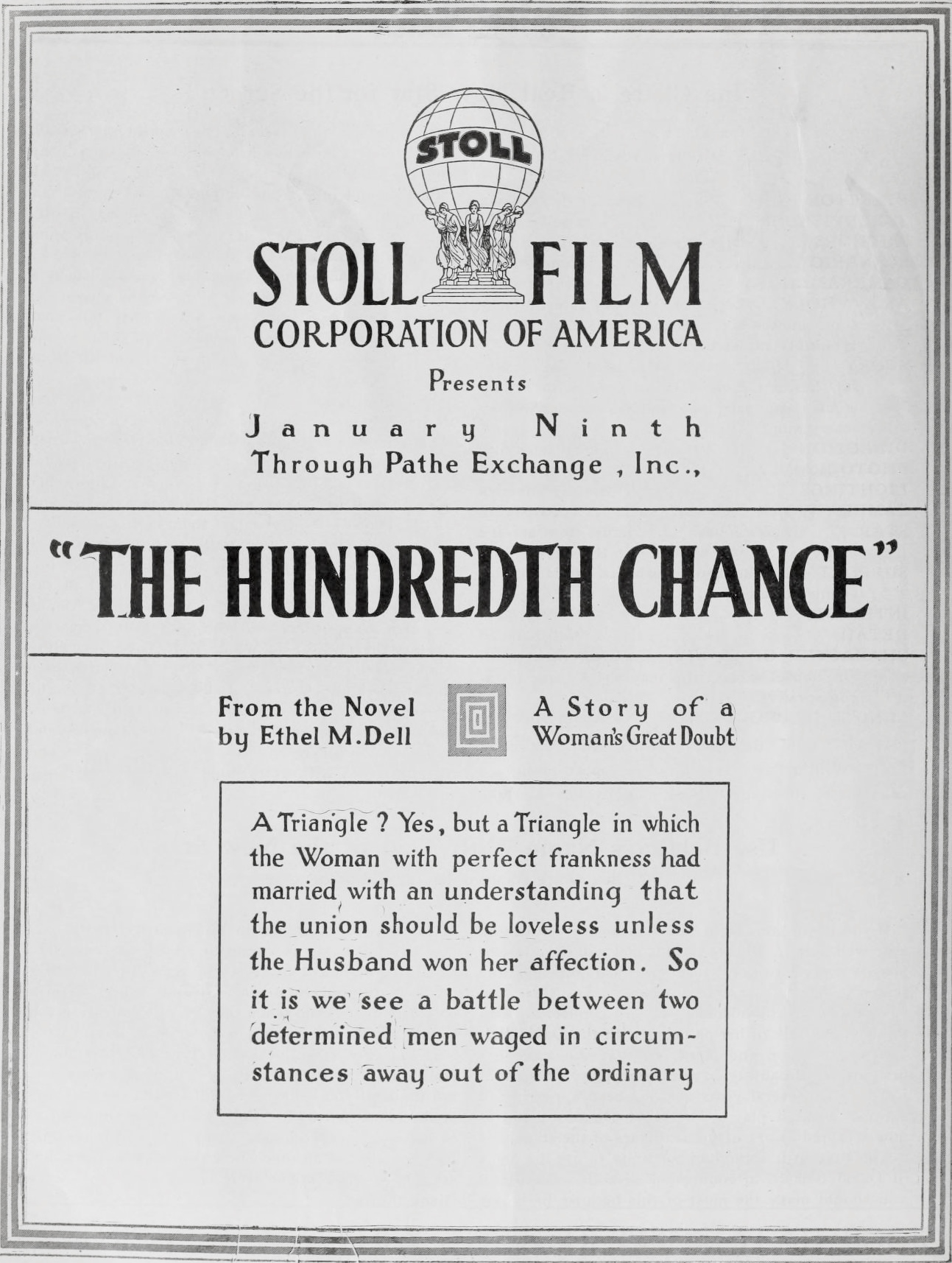
Chief Standing Rock's tribe has a treaty protecting their fishing grounds, but a canning corporation is violating the treaty through intimidation and force. The tribe is divided as to how to handle the threat.
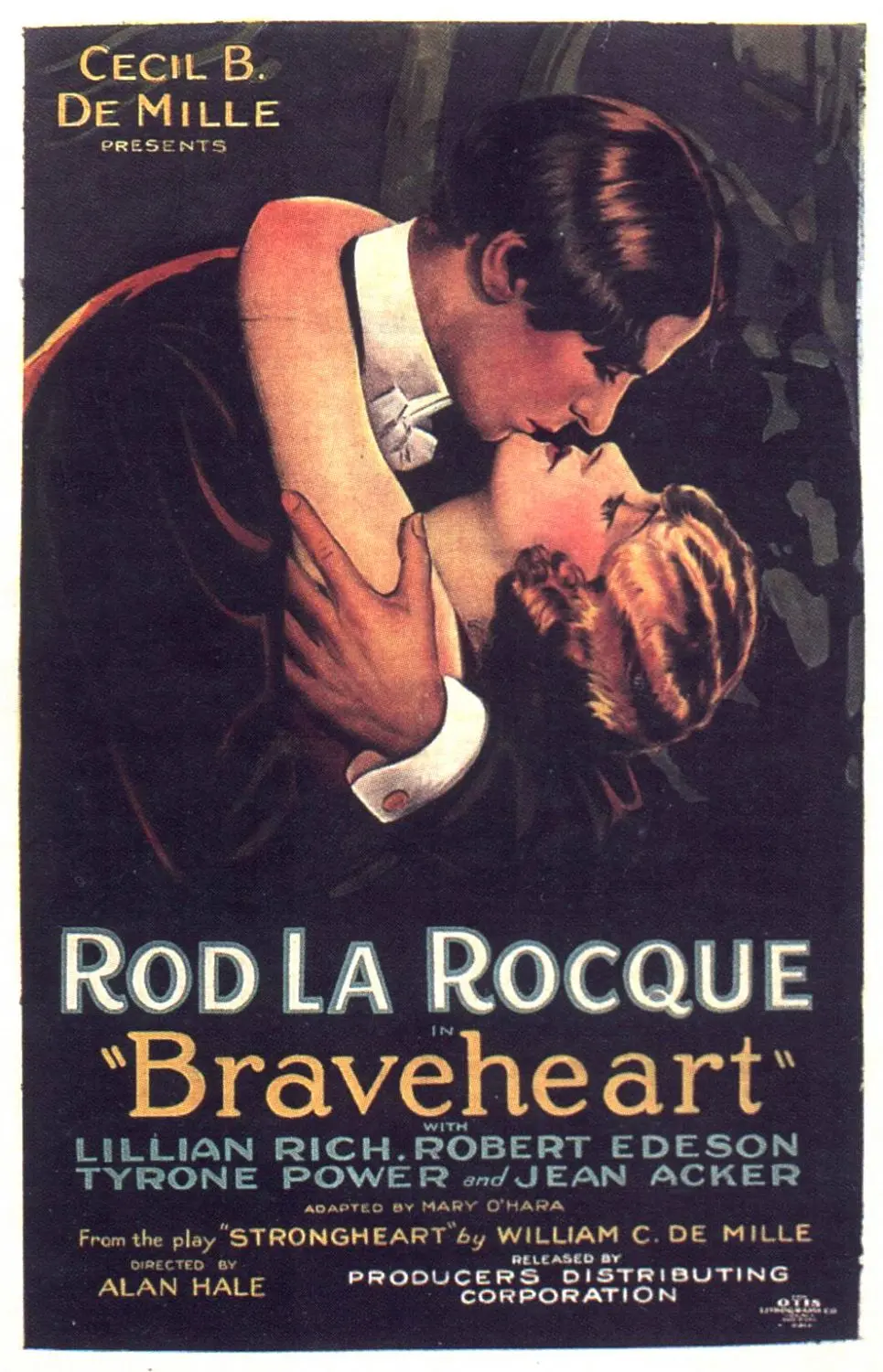
The cinematic landscape of the 1920s was a burgeoning tapestry, often reflecting the dramatic societal shifts and moral quandaries of its time. Among these, a film like "Braveheart" (1925) stands as a remarkably potent, albeit often overlooked, artifact, delving into themes that resonate with startling clarity eve...
Comparing the cinematic DNA and archive impact of two defining moments in cult history.
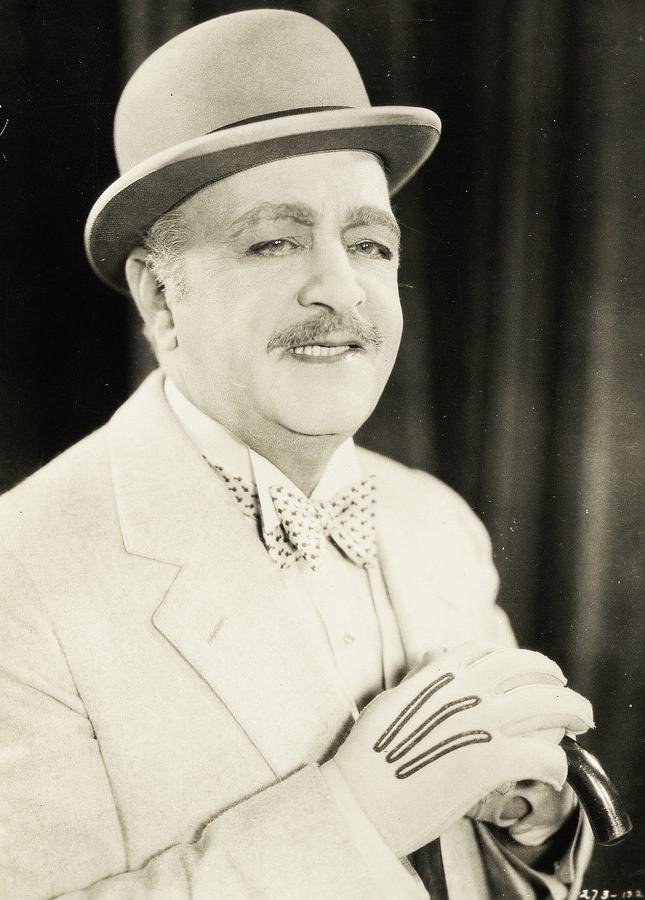
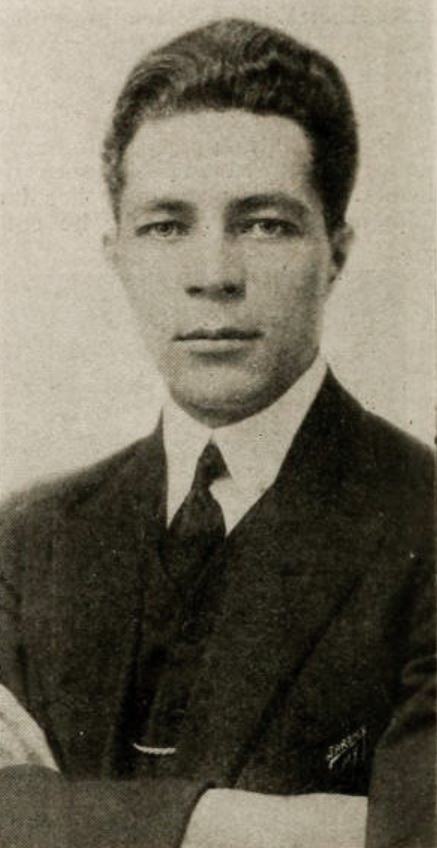
Alan Hale
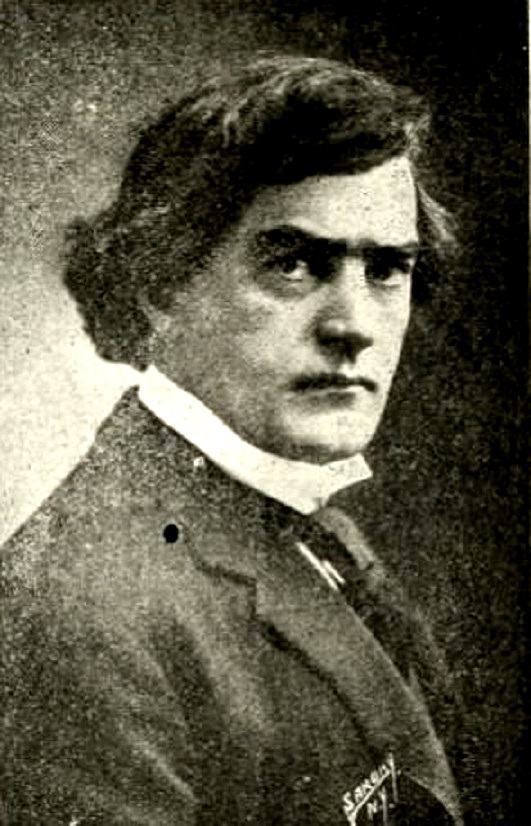
Eduardo Notari
Community
Log in to comment.
" The cinematic landscape of the 1920s was a burgeoning tapestry, often reflecting the dramatic societal shifts and moral quandaries of its time. Among these, a film like "Braveheart" (1925) stands as a remarkably potent, albeit often overlooked, artifact, delving into themes that resonate with startling clarity even a century later. Directed with a keen eye for human struggle and written by a formidable team including Mary O'Hara and William C. de Mille, this picture transcends mere entertai..."
Mary O'Hara, Elmer Harris, William C. de Mille, C. Gardner Sullivan
United States