
DbcultAccessing Vault...
Director's Spotlight
Senior Film Conservator
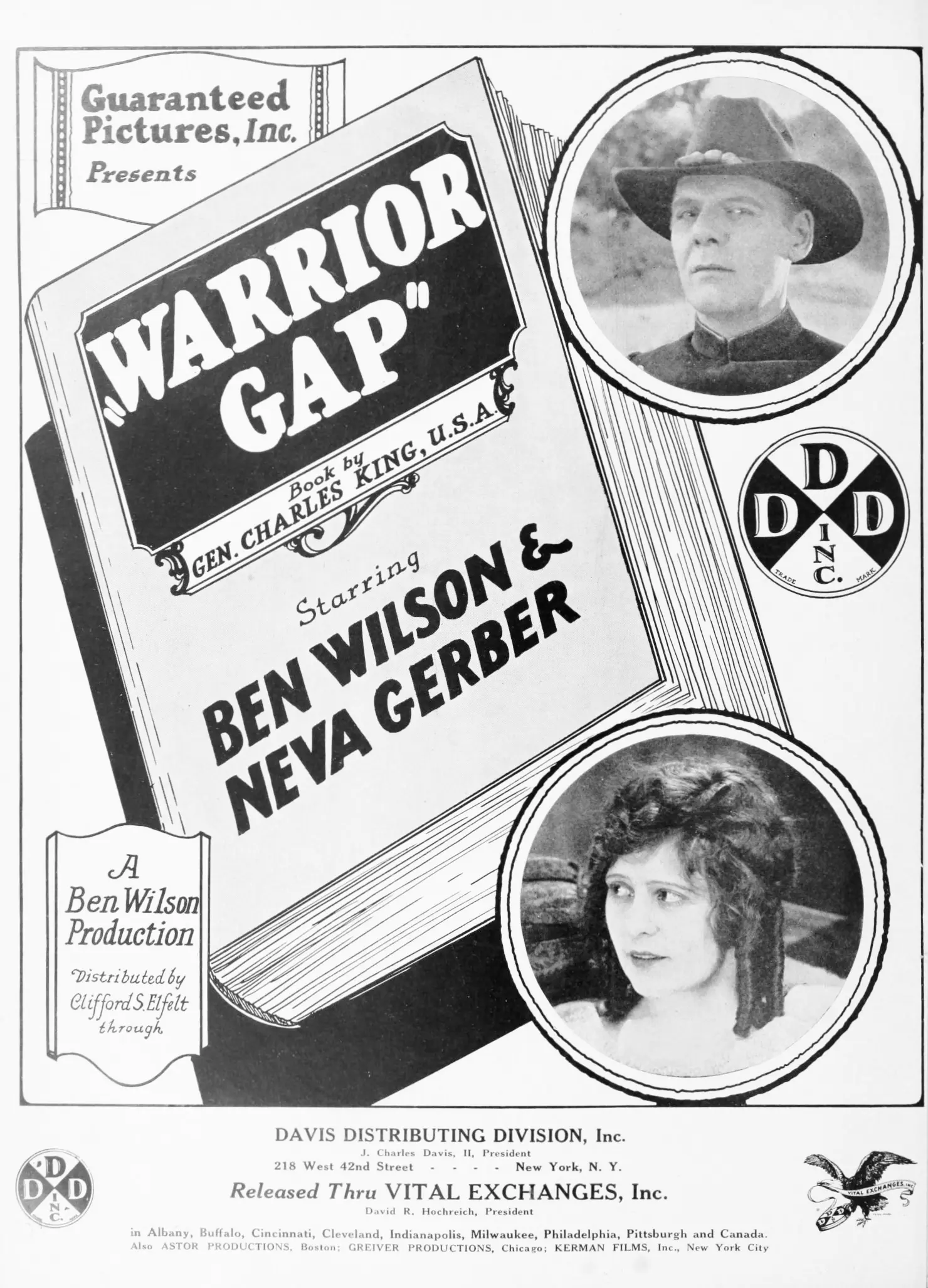
Director's Spotlight: United States
A Deep Dive into the 1925 Vision of Alan James
When we examine the cinematic landscape of United States, Warrior Gap emerges as a landmark work of the enduring legacy of Alan James's artistic contribution to the genre. Through a lens of existential fatalism and Western tropes, it captures a specific kind of cinematic magic that is rarely replicated.
In Warrior Gap, Alan James pushes the boundaries of conventional narrative. The film's unique approach to its subject matter has sparked endless debates and interpretations among cinephiles and critics alike.
The visual language of Warrior Gap is defined by its use of shadows and framing, a hallmark of Alan James's style. By utilizing a 1925-era palette, the film creates an immersive experience that perfectly complements its Western themes.
| Cinematography | Noir-Inspired |
| Soundtrack | Synth-Heavy |
| Editing | Disjunctive |
| Art Direction | Baroque |
Visualizing the convergence of Alan James's style and the core Western narrative.
Captain Deane, Major Burleigh and their troops are attacked by a band of hostile Native Americans. Although the soldiers have been ordered to avoid a direct military confrontation, the vainglorious Major Burleigh insists on counterattacking. Deane refuses and Burleigh orders his arrest for insubordination and cowardice. Meanwhile, Deane and his men come to the defense of Elinor Folsom when another hostile band attacks her isolated ranch. After Deane is cleared of the charges, he defeats Burleigh in a fistfight, but Helen's father, John Folsom, convinces the major to not report the incident. Deane is then ordered to convey a military payroll, and Burleigh incites a group of Indians to intercept him. Elinor learns of the plot and rides to warn Deane. As they fight for their lives, the cavalry comes to the rescue. Burleigh is fatally shot and confesses that he, not Deane, has the payroll money. Later, a wedding ceremony is held for Elinor and Captain Deane.
Decades after its release, Warrior Gap remains a vital piece of the cinematic puzzle. Its influence can be seen in countless modern works, solidifying Alan James's status as a master of the craft in United States and beyond.