
DbcultAccessing Vault...
Director's Spotlight
Senior Film Conservator
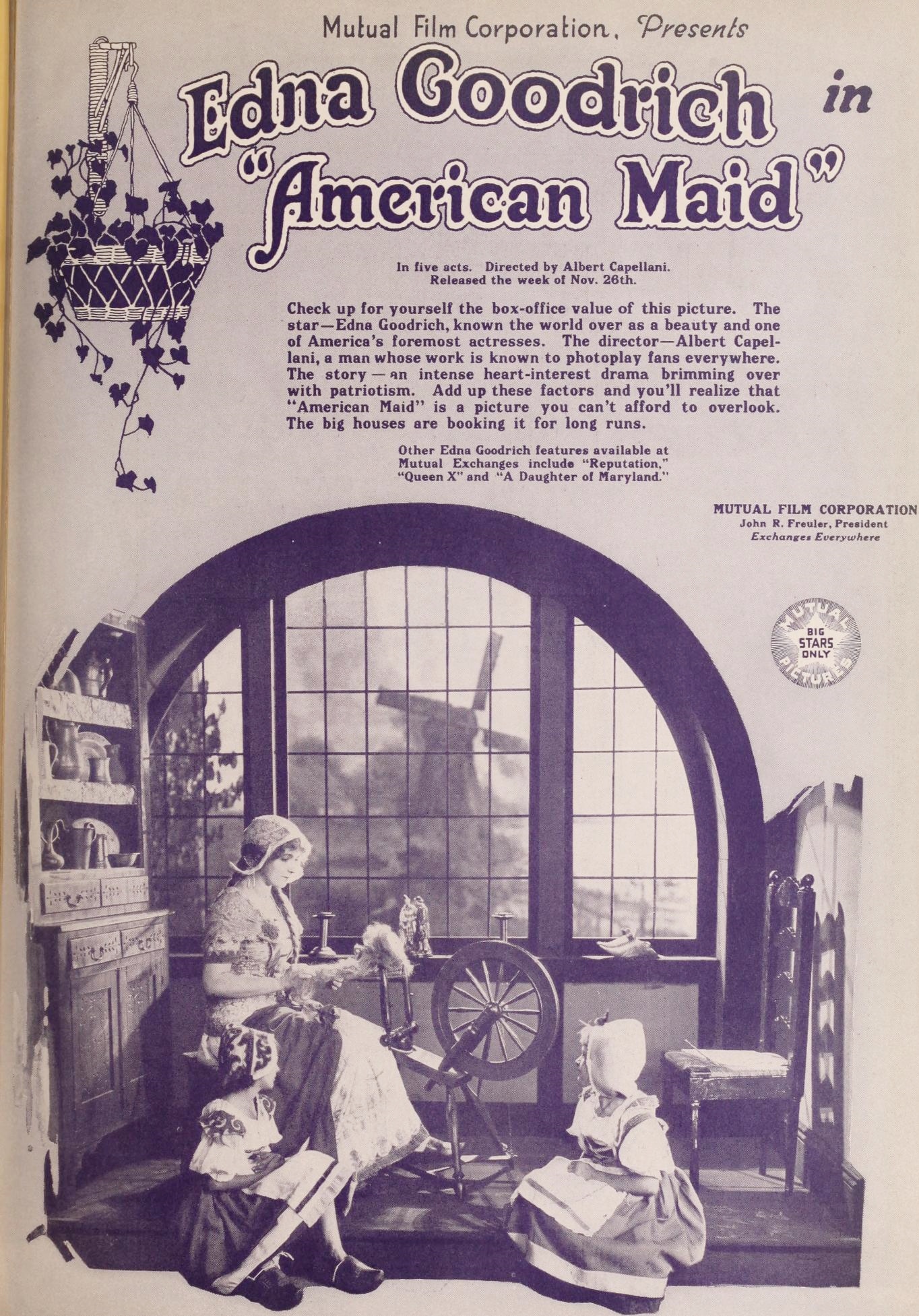
Director's Spotlight: United States
A Deep Dive into the 1917 Vision of Albert Capellani
Analyzing American Maid (1917) requires a deep dive into the defining moment in cult history that Albert Capellani helped create. Defining a new era of United States artistic expression, it transcends regional boundaries to tell a universal story.
In American Maid, Albert Capellani pushes the boundaries of conventional narrative. The film's unique approach to its subject matter has sparked endless debates and interpretations among cinephiles and critics alike.
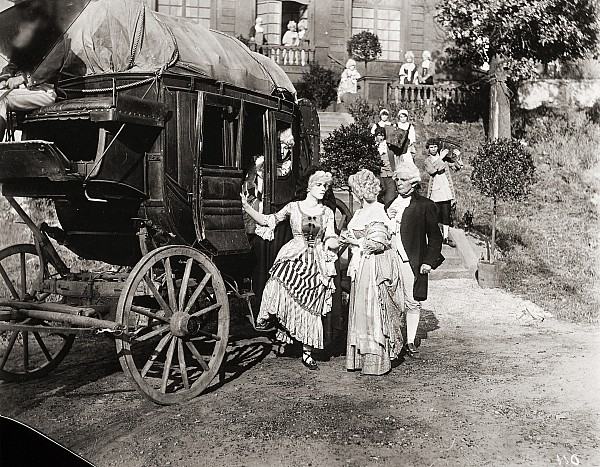
The visual language of American Maid is defined by its use of shadows and framing, a hallmark of Albert Capellani's style. By utilizing a 1917-era palette, the film creates an immersive experience that perfectly complements its cult themes.
| Cinematography | Noir-Inspired |
| Soundtrack | Synth-Heavy |
| Editing | Rhythmic |
| Art Direction | Naturalist |
Visualizing the convergence of Albert Capellani's style and the core cult narrative.
Virginia Lee, daughter of a United States Senator, meets David Starr, a wounded United States soldier, in a field hospital in which she is serving as a Red Cross nurse. Star returns to the trenches and Virginia's base hospital is moved. Starr is again wounded and invalided home. Virginia has lost sight of him. She returns to America; and in Washington, Starr sees her at a ball at the French Embassy. Feeling her too far above him, socially, he goes West, whither Virginia's father takes her, on a business trip, and there a vital drama is enacted.
Decades after its release, American Maid remains a vital piece of the cinematic puzzle. Its influence can be seen in countless modern works, solidifying Albert Capellani's status as a master of the craft in United States and beyond.