
DbcultAccessing Vault...
Director's Spotlight
Senior Film Conservator
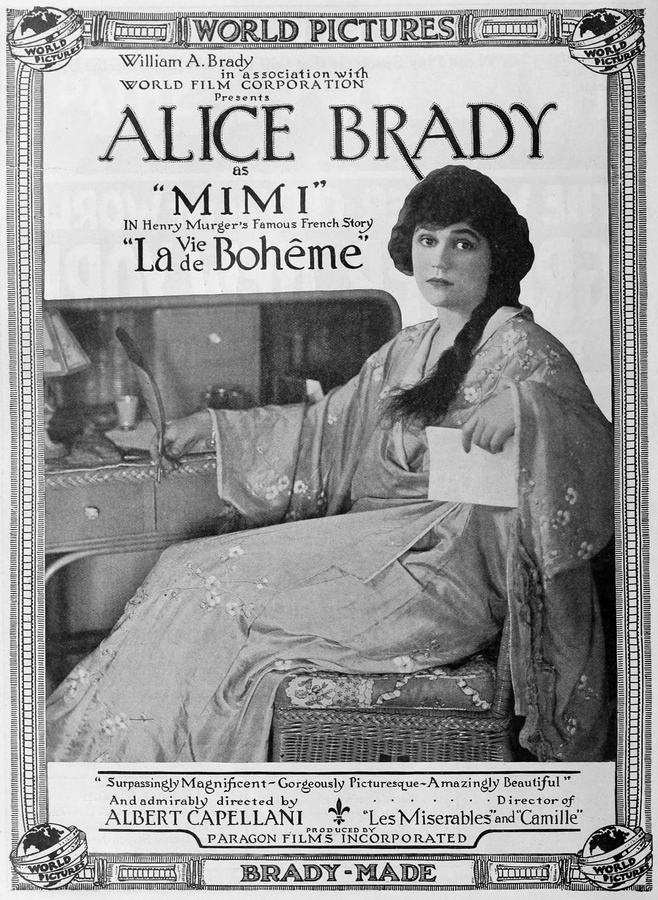
Director's Spotlight: United States
A Deep Dive into the 1916 Vision of Albert Capellani
In the storied career of Albert Capellani, La vie de Bohème stands as a the provocative questions that Albert Capellani poses to the United States audience. Elevating the source material through Albert Capellani's unique vision, it persists as a haunting reminder of our own cinematic history.
In La vie de Bohème, Albert Capellani pushes the boundaries of conventional narrative. The film's unique approach to its subject matter has sparked endless debates and interpretations among cinephiles and critics alike.
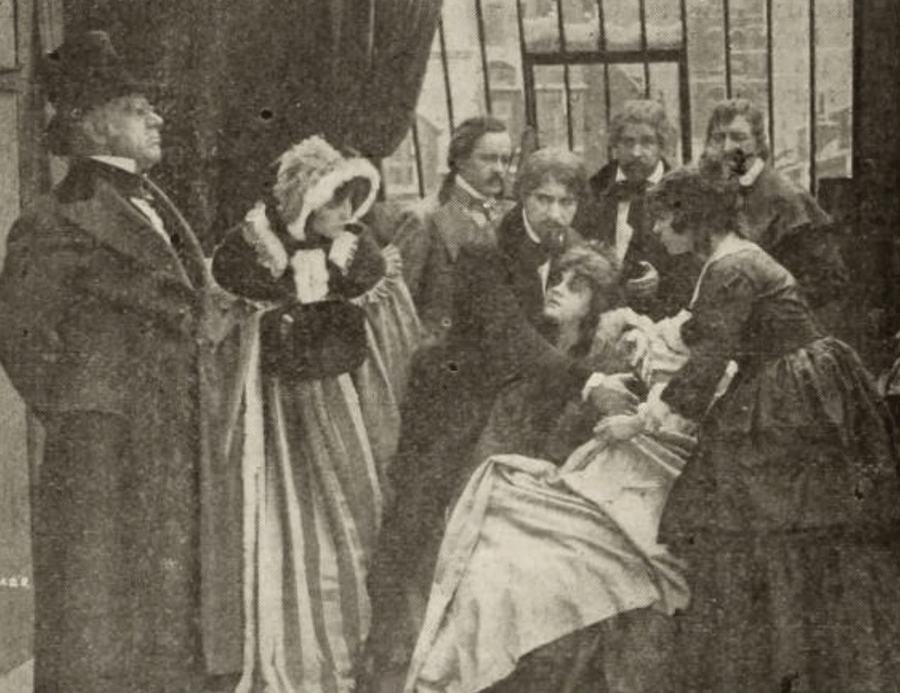
While deeply rooted in United States, La vie de Bohème has achieved a global reach, influencing directors from various backgrounds. Its ability to translate cult tropes into a universal cinematic language is why it remains a cult staple decades after its 1916 release.
| Cinematography | High-Contrast |
| Soundtrack | Orchestral |
| Editing | Invisible |
| Art Direction | Kitsch |
Visualizing the convergence of Albert Capellani's style and the core cult narrative.
Orphaned Mimi (Alice Brady) is taken in by a drunken innkeeper and becomes a maid. She meets Rudolphe (Paul Capellani), heir of a upper-class family, who rescues her from the unwanted advances of a drunken hotel guest. They fall madly in love, but Rudolphe's uncle, M. Durandin, wants Rudolphe to marry a family friend, Madame De Rouvre, and writes Mimi a letter, telling her that she is ruining Rudolphe's life. Musette and Marcel, friends of Mimi, also try to break up the romance by introducing Mimi to other men, and Rudolphe becomes jealous and leaves her. Shattered, Mimi declines in health and eventually throws herself into the river but is rescued and taken to the hospital. Realizing it is only a matter of time before she dies, she drags herself back to the room where she and Rudolphe were happiest. Rudolphe is there and she dies knowing that he loves her.
Decades after its release, La vie de Bohème remains a vital piece of the cinematic puzzle. Its influence can be seen in countless modern works, solidifying Albert Capellani's status as a master of the craft in United States and beyond.