
DbcultAccessing Vault...
Listicle
Archivist John
Senior Editor
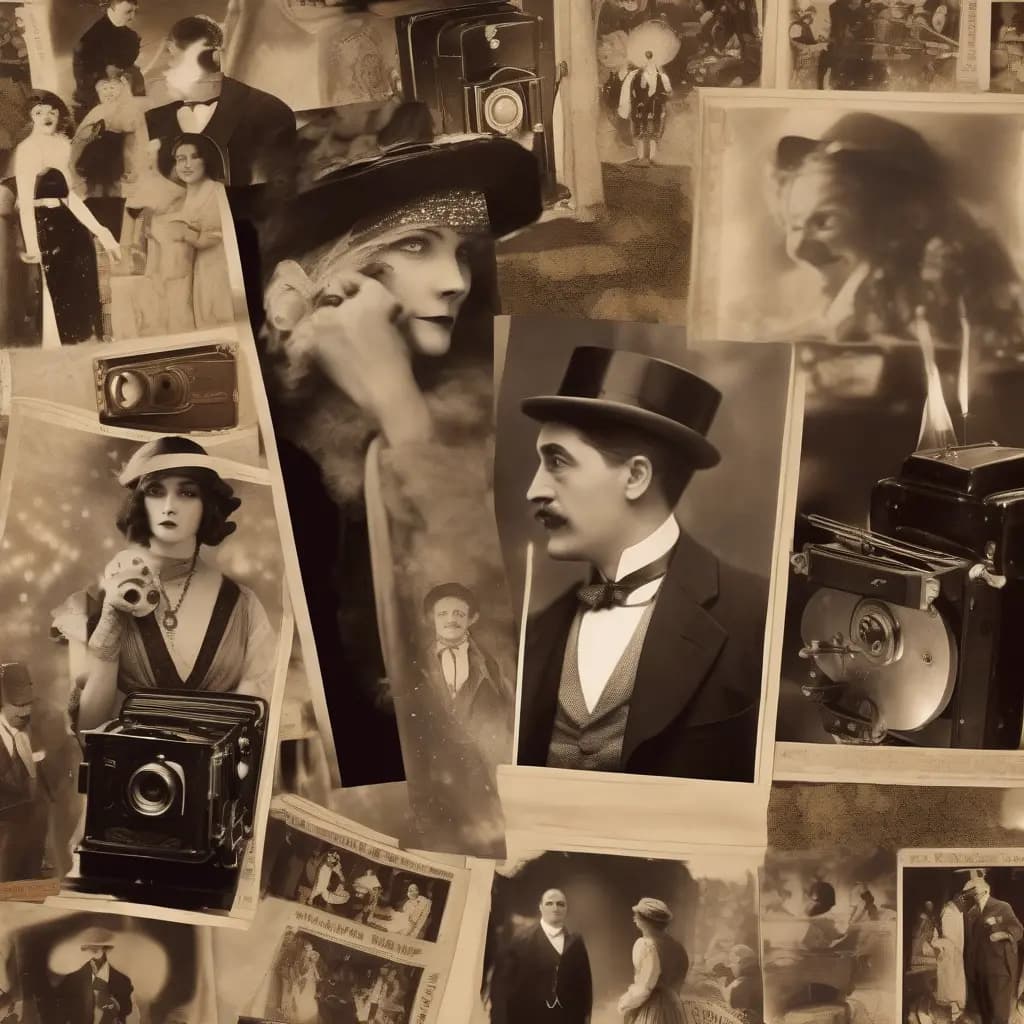
The silent era of cinema is often misunderstood as a primitive precursor to modern film, yet it was during this period that the very language of visual storytelling was invented. Between 1910 and 1925, filmmakers were forced to communicate complex emotions, intricate plots, and grand historical narratives without the benefit of spoken dialogue. This limitation birthed a unique form of artistry—one where the flicker of an eye or the shadow across a wall spoke louder than words. In this listicle, we explore ten forgotten gems and foundational works that define the ingenuity of early Hollywood and international cinema.
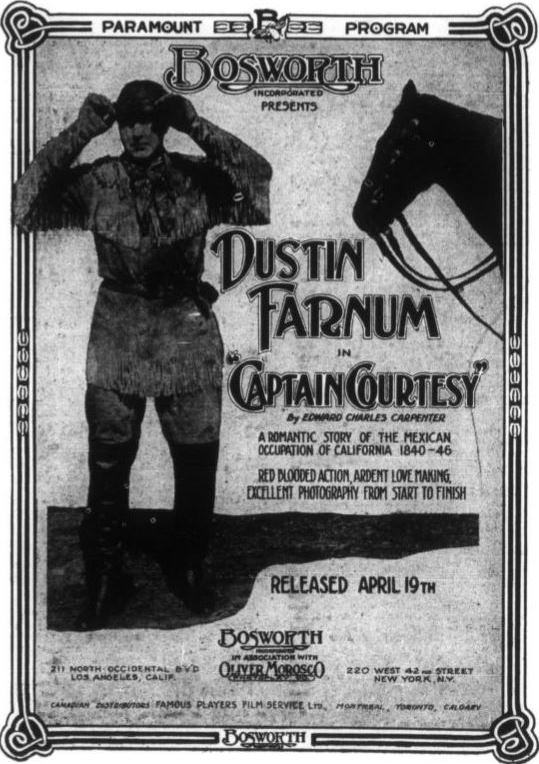
Directed by Phillips Smalley and the pioneering Lois Weber, Captain Courtesy is a quintessential example of the early California swashbuckler. Set during the transition of California from Mexican to American rule, the film follows a mysterious masked vigilante who protects the innocent from tyrannical land-grabbers. What makes this film stand out is the sophisticated use of outdoor locations and the dynamic stunt work that would later influence the likes of Douglas Fairbanks. It is a thrilling blend of romance and action that proves 1915 was already a year of high production values. Read full review of Captain Courtesy
William C. deMille, often overshadowed by his brother Cecil, brought a more grounded and character-driven approach to the screen in The Ragamuffin. Starring the luminous Blanche Sweet, the film tells the story of a girl from the slums who finds herself entangled in a high-society heist. The film is notable for its empathetic portrayal of poverty and its rejection of the melodramatic caricatures common in the era. DeMille’s direction focuses on nuanced performances, making the emotional stakes feel remarkably modern for a film over a century old. Read full review of The Ragamuffin
In The Kill-Joy, directed by Fred Wright, we see the early development of the 'redemption through innocence' trope that dominated early 20th-century drama. Mary Miles Minter, one of the biggest stars of the time, plays a young girl who enters a boarding house filled with cynical, grumpy men and proceeds to transform their lives through her unwavering optimism. While the plot sounds simple, the cinematography and the use of interior lighting highlight the evolving technical sophistication of the 1917 studio system. Read full review of The Kill-Joy
Historical dramas were a staple of the silent era, and The Beautiful Mrs. Reynolds is a fascinating look at American political history. Directed by Arthur Ashley, the film dramatizes the infamous affair between Alexander Hamilton and Maria Reynolds. In an age before the 'Hamilton' musical made these figures household names again, this film focused on the personal costs of political ambition. The lavish costumes and detailed set designs offer a window into the high-budget 'prestige' pictures of the late 1910s. Read full review of The Beautiful Mrs. Reynolds
Representing the strength of German silent cinema, Die Heimkehr des Odysseus (The Return of Odysseus) is a monumental adaptation of Homeric myth. Directed by Rudolf Biebrach and starring the legendary Henny Porten, the film utilizes expressionistic set design and theatrical blocking to convey the epic scale of the Greek hero's journey home. This film serves as a precursor to the legendary German Expressionist movement, showcasing a heavy emphasis on mood and mythological symbolism that would later influence directors like Fritz Lang. Read full review of Die Heimkehr des Odysseus
Not to be confused with the Jack London novel, Call from the Wild is a rugged adventure film that highlights the era's obsession with the great outdoors. The film features breathtaking location photography that was incredibly difficult to achieve with the bulky hand-cranked cameras of the time. It centers on the bond between humans and animals in the wilderness, a theme that resonated deeply with post-WWI audiences looking for a return to nature and simplicity. The pacing is remarkably tight, keeping viewers on the edge of their seats. Read full review of Call from the Wild
Dominique Bernard-Deschamps’ L'agonie des aigles (The Agony of the Eagles) is a French masterpiece that captures the melancholic end of the Napoleonic era. The film is famous for its sweeping battle reconstructions and its deeply patriotic tone. It tells the story of Napoleon's loyalists conspiring to return the Emperor’s son to the throne. The visual scale is massive, featuring hundreds of extras and authentic-feeling military uniforms, proving that French cinema was a global leader in the epic genre during the early 1920s. Read full review of L'agonie des aigles
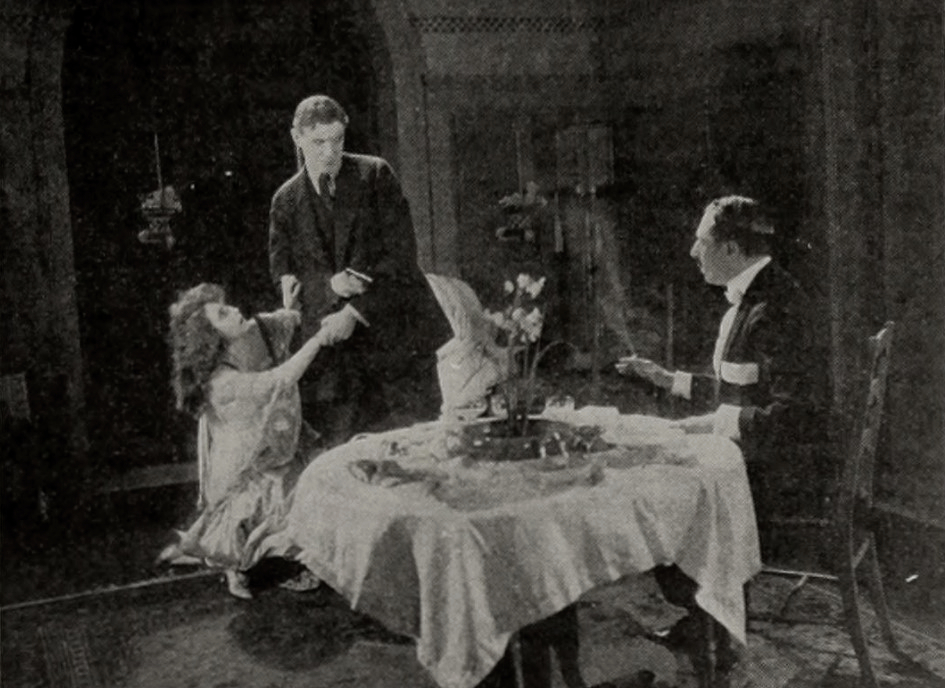
As the 1920s progressed, the mystery genre began to take a firmer hold on the public imagination. The West Case is a taut, efficiently directed thriller that utilizes the 'whodunit' structure long before it became a cinematic cliché. The film is a masterclass in visual exposition, using close-ups of clues and shifting perspectives to keep the audience guessing. It reflects the growing sophistication of film editing, where the juxtaposition of shots began to create suspense in ways that stage plays never could. Read full review of The West Case
By 1924, the Western had become America's most popular genre, but The No-Gun Man offered a clever subversion of the trope. Starring Lefty Flynn and directed by Harry Garson, the film follows a hero who refuses to carry a firearm in a land where the gun is law. This comedic and action-packed film relies on physical comedy and clever choreography rather than violence. It’s an early example of the 'pacifist hero' archetype and showcases the incredible athletic ability of silent film stars who performed their own stunts. Read full review of The No-Gun Man
Closing out our list is In the Name of Love, a 1925 romantic comedy-drama directed by Howard Higgin. As the silent era reached its technical peak, films like this displayed an incredible fluidity in camera movement and lighting. The story, a loose adaptation of 'The Lady of Lyons,' is a sophisticated look at class, deception, and true romance. Featuring Ricardo Cortez, the film is a perfect example of the 'Latin Lover' archetype that was sweeping Hollywood at the time, offering a glimpse into the star-driven culture of the mid-20s. Read full review of In the Name of Love
These ten films represent the incredible diversity and creativity of the silent era. From the rugged hills of the American West to the mythological landscapes of ancient Greece, these directors and actors laid the groundwork for everything we love about movies today. Whether you are a seasoned cinephile or a newcomer to film history, these titles are essential viewing to understand where the magic of the movies truly began.