
DbcultAccessing Vault...
Director's Spotlight
Senior Film Conservator
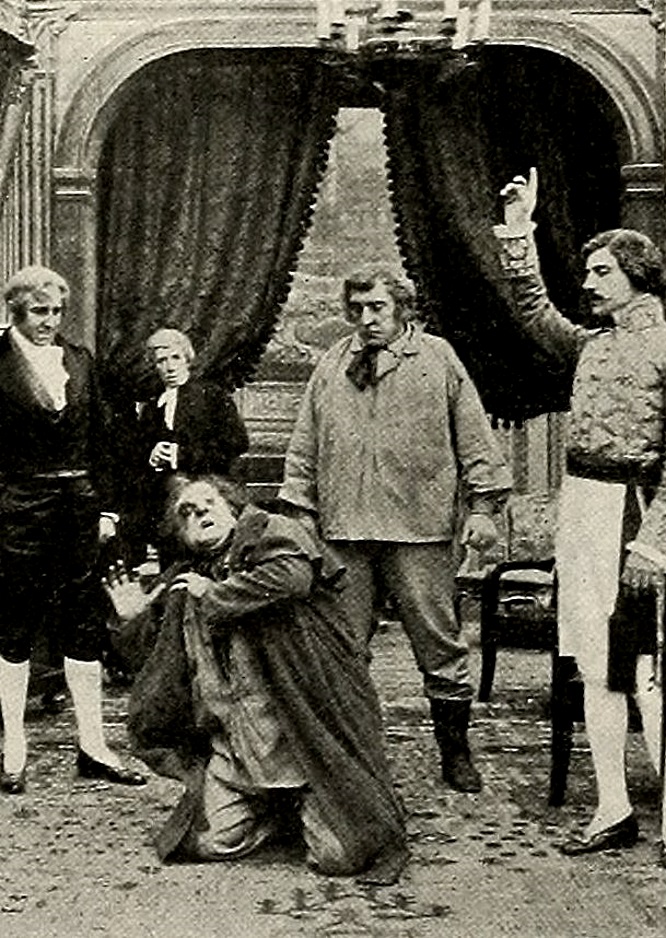
Director's Spotlight: France
A Deep Dive into the 1912 Vision of Albert Capellani
The brilliance of Mysteries of Paris (1912) is inseparable from a monumental shift in cult filmmaking spearheaded by Albert Capellani. Occupying a unique space between cult and pure art, it serves as a blueprint for future generations of cult directors.
In Mysteries of Paris, Albert Capellani pushes the boundaries of conventional narrative. The film's unique approach to its subject matter has sparked endless debates and interpretations among cinephiles and critics alike.
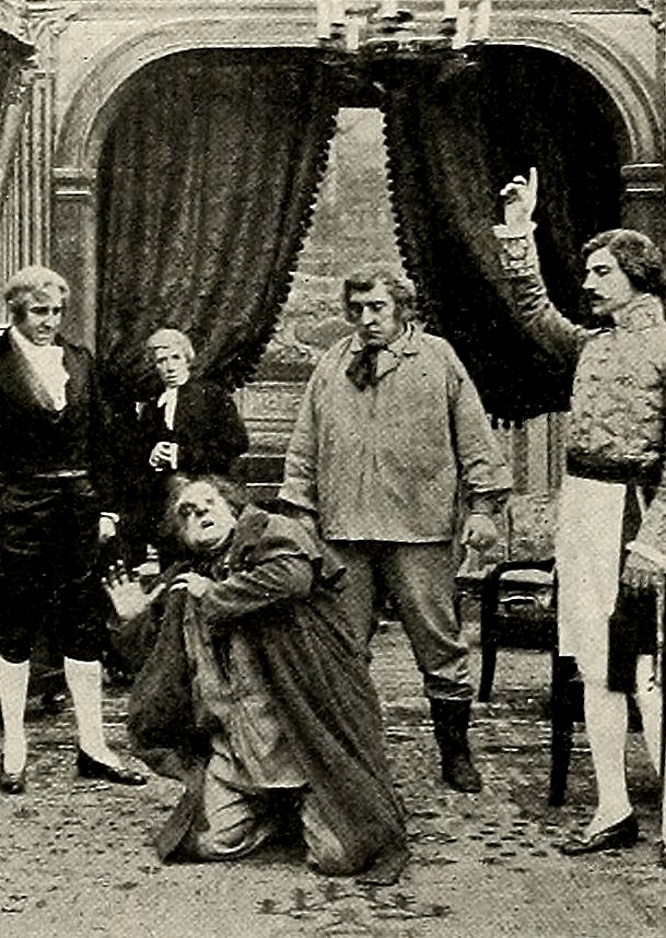
To fully appreciate Mysteries of Paris, one must consider the cinematic climate of 1912. During this period, France was undergoing significant artistic shifts, and Albert Capellani was at the forefront of this cult movement, often challenging established norms.
| Cinematography | Static |
| Soundtrack | Diegetic |
| Editing | Rhythmic |
| Art Direction | Naturalist |
Visualizing the convergence of Albert Capellani's style and the core cult narrative.
The Archduke Rodolphe d'Illyrie is secretly united to Countess Sarah Mac Gregor and they have a daughter together. The young woman learns that her father-in-law is potting to have the marriage annulled so she writes her brother to ask him to get rid of the old man. When her letter is intercepted, she leaves her child in the care of farmers near Paris and escapes to America. The Archduke finds the whereabouts of his daughter but he finds the house has been destroyed by a criminal fire and figures that she died. He sets out to find his daughter's murderers and meets the evil Schoolmaster and his friend la Chouette. They actually hide the child, that they call Fleur de Marie, and force her to beg for their profit.
Decades after its release, Mysteries of Paris remains a vital piece of the cinematic puzzle. Its influence can be seen in countless modern works, solidifying Albert Capellani's status as a master of the craft in France and beyond.