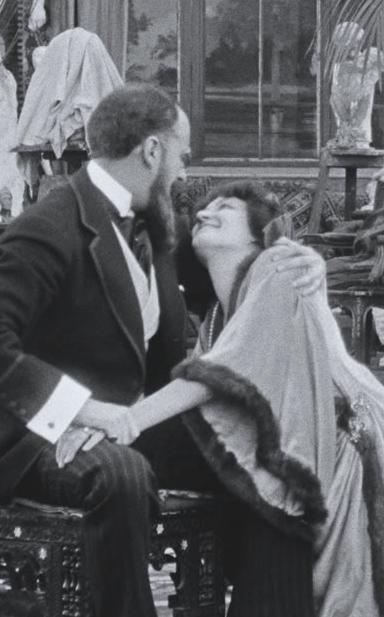
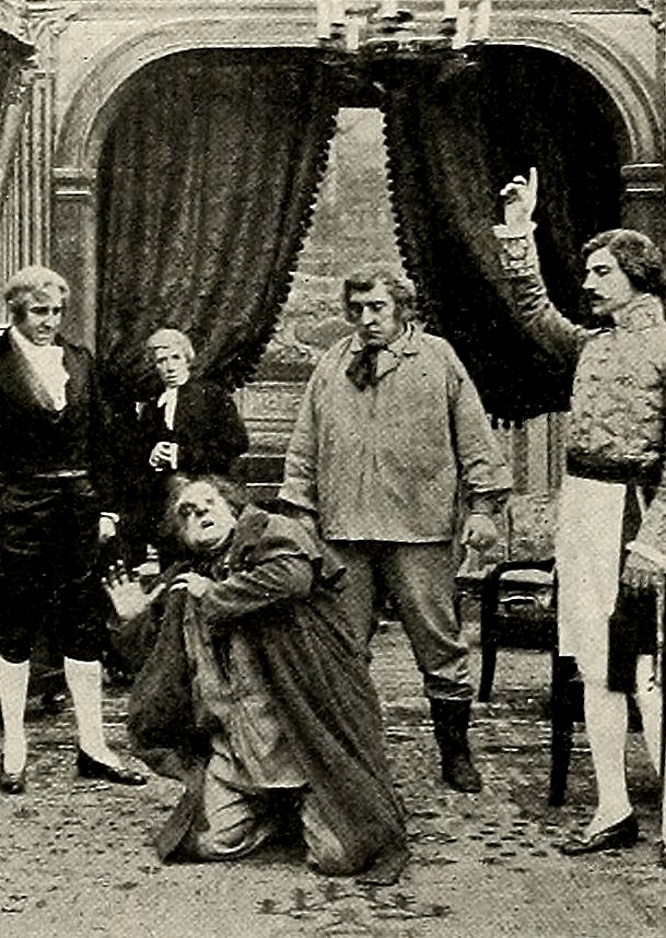
The Archduke Rodolphe d'Illyrie is secretly united to Countess Sarah Mac Gregor and they have a daughter together. The young woman learns that her father-in-law is potting to have the marriage annulled so she writes her brother to ask him to get rid of the old man.
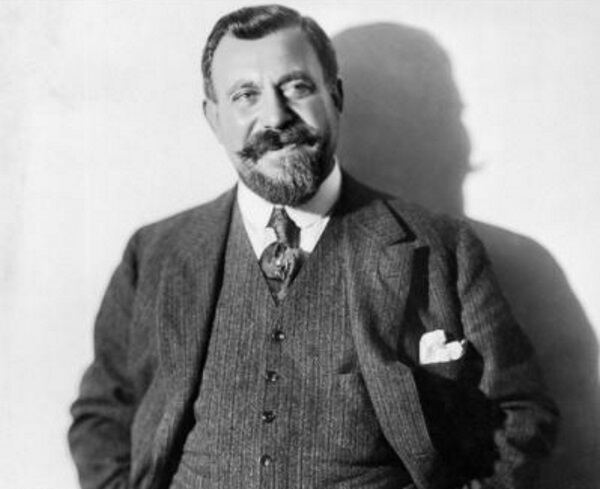
Albert Capellani, Eugène Sue
France
Stepping into the world of Mysteries of Paris is akin to unearthing a forgotten relic, a cinematic artifact that, despite its age, throbs with an enduring vitality. Based on Eugène Sue’s monumental serial novel, this film adaptation endeavors to capture the sprawling tapestry of 19th-century Parisian society, from...
still_frame

Comparing the cinematic DNA and archive impact of two defining moments in cult history.
Albert Capellani
Albert Capellani
Community
Log in to comment.
" Stepping into the world of Mysteries of Paris is akin to unearthing a forgotten relic, a cinematic artifact that, despite its age, throbs with an enduring vitality. Based on Eugène Sue’s monumental serial novel, this film adaptation endeavors to capture the sprawling tapestry of 19th-century Parisian society, from its gilded drawing rooms to its grimy, gaslit alleyways. It’s a bold undertaking, a narrative ambition that few contemporary filmmakers would dare to tackle with such scope. The s..."
Deep dive into the cult classic
Discover similar cinematic experiences
A Directorial Spotlight on Albert Capellani