
DbcultAccessing Vault...
Director's Spotlight
Senior Film Conservator
Director's Spotlight: United States
A Deep Dive into the 1919 Vision of Albert Capellani
The evocative power of Oh Boy! stems from the unique collaboration between the bold experimentation that has become synonymous with Albert Capellani. Framed by the hauntingly beautiful landscapes of the production, it echoes the profound changes occurring in United States during that era.
In Oh Boy!, Albert Capellani pushes the boundaries of conventional narrative. The film's unique approach to its subject matter has sparked endless debates and interpretations among cinephiles and critics alike.
| Cinematography | Static |
| Soundtrack | Orchestral |
| Editing | Slow-Burn |
| Art Direction | Brutalist |
Visualizing the convergence of Albert Capellani's style and the core cult narrative.
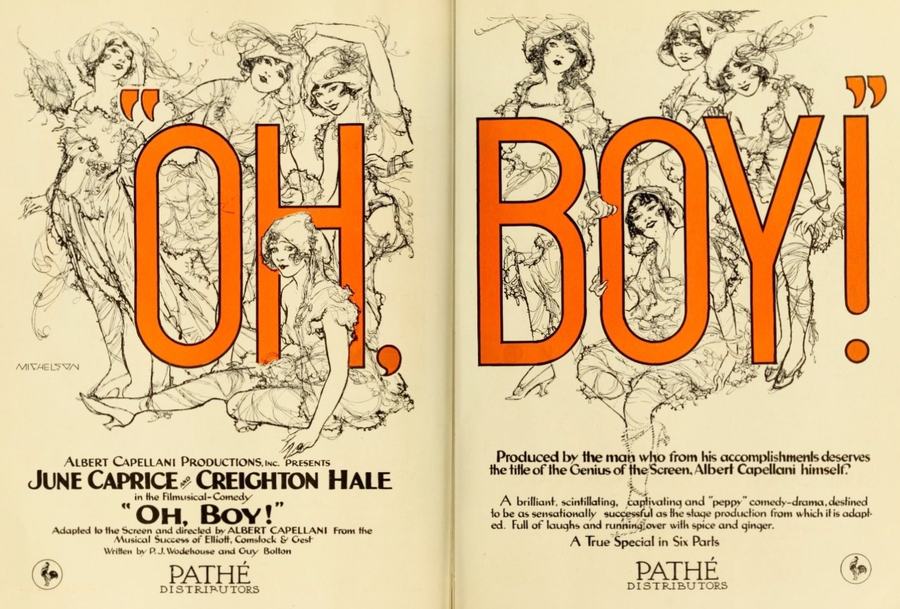
Albert Capellani is shown as an orchestra leader before an audience awaiting the curtain's rising on a musical comedy. After the curtain rises showing the grounds of a college, the story begins: undergraduates George Budd and Lou Ellen Carter want to marry, but Lou's father, Judge Daniel Carter, the town's prohibition leader, will not give his consent because George admits he occasionally drinks. They marry anyway, but because George discovers a telegram from his maiden aunt threatening to cut off his funds if he marries, they keep their marriage secret. Meanwhile, Judge Carter, investigating rumors that college boys drink and carry on with actresses at the College Inn, becomes fascinated with actress Jackie Sampson, who, after inducing him to drink, steals his prohibition speech. Chased by Constable Simms, Jackie hides in George's bungalow, where, the next morning, Lou and the judge find her and reject George's explanations. During an important football game, Jackie convinces Lou of George's innocence. George's aunt, who gets ridiculously drunk thinking she is having tea, gives her consent, as does the judge, when both are blackmailed with the threat of having their drinking escapades made public.
Decades after its release, Oh Boy! remains a vital piece of the cinematic puzzle. Its influence can be seen in countless modern works, solidifying Albert Capellani's status as a master of the craft in United States and beyond.