
DbcultAccessing Vault...
Director's Spotlight
Senior Film Conservator
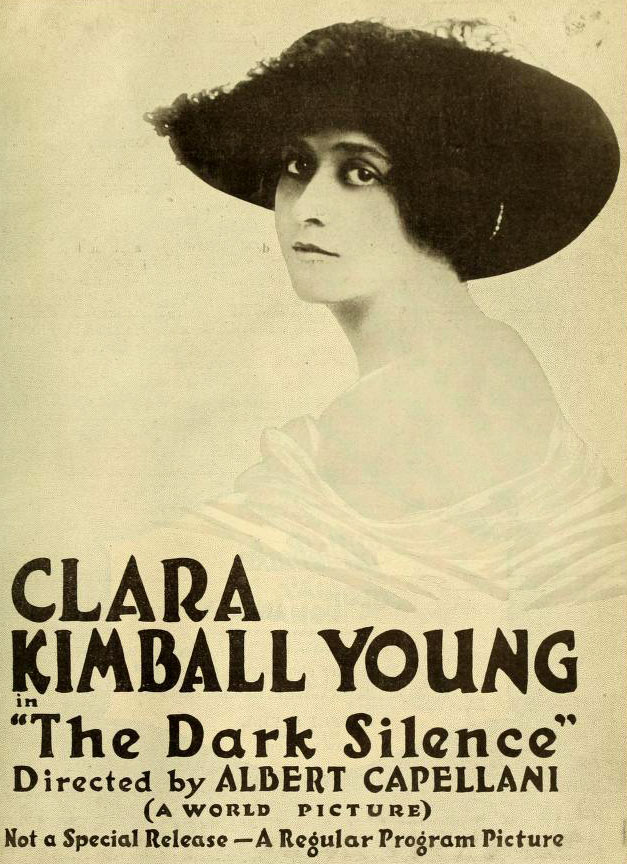
Director's Spotlight: United States
A Deep Dive into the 1916 Vision of Albert Capellani
The enduring fascination with The Dark Silence is a testament to the artistic risks taken by Albert Capellani that eventually paid off. Challenging the viewer to find meaning in the cult shadows, it reminds us of the fragility and beauty of the 1916s.
In The Dark Silence, Albert Capellani pushes the boundaries of conventional narrative. The film's unique approach to its subject matter has sparked endless debates and interpretations among cinephiles and critics alike.
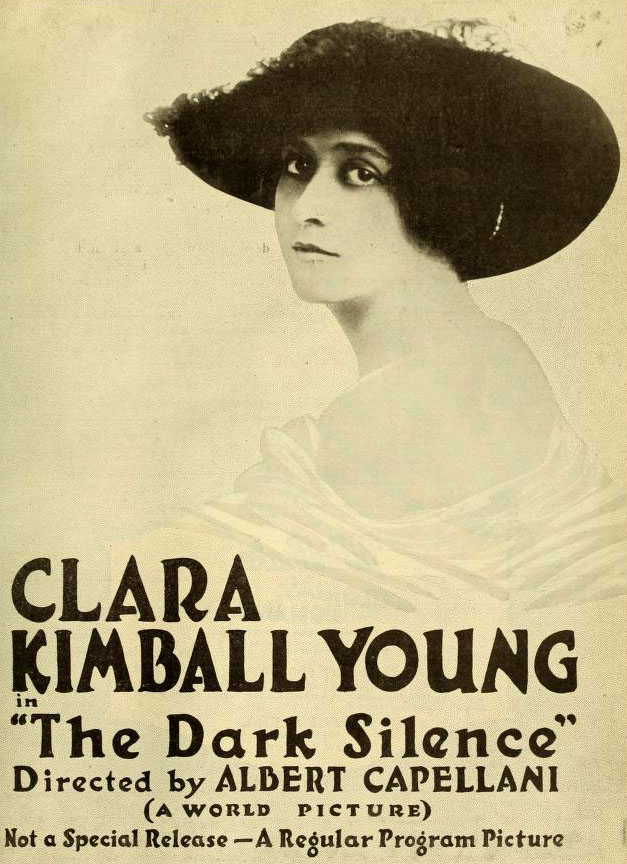
To fully appreciate The Dark Silence, one must consider the cinematic climate of 1916. During this period, United States was undergoing significant artistic shifts, and Albert Capellani was at the forefront of this cult movement, often challenging established norms.
| Cinematography | Noir-Inspired |
| Soundtrack | Experimental |
| Editing | Elliptical |
| Art Direction | Expressionist |
Visualizing the convergence of Albert Capellani's style and the core cult narrative.
Mildred White becomes romantically involved with both Derwent Ainsworth and Dr. Mario Martinez while in Paris. She prefers Derwent, but when he leaves suddenly to see his dying father, Mario convinces Mildred that he has deserted her. When World War I begins, Derwent returns for Mildred, but upon learning that she is leaving Paris with Mario, he enlists in the army. Mildred discovers Mario's initial deception and joins the Red Cross to be near Derwent, who is blinded in battle and then tended to by Mildred. Unaware of the true identity of his nurse, Derwent falls in love with her, and the two are soon married. Mildred then prevails upon Mario to perform a special operation on Derwent's eyes. His vision restored, Derwent realizes that Mildred has returned to him, while Mario, after helping his former rival, dies in battle.
Decades after its release, The Dark Silence remains a vital piece of the cinematic puzzle. Its influence can be seen in countless modern works, solidifying Albert Capellani's status as a master of the craft in United States and beyond.