
DbcultAccessing Vault...
Listicle
Archivist John
Senior Editor
Before the 'talkies' revolutionized cinema, an entire universe of storytelling thrived in silence, accompanied by live orchestras and the vivid imaginations of audiences. The silent film era, spanning roughly from the late 1890s to the late 1920s, was a period of incredible innovation, artistic experimentation, and foundational narrative development. Often overlooked in favor of their sound-equipped successors, these early cinematic masterpieces offer a unique window into the cultural zeitgeist, social anxieties, and universal human experiences of a bygone era. They prove that compelling drama, uproarious comedy, thrilling adventure, and profound emotion don't need dialogue to captivate. Join us as we journey back in time to unearth 10 captivating silent films that, despite their age, still resonate with powerful echoes today, proving the timeless artistry of early cinema. From forgotten comedies to gripping dramas and thrilling adventures, these films are more than just historical artifacts; they are vibrant, living pieces of cinematic history waiting to be rediscovered.
In the fast-paced Roaring Twenties, even the idea of slowing down could be a comedic premise. Why Hurry? from 1924, captures the spirit of an era obsessed with progress and speed, often with hilarious results. This film likely explores the absurdities of modern life and the pressures of keeping up, delivering a dose of much-needed levity and a charming look at societal expectations. It's a delightful example of how silent comedies used physical humor and exaggerated situations to comment on the human condition, proving that some anxieties, like the rush of daily life, are truly timeless.
Read full review of Why Hurry?
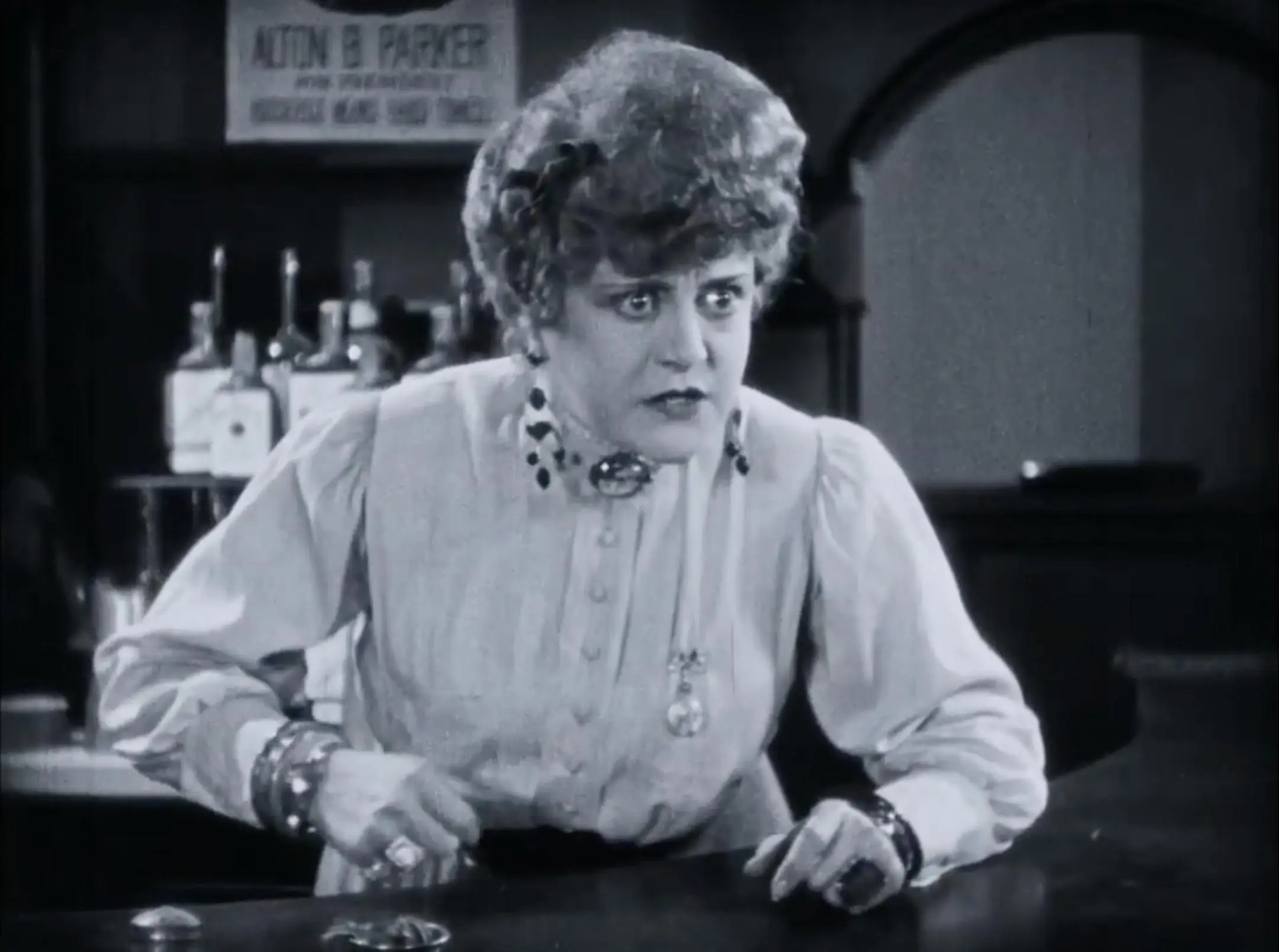
The 1920s were a time of dramatic social shifts, and silent melodramas often mirrored these changes through compelling narratives of love, deception, and societal pressure. The Forged Bride, released in 1920, undoubtedly delves into themes of identity, betrayal, and the desperate lengths people go to for love or status. These 'forged' identities or circumstances were popular tropes, allowing filmmakers to explore moral dilemmas and human frailties with intense emotional depth. This film promises a gripping tale that speaks to the enduring power of dramatic storytelling, where every glance and gesture carried immense weight.
Read full review of The Forged Bride
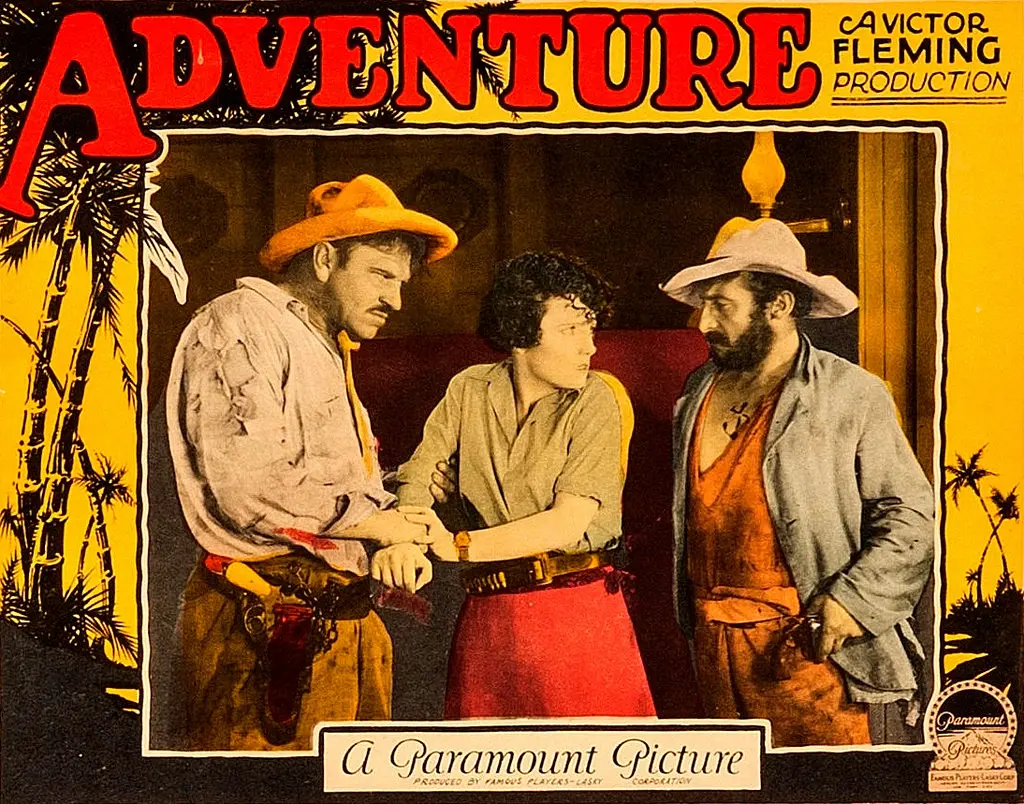
The allure of adventure and the charm of a charismatic hero were central to many silent films, and Pied Piper Malone from 1924 sounds like a classic in this vein. The title itself evokes a sense of whimsical leadership or a figure who draws others into his world, perhaps for a grand quest or a comedic escapade. Silent cinema excelled at creating larger-than-life characters whose actions spoke louder than words, engaging audiences through their daring feats and endearing personalities. This film is likely a testament to the power of a captivating protagonist to carry a story, offering a delightful journey for viewers.
Read full review of Pied Piper Malone
Venturing beyond Hollywood, we discover the fascinating world of international silent cinema. Russia's Dikaya sila (Wild Force or Savage Power), released in 1916, offers a glimpse into the dramatic intensity and unique aesthetic of early Russian filmmaking. Often characterized by powerful psychological depth and stark realism, films from this period explored profound human emotions and societal struggles. This title suggests a narrative driven by raw passion, untamed nature, or perhaps the 'wild force' of human will against adversity. It's a compelling artifact that showcases the global reach and diverse artistic expressions of the silent era.
Read full review of Dikaya sila
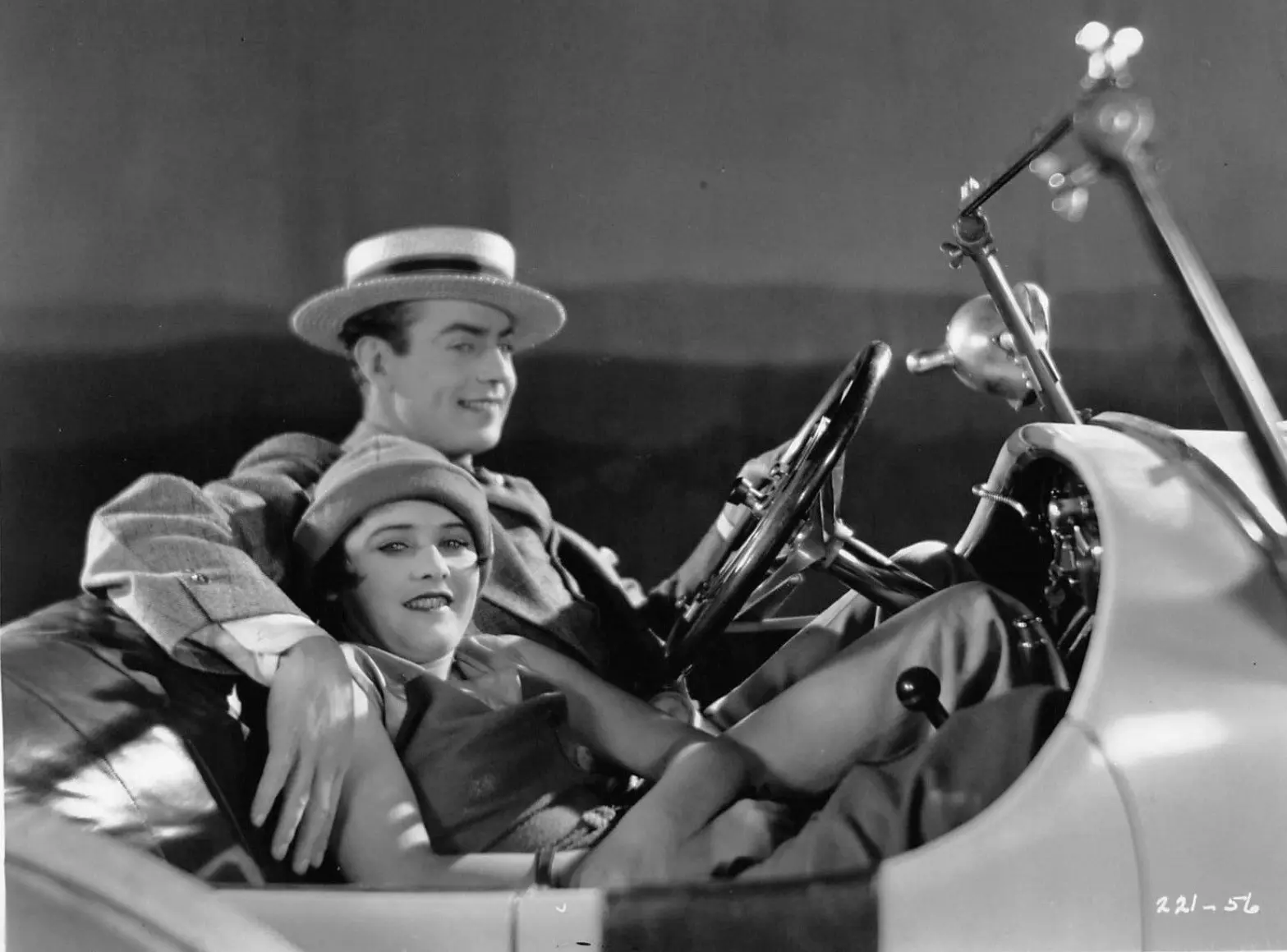
As the silent era neared its end, animation was also finding its footing, often blending live-action with cartoon elements. Alice's Brown Derby from 1926 likely hails from Walt Disney's 'Alice Comedies' series, which famously featured a live-action girl interacting with an animated cartoon world. These pioneering shorts were crucial in developing animation techniques and storytelling, paving the way for the golden age of cartoons. This film is a charming reminder of the innovative spirit of the time, where experimentation knew no bounds and the boundaries between reality and fantasy were delightfully blurred.
Read full review of Alice's Brown Derby
The magic and mystery of the circus have long been a fertile ground for cinematic narratives, and After the Circus from 1919 promises a unique perspective on this enchanting world. Often, films set around circuses explored themes of transient life, hidden identities, and the dramatic contrast between the spectacle under the big top and the realities of life behind the scenes. This film likely delves into the emotional aftermath or the personal lives of performers once the show is over, offering a poignant look at their struggles and triumphs. It's a beautiful example of how silent films used evocative settings to enhance their storytelling.
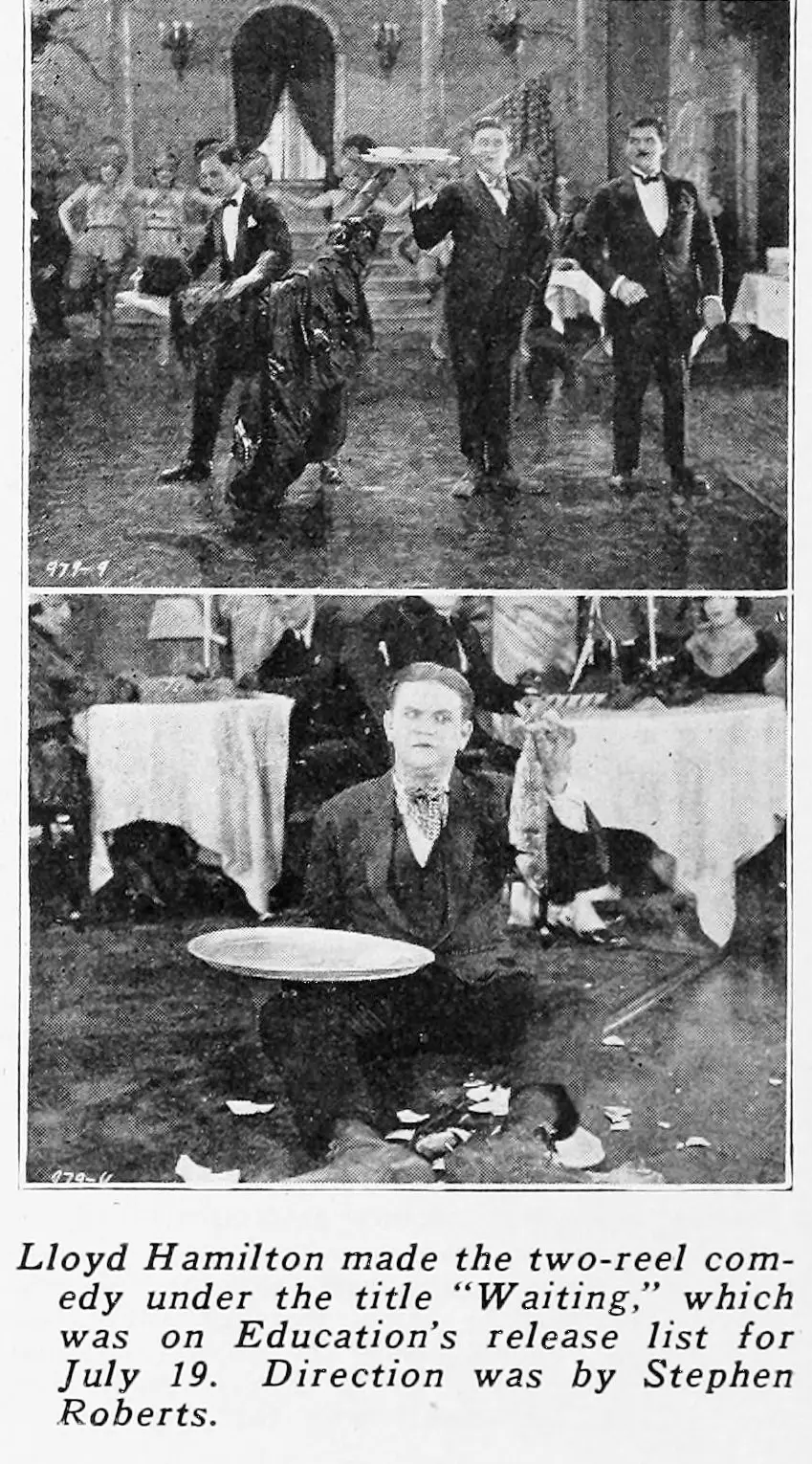
Read full review of After the Circus
Everyday life, with its minor frustrations and humorous observations, was a rich source for silent film comedies. Bargain Day, released in 1924, sounds like a delightful foray into the world of consumerism and the universal quest for a good deal. These slice-of-life comedies often relied on physical comedy, exaggerated reactions, and relatable situations to elicit laughter, reflecting the burgeoning consumer culture of the period. This film likely offers a charmingly nostalgic look at shopping habits and the pursuit of value, proving that the thrill of a 'bargain' transcends generations and cinematic eras.
Read full review of Bargain Day
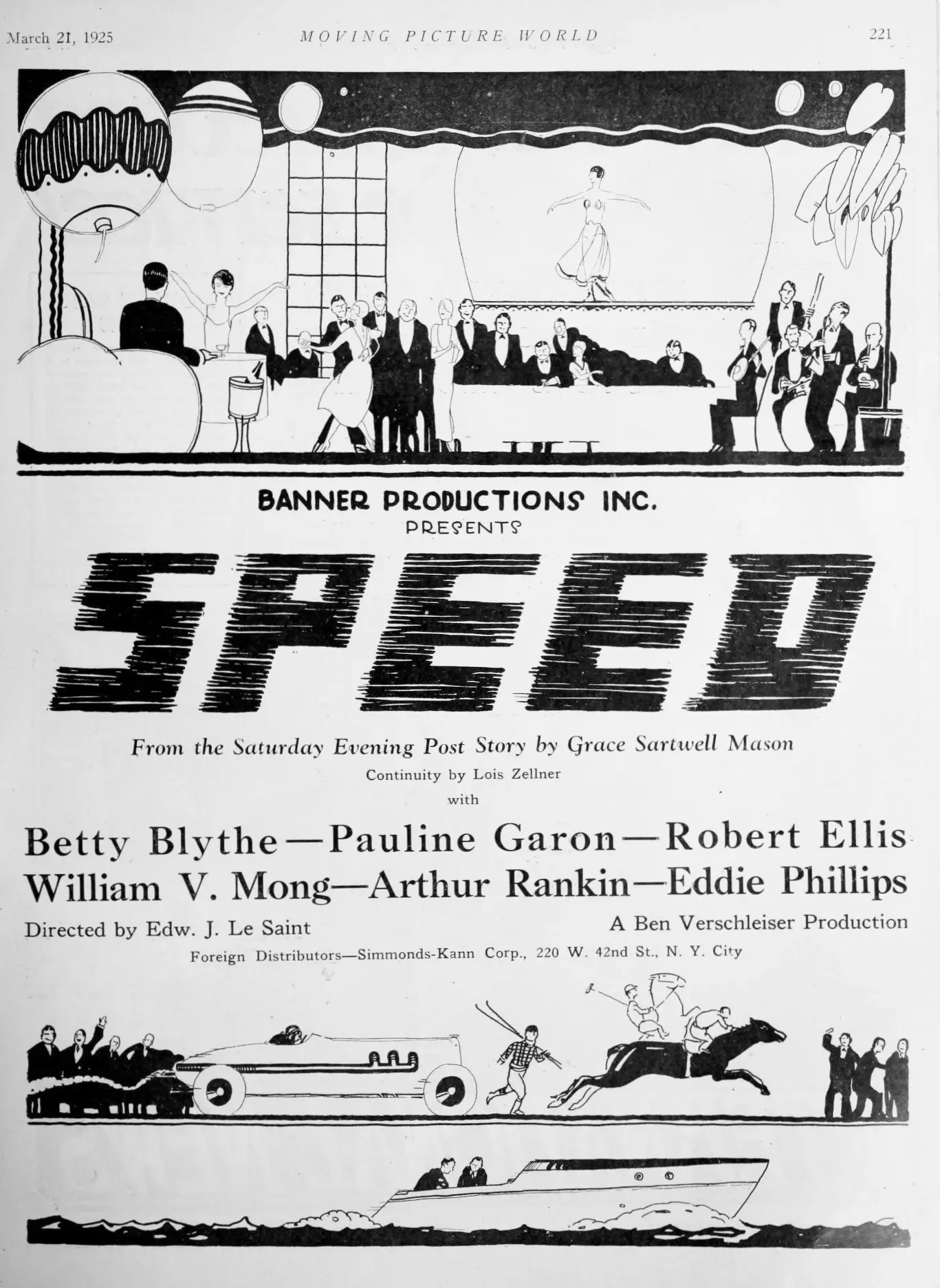
The great outdoors and the thrill of the chase provided ample material for adventure and drama in early cinema. The Huntsman from 1920 likely plunges viewers into a world of wilderness, survival, or perhaps a metaphorical hunt for justice or love. Silent films were adept at building suspense and excitement through visual storytelling, using sweeping landscapes and dynamic action sequences. This film probably showcases the raw power of nature and the determination of the human spirit, offering a robust narrative that would have captivated audiences with its primal energy and dramatic tension.
Read full review of The Huntsman
Action, intrigue, and dramatic confrontations were staples of early cinema, and Bullets and Brown Eyes from 1916 immediately conjures images of thrilling espionage or a classic Western showdown. This title suggests a potent mix of danger and romance, a common and effective pairing in silent films that sought to entertain and excite. Films from this early period often established many of the narrative conventions we still see today, proving that a strong plot, compelling characters, and high stakes are universally appealing, regardless of the presence of dialogue. It's a reminder of the genre-defining power of silent cinema.
Read full review of Bullets and Brown Eyes
The legendary French detective Eugène François Vidocq, a real-life ex-criminal turned master detective, has inspired countless stories, and Vidocq from 1923 brings his thrilling exploits to the silent screen. This film would have been a gripping crime drama, showcasing the intricate plots and dramatic tension that silent thrillers perfected. The character of Vidocq, with his cunning mind and complex past, was perfectly suited for the visual storytelling of the era, allowing for intense facial expressions and dramatic chase sequences to convey the narrative. It's a powerful example of how historical figures and true crime stories captivated audiences long before modern true-crime documentaries.
These ten films, spanning a decade of silent cinema, are more than just historical footnotes. They are vibrant, compelling works that demonstrate the incredible range and artistry of early filmmakers. From the comedic observations of everyday life to the intense dramas of love and betrayal, from international epics to groundbreaking animation, these 'talkie-less' treasures laid the groundwork for everything that followed. Rediscovering these silent era gems offers not just a glimpse into cinema's past, but a profound appreciation for the universal language of visual storytelling. So, dim the lights, imagine the live orchestra, and let these echoes of the past transport you to a time when silence spoke volumes.