
DbcultAccessing Vault...
Deep Dive
Archivist John
Senior Editor
Forget the high-gloss paranoia of Eyes Wide Shut or the slow-burn dread of The Wicker Man. If you want to witness the most unhinged, truly bizarre depictions of secret power ever captured on nitrate, you have to look back to the 1920s. Specifically, you have to look at the short-form comedies that were being cranked out for a public obsessed with fraternal orders, Prohibition-era whispers, and the creeping suspicion that their neighbors were up to something weird behind closed doors. We often talk about the 'cult of the individual' in silent cinema, but there was a literal 'cult of the cult' brewing in the slapstick reels of the early jazz age.
This wasn't just a trend; it was a reflection of a society in the middle of a nervous breakdown. Between the rise of the Ku Klux Klan’s second wave and the explosion of harmless but odd fraternal organizations like the Shriners or the Elks, the 1920s American landscape was a patchwork of secret handshakes and velvet robes. Filmmakers of the era saw this and did what they did best: they turned the paranoia into a fever dream. The result was a series of films that, while intended as light entertainment, now feel like transmissions from a parallel dimension where the line between the law and the occult has completely dissolved.
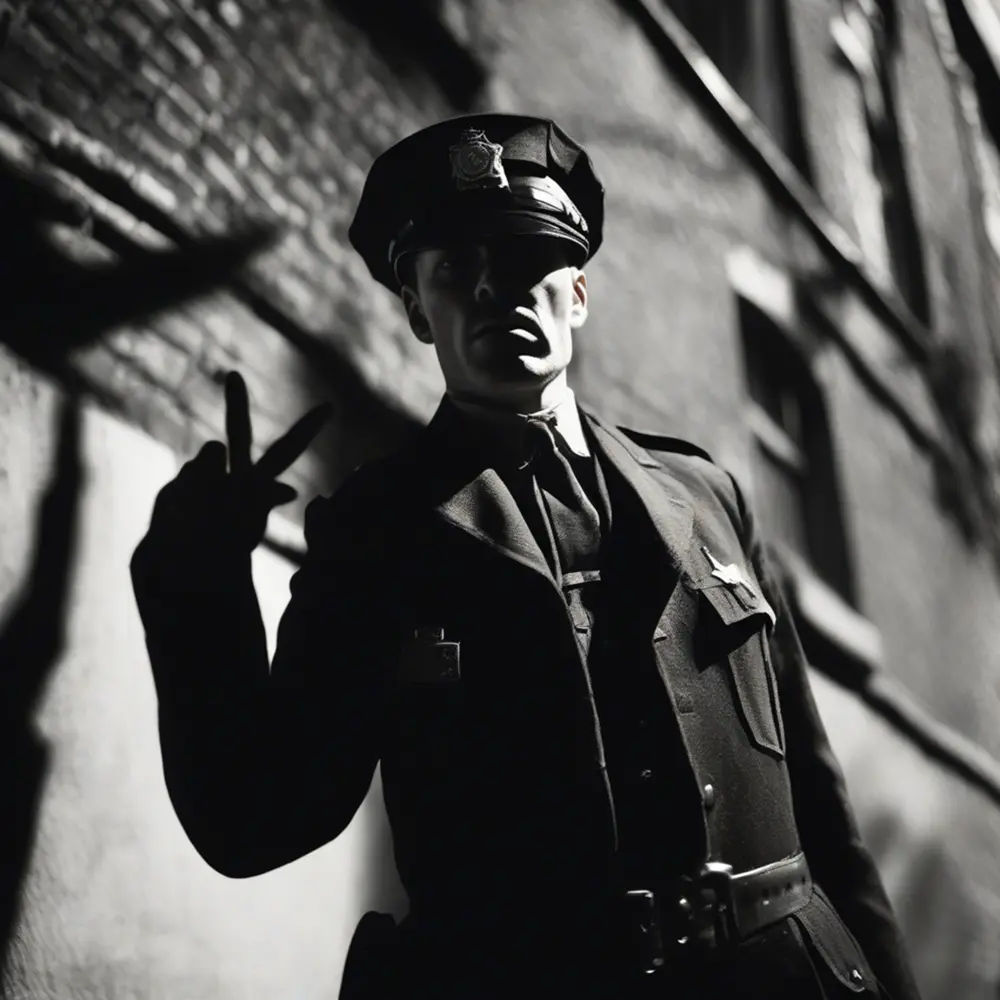
The crowning achievement of this bizarre sub-niche is undoubtedly the 1920 short The New Member. On the surface, it’s a typical street-fight comedy. A brawl breaks out, dust flies, and the usual slapstick chaos ensues. But then, the film takes a turn into the twilight zone. The fight is broken up not by a badge or a baton, but by a secret hand signal. This leads the protagonist—and the audience—into the discovery of the 'Royal Order of the Wriggle Fingers.'
Here is my first debatable stance: The New Member is actually a more accurate depiction of systemic corruption than any 70s political thriller. Why? Because it posits that the police aren't just enforcing the law—they are a literal Satanic cult endowed with magical powers. In the film, the 'Wriggle Fingers' aren't just a social club; they represent a hidden layer of reality where the authorities use arcane gestures to control the masses. The sight of a bumbling 1920s cop performing a ritualistic hand-wriggle to stop a riot is both hilarious and deeply unsettling. It suggests that the 'order' of society is maintained by a series of nonsensical, occult performances that only the initiated can understand.
The 1920s secret society films didn't just parody the Masons; they suggested that the entire world was a stage for a ritual we weren't invited to.
While The New Member dealt with the macro-cult of the state, other films like Are Blonde Men Bashful? (1920) and The Bashful Lover (1920) explored the cult of social exclusion. In these films, the 'bashful' man isn't just a shy romantic lead; he is a pariah trapped in a ritualistic contest. In Are Blonde Men Bashful?, two men are forced into a literal contest for the hand of a maiden. This isn't courtship; it's a social ritual where the prize is a human being and the 'bashful' loser is essentially cast out of the tribe.
I would argue that these 'bashful' comedies are the secret blueprint for modern 'cringe' cult cinema. The protagonist in The Bashful Lover, who marries behind locked doors to avoid his aunt's forced match, isn't just a comedic figure. He is a man trying to escape a domestic cult. The 'aunt' in these films often acts as the high priestess of social propriety, enforcing 'marriages of choice' that are anything but. The 'bashfulness' is a symptom of a man who realizes the rules of the game are rigged, yet he is forced to play. It’s a recurring pattern: the individual vs. the ritualistic expectations of the group.
Then there is the bizarre case of A Sister to Salome (1920). While the title sounds like a standard melodrama, the film contains a sequence that predates the psychedelic cult films of the 1960s by decades. When the opera singer Elinore Duane undergoes throat surgery, she experiences a series of 'ether-induced visions.' She is transported to ancient Rome, appearing as a 'much-admired' figure in a decadent, ritualistic society.
This is a critical moment in cult film history. It uses medical trauma—the 'operation'—as a gateway to an occult, historical fantasy. The 'cult' here is the past itself, a Roman world of excess and pagan worship that stands in stark contrast to the sterile, modern hospital room. The use of ether as a narrative device allows the film to explore 'forbidden' imagery—the Sultry Salome figure—without the interference of the era's emerging moral reformers. It is a 'trip' movie before the term existed. The unexpected observation here? The 1920s audience was being primed for altered-state cinema through the guise of medical necessity.
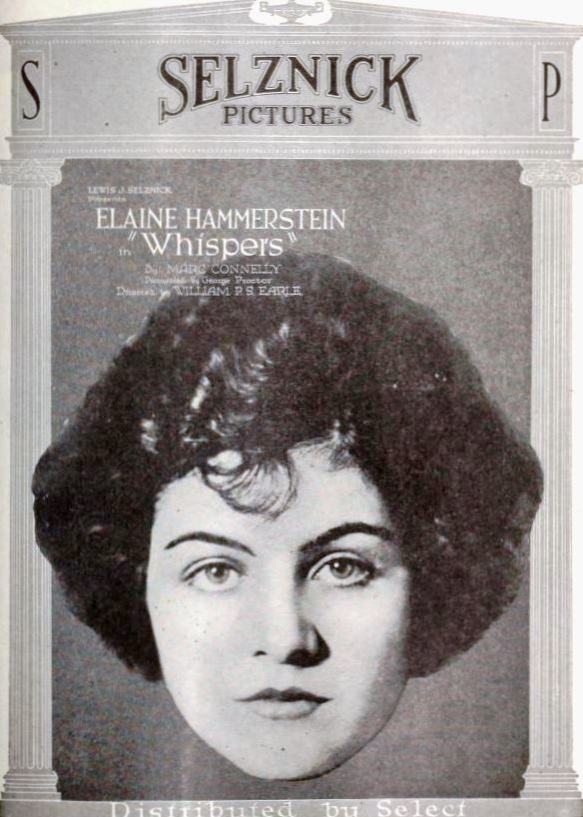
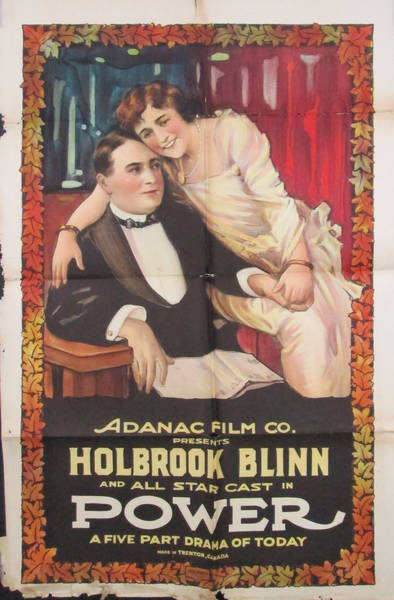
The 1920s also gave us the 'Master Mind' archetype, most notably in The Master Mind (1920). Here, a defense attorney who fails to save an innocent man doesn't just get angry—he builds a 'diabolical scheme' of revenge. This is revenge elevated to the level of a private religion. The attorney becomes a cult leader of one, manipulating the lives of the prosecutor and his family with the precision of a clockmaker.
This theme of the 'hidden architect' is a staple of cult cinema. Whether it’s the villain in The Hawk's Trail (1919) using a forged will to control an estate and dispose of heirs, or the protagonist in Chlen parlamenta (where a man leads a double life as a member of Parliament and a sinister 'masquerader'), the message is clear: the person you see in public is a mask. The real power lies in the shadow-play. These films were teaching audiences to be cynical, to look for the 'master mind' behind every social institution. It was a paranoid cinema for a paranoid age.
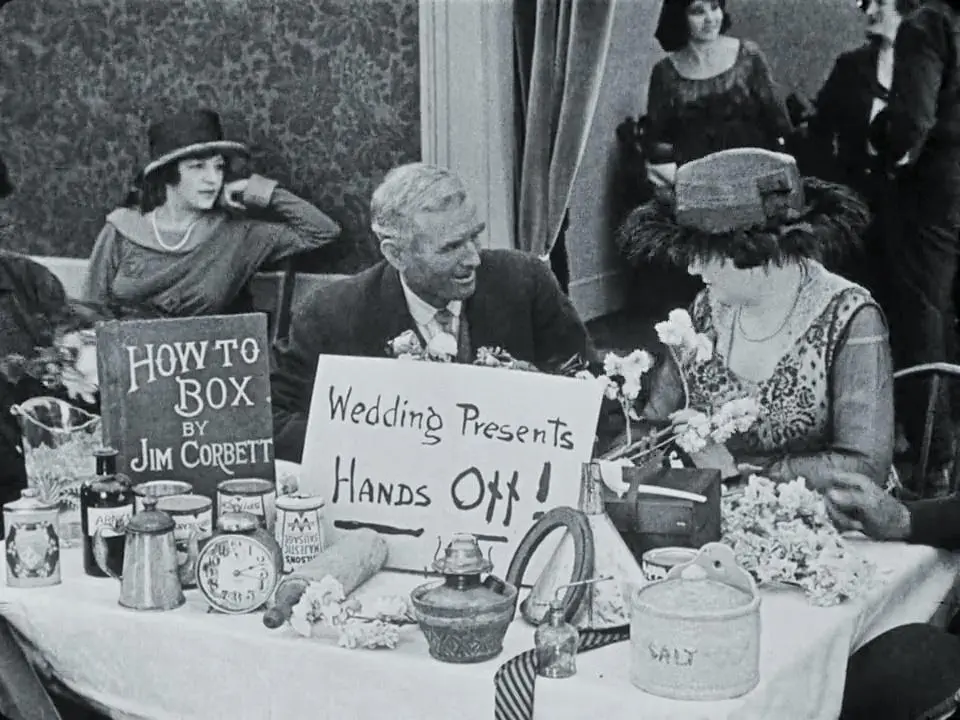
Finally, we must address the most ironic 'cult' of the 1920s: the morals reformers themselves. In Uncensored Movies (1923), a reformer returns from Hollywood to his small town to show his 'findings.' The film is a comedy, but it highlights a very real social phenomenon: the cult of the censor. These reformers were obsessed with the 'vice' they claimed to hate, creating a feedback loop where the act of 'investigating' sin became a form of voyeuristic ritual.
This is where the 'cult' mindset truly took hold of the industry. By trying to ban 'suggestive' content, reformers like the ones parodied in Uncensored Movies actually created the 'forbidden' allure that sustains cult cinema to this day. They turned the cinema into a space of prohibited knowledge. Even a film like The Indian Wars (1914), which was co-financed by the government to portray a massacre as 'heroism,' functions as a state-sponsored cult narrative. It’s a ritualistic re-writing of history designed to keep the 'tribe' (the American public) aligned with a specific, violent mythology.
We often look at silent films as 'simpler' times, but the 1920s 'secret society' comedies prove the opposite. They were complex, cynical, and deeply weird. They captured a moment when the world felt like it was being run by people with secret handshakes and hidden agendas. The New Member isn't just a funny short; it's a warning that the people in charge might just be part of a 'Royal Order of the Wriggle Fingers' that we’ll never understand.
The takeaway? The next time you see a modern film about a shadowy conspiracy, remember that a 1920s comedian probably did it first, with more style, and with a much weirder hand signal. We shouldn't just watch these films for the laughs; we should watch them to understand the roots of our own cinematic obsession with the hidden, the forbidden, and the absurdly powerful. The Wriggle Fingers are still out there—we’ve just forgotten how to recognize the signal.