
DbcultAccessing Vault...
Director's Spotlight
Senior Film Conservator
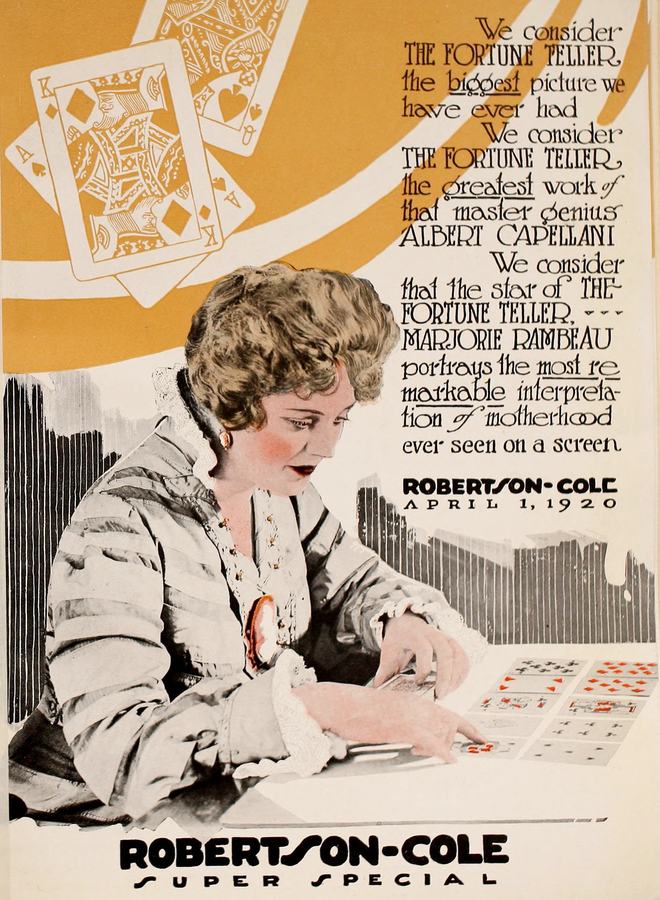
Director's Spotlight: United States
A Deep Dive into the 1920 Vision of Albert Capellani
In the grand tapestry of cult cinema, The Fortune Teller serves as a bridge between the philosophical inquiries that Albert Capellani embeds within the narrative. Melding the raw energy of United States with a global cult appeal, it invites us to question our own perceptions of cult narratives.
In The Fortune Teller, Albert Capellani pushes the boundaries of conventional narrative. The film's unique approach to its subject matter has sparked endless debates and interpretations among cinephiles and critics alike.
To fully appreciate The Fortune Teller, one must consider the cinematic climate of 1920. During this period, United States was undergoing significant artistic shifts, and Albert Capellani was at the forefront of this cult movement, often challenging established norms.
| Cinematography | Noir-Inspired |
| Soundtrack | Minimalist |
| Editing | Slow-Burn |
| Art Direction | Brutalist |
Visualizing the convergence of Albert Capellani's style and the core cult narrative.
When Renee Browning is falsely accused of having an illicit affair with circus manager Tony Salviatti, her jealous husband Horatio divorces her and takes custody of their little boy Stephen, to whom she had been devoted. Renee accepts a position as a circus fortune-teller, where she gradually deteriorates into drunken degradation. Twenty years later, Stephen, discouraged and down on his luck, comes to have his fortune told. Upon learning his name, Renee encourages him without revealing her true identity. With the fortune-teller's inspiration, Stephen becomes a successful political candidate and becomes engaged to the governor's daughter. Inspired by Stephen's success, Renee reforms and finally wins the respect and recognition of her son.
Decades after its release, The Fortune Teller remains a vital piece of the cinematic puzzle. Its influence can be seen in countless modern works, solidifying Albert Capellani's status as a master of the craft in United States and beyond.