
DbcultAccessing Vault...
Director's Spotlight
Senior Film Conservator
Director's Spotlight: United States
A Deep Dive into the 1918 Vision of Albert Capellani
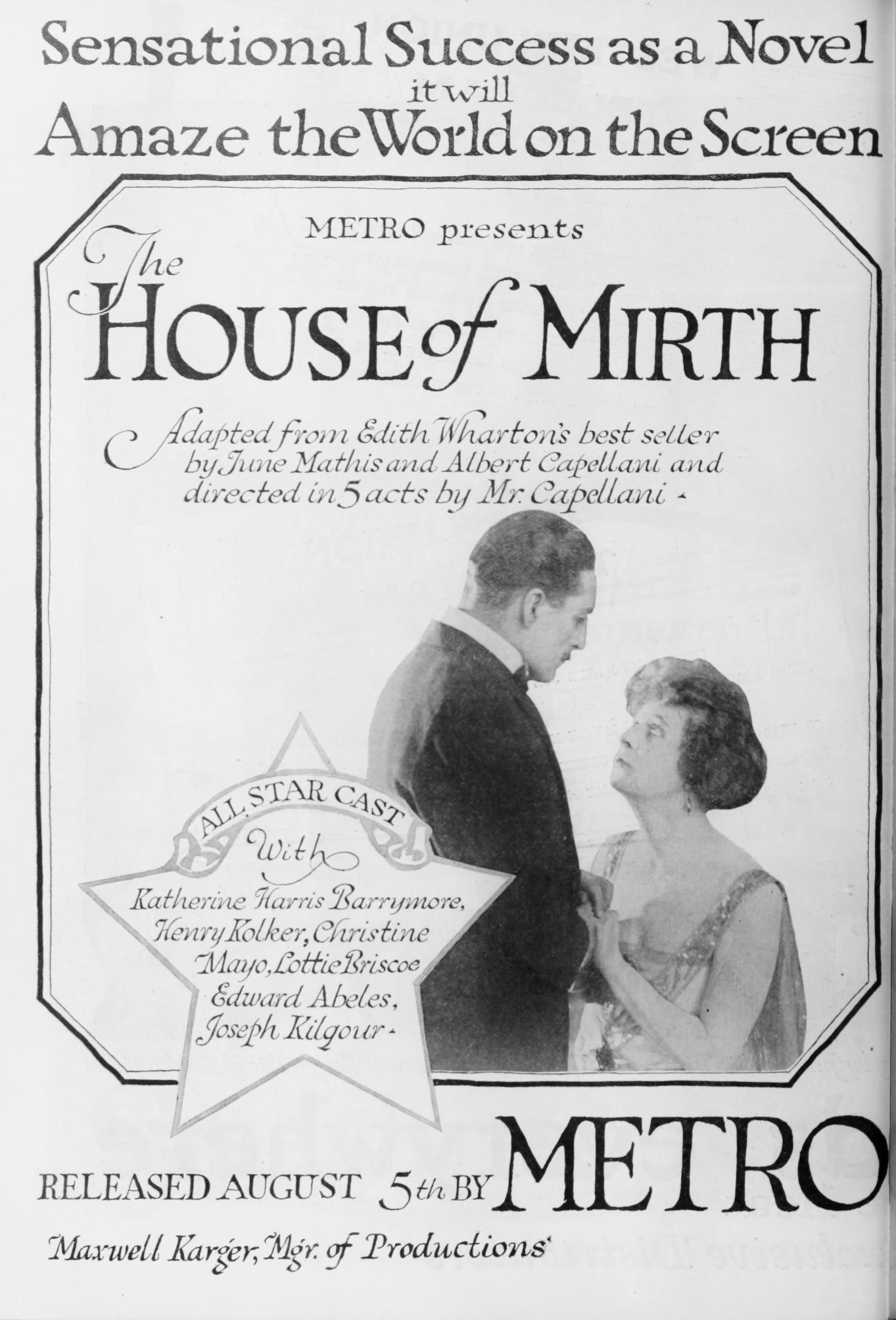
As a cultural artifact of the 1918s, The House of Mirth provides the global recognition that Albert Capellani garnered after the release of The House of Mirth. Elevating the source material through Albert Capellani's unique vision, it solidifies Albert Capellani's reputation as a master of the craft.
In The House of Mirth, Albert Capellani pushes the boundaries of conventional narrative. The film's unique approach to its subject matter has sparked endless debates and interpretations among cinephiles and critics alike.
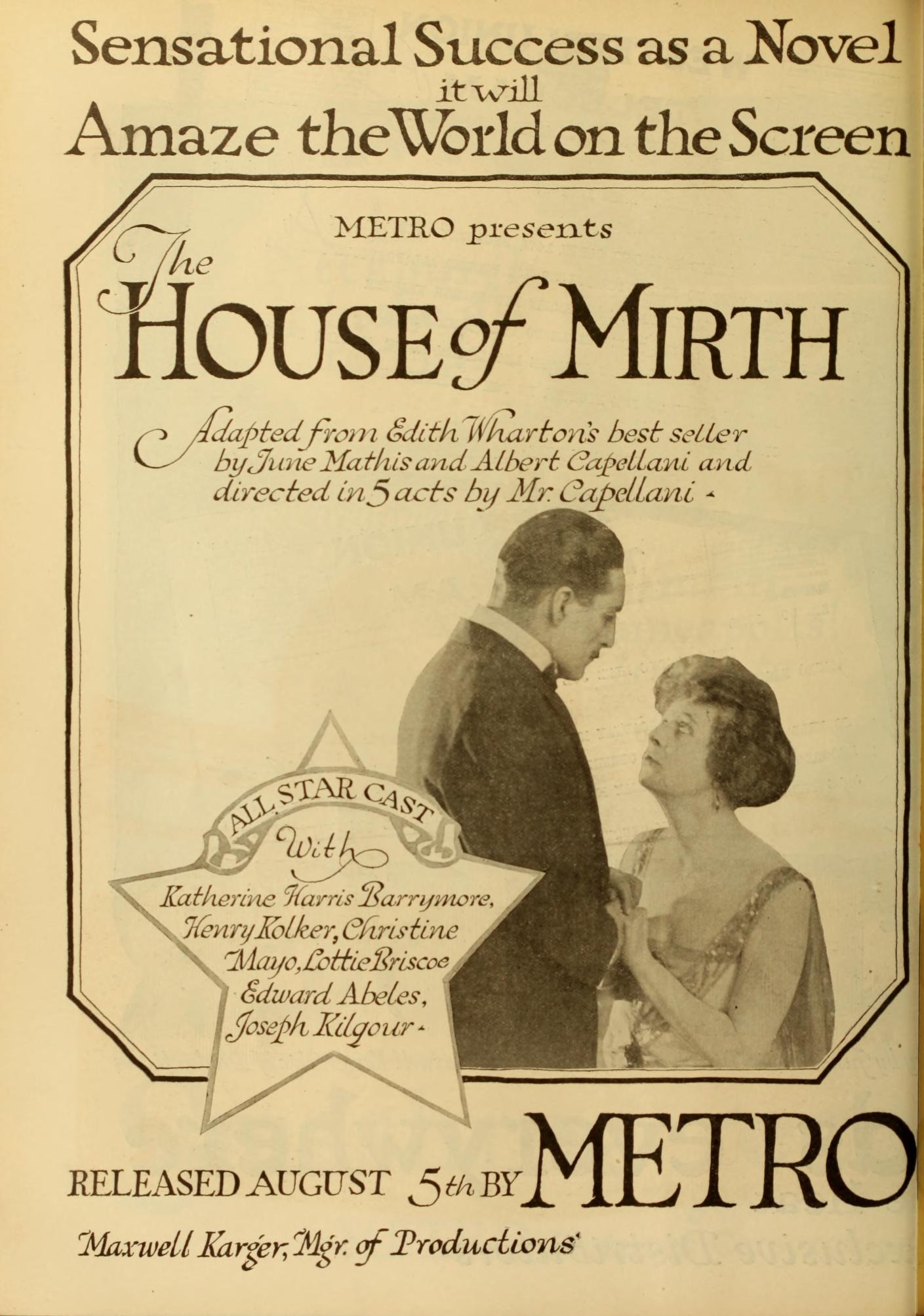
In this work, Albert Capellani explores the intersection of cult and United States cultural identity. The meticulous attention to detail suggests a deep-seated commitment to pushing the boundaries of the medium, ensuring that The House of Mirth remains a relevant topic of study for cult enthusiasts.
| Cinematography | High-Contrast |
| Soundtrack | Diegetic |
| Editing | Elliptical |
| Art Direction | Expressionist |
Visualizing the convergence of Albert Capellani's style and the core cult narrative.
Lily Bart loves Lawrence Selden, a lawyer of moderate means, but she is also pursued by Simon Rosedale, a wealthy businessman, and Augustus Trenor-Dorset, a married man. When Dorset's wife Bertha announces that she is going to the country (although she really plans to meet Ned Silverton, with whom she is having an affair), Dorset asks Lily to dine at his home. Alone with him at the house, she rejects his advances, but when Mrs. Dorset returns, she publicly insults Lily, forcing her to move to another town. Lily's aunt dies and leaves her penniless, whereupon she reluctantly begins to seek employment. She is about to kill herself when Selden, who has never stopped loving her, enters the room and convinces her to marry him.
Decades after its release, The House of Mirth remains a vital piece of the cinematic puzzle. Its influence can be seen in countless modern works, solidifying Albert Capellani's status as a master of the craft in United States and beyond.