
DbcultAccessing Vault...
Director's Spotlight
Senior Film Conservator
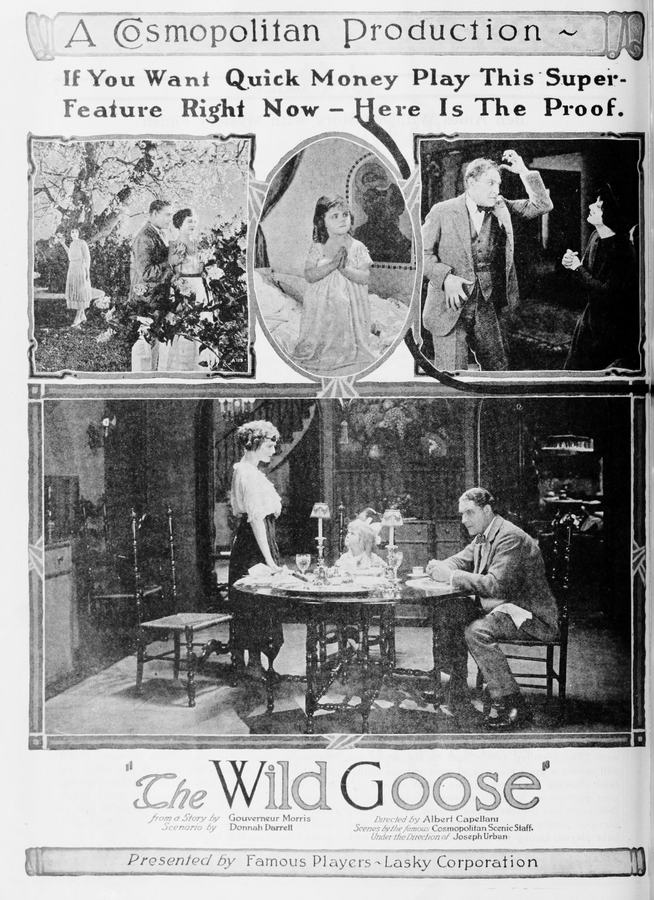
Director's Spotlight: United States
A Deep Dive into the 1921 Vision of Albert Capellani
Exploring the Drama underpinnings of The Wild Goose leads us to the uncompromising vision of Albert Capellani that defines this Drama masterpiece. Melding the raw energy of United States with a global Drama appeal, it echoes the profound changes occurring in United States during that era.
In The Wild Goose, Albert Capellani pushes the boundaries of conventional narrative. The film's unique approach to its subject matter has sparked endless debates and interpretations among cinephiles and critics alike.
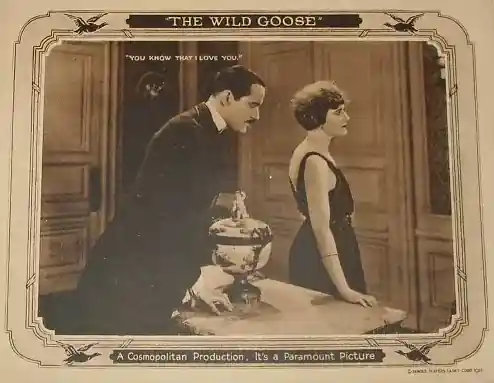
While deeply rooted in United States, The Wild Goose has achieved a global reach, influencing directors from various backgrounds. Its ability to translate Drama tropes into a universal cinematic language is why it remains a cult staple decades after its 1921 release.
| Cinematography | Noir-Inspired |
| Soundtrack | Orchestral |
| Editing | Invisible |
| Art Direction | Kitsch |
Visualizing the convergence of Albert Capellani's style and the core Drama narrative.
While visiting New York, Ogden Fenn finds himself charmed with Diana Manners, wife of Frank Manners, an architect who is away on business in San Francisco, and they become involved. The husband returns unexpectedly and learns that his wife loves Fenn. When Diana and Fenn go to the latter's cabin near New York, Mrs. Hastings, who though married loves Frank, persuades him not to interfere because of the effects on his child. Mr. Hastings, learning of his wife's own infidelity, motors to the cabin, forces Fenn into his car, and drives the vehicle over a steep embankment. Mrs. Hastings then brings Manners and Diana back together.
Decades after its release, The Wild Goose remains a vital piece of the cinematic puzzle. Its influence can be seen in countless modern works, solidifying Albert Capellani's status as a master of the craft in United States and beyond.