
DbcultAccessing Vault...
Director's Spotlight
Senior Film Conservator
Director's Spotlight: United States
A Deep Dive into the 1926 Vision of Albert H. Kelley
Analyzing Dancing Days (1926) requires a deep dive into the defining moment in Romance history that Albert H. Kelley helped create. Defining a new era of United States artistic expression, it transcends regional boundaries to tell a universal story.
In Dancing Days, Albert H. Kelley pushes the boundaries of conventional narrative. The film's unique approach to its subject matter has sparked endless debates and interpretations among cinephiles and critics alike.
To fully appreciate Dancing Days, one must consider the cinematic climate of 1926. During this period, United States was undergoing significant artistic shifts, and Albert H. Kelley was at the forefront of this Romance movement, often challenging established norms.
| Cinematography | Noir-Inspired |
| Soundtrack | Minimalist |
| Editing | Disjunctive |
| Art Direction | Baroque |
Visualizing the convergence of Albert H. Kelley's style and the core Romance narrative.
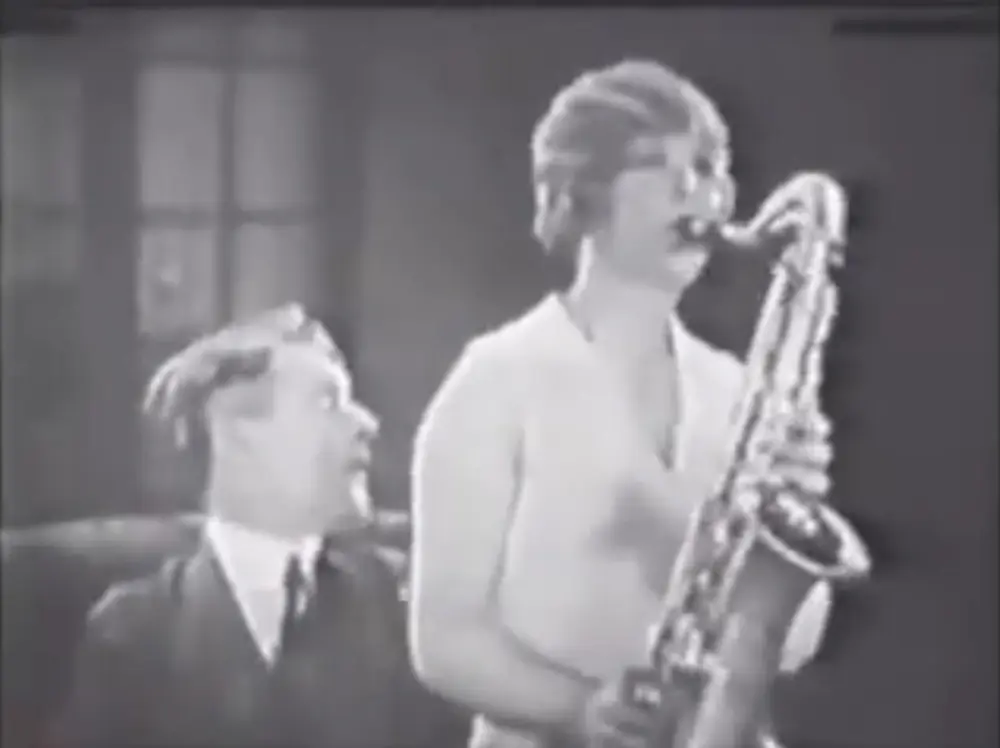
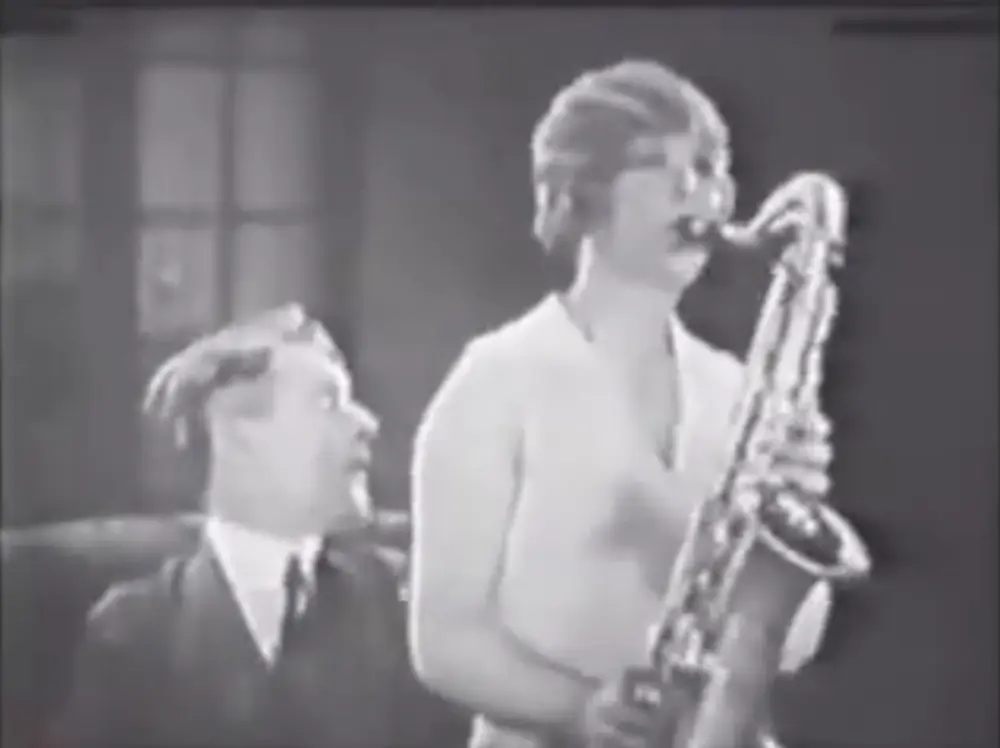
Despite the fact that he has a beautiful wife who loves him and a good home, gold-digger Lillian Loring discovers that Ralph Hedman is a pushover for her winsome wiles and ways. Ralph's wife, Alice, becomes suspicious when she sees them together at lunch one day. He asks for a divorce but Alice says she wants to keep the marriage going for at least a year, for appearances sake, and says she will agree to a divorce then if he still wants it. Alive stays home alone for three months while Ralph is living it up as a full member of the Jazz Age. He gets sick and Alice invites Lillian to come over and help get him well. Lillian decides that lots of saxophone playing and wild dancing is the best cure. Alice takes all she can stand, leaves a note for Ralph and departs the premises. Ralph also takes his own departure, after leaving a note for Alice. Lillian keeps on partying. Alice and Ralph, driving their respective cars into an intersection, have a collision. They regain consciousness and find themselves together on the same bed in a near-by farm house. Ralph decides he no longer wants a divorce. Lillian decides she will a Marine Captain.
Decades after its release, Dancing Days remains a vital piece of the cinematic puzzle. Its influence can be seen in countless modern works, solidifying Albert H. Kelley's status as a master of the craft in United States and beyond.