
DbcultAccessing Vault...
Director's Spotlight
Senior Film Conservator
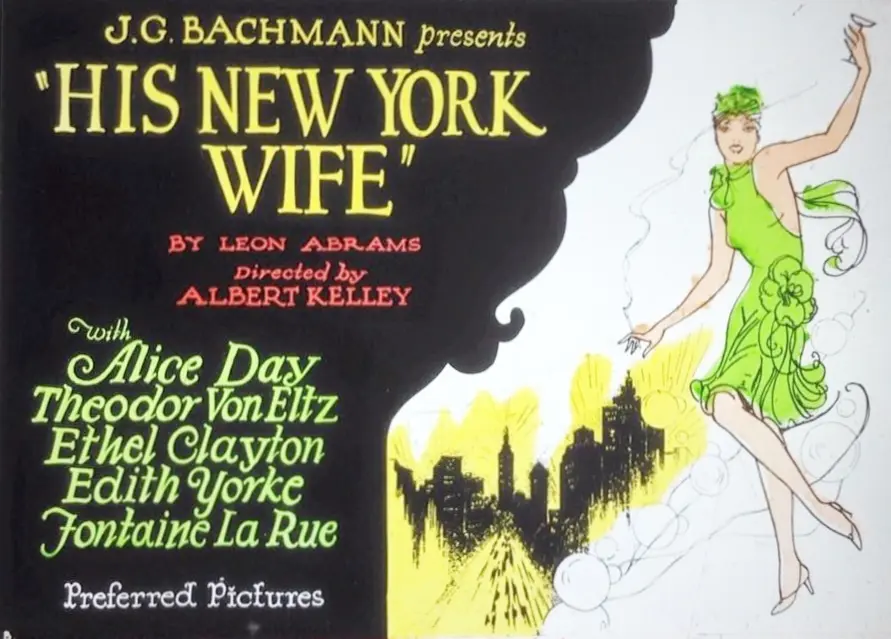
Director's Spotlight: United States
A Deep Dive into the 1926 Vision of Albert H. Kelley
In the storied career of Albert H. Kelley, His New York Wife stands as a the provocative questions that Albert H. Kelley poses to the United States audience. Elevating the source material through Albert H. Kelley's unique vision, it persists as a haunting reminder of our own cinematic history.
In His New York Wife, Albert H. Kelley pushes the boundaries of conventional narrative. The film's unique approach to its subject matter has sparked endless debates and interpretations among cinephiles and critics alike.
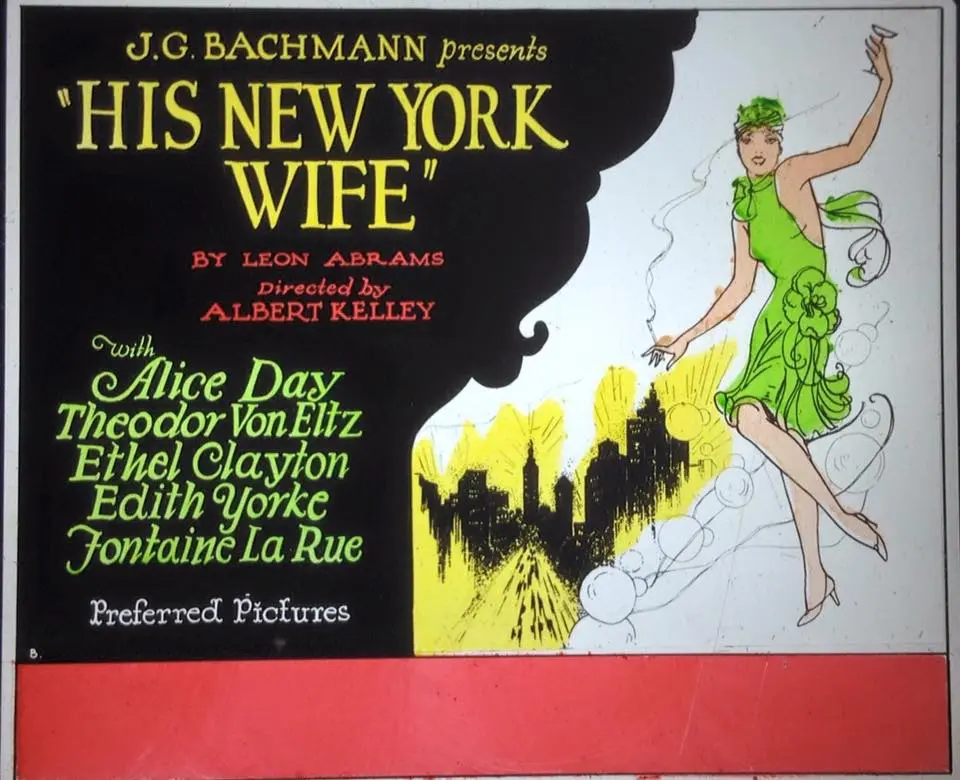
To fully appreciate His New York Wife, one must consider the cinematic climate of 1926. During this period, United States was undergoing significant artistic shifts, and Albert H. Kelley was at the forefront of this Drama movement, often challenging established norms.
| Cinematography | Static |
| Soundtrack | Diegetic |
| Editing | Rhythmic |
| Art Direction | Naturalist |
Visualizing the convergence of Albert H. Kelley's style and the core Drama narrative.
Lured to New York with false promises of having her play produced, Lila Lake is forced to accept a secretarial position with Mrs. Julia Hewitt, a dashing young widow secretly married to Jimmy Duval, son of Alice Duval, a prominent society leader. Alice seeks the aid of young lawyer Philip Thorne, who hires detectives to follow Julia; the latter, however, has left town with Jimmy, and Lila has agreed to impersonate her. Thorne, who has previously met Lila, and is unaware of her situation, rescues her from the detectives, and through a misunderstanding they are both arrested and are subsequently disillusioned with each other. Jimmy, however, achieves a reconciliation between his wife and mother, and when Thorne discovers his mistake, he is happily united with Lila.
Decades after its release, His New York Wife remains a vital piece of the cinematic puzzle. Its influence can be seen in countless modern works, solidifying Albert H. Kelley's status as a master of the craft in United States and beyond.