
DbcultAccessing Vault...
Director's Spotlight
Senior Film Conservator
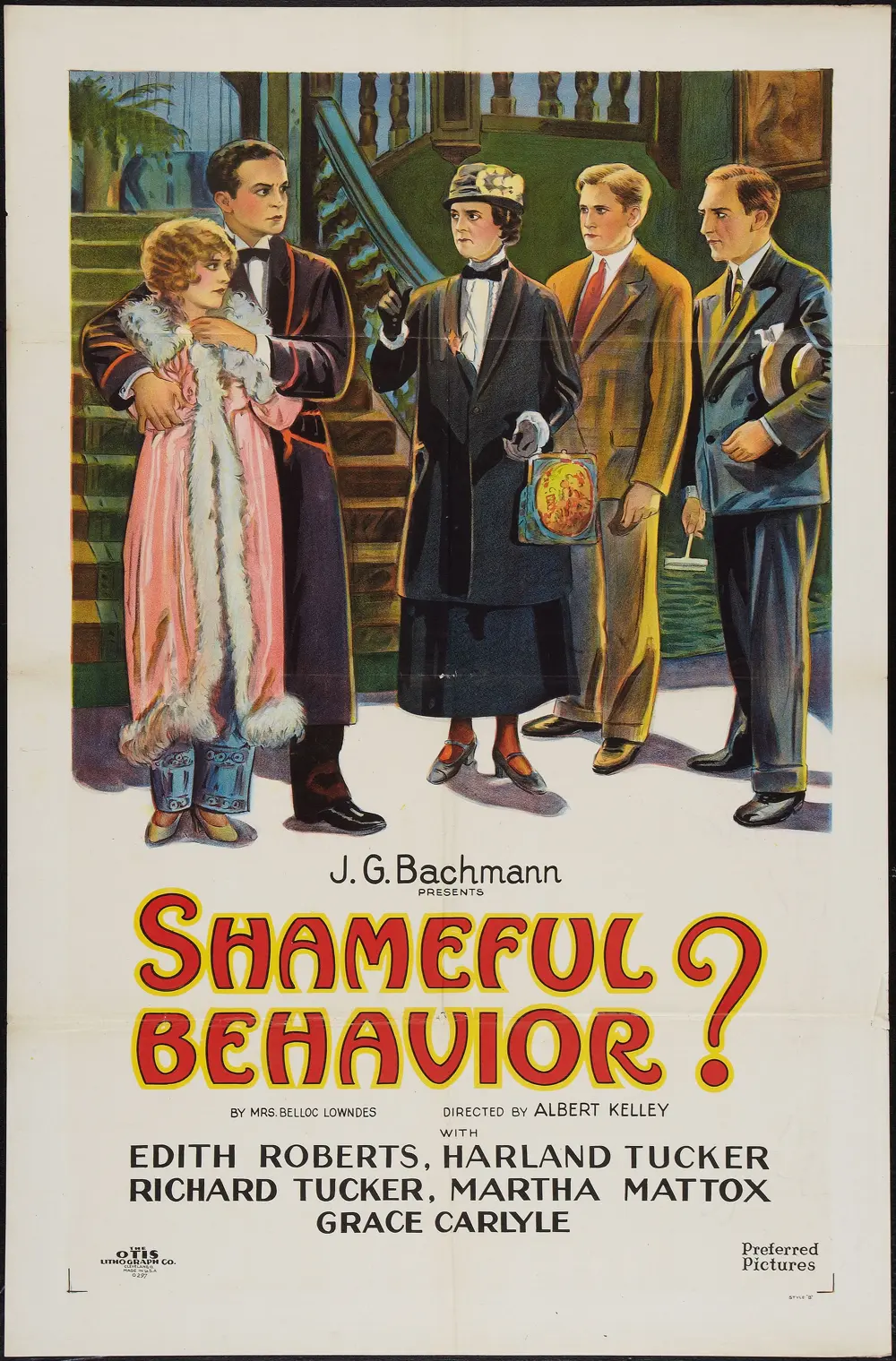
Director's Spotlight: United States
A Deep Dive into the 1926 Vision of Albert H. Kelley
The Romance DNA of Shameful Behavior? is a reflection of United States's the subversive storytelling techniques employed by Albert H. Kelley in 1926. Breaking the traditional rules of Romance engagement, it leaves an indelible mark on the soul of the viewer.
In Shameful Behavior?, Albert H. Kelley pushes the boundaries of conventional narrative. The film's unique approach to its subject matter has sparked endless debates and interpretations among cinephiles and critics alike.
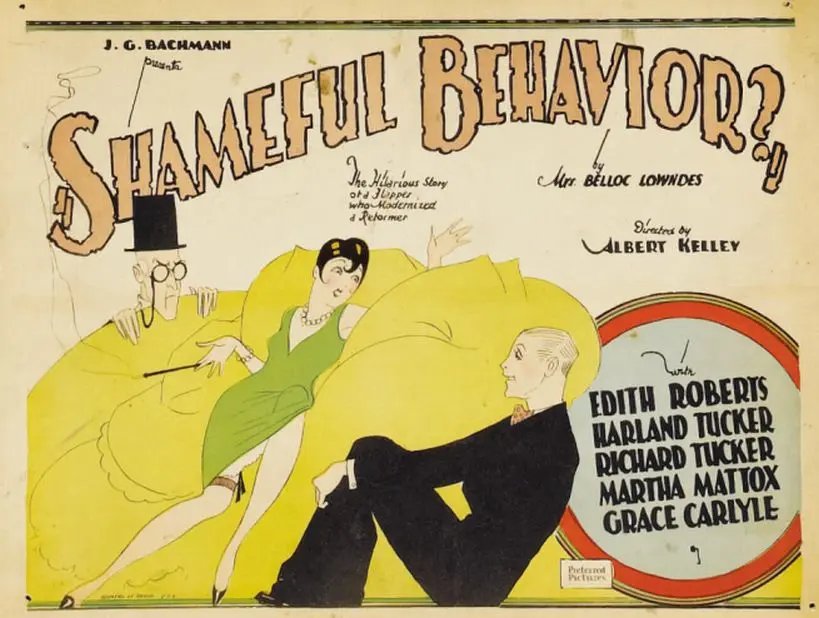
While deeply rooted in United States, Shameful Behavior? has achieved a global reach, influencing directors from various backgrounds. Its ability to translate Romance tropes into a universal cinematic language is why it remains a cult staple decades after its 1926 release.
| Cinematography | High-Contrast |
| Soundtrack | Diegetic |
| Editing | Elliptical |
| Art Direction | Expressionist |
Visualizing the convergence of Albert H. Kelley's style and the core Romance narrative.
Daphne Carrol, once a "plain Jane," returns from Paris a "polished" flapper, and finding that her love for Custis Lee, her sister's brother-in-law, is not reciprocated, sets out to win him. His brother, Jack Lee, managing editor of the local newspaper, orders a conspicuous report of Daphne's return, but through an error her picture appears over a news item citing the escape from an insane asylum of Sally Long, bent on revenge on her husband. Daphne gains entrance to Custis' house and poses as Sally, disclaiming him as her husband. Fearful of his life, he humors her until he can engage a nurse to watch her. Daphne enjoys the joke until she discovers that her nurse is actually Sally--and Sally's husband tries to rob the Custis home. In the merry mix-up Daphne faints in Custis' arms and is forced to declare that she is his wife; after the complications are resolved, they decide to make the arrangement legal.
Decades after its release, Shameful Behavior? remains a vital piece of the cinematic puzzle. Its influence can be seen in countless modern works, solidifying Albert H. Kelley's status as a master of the craft in United States and beyond.